If you want to build a strong, defined chest without needing a gym full of equipment, dumbbells are your best friend. They’re versatile, effective, and perfect for working out at home or anywhere you have space.
But how do you get the most out of your dumbbell chest workout? How can you target every part of your chest to see real results? In this guide, you’ll discover simple, powerful exercises that will help you sculpt your chest using just dumbbells.
Whether you’re a beginner or looking to break through a plateau, these tips will keep you motivated and on track. Ready to transform your chest? Let’s dive in.
Credit: www.youtube.com
Dumbbell Chest Exercises
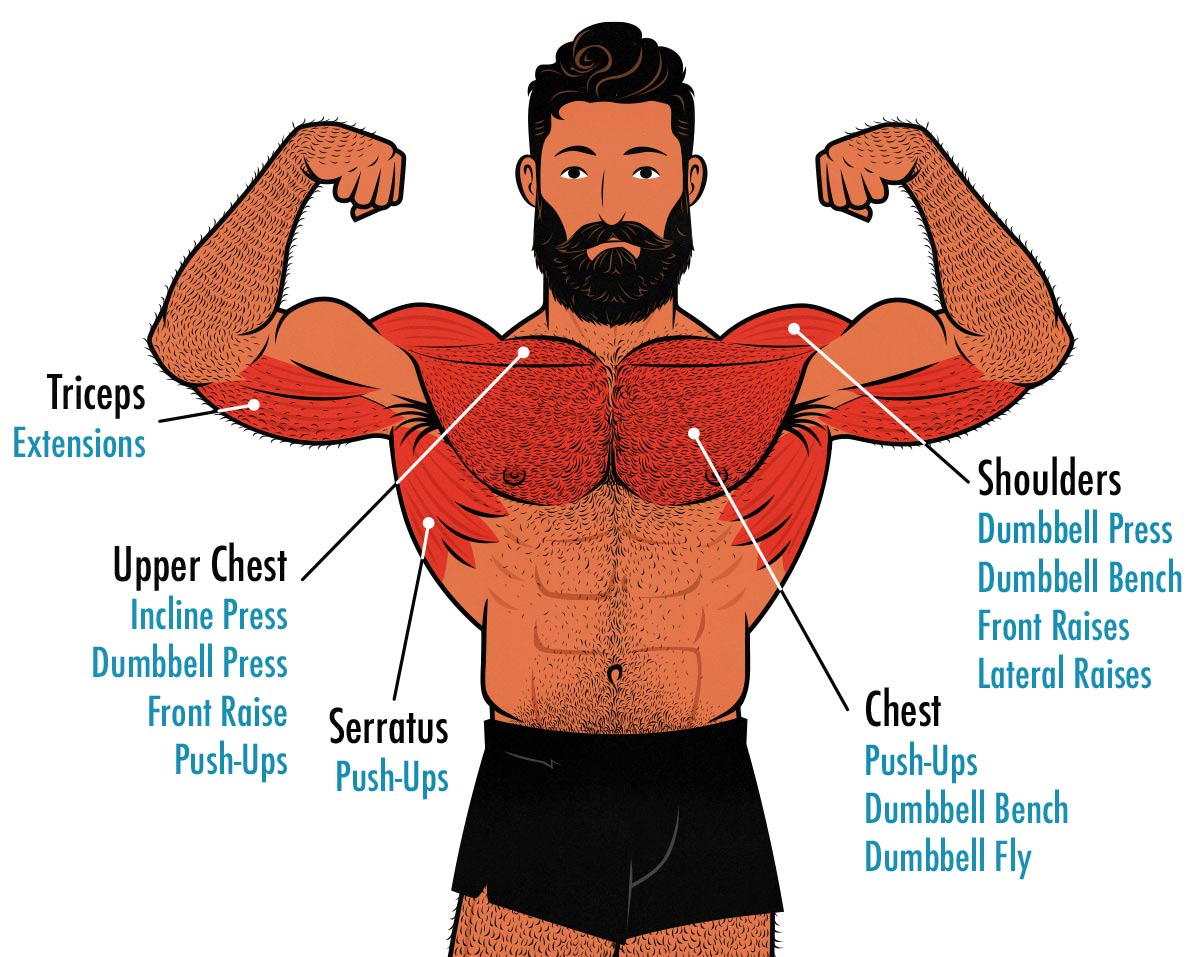
Dumbbell chest exercises offer a simple way to build strength and muscle. They target the chest muscles while improving stability. Using dumbbells allows for a natural range of motion. This reduces stress on your joints and activates more muscle fibers. Here are three effective dumbbell exercises to work your chest.
Flat Dumbbell Bench Press
Lie flat on a bench with a dumbbell in each hand. Keep your feet flat on the floor and your back pressed against the bench. Lower the dumbbells slowly until they reach chest level. Press the weights back up until your arms are straight. This exercise strengthens the middle part of your chest.
Incline Dumbbell Press
Set the bench to a 30-45 degree incline. Hold a dumbbell in each hand with your arms extended above your chest. Lower the dumbbells slowly to your upper chest. Push them back up to the starting position. This move focuses on the upper chest and front shoulders.
Dumbbell Flyes
Lie flat on a bench holding dumbbells directly above your chest. Keep a slight bend in your elbows. Slowly lower the dumbbells out to the sides in a wide arc. Stop when you feel a stretch in your chest. Bring the dumbbells back together over your chest. Flyes improve chest flexibility and help shape the muscles.
Alternative Dumbbell Moves
Alternative dumbbell moves offer fresh ways to build chest strength and size. These exercises target chest muscles differently than standard presses. They add variety and challenge your muscles in new ways.
Using dumbbells allows greater range of motion and muscle activation. You can perform these moves at home or in the gym with minimal equipment. Focus on control and form to maximize benefits.
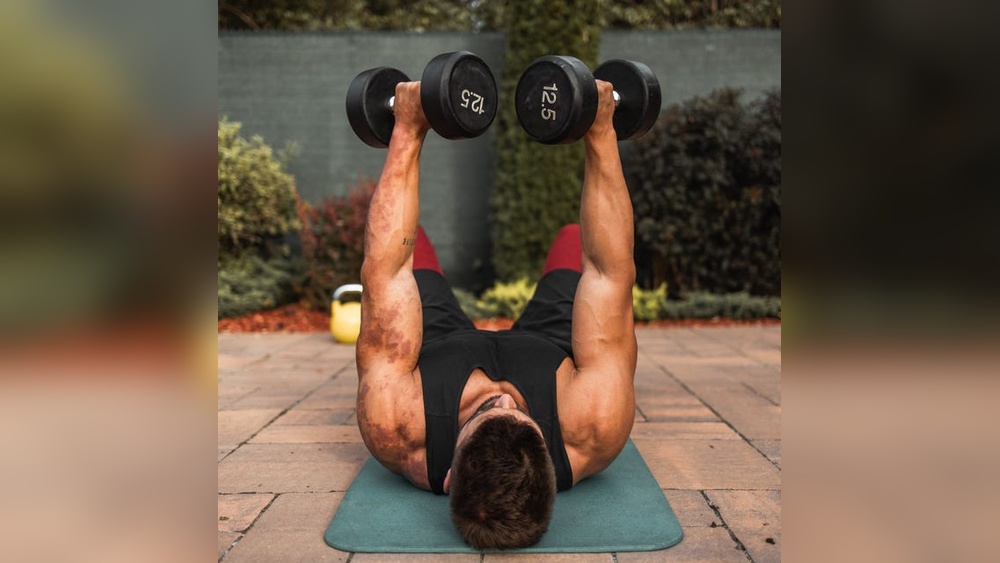
Dumbbell Floor Press
The dumbbell floor press works your chest while protecting your shoulders. Lie on the floor with dumbbells in each hand. Press the weights up until your arms are straight. Lower the dumbbells until your elbows touch the floor. This limits the range but reduces stress on joints. It’s great for building strength safely.
Crush Grip Dumbbell Press
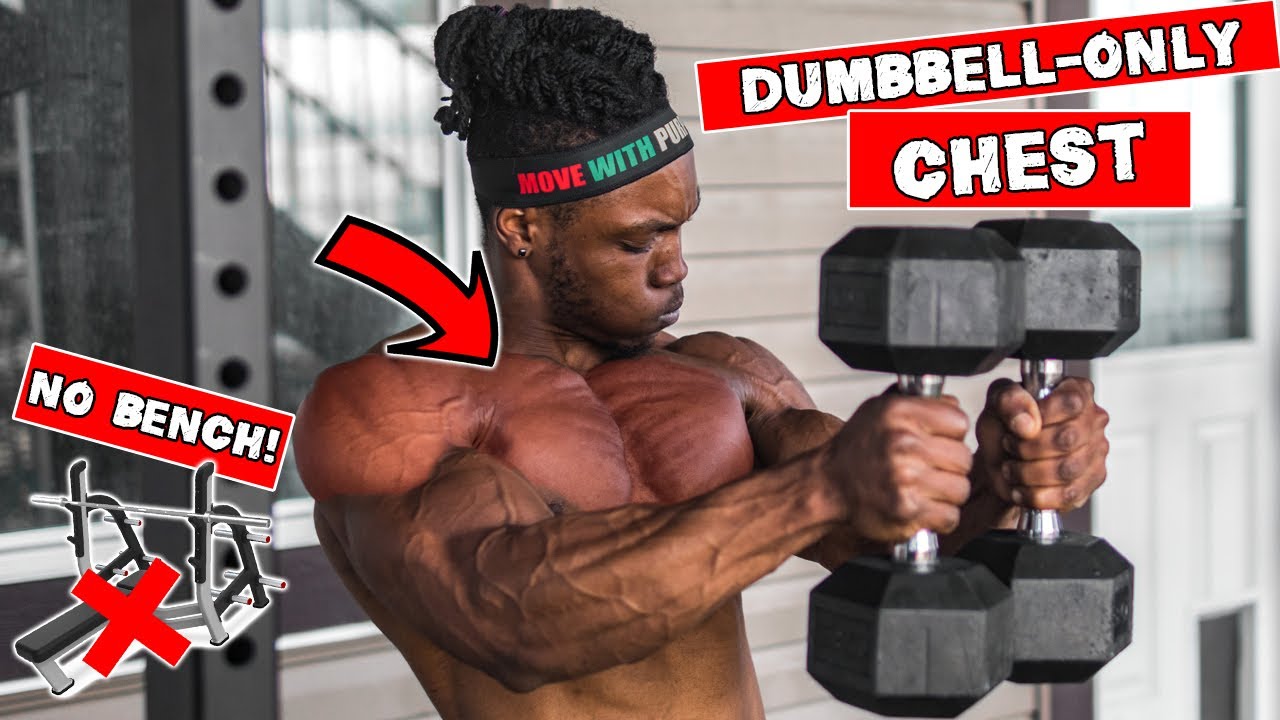
This move targets the inner chest for better muscle definition. Hold two dumbbells together, pressing them tightly as you lift. Lie on a bench or floor and press the dumbbells straight up. Keep squeezing the weights throughout the movement. This constant tension improves chest activation and helps build a fuller look.
Dumbbell Push-ups
Dumbbell push-ups add an extra challenge to a classic exercise. Place dumbbells on the floor and grip them while doing push-ups. This increases range of motion and engages your chest more deeply. It also strengthens your grip and wrist muscles. Keep your body straight and lower yourself until your chest nearly touches the dumbbells.
Proper Form Tips
Proper form is key to effective chest workouts with dumbbells. It helps target the muscles and prevents injuries. Focus on body alignment, arm movement, and muscle engagement. These tips guide you to perform each exercise safely and efficiently.
Body And Arm Positioning
Keep your back flat on the bench or floor. Your feet should rest firmly for balance. Hold the dumbbells with a firm grip. Align your wrists with your elbows to avoid strain. Position your arms at a 45-degree angle from your body. This angle protects your shoulder joints. Avoid flaring elbows out too wide. It reduces the risk of injury and maximizes chest activation.
Controlling The Weight
Lift dumbbells slowly and steadily. Avoid dropping or bouncing them. Control the weight through the entire movement. Lower the dumbbells with care until your elbows reach chest level. Pause briefly before pressing them back up. This control increases muscle tension and improves strength. Use a weight you can handle without sacrificing form.
Squeezing The Chest
Focus on contracting your chest muscles at the top. Press the dumbbells together slightly without locking your elbows. This squeeze activates the chest fibers better. Hold the contraction for a moment before lowering the weights. Squeezing your chest boosts muscle growth and definition. Keep breathing steadily throughout the exercise.
Workout Frequency
Choosing the right workout frequency is key to building your chest with dumbbells. It affects muscle growth, recovery, and overall strength. Finding a balance helps you stay consistent and avoid injury. Let’s explore common options and their benefits.
Training Once A Week
Training your chest once a week suits beginners and casual lifters. It allows enough time for muscles to recover fully. Recovery helps muscles grow stronger after each session. This frequency fits well with busy schedules. It also reduces the risk of overtraining. Focus on quality exercises and proper form during this single session. Maximize effort to make the most of your workout.
Benefits Of Twice Weekly Workouts
Training chest twice a week speeds up muscle growth. More frequent stimulation encourages faster strength gains. It helps break through plateaus and improve endurance. Shorter sessions can prevent fatigue and maintain intensity. This schedule promotes better muscle memory and technique. It requires careful planning to allow proper rest between workouts. Twice weekly workouts suit those aiming for faster progress.
Adjusting Angles
Adjusting angles during your dumbbell chest workout targets different parts of the chest. Changing the angle shifts the focus from the middle to the upper or lower chest. This technique helps build a balanced and stronger chest. Small adjustments can make a big difference in muscle activation and growth. It also reduces the risk of overuse injuries by varying the stress on muscles.
Optimal Incline For Upper Chest
Setting the bench at the right incline targets the upper chest muscles well. An angle between 30 and 45 degrees works best. Too steep of an incline shifts the work to the shoulders. Too flat misses the upper chest. Adjust the incline slowly to find your comfort spot. Use dumbbell incline press or incline flyes to hit this area. This focus helps create a fuller chest shape.
Using Cushions As Bench Alternatives
No bench? No problem. Cushions or pillows can work as a bench substitute. Stack firm cushions to create a stable surface. Ensure they do not slip or shift during exercise. Lie on the cushions to perform presses or flyes safely. This method is perfect for home workouts with limited equipment. Always prioritize safety and stability with cushion setups.
Credit: www.readytoeat.com
At-home Dumbbell Workouts
At-home dumbbell workouts offer a simple way to build chest muscles without a gym. Dumbbells are versatile and fit easily in small spaces. They allow effective training with minimal equipment. These workouts help improve strength, shape, and muscle tone. Consistency and proper form remain key to success.
No Bench Needed Routines
Many effective chest exercises require no bench. Floor presses work well by lying on your back. Press dumbbells up and lower them to your chest. Push-ups with dumbbells under your hands increase range of motion. Dumbbell flys on the floor stretch and contract chest muscles. These routines fit small spaces and need only dumbbells.
Maximizing Limited Equipment
Use varied angles to target different chest areas. Incline chest presses can be done by propping your back on cushions. Combine exercises like presses and flys for balanced muscle work. Slow, controlled movements improve muscle activation. Adjust dumbbell weight for challenge and growth. Rest and repeat for best results.
Progress Tracking
Tracking your progress is essential for effective chest workouts with dumbbells. It helps you see how much you improve and keeps you motivated. Recording your progress allows you to adjust your routine for better results. Focus on increasing strength and muscle size safely over time.
Increasing Weight Safely
Gradually increase the weight of your dumbbells to build strength. Avoid jumping to heavy weights too fast to prevent injuries. Increase weights by small amounts, like 2.5 to 5 pounds, each week. Only add weight when you can complete all reps with good form. Rest properly between sets to help your muscles recover.
Monitoring Muscle Growth
Track muscle growth by measuring your chest circumference regularly. Take photos every few weeks to visually compare progress. Notice changes in muscle firmness and size during workouts. Keep a workout journal to note reps, sets, and weights. This helps you understand what works best for your chest development.

Credit: imperiodacostela.com.br
Frequently Asked Questions
How Do I Work Out My Chest With Dumbbells?
Work your chest with dumbbells using presses and flyes. Lie on a bench, lower dumbbells to chest, then press up. Use an incline for upper chest focus. Keep elbows slightly bent during flyes, moving arms in a controlled arc. Repeat for desired sets and reps.
Is 2 Chest Days A Week Enough?
Yes, training chest twice a week is enough for most people. It supports muscle growth and recovery effectively.
What Is The 4 2 1 Dumbell Method?
The 4-2-1 dumbbell method involves lowering weights for 4 seconds, holding for 2 seconds, then lifting for 1 second. This tempo boosts muscle control and strength.
Is 30 Or 45 Degrees Better For Upper Chest?
A 30-degree incline better targets the upper chest with less shoulder strain. A 45-degree angle activates more shoulders. For upper chest focus, 30 degrees is generally preferred.
Conclusion
Dumbbell chest workouts build strength and muscle effectively at home. Use proper form and controlled movements for best results. Include presses and flyes to target all chest areas. Increase weight gradually to challenge your muscles safely. Consistency and rest are key for steady progress.
Enjoy your workouts and stay patient with gains. Keep it simple and focus on good technique every time.