Choosing the right dumbbell size to start with can feel confusing, especially if you’re new to strength training. You want a weight that challenges your muscles but doesn’t leave you struggling or risking injury.
Picking dumbbells that are too heavy can lead to poor form and frustration, while weights that are too light might not give you the results you want. So, how do you find the perfect starting point for your fitness journey?
You’ll discover simple, practical tips to help you choose the right dumbbells based on your goals, fitness level, and body type. Keep reading to make sure every workout counts and you build strength safely and effectively.
Choosing Starting Weights
Selecting the right dumbbell weight is key for safe workouts and good results. Starting with weights that are too heavy can cause injury. Too light, and you won’t build strength effectively.
Finding the right balance helps you maintain proper form and enjoy your training. It sets a solid base for progress. Understanding your body and goals guides this choice.
Factors To Consider
Your body size and muscle strength affect your starting weight. Think about your past exercise experience. Some exercises need lighter weights to maintain control.
Begin with a weight that feels challenging but lets you complete 8-12 repetitions. Focus on form before increasing weight. Adjust as you learn which feels best.
Gender Differences
Men often start with heavier weights due to higher muscle mass. Women usually begin with lighter dumbbells to build strength safely. Both can progress at their own pace.
Choose weights based on your own strength, not just gender. Strength varies widely among individuals. The goal is steady improvement, not comparison.
Fitness Level Impact
Beginners should start light to avoid strain and build confidence. Experienced lifters can begin with heavier dumbbells. Your fitness history shapes your best starting point.
Listen to your body’s signals. If a weight feels too hard, lower it. If it’s too easy, increase the load gradually. Progress comes step by step.
Workout Goals
Goal matters: strength, endurance, or muscle tone affect weight choice. For muscle tone, use lighter weights with more reps. For strength, use heavier weights with fewer reps.
Adjust your dumbbells based on the exercises you plan. Full-body workouts might need versatile weights. Targeted muscle training may require heavier dumbbells.
Weight Recommendations
Choosing the right dumbbell weight is important for safe and effective workouts. The weight should challenge your muscles without causing strain. Starting with the right size helps build confidence and strength steadily.
This guide offers simple weight recommendations based on common differences. These suggestions aim to fit most beginners but listen to your body and adjust as needed.
For Women
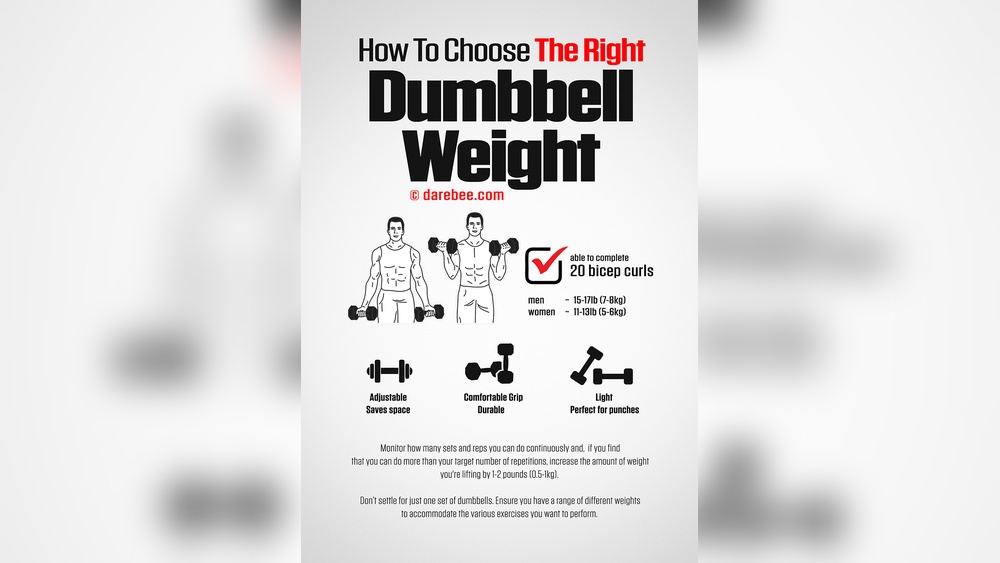
Women new to dumbbells often start with weights between 5 to 10 pounds. Lighter weights help learn proper form and avoid injury. For upper body exercises, 5 to 8 pounds works well. Lower body exercises may allow 8 to 10 pounds or more. Choose a weight that feels manageable but slightly challenging by the last few reps.
For Men
Men usually start with dumbbells in the 10 to 20 pounds range. This suits those with average fitness and no prior strength training. For smaller muscle groups, 10 to 15 pounds may be enough. Larger muscles like legs and back might handle 15 to 20 pounds. The weight should allow controlled movements with good form.
Adjusting By Body Composition
Body composition affects the ideal dumbbell weight. Muscle mass can handle heavier weights safely. Those with more fat and less muscle should start lighter. Age and fitness level also play roles. Start low and increase weight gradually to avoid injury. Focus on control rather than lifting heavy too soon.
Types Of Dumbbells
Choosing the right type of dumbbell is important for your fitness journey. Different dumbbells suit different needs and spaces. Understanding these types helps you pick the best option for starting weight training.
Fixed Dumbbells
Fixed dumbbells have a set weight. They come in pairs and do not change weight. These dumbbells are easy to use and quick to grab. They are common in gyms and home workout spaces. Fixed dumbbells offer stability and durability for exercises.
Adjustable Dumbbells
Adjustable dumbbells let you change the weight by adding or removing plates. They save space because one set covers many weights. Adjustable dumbbells are good for growing strength over time. You can switch weights quickly for different exercises.
Benefits Of Each Type
Fixed dumbbells are simple and ready to use. They last long and work well for fast workouts. Adjustable dumbbells are cost-effective and save storage space. They allow gradual weight increase as you get stronger. Both types support full-body workouts and muscle building.
Exercise Selection
Choosing the right dumbbell size depends on the exercises you plan to do. Different moves challenge your muscles in unique ways. Understanding exercise selection helps match dumbbell weight to your fitness level.
Picking weights that fit each exercise supports proper form and prevents injury. It also boosts workout effectiveness. Let’s explore how exercise choice guides dumbbell weight selection.
Targeting Different Muscle Groups
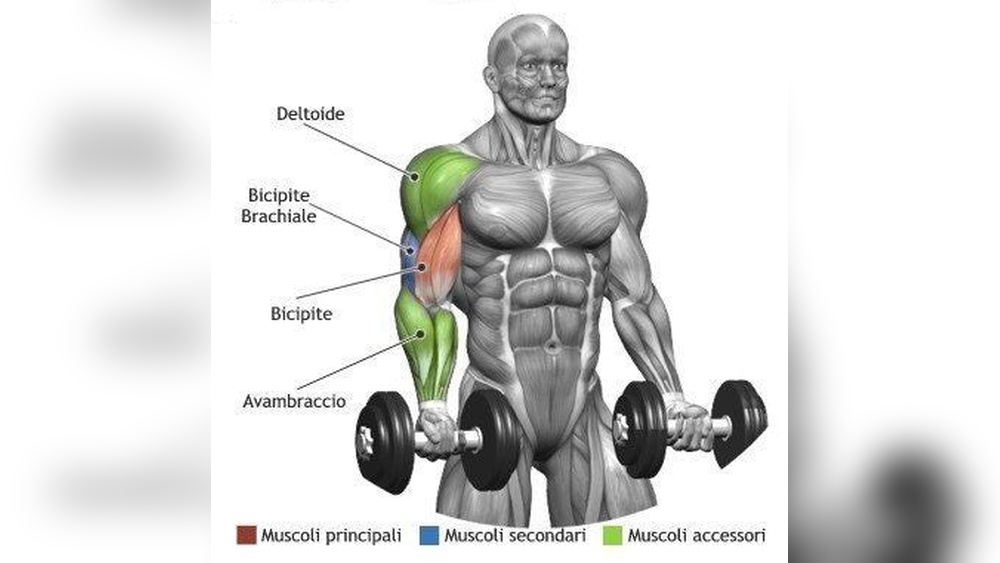
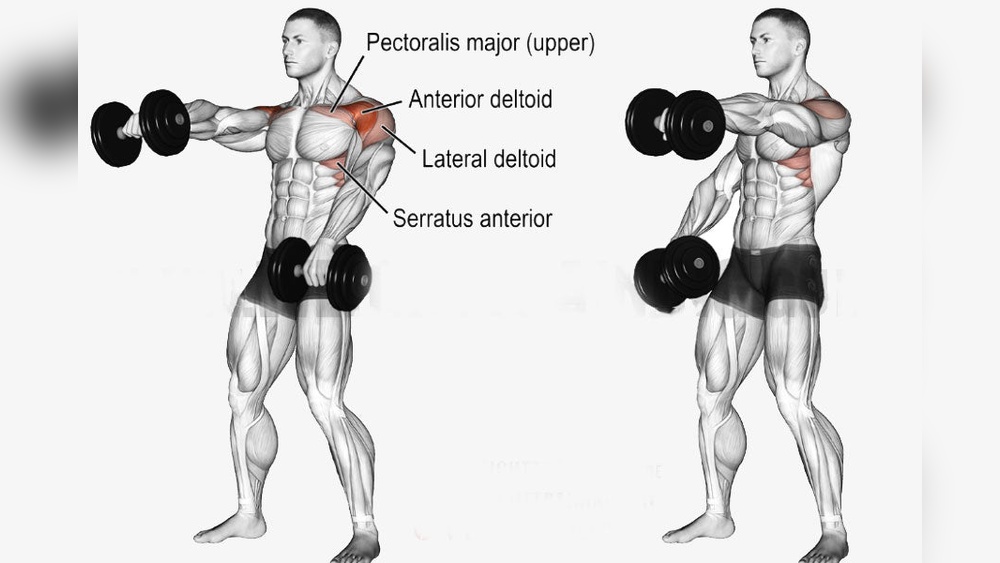
Muscle groups vary in strength and size. Larger muscles like legs and back need heavier dumbbells. Smaller muscles like biceps and shoulders require lighter weights. Start with lighter dumbbells for small muscles to avoid strain.
Adjust weight to match the muscle group’s capacity. This helps build balanced strength safely and steadily.
Weight Variation By Exercise
Some exercises demand more control, needing lighter dumbbells. Others allow heavier weights for strength gains. For example, dumbbell curls need less weight than squats. Choose a weight you can lift with good form for the entire set.
Switch weights depending on the exercise to maintain proper technique and avoid fatigue.
Incorporating Dumbbells Into Full-body Workouts
Full-body workouts use multiple exercises targeting different muscles. Use a range of dumbbell weights for varied movements. This approach challenges your whole body effectively.
Start with moderate weights that let you complete all exercises without losing form. Adjust weights as you grow stronger for balanced progress.
Progression And Adjustment
Progression and adjustment are essential parts of strength training. Starting with the right dumbbell size is only the first step. To keep improving, you must increase your weights over time. This helps your muscles grow stronger and prevents workouts from becoming too easy. Paying attention to your body and performance guides you when to adjust your dumbbell size.
Signs To Increase Weight
Notice if your current dumbbells feel too light. If you can do more than 12 reps easily, it is time to increase the weight. When exercises no longer challenge your muscles, progress slows down. Also, if your form stays perfect and you feel no muscle fatigue, raise the dumbbell size.
Gradual Weight Increments
Increase dumbbell weight in small steps to avoid injury. Adding 2 to 5 pounds is a safe way to progress. Gradual increments allow your muscles to adapt. This steady approach helps build strength without overwhelming your body. Always test the new weight to ensure you can still maintain good form.
Avoiding Plateaus
Sticking with the same dumbbell weight too long causes plateaus. Your muscles get used to the load and stop growing. Changing weights keeps muscles guessing and growing. Mixing different weights in your workout also prevents boredom. Keep challenging yourself to see continuous improvement.
Credit: trugrit-fitness.com
Form And Safety Tips
Choosing the right dumbbell size is important for safe workouts. Proper form and safety tips help avoid injuries and build strength efficiently. This section covers key points to keep your training safe and effective.
Maintaining Proper Technique
Always focus on correct posture during exercises. Keep your back straight and core tight. Move slowly and control the weight. Avoid using momentum to lift dumbbells. Proper technique targets muscles and reduces strain. Practice exercises without weights first. Use a mirror to check your form. Correct technique helps you gain strength safely.
Preventing Injuries
Start with light weights to prevent muscle strain. Warm up your muscles before lifting. Stretch after your workout to keep muscles flexible. Use smooth, controlled movements only. Stop if you feel sharp pain or discomfort. Rest between sets to avoid overuse injuries. Keep your wrists and joints stable. Proper footwear helps maintain balance during exercises.
Listening To Your Body
Pay attention to how your body feels during workouts. If a weight feels too heavy, lower it. Fatigue is normal, but sharp pain is not. Take breaks if you feel dizzy or weak. Gradually increase dumbbell size as you get stronger. Rest days help muscles recover and grow. Stay hydrated and eat well to support training.
Additional Guidance
Choosing the right dumbbell size is just the start of your fitness journey. Additional guidance can help you make better decisions and stay motivated. It supports safe training and steady progress. Here are some key tips to keep in mind.
Consulting Fitness Professionals
Fitness experts provide personalized advice based on your goals. Trainers can assess your strength and suggest suitable weights. They also teach correct form to avoid injuries. Getting help ensures you start with the right dumbbell size. This makes your workouts more effective and safe.
Tracking Your Progress
Keep a simple record of your workouts and weights used. Note how many reps and sets you complete with ease. If exercises feel too easy, increase the dumbbell weight gradually. Tracking progress helps you stay focused and motivated. It shows how your strength improves over time.
Combining Dumbbells With Other Equipment
Using different tools adds variety to your workouts. Resistance bands, kettlebells, or bodyweight exercises complement dumbbell training. This mix targets muscles differently and prevents boredom. Combining equipment improves overall fitness and muscle balance.

Credit: www.stylist.co.uk
Credit: trugrit-fitness.com
Frequently Asked Questions
Are 2kg Weights Enough To Tone Arms For A Female?
Yes, 2kg weights can tone arms for females, especially beginners. Gradually increase weight for continued muscle progress and strength.
Should I Start With 3 Or 5 Lb Weights?
Start with 3 lb weights if you’re new or focus on toning. Choose 5 lb weights to build muscle strength gradually. Select a weight that allows proper form and controls movement comfortably. Increase weight as you get stronger to keep challenging your muscles effectively.
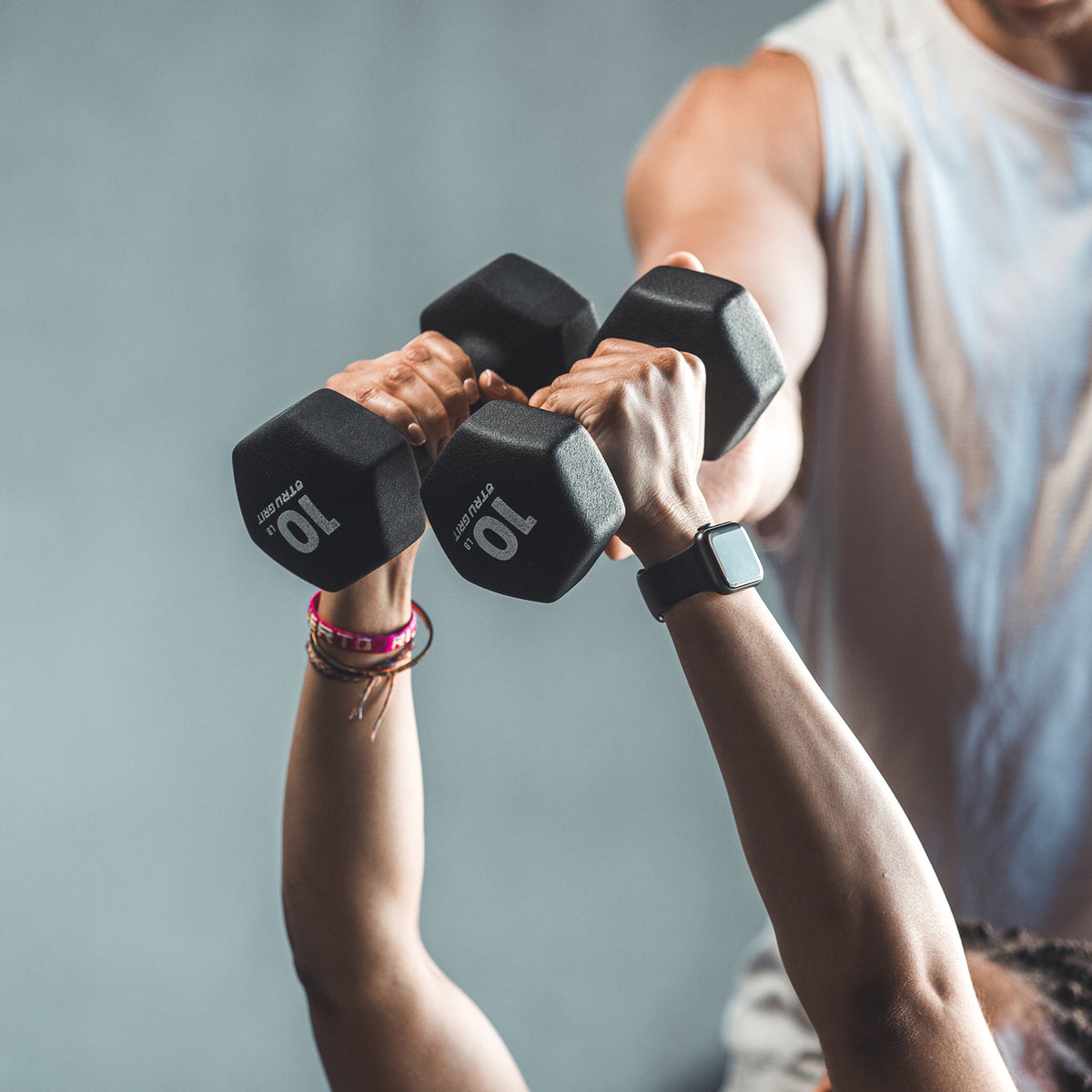
Is A 10lb Dumbbell Good For Beginners?
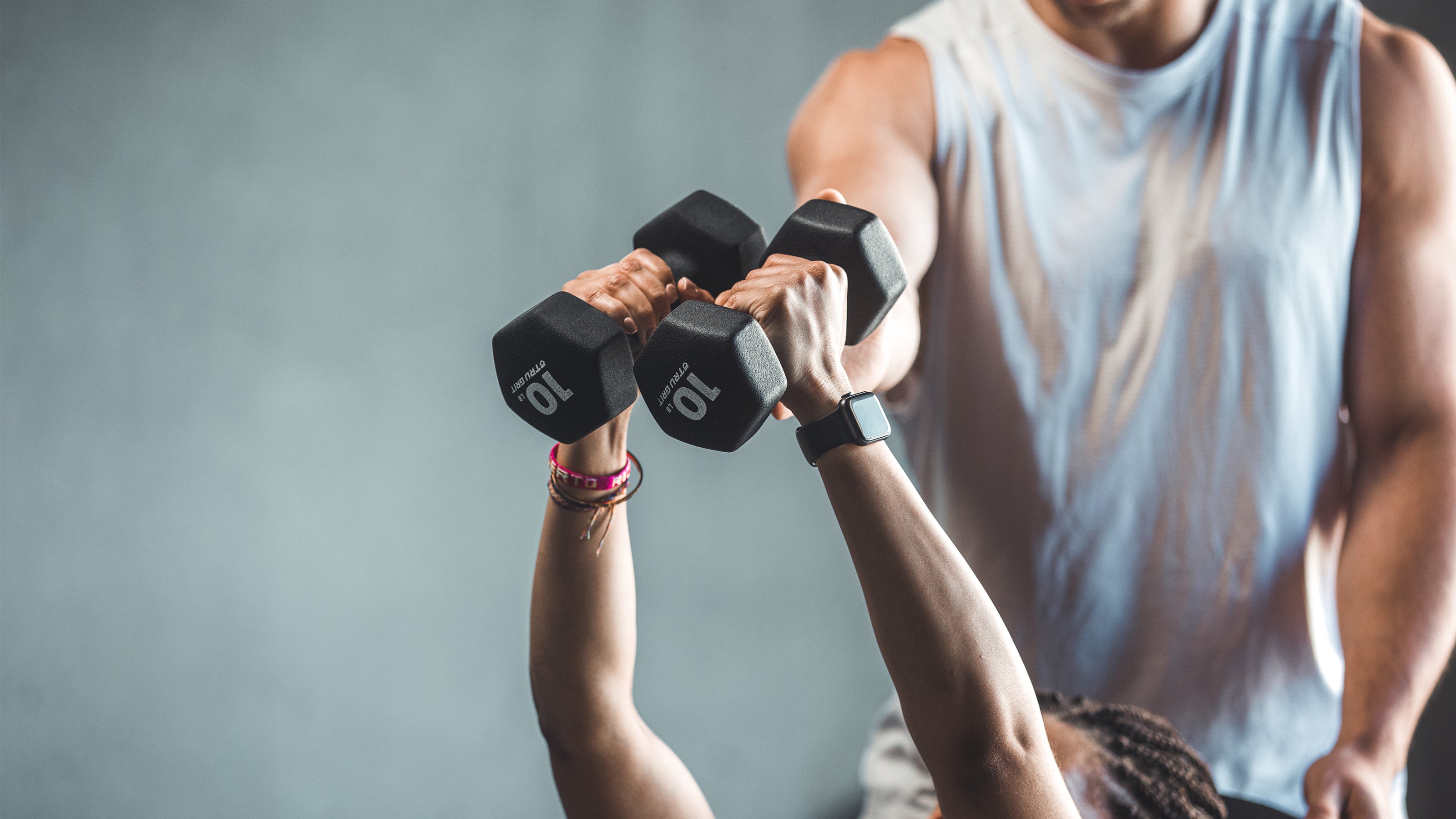
A 10lb dumbbell suits many beginners. It builds strength without causing strain. Adjust weight based on comfort and goals.
Are 20lb Dumbbells Enough To Build Muscle?
Yes, 20lb dumbbells can build muscle if you maintain proper form and progressively increase resistance. Adjust weight as you grow stronger.
Conclusion
Choosing the right dumbbell size sets the stage for progress. Start with weights that feel challenging but safe. Focus on good form to avoid injury. Adjust weights as your strength grows. Small steps lead to big gains over time. Keep your workouts consistent and enjoy the journey.
Your body will thank you for it.