If you’ve ever picked up a pair of dumbbells, you might have done curls without fully knowing what muscles you’re actually working. Understanding exactly what muscles dumbbell curls target can help you get better results and avoid injury.
When you do dumbbell curls, you’re not just building bigger arms—you’re activating key muscles that improve your strength and appearance. Curious about which muscles get the most benefit and how to maximize your workout? Keep reading, because knowing the muscle groups behind this simple move will transform the way you train your arms.

Credit: www.strengthlog.com
Primary Muscles Worked
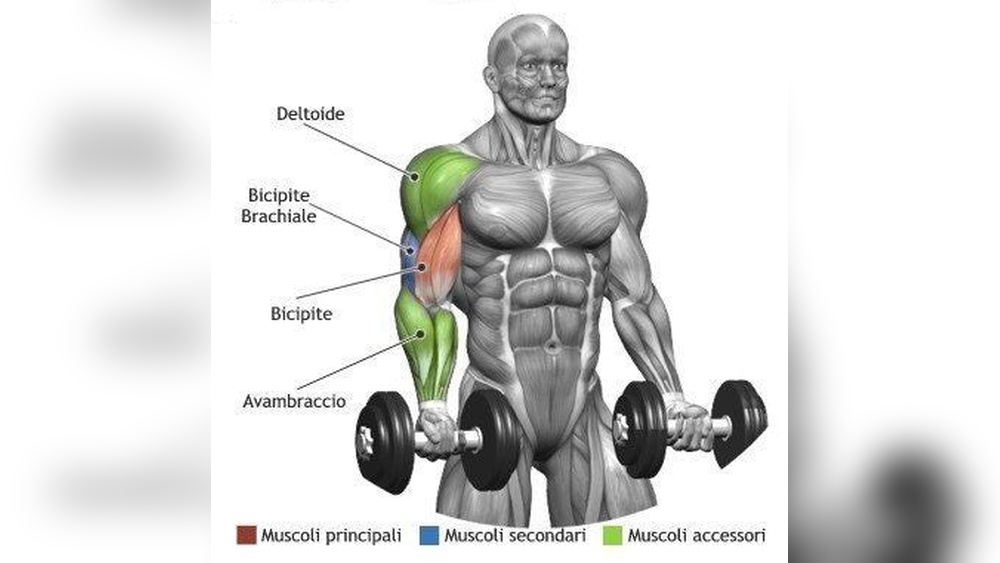
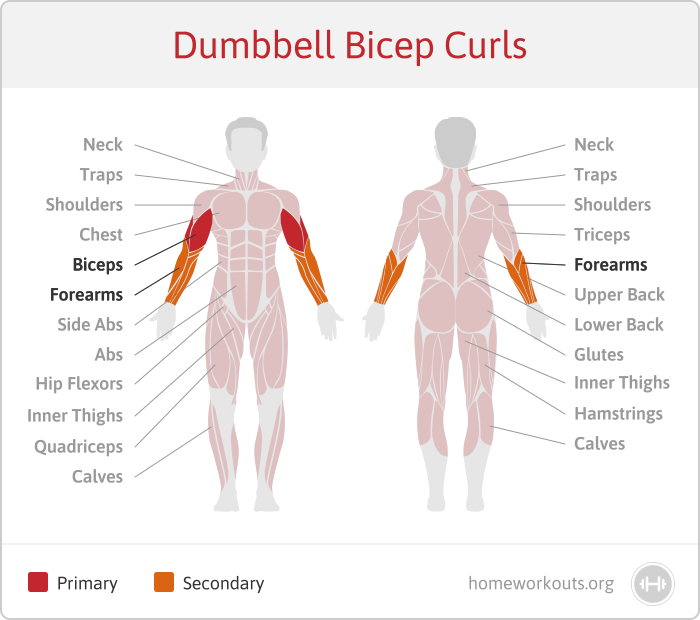
Dumbbell curls target several key muscles in your arms. These muscles work together to bend your elbow and lift the weight. Understanding the primary muscles worked helps you focus on proper form and get better results.
Biceps Brachii
The biceps brachii is the main muscle worked during dumbbell curls. It has two heads: the long head and the short head. This muscle controls the bending of your elbow and helps turn your palm upward. Strong biceps improve arm strength and appearance.
Brachialis
The brachialis lies beneath the biceps brachii. It assists in bending the elbow. This muscle adds thickness to the upper arm. Training the brachialis helps create fuller, more balanced arms.
Forearm Flexors
Forearm flexors are the muscles on the inside of your forearm. They help grip the dumbbell tightly during curls. These muscles also assist in bending the wrist. Strengthening forearm flexors improves grip and arm control.
Biceps Anatomy
The biceps are a key muscle group in the upper arm. They play a major role in arm strength and movement. Understanding the biceps anatomy helps you target these muscles effectively with dumbbell curls. The biceps have two main parts and an important muscle underneath that assist in arm flexion.
Long Head
The long head of the biceps runs along the outer part of the arm. It gives the biceps its peak shape. This head starts at the shoulder and attaches to the upper arm bone. Dumbbell curls work this part by bending the elbow and lifting the weight. Strengthening the long head improves arm size and strength.
Short Head
The short head lies on the inner part of the biceps. It starts from a different point on the shoulder blade. This head adds thickness to the biceps. Dumbbell curls also engage the short head, especially when the palms face upward. Training the short head gives the arm a fuller look.
Brachialis Location
The brachialis is a muscle under the biceps. It sits between the biceps and the elbow. This muscle helps to bend the elbow. Dumbbell curls target the brachialis, which makes the arm stronger and more defined. Building the brachialis can push the biceps up for a bigger arm appearance.
Dumbbell Curl Variations
Dumbbell curls target the biceps, but different variations work the muscles in unique ways. Using various curls helps develop strength and size evenly. Each variation focuses on specific parts of the arm muscles. This variety keeps workouts fresh and effective. Below are common dumbbell curl variations and the muscles they engage.
Standard Dumbbell Curl
The standard dumbbell curl mainly works the biceps brachii. This muscle creates the classic “bicep peak.” It also activates the brachialis, a muscle under the biceps. The forearm muscles assist in gripping the dumbbell. This curl uses a supinated grip, palms facing up. It is a great starting point for arm training.
Incline Dumbbell Curl
Incline dumbbell curls stretch the biceps more than standard curls. Sitting on an incline bench helps isolate the long head of the biceps. This position reduces momentum, making the muscles work harder. The brachialis also gets a strong workout. This variation improves arm shape and size.
Hammer Curl
Hammer curls use a neutral grip, with palms facing each other. This targets the brachialis and brachioradialis muscles more than the biceps. These muscles add thickness to the upper arm and forearm. Hammer curls improve grip strength and arm stability. They balance the look and strength of your arms.
Concentration Curl
Concentration curls isolate the biceps for focused muscle work. Sitting down with the arm braced against the thigh limits movement. This strict form boosts biceps peak development. It reduces the use of other muscles during the lift. Concentration curls help improve muscle control and definition.

Credit: www.dmoose.com
Muscle Activation By Variation
Dumbbell curls activate different muscles depending on how you perform them. Small changes in wrist position or grip can shift the focus to various parts of the arm. This section breaks down how each variation targets specific muscles. Understanding this helps you train smarter and build balanced arms.
Targeting The Long Head
The long head of the biceps runs along the outer side of your upper arm. Using a wide grip or turning your wrist outward during curls targets this muscle. It helps create the peak shape of the biceps. Stretching the long head before curling increases activation.
Emphasizing The Short Head
The short head lies on the inner side of the biceps. To focus here, keep your elbows close and use a narrow grip. Turning your palms inward or slightly forward during curls also emphasizes this muscle. It adds thickness to the front of your arm.
Engaging The Brachialis
The brachialis is a muscle underneath the biceps. It pushes the biceps upward and adds arm size. Hammer curls, where palms face each other, work the brachialis well. This variation reduces wrist strain and builds strength in the elbow flexors.
Forearm Involvement
Forearm muscles help stabilize the wrist during curls. Variations like reverse curls, with palms facing down, engage the forearm extensors. Strong forearms improve grip and overall arm function. Regular dumbbell curls also work the forearm flexors but to a lesser degree.
Comparing Dumbbell And Barbell Curls
Dumbbell and barbell curls both target the biceps, but they differ in muscle activation and benefits. Choosing between them depends on your workout goals and preferences. Understanding these differences helps maximize your arm training.
Muscle Engagement Differences
Dumbbell curls work each arm independently. This increases the activation of stabilizer muscles. They also allow a natural wrist rotation, engaging the brachialis and brachioradialis more. Barbell curls involve both arms together. This often leads to heavier lifting and more biceps brachii activation. However, the wrist position stays fixed, limiting forearm muscle engagement.
Benefits Of Dumbbells
Dumbbells improve muscle balance by isolating each arm. They reduce strength imbalances and improve coordination. The free movement helps reduce joint strain and allows varied grip styles. Dumbbell curls also engage more stabilizer muscles for better overall arm strength. They suit beginners and advanced lifters alike.
Benefits Of Barbells
Barbells allow heavier weights, which helps build raw strength. They support a more controlled and stable movement pattern. This can lead to greater muscle overload in the biceps. Barbells also simplify tracking progress by using both arms at once. They are ideal for focused biceps growth and strength gains.
Proper Form Tips
Maintaining proper form during dumbbell curls is essential for targeting the right muscles and preventing injury. Good technique ensures your biceps and supporting muscles work effectively. Focus on small details that impact performance and safety.
Elbow Position
Keep your elbows close to your body throughout the curl. Avoid letting them drift forward or outward. This position isolates the biceps and reduces strain on your shoulders. Stable elbows help you lift more weight safely.
Wrist Alignment
Hold the dumbbells with a neutral wrist position. Your wrists should not bend backward or forward. Straight wrists reduce stress and allow better control of the dumbbell. Proper alignment prevents discomfort and injury.
Controlled Movement
Lift the dumbbells slowly and lower them with control. Avoid using momentum or swinging your body. Smooth, steady motion keeps tension on the muscles for better growth. Controlled reps improve strength and muscle tone.
Breathing Technique
Exhale as you curl the dumbbells up. Inhale while lowering them back down. Proper breathing supports your effort and stabilizes your core. This technique helps maintain energy and focus during each set.
Common Mistakes To Avoid
Performing dumbbell curls correctly is key to building strong, defined biceps. Many people make simple errors that reduce results and increase injury risk. Avoiding common mistakes helps target the right muscles effectively. Focus on form and control for better gains.
Swinging The Body
Swinging the body to lift weights takes stress off the biceps. It uses momentum, not muscle strength. This lowers workout effectiveness and can hurt your back. Keep your torso still and let your arms do the work. Stand straight and control each curl slowly.
Overusing Momentum
Using momentum to lift dumbbells reduces muscle tension. It turns a controlled exercise into a quick jerk. This habit limits muscle growth and wastes effort. Lift weights steadily and lower them slowly. Feel the muscles work during the entire movement.
Incomplete Range Of Motion
Not curling the dumbbell fully shortens muscle activation. Partial reps train less muscle and slow progress. Extend your arms fully at the start and curl up completely. A full range of motion builds strength and size evenly. Don’t rush; use smooth, complete reps.
Incorrect Grip
Gripping dumbbells wrongly shifts work away from the biceps. Holding too tight or too loose changes muscle focus. Use a firm but relaxed grip. Keep your wrists straight and aligned with your forearms. This ensures the biceps get the full workout.
Complementary Exercises
Complementary exercises help target muscles that dumbbell curls may miss. They improve overall arm strength and balance. Including these exercises in your routine builds fuller, stronger arms. These moves focus on different parts of the biceps and supporting muscles.
Weighted Chin-ups
Weighted chin-ups engage your biceps and back muscles. They add resistance by using weights attached to your body. This exercise strengthens the entire arm and improves grip. It also works the brachialis, which lies under the biceps.
Preacher Curls
Preacher curls isolate the biceps by stabilizing your arms. This limits cheating and helps focus on muscle contraction. It targets the lower part of the biceps for better shape. This exercise reduces momentum, making the muscles work harder.
Barbell Curls
Barbell curls use both arms at the same time for balanced strength. They allow you to lift heavier weights than dumbbells. This exercise targets the biceps brachii and brachialis muscles. It also helps improve muscle endurance and size.
Hammer Curls
Hammer curls focus on the brachialis and forearm muscles. They use a neutral grip, which reduces wrist strain. This exercise adds thickness to your upper arm. It also improves forearm strength and grip stability.
Building Balanced Arms
Building balanced arms is key to strong and attractive muscles. Dumbbell curls help develop not just the biceps but also surrounding muscles. This creates arms that look full and perform well in daily tasks and sports.
Focusing on different parts of the arm ensures even growth. It reduces risk of injury and improves overall arm function. Let’s explore how dumbbell curls target various muscles for balanced arms.
Targeting All Bicep Heads
Dumbbell curls work both the long head and short head of the biceps. The long head gives the arm its peak shape. The short head adds thickness to the inner arm. Using dumbbells allows you to rotate your wrists. This rotation hits both heads effectively. Balanced growth comes from training both bicep heads equally.
Incorporating Forearm Training
Forearms support wrist and hand movements. Dumbbell curls also engage forearm muscles as secondary movers. The brachialis muscle, under the biceps, pushes the arm outward. This muscle adds size and strength to the forearm area. Training forearms improves grip and lifting power. Dumbbell curls help strengthen these important muscles naturally.
Balancing Strength And Size
Balanced arms need both strength and muscle size. Dumbbell curls build muscle size by isolating the biceps. Using different curl variations can increase muscle endurance and strength. For example, slow reps increase time under tension. Faster reps improve power and speed. Mixing these styles creates arms that look strong and perform well.
Credit: homeworkouts.org
Frequently Asked Questions
What Muscle Do Dumbbell Curls Build?
Dumbbell curls primarily build the biceps brachii, focusing on the upper arm’s front muscles. They also engage the brachialis and forearm flexors.
Is A 20 Pound Bicep Curl Good?
A 20-pound bicep curl is good for beginners and helps build strength and muscle endurance effectively.
What Exercise Hits All Three Bicep Heads?
Weighted chin-ups and barbell curls effectively target all three bicep heads by combining elbow and shoulder flexion. Combine preacher curls and hammer curls to fully develop the short head and brachialis for balanced bicep growth.
Do Bicep Curls Give You Bigger Arms?
Bicep curls primarily target the biceps, promoting muscle growth and bigger arms with consistent training. Combine with varied exercises for best results.
Conclusion
Dumbbell curls mainly work the biceps and brachialis muscles. They also engage the forearm muscles to help grip. This simple exercise helps build arm strength and shape. Using proper form ensures better results and fewer injuries. Try adding dumbbell curls to your routine for stronger, more defined arms.
Consistency matters most to see real muscle growth over time. Keep your movements controlled and focus on the muscles working. Small steps lead to big improvements in your arm fitness.