
If you want a stronger, more defined back but don’t have access to a full gym, dumbbells can be your secret weapon. You might wonder, “Can I really build a powerful back using just dumbbells?” The answer is a resounding yes.
With the right moves and techniques, dumbbells can help you target every part of your back—from your lats and traps to your rhomboids and rear delts. In this guide, you’ll discover simple, effective exercises that fit your routine, whether you’re working out at home or on the go.
Ready to unlock your back’s full potential? Keep reading and learn how to work back with dumbbells like a pro.

Credit: www.youtube.com
Benefits Of Dumbbell Back Training
Training your back with dumbbells offers many benefits. It helps build strength and improve posture. Dumbbells allow for natural movement and better muscle control. You can target different muscles with various exercises. This makes dumbbell back training effective for all fitness levels.
Improved Muscle Balance
Dumbbells force each side of your body to work independently. This helps fix muscle imbalances. Balanced muscles reduce the risk of injury. They also improve overall strength and performance. Using dumbbells ensures both sides develop equally and correctly.
Increased Range Of Motion
Dumbbells allow a greater range of motion than machines. You can move your arms freely in all directions. This helps stretch and strengthen muscles fully. A bigger range of motion leads to better muscle growth. It also improves flexibility and joint health.
Convenience And Accessibility
Dumbbells are easy to use at home or in the gym. They do not require complex machines or setups. You can perform many back exercises with just one pair. Dumbbells are also affordable and portable. This makes back training simple and available anytime.

Credit: www.youtube.com
Key Back Muscles To Target
Targeting the right back muscles is crucial for a strong, balanced physique. Using dumbbells effectively can help you work these muscles well. Focus on key areas to improve both width and thickness. This approach supports better posture and reduces injury risk.
Latissimus Dorsi
The latissimus dorsi, or lats, are the broad muscles on your back. They help pull your arms down and back. Dumbbell rows and pullover exercises activate these muscles. Strong lats create a wider, V-shaped back.
Trapezius
The trapezius muscles cover your upper back and neck. They control shoulder blade movement and neck support. Dumbbell shrugs and rows target the traps effectively. Developing traps improves your upper back thickness and posture.
Rhomboids
Rhomboids lie between your shoulder blades. They pull the shoulder blades together and stabilize them. Dumbbell rows and reverse flys engage the rhomboids well. Strengthening these muscles enhances mid-back strength and posture.
Rear Deltoids
The rear deltoids are the back part of your shoulder muscles. They assist in shoulder rotation and arm movement. Dumbbell reverse flys and rows help build these muscles. Strong rear delts improve shoulder balance and upper back shape.
Essential Dumbbell Back Exercises
Building a strong back is possible with just dumbbells. The right exercises target all major back muscles. These moves improve strength and posture. They also reduce the risk of injuries.
Focus on exercises that work different angles. This ensures balanced muscle growth. Below are essential dumbbell exercises for your back routine.
Single-arm Dumbbell Row
Hold a dumbbell in one hand. Bend over with a flat back. Pull the dumbbell toward your waist. Lower it slowly and repeat. This move targets the lats and rhomboids.
Bent-over Dumbbell Row
Hold a dumbbell in each hand. Bend forward at the hips. Keep your back straight. Pull both dumbbells up to your chest. This works the mid-back and rear shoulders.
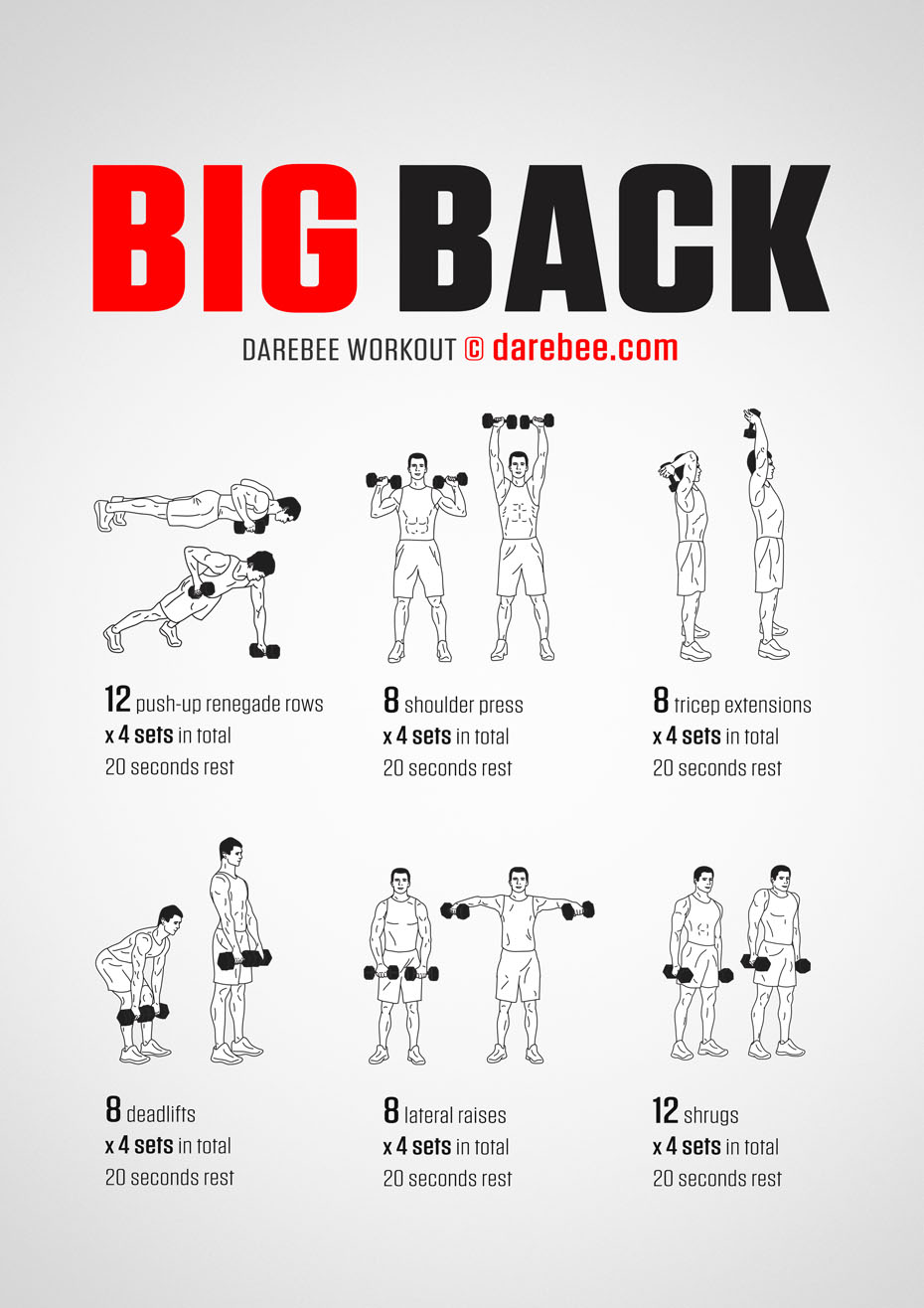
Renegade Row
Start in a plank position with dumbbells in hands. Row one dumbbell up while balancing on the other. Lower it back down and switch arms. It builds core and back strength.
Dumbbell Pullover
Lie on a bench or floor. Hold one dumbbell with both hands above your chest. Slowly lower it behind your head. Lift it back to start. This targets the lats and chest muscles.
Dumbbell Reverse Fly
Bend over slightly with dumbbells in both hands. Keep arms slightly bent. Lift dumbbells out to the sides. Squeeze your shoulder blades together. This strengthens the rear delts and upper back.
Dumbbell Shrugs
Stand straight holding dumbbells at your sides. Lift your shoulders towards your ears. Hold for a moment then lower. This exercise targets the traps for a powerful upper back.
Proper Form And Technique Tips
Proper form and technique are vital when working your back with dumbbells. Using the right posture and controlled movements prevents injuries. It also helps target the muscles effectively. Focus on your spine, movement speed, and breathing. These elements work together to improve your workout.
Maintaining Neutral Spine
Keep your spine in a neutral position during exercises. Avoid rounding or arching your back. A straight spine protects your lower back from strain. Engage your core muscles to support your posture. This position helps you lift more weight safely. It also maximizes muscle activation in your back.
Controlling Movement Speed
Move the dumbbells slowly and steadily. Fast or jerky motions increase injury risk. Controlled speed improves muscle tension and growth. Lower the weights slowly to increase time under tension. This technique enhances muscle strength and endurance. Focus on smooth, deliberate movements for best results.
Breathing Patterns
Breathe out during the lifting phase of the exercise. Inhale as you lower the dumbbells back down. Proper breathing supports core stability and oxygen flow. Holding your breath can raise blood pressure. Controlled breathing helps maintain focus and rhythm. It also improves overall exercise efficiency.
Structuring Your Dumbbell Back Workout
Structuring your dumbbell back workout is essential for effective muscle growth and strength. A well-planned routine ensures balanced development and reduces injury risk. Focus on warming up, selecting the right exercises, and managing sets and rest times.
Warm-up Routine
Start with light cardio to increase blood flow. Perform dynamic stretches targeting your shoulders and back. Include shoulder rolls and arm circles. Do a few warm-up sets with light dumbbells. This prepares muscles for heavier lifts.
Exercise Selection And Order
Choose exercises that target all back areas: lats, traps, and rhomboids. Begin with compound movements like dumbbell rows. Follow with isolation exercises such as reverse flys. Place heavier, multi-joint exercises first. This maximizes energy and strength use.
Sets, Reps, And Rest Periods
Perform 3 to 4 sets per exercise. Aim for 8 to 12 reps for muscle growth. Keep rest between sets at 60 to 90 seconds. Short rest improves endurance and muscle pump. Adjust weight to maintain proper form throughout.
Progressive Overload Strategies
Progressive overload is key to building a stronger back with dumbbells. It means gradually increasing the stress on your muscles to make them grow. This approach helps prevent plateaus and reduces injury risk. Use different methods to challenge your muscles safely and effectively.
Increasing Weight Safely
Start with a weight you can lift with good form. Increase the weight in small steps, about 5%. Avoid jumping to heavy weights quickly. This prevents strain and injury. Focus on controlled movements and proper technique. If form breaks down, reduce the weight to stay safe.
Adjusting Volume And Intensity
Volume means the total number of reps and sets. Intensity refers to how hard the exercise feels. Increase volume by adding more sets or reps over time. Raise intensity by slowing down your reps or shortening rest periods. Changing these factors challenges your muscles in new ways.
Tracking Progress
Keep a workout journal or use an app. Record weights, reps, and how you feel during exercises. Tracking helps you see improvements and know when to increase difficulty. Review your progress regularly to stay motivated. Small, steady gains lead to big results over time.
Common Mistakes To Avoid
A strong back requires proper dumbbell technique. Avoiding common mistakes helps you gain strength safely. Many people make errors that reduce workout benefits or cause injury. Focus on form and control for best results.
Using Momentum Instead Of Muscle
Swinging dumbbells uses momentum, not muscles. It reduces muscle activation and growth. Move slowly and control each rep. Feel your back muscles working throughout the motion. Avoid jerky movements or fast pulls.
Neglecting Scapular Control
Good scapular control stabilizes your shoulder blades. Many forget to engage this area during rows. Keep your shoulder blades squeezed and down. This protects your joints and targets your back muscles well. Avoid letting your shoulders rise or roll forward.
Overtraining And Insufficient Recovery
Training your back every day can cause fatigue and injury. Muscles need rest to grow and repair. Plan rest days and listen to your body. Avoid pushing through pain or extreme soreness. Balanced training and recovery improve strength and prevent burnout.
Credit: gramfacility.com
Integrating Dumbbell Back Workouts With Other Training
Integrating dumbbell back workouts with other training enhances strength and overall fitness. Combining different training methods prevents plateaus and promotes balanced muscle growth. A well-rounded routine improves posture and reduces injury risk. Here are ways to mix dumbbell back exercises with other workouts for best results.
Complementing With Bodyweight Exercises
Bodyweight exercises build functional strength and improve muscle endurance. Pull-ups and inverted rows target the back using your body weight. These exercises activate muscles differently than dumbbells. They improve grip strength and coordination. Adding bodyweight moves creates variety and challenges your muscles in new ways.
Combining With Cardio And Core Work
Cardio boosts heart health and burns fat, revealing toned muscles. Include moderate cardio sessions on non-lifting days or after workouts. Core exercises stabilize your spine and support back strength. Planks and bird dogs enhance core stability. Pairing dumbbell back workouts with cardio and core builds a strong, lean physique.
Balancing Push And Pull Movements
Balance push and pull exercises to avoid muscle imbalances. Dumbbell rows are pulling motions focusing on the back. Counter them with push exercises like dumbbell presses or push-ups. Balanced training improves posture and shoulder health. It also ensures your muscles work in harmony for daily activities.
At-home Dumbbell Back Workout Examples
Training your back at home with dumbbells can be simple and effective. Dumbbells let you target key muscles like lats, traps, and rhomboids. You only need a small space and a pair of dumbbells. Different routines fit different skill levels and goals.
Below are workout examples for beginners, intermediate, and advanced exercisers. Each routine focuses on building strength and improving muscle tone. Use these workouts to guide your at-home back training with dumbbells.
Beginner Routine
- Single-Arm Dumbbell Row: 3 sets of 10 reps per side
- Bent-Over Dumbbell Reverse Fly: 3 sets of 12 reps
- Dumbbell Deadlift: 3 sets of 10 reps
- Superman Hold: 3 sets of 20 seconds
Rest 60 seconds between sets. Focus on slow, controlled movements. Keep your back straight and core tight.
Intermediate Routine
- Renegade Rows: 4 sets of 12 reps per side
- Bent-Over Dumbbell Rows: 4 sets of 10 reps
- Dumbbell Shrugs: 4 sets of 15 reps
- Reverse Fly with Hold: 3 sets of 15 reps with 5-second hold at top
Rest 45 seconds between sets. Increase dumbbell weight slightly. Keep your movements steady and full range.
Advanced Routine
- Single-Leg Dumbbell Deadlift: 4 sets of 12 reps per leg
- Renegade Rows with Push-Up: 4 sets of 15 reps
- Bent-Over Rows with Pause: 4 sets of 12 reps with 3-second pause
- Dumbbell Pullover: 4 sets of 12 reps
Rest 30 seconds between sets. Use heavier dumbbells for more challenge. Maintain good form to avoid injury.
Tips For Back Muscle Recovery
Recovering your back muscles after working out with dumbbells is essential. Proper recovery helps reduce soreness and prevents injuries. It also improves muscle growth and strength. Follow these tips to support your back muscle recovery effectively.
Stretching And Mobility
Stretch your back muscles gently after each workout. Focus on slow, controlled movements to avoid strain. Stretching increases blood flow and reduces tightness. Include mobility exercises to keep your joints flexible. Try cat-cow stretches and child’s pose for better spine movement.
Nutrition And Hydration
Eat protein-rich foods to help repair muscles. Include lean meats, beans, and nuts in your meals. Drink plenty of water to stay hydrated. Hydration supports muscle function and speeds up recovery. Avoid sugary drinks that can slow healing.
Rest And Sleep
Give your back muscles time to heal by resting. Avoid heavy lifting on recovery days. Aim for 7 to 9 hours of sleep every night. Sleep helps your body repair and build muscle. A good rest routine reduces fatigue and improves performance.
Frequently Asked Questions
Can You Build A Back With Dumbbells?
Yes, you can build a strong back using dumbbells. Exercises like single-arm rows target lats, traps, and rhomboids effectively.
How Can I Tone My Back Quickly?
Tone your back quickly by doing dumbbell rows, bent-over flys, planks with rows, superman exercises, and side plank raises regularly. Focus on proper form and progressively increase weight for best results. Combine strength training with a balanced diet to enhance muscle definition fast.
What Are The Big 3 Back Exercises?
The big 3 back exercises are deadlifts, pull-ups, and bent-over rows. They target major back muscles effectively.
Are Dumbbells Enough For The Back?
Dumbbells effectively target back muscles through rows, pullovers, and shrugs. They build strength and size with proper technique and progression.
Conclusion
Working your back with dumbbells builds strength and improves posture. Focus on proper form to avoid injury. Include rows, pullovers, and fly exercises in your routine. Start with lighter weights and increase gradually. Consistency helps you see steady progress over time.
Dumbbells offer a simple, effective way to train your back at home. Keep your movements controlled and breathe steadily throughout. Enjoy stronger muscles and better back health with regular dumbbell workouts.


