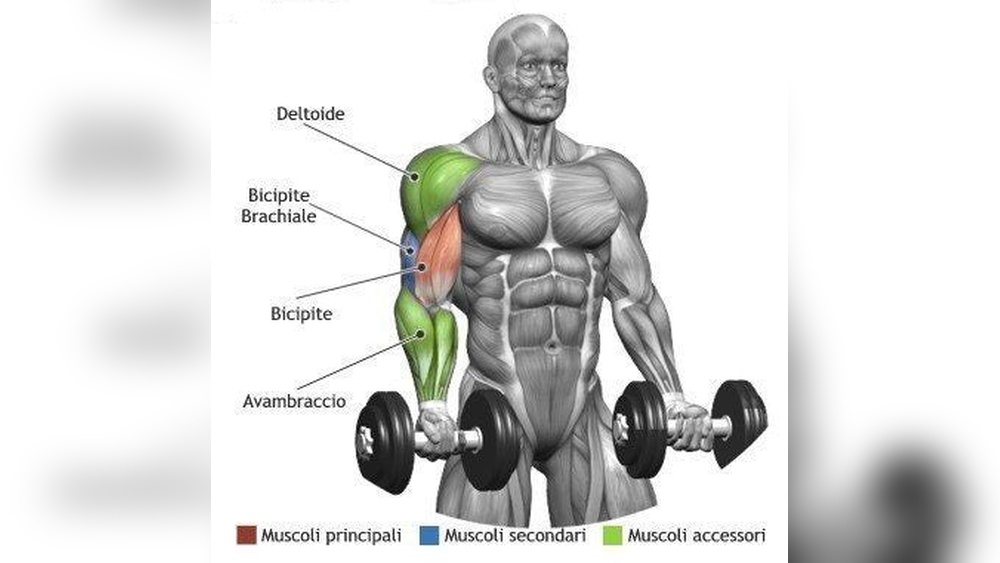
Wondering how many dumbbell sets you should be doing to get the best results? You’re not alone.
Whether your goal is to build muscle, increase strength, or just stay fit, the number of sets you perform can make a big difference. But it’s not just about doing more—it’s about doing the right amount for your body and your goals.
You’ll discover how to find that perfect balance, avoid common mistakes, and optimize your workouts so every rep counts. Ready to get the most out of your dumbbell routine? Let’s dive in.

Credit: www.youtube.com
Dumbbell Sets For Muscle Growth
Dumbbell sets play a vital role in building muscle. The right number of sets can boost strength and size. Training too little or too much can slow progress. Finding the balance is key to muscle growth.
Muscle growth happens when muscles face enough challenge to adapt. Dumbbell exercises must be done with enough volume and effort. This helps muscles grow stronger and bigger over time.
Optimal Sets Per Exercise
For muscle growth, aim for three to six sets per exercise. This range provides enough volume to stress muscles well. Beginners can start with three sets and increase gradually. Too few sets may not cause enough muscle fatigue. More than six sets risk overtraining and slower recovery. Keep rest periods between sets moderate to maintain intensity.
Balancing Volume And Intensity
Volume means total sets and reps done per workout. Intensity means the weight load used. Both must balance for muscle growth. High volume with low weight may not build much muscle. Heavy weights with very low volume may cause injury. Use moderate to heavy weights with controlled reps. Adjust sets based on how your body feels and recovers. Quality beats quantity for lasting results.
Credit: builtwithscience.com
Rep Ranges And Goals
Choosing the right rep range depends on your fitness goals. Each range targets different aspects of muscle development and endurance. Understanding these rep ranges helps in deciding how many dumbbell sets to perform. It also guides your workout intensity and recovery needs.
Hypertrophy Rep Range
The hypertrophy rep range usually falls between 6 and 12 repetitions per set. This range focuses on muscle growth by causing muscle fibers to grow bigger. Using moderate weights with this rep range creates muscle fatigue effectively.
Performing 3 to 4 sets in this range is common to maximize muscle size. Rest periods of 30 to 90 seconds help maintain muscle tension. Consistency with this rep range encourages noticeable muscle gain over time.
Strength And Endurance Variations
Strength training uses lower reps, typically 1 to 5 per set, with heavier weights. This approach builds raw power and increases muscle density. Completing 3 to 6 sets with longer rest (2 to 5 minutes) supports strength gains.
Endurance training uses higher reps, usually 12 to 20 or more, with lighter weights. This improves muscle stamina and cardiovascular fitness. Around 2 to 4 sets with short rest (30 seconds or less) suits endurance goals.
Adjust dumbbell sets based on the goal: fewer sets for endurance, more for strength and hypertrophy. Mixing rep ranges in your routine can also provide balanced muscle development.
Workout Frequency And Structure
Planning how often and how many dumbbell sets to do shapes your workout results. The right frequency and workout structure help build strength and avoid injury. Balance between exercise and rest is crucial for steady progress. Understanding different training styles guides you to choose the best routine. Let’s explore how daily and weekly sets, circuit training, and workout splits affect your dumbbell workouts.
Daily Vs Weekly Sets
Choosing daily or weekly sets depends on your fitness level and goals. Daily sets mean working out with dumbbells every day, usually with fewer sets each session. This approach helps keep muscles active and improves endurance.
Weekly sets involve fewer workouts per week but with more sets in each session. This method suits muscle growth and strength gains better. It allows more rest between sessions, helping muscles recover and grow.
Both methods work well if you keep the total volume balanced. For beginners, three to four workouts per week with two to four sets each is a good start.
Circuit Training With Dumbbells
Circuit training mixes several dumbbell exercises in a row with little rest. It keeps your heart rate high and builds muscle endurance. A typical circuit might include squats, presses, rows, and curls done back-to-back.
This method saves time and works the whole body in one session. You can repeat the circuit two to four times depending on your fitness level. Circuit training is great for fat loss and improving overall fitness.
Keep dumbbell weights moderate to complete all exercises with good form. It helps prevent injury and keeps the workout effective.
Split Vs Full-body Workouts
Split workouts target different muscle groups on separate days. For example, arms on Monday, legs on Wednesday, and chest on Friday. This allows more sets per muscle group and better focus.
Full-body workouts engage all major muscles in one session. They usually include fewer sets per muscle but train multiple groups. This type suits beginners and busy people who train fewer days per week.
Both styles can use dumbbells effectively. Choose split workouts if you want to build size and strength. Pick full-body workouts to improve overall fitness and balance.
Quality Over Quantity
Choosing the right number of dumbbell sets matters more than doing many sets. Quality over quantity helps you gain strength safely and effectively. Completing fewer sets with good effort and focus beats doing many sets poorly. Concentrate on each movement and how your muscles work. This approach prevents injuries and improves results faster.
Form And Technique Importance
Good form protects your joints and muscles. It makes each set count. Poor technique wastes energy and raises injury risk. Focus on slow, controlled movements. Keep your back straight and core tight. Stop if your form breaks down. Practicing correct form builds muscle better than more sets with bad form.
Avoiding Overtraining
Doing too many sets can tire your muscles and body. Overtraining slows progress and causes pain or injury. Stick to two to six sets per exercise. Pay attention to your body’s signals. Rest days are important for muscle recovery. Quality sets plus rest lead to steady strength gains without burnout.
Adjusting Sets By Experience
Adjusting the number of dumbbell sets depends largely on your workout experience. Beginners and advanced lifters have different needs. The right approach helps improve strength without causing injury. Tailoring sets to your skill level supports steady progress. Focus on quality over quantity for the best results.
Beginners’ Guidelines
Start with two to three sets per exercise. This range builds strength safely and avoids burnout. Keep reps between 8 and 12 to develop good form. Rest for 60 to 90 seconds between sets. Choose lighter weights to focus on technique. Increase sets gradually as you grow more confident. Pay attention to how your body feels after workouts. Avoid pushing too hard at the start.
Advanced Training Strategies
Perform three to six sets per exercise to maximize muscle growth. Use heavier weights with controlled movements. Vary your rep ranges from 6 to 12 for balanced strength and size gains. Shorten rest periods to increase workout intensity. Incorporate supersets or drop sets for added challenge. Track your progress to adjust sets and weights effectively. Recovery is crucial; allow muscles time to rebuild.
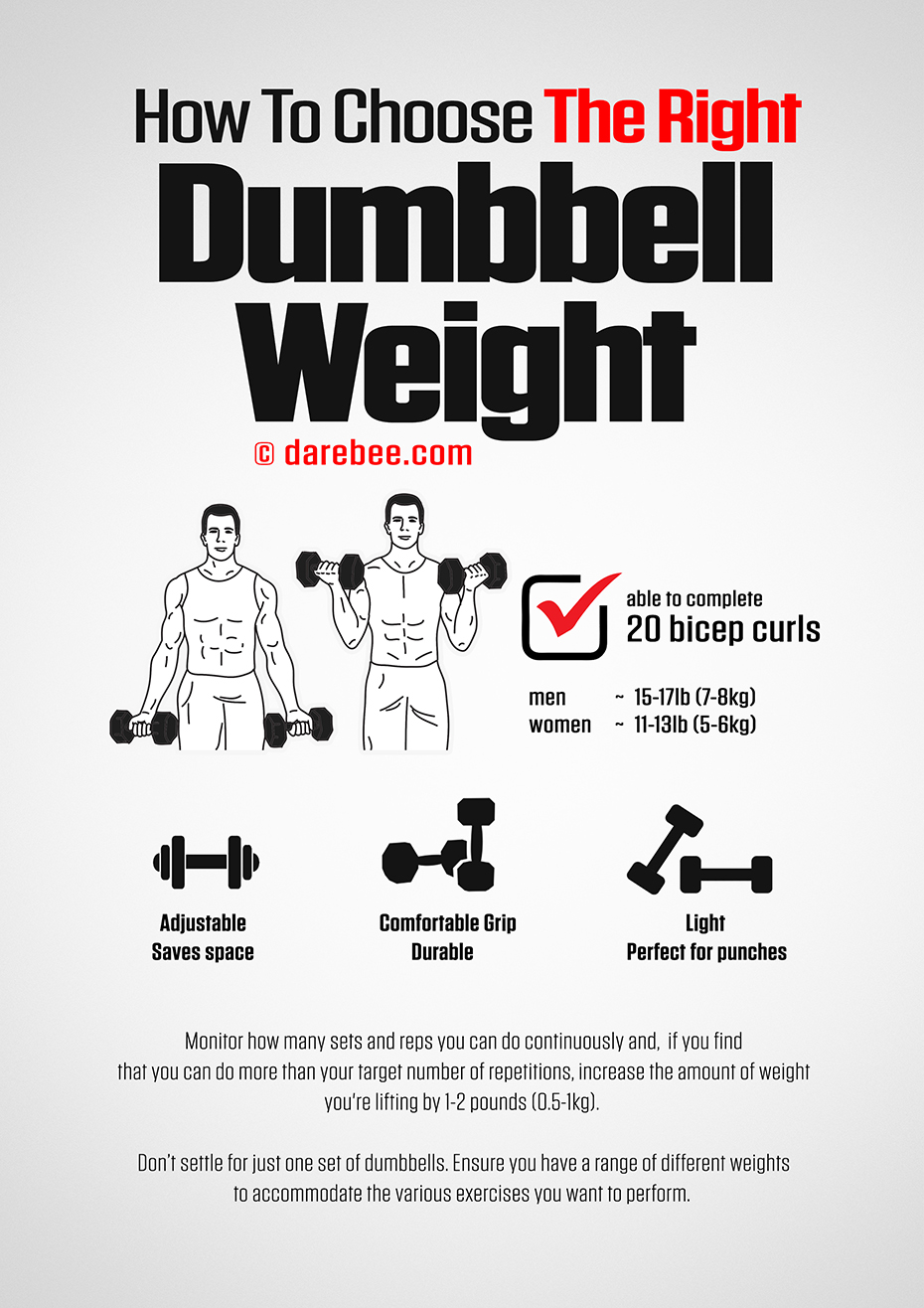
Credit: darebee.com
Time-efficient Dumbbell Workouts
Time-efficient dumbbell workouts help you build strength and save time. These workouts fit well into busy schedules. They focus on maximizing effort in shorter periods. Using dumbbells, you can target multiple muscle groups quickly. The key is to keep the intensity high and rest minimal.
Planning your sets and exercises smartly boosts workout results. You do not need many sets to see progress. Quality beats quantity in time-efficient training. Let’s explore some effective methods that use dumbbells efficiently.
Micro-set Circuits
Micro-set circuits involve doing several short sets with little rest. For example, perform three exercises back-to-back, then rest. Repeat this circuit three times for a full session.
- Choose three dumbbell exercises targeting different muscles.
- Do 8-12 reps per exercise with light to moderate weights.
- Rest 30-60 seconds after completing all three exercises.
This method keeps your heart rate up and muscles engaged. It boosts endurance and strength simultaneously. Micro-set circuits make workouts feel faster and more productive.
Combining Strength And Cardio
Mix dumbbell exercises with cardio moves for a full-body workout. This method saves time and improves fitness fast.
- Alternate between dumbbell sets and short cardio bursts (jumping jacks, high knees).
- Example: 10 dumbbell squats, 30 seconds of jump rope, repeat 3-4 rounds.
- Keep rest periods short to maintain intensity.
This approach burns calories and builds muscle in one session. It is ideal for fat loss and muscle toning. Combining strength and cardio maximizes time spent exercising.
Listening To Your Body
Listening to your body is the key to finding the right number of dumbbell sets. Your body sends signals about how much work it can handle. Paying attention helps avoid injury and improves progress. This skill grows with practice and awareness.
Signs To Increase Or Decrease Sets
Feeling too tired or sore after workouts may mean you need fewer sets. Struggling to finish your routine is a clear sign. On the other hand, if exercises feel easy and you recover quickly, you can try adding more sets. Watch for steady progress in strength and endurance. Sharp pain or persistent fatigue means it is time to reduce the volume.
Recovery And Rest Days
Rest days are important for muscle repair and growth. Your muscles need time to recover after dumbbell workouts. Without rest, overtraining can happen, causing setbacks. Include at least one or two rest days per week. Use these days for light activity or stretching. A balanced approach helps keep your body ready for the next session.
Frequently Asked Questions
How Many Sets Of Dumbbells Should I Do A Day?
Aim for 2 to 6 sets per dumbbell exercise daily. Prioritize proper form and listen to your body to avoid overtraining.
Is 3 Sets Of 20 Reps Too Much?
Three sets of 20 reps can suit endurance training but may be too much for strength goals. Adjust based on fitness level and recovery. Prioritize form and listen to your body to avoid overtraining.
What Is The 3-3-3 Rule In Gym?
The 3-3-3 rule in gym means performing three circuits, each with three exercises, repeated three times. It offers a quick, full-body workout.
What Is The 5 4 3 2 1 Method Of Lifting?
The 5 4 3 2 1 lifting method involves doing five sets with descending reps: 5, 4, 3, 2, then 1 rep. It boosts strength by gradually increasing weight each set. This technique helps improve power and muscle control efficiently.
Conclusion
Finding the right number of dumbbell sets depends on your goals. Aim for two to six sets per exercise to see progress. Start with fewer sets if you are new or short on time. Focus on doing each set with good form and control.
Listen to your body and avoid pushing too hard or too little. Consistency matters more than the exact number of sets. Adjust your workout as you gain strength and confidence. Keep it simple, stay patient, and enjoy your fitness journey.