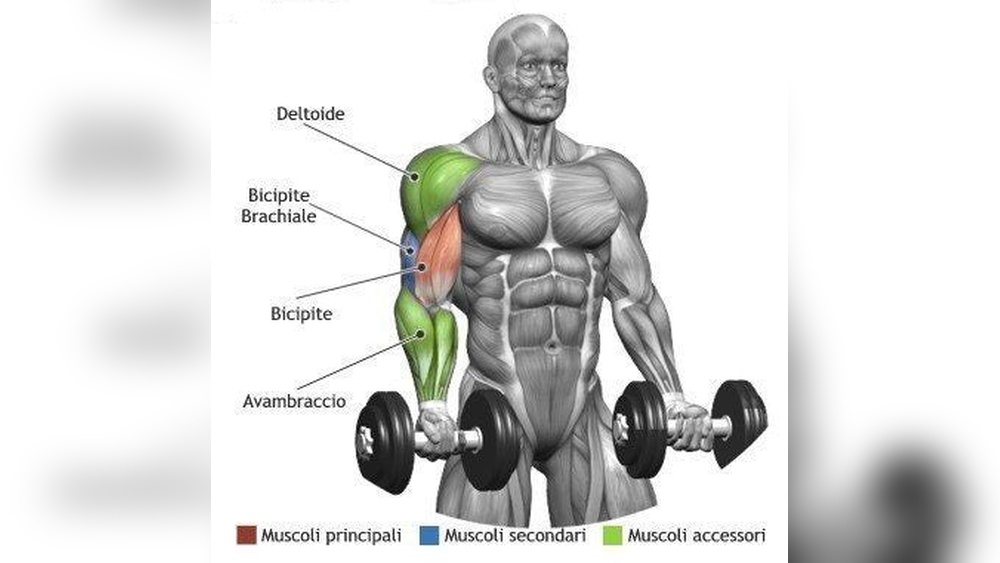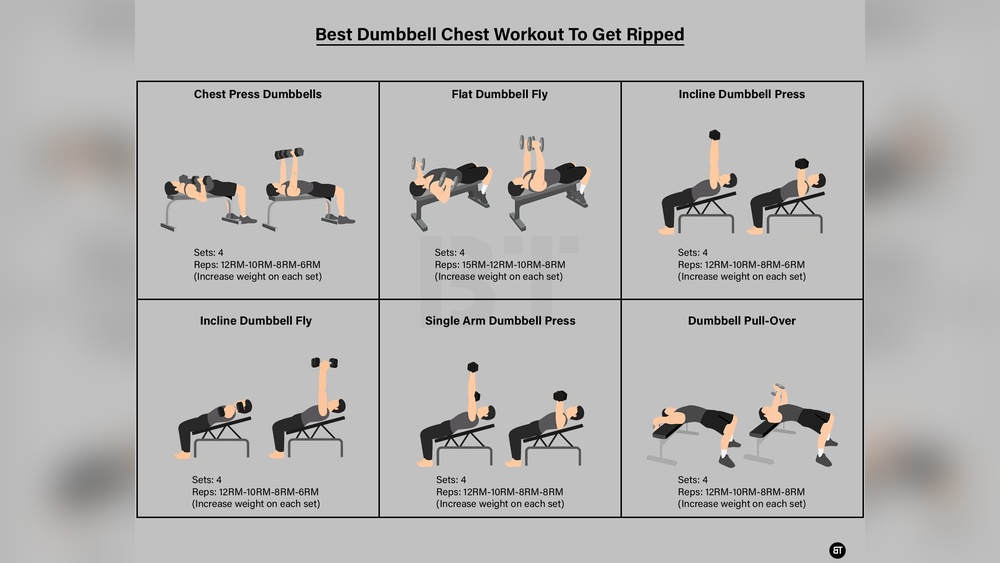
Want to build strong, well-defined chest muscles but don’t have access to a gym or a barbell? Dumbbells might be your best friend.
They offer a simple yet highly effective way to work your pecs from different angles, helping you sculpt muscle and boost strength right at home. Whether you’re aiming for a fuller upper chest, a powerful middle section, or a chiseled lower part, knowing how to exercise your pecs with dumbbells can take your workouts to the next level.
In this guide, you’ll discover straightforward exercises and smart tips to maximize your gains, avoid injury, and stay motivated. Ready to transform your chest with just a pair of dumbbells? Let’s dive in!
Credit: www.barbellmedicine.com
Benefits Of Dumbbell Chest Workouts
Dumbbell chest workouts offer many advantages for building strong and defined pecs. They allow natural movement patterns that reduce joint strain. Dumbbells also help improve muscle balance and coordination. These benefits make dumbbell exercises a smart choice for chest training at any fitness level.
Muscle Activation And Range Of Motion
Dumbbells require each side to work independently. This increases muscle activation and helps avoid strength imbalances. The free movement of dumbbells allows a greater range of motion. This deeper stretch targets pec muscles more effectively than machines or barbells. More muscle fibers get engaged, which boosts growth and strength.
Versatility And Accessibility
Dumbbells fit many workout styles and settings. Use them for presses, flyes, or pullovers to hit the chest from different angles. They are easy to find in most gyms and also perfect for home workouts. Dumbbells come in various weights to suit beginners and advanced lifters alike.
Balanced Muscle Development
Dumbbell exercises encourage equal effort from both sides of the chest. This prevents one side from dominating the other. Balanced muscle development improves posture and reduces injury risk. It also leads to a more symmetrical and aesthetically pleasing chest.
Credit: www.youtube.com
Targeting Different Chest Areas
Targeting different areas of the chest helps create a balanced and strong upper body. Dumbbells offer flexibility to work each part of the pecs effectively. Adjusting angles and movements shifts focus to the upper, middle, or lower chest. This section explains how to train each chest area using dumbbells.
Upper Chest Focus
To hit the upper chest, use an incline angle. Set a bench at about 30 to 45 degrees. Perform dumbbell incline presses or incline flyes. Lift the dumbbells in a controlled motion. This targets the clavicular part of the pecs. It builds a fuller and lifted upper chest.
Middle Chest Focus
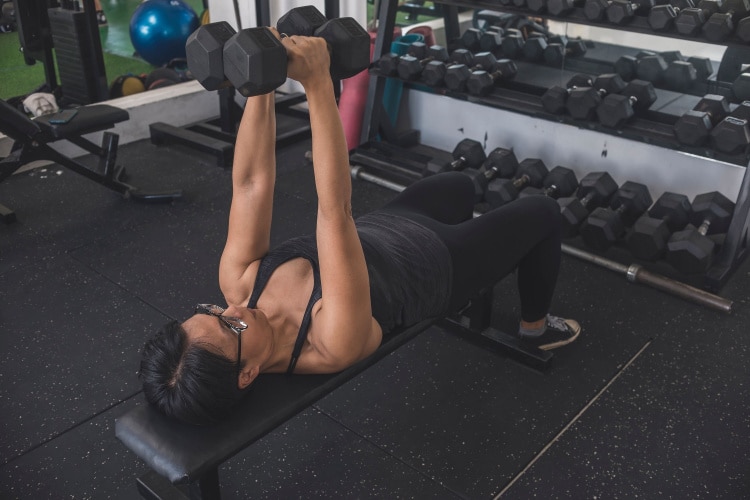
The middle chest is the thickest part of the pecs. Flat dumbbell bench press works this area well. Lie flat on a bench or floor. Press the dumbbells straight up and bring them down slowly. Dumbbell flyes on a flat surface also engage the middle chest. Focus on squeezing the muscles at the top.
Lower Chest Focus
Lower chest exercises require a decline angle. Set a bench to a 15 to 30 degree decline. Use dumbbell decline presses to target this area. Press the dumbbells upward and inward. This activates the abdominal part of the pecs. It helps create a defined lower chest line.
Essential Dumbbell Exercises For Pecs
Dumbbells offer simple and effective ways to build strong pecs. They allow natural movement and better muscle engagement. This variety helps target the chest muscles from different angles. These essential dumbbell exercises develop size, shape, and strength in your pecs.
Each exercise hits a different area of the chest. Mixing these moves creates a balanced chest workout. Focus on control and full range of motion. That boosts muscle growth and definition.
Dumbbell Bench Press Variations
The dumbbell bench press is a classic chest builder. It works the middle part of the pecs. Using dumbbells allows each arm to move independently. This improves muscle balance and strength. Try flat, incline, and decline bench presses. Each angle targets different pec regions. Keep your wrists stable and elbows at about 45 degrees.
Dumbbell Flyes Techniques
Dumbbell flyes stretch the pec muscles deeply. They help widen the chest and improve muscle shape. Perform flyes on a flat, incline, or decline bench. Move your arms in a wide arc with a slight bend at the elbows. Avoid locking joints or swinging the weights. Control the motion to maximize muscle tension.
Dumbbell Pullovers Benefits
Dumbbell pullovers work the chest and also engage the lats. This exercise helps expand the rib cage and improve breathing. Lie on a bench with one dumbbell held over your chest. Lower the weight slowly behind your head. Pull it back up using chest muscles. Pullovers add variety and support overall chest growth.
Incline And Decline Presses
Incline presses focus on the upper pecs. Decline presses target the lower chest. Adjust your bench to about 30-45 degrees for incline. Set decline at 15-30 degrees downward. Use dumbbells to allow more natural arm movement. These presses shape a well-rounded chest and fix muscle imbalances.
Form Tips To Maximize Results
Perfecting your form during dumbbell pec exercises helps you get the best results. Good form reduces injury risk and improves muscle activation. Focus on key body positions, smooth control, and proper breathing to enhance every rep.
Proper Shoulder And Wrist Position
Keep your shoulders down and back. Avoid shrugging to protect the shoulder joint. Your wrists should stay straight, not bent. This alignment helps transfer force efficiently to your chest muscles. It also keeps strain off your joints and tendons.
Controlling Movement And Range
Move the dumbbells slowly and with control. Avoid dropping or swinging them. Lower the weights until you feel a gentle stretch in your chest. Do not lock your elbows at the top. Controlled motion maximizes muscle tension and growth.
Breathing And Muscle Engagement
Breathe out as you push the dumbbells up. Inhale while lowering them down. Proper breathing supports muscle power and stamina. Focus on squeezing your chest muscles at the top. This mind-muscle connection boosts strength and size.
Progressing Your Dumbbell Chest Routine
Progressing your dumbbell chest routine is essential for continuous muscle growth. It prevents plateaus and keeps your workouts challenging. Small, consistent changes help your pecs become stronger and more defined. Focus on adjusting your weights, reps, and workout structure. Also, pay attention to rest and recovery to support muscle repair and growth.
Adjusting Weight And Reps
Increase dumbbell weight gradually to challenge your muscles. Add small increments, like 2.5 or 5 pounds, as you get stronger. Adjust the number of reps based on your goals. For muscle growth, aim for 8 to 12 reps per set. For endurance, increase reps to 15 or more. Lower reps with heavier weights build strength faster. Track your progress to know when to increase weight or reps.
Incorporating Supersets And Dropsets
Supersets combine two exercises with little rest between them. For example, do dumbbell presses followed by dumbbell flyes. This method boosts workout intensity and saves time. Dropsets involve lowering the weight after muscle fatigue. Start heavy, then switch to lighter weights without resting. Dropsets push muscles to work harder and grow. Both techniques add variety and challenge to your routine.
Rest And Recovery Strategies
Muscles grow during rest, not just exercise. Allow 48 hours between chest workouts for recovery. Get enough sleep to support muscle repair. Stretch and use light activity on rest days to reduce soreness. Proper nutrition with protein helps rebuild muscle fibers. Avoid overtraining, which can cause injury and slow progress. Balance workout intensity with good rest for best results.
Training Frequency And Consistency
Training frequency and consistency play a key role in building strong pecs with dumbbells. Regular workouts help muscles grow and recover. Skipping sessions can slow progress and reduce strength gains. Keeping a steady schedule allows your chest muscles to adapt and become more defined over time. Consistency also builds discipline and makes exercise a habit, which is essential for long-term results.
Optimal Workout Schedule
For most people, training chest muscles 2 to 3 times per week works best. This frequency gives enough time for muscle recovery between sessions. Each workout should last about 30 to 45 minutes. Focus on quality over quantity by doing 3 to 4 sets of each dumbbell exercise. Rest for 48 hours before targeting the same muscle group again. This schedule prevents overtraining and supports steady muscle growth.
Balancing Chest Workouts With Other Muscle Groups
Training pecs alone is not enough for a balanced physique. Include exercises for back, shoulders, and arms in your routine. This balance reduces the risk of injury and improves posture. Rotate muscle groups on different days to avoid fatigue. For example, work chest and triceps one day, then back and biceps the next. Balanced training helps build overall strength and supports your chest workout goals.
Common Mistakes To Avoid
Exercising your pecs with dumbbells is effective only if done correctly. Many beginners make mistakes that slow progress or cause injury. Avoiding these common errors will help you build chest muscles safely and faster. Focus on form, preparation, and balance to get the best results.
Overloading Without Proper Form
Lifting weights that are too heavy often leads to poor form. This reduces the workout’s effectiveness and increases injury risk. Use weights you can control fully throughout each movement. Keep your back flat and shoulders stable during presses and flyes. Proper technique helps target the pecs correctly and avoids strain on joints.
Neglecting Warm-up And Stretching
Skipping warm-up and stretching can cause muscle tightness and injury. Always spend 5-10 minutes warming up your chest and shoulders. Light cardio followed by dynamic stretches prepares your muscles for work. Stretching after workouts helps reduce soreness and improves flexibility. This simple step protects your muscles and joints.
Ignoring Muscle Imbalances
Many people focus only on their stronger side, creating muscle imbalances. Dumbbells allow each side to work independently, so both sides must get equal attention. Train each arm with the same weight and reps. Strengthen weaker muscles with extra sets or lighter weights. Balanced muscles improve posture and reduce injury risk.
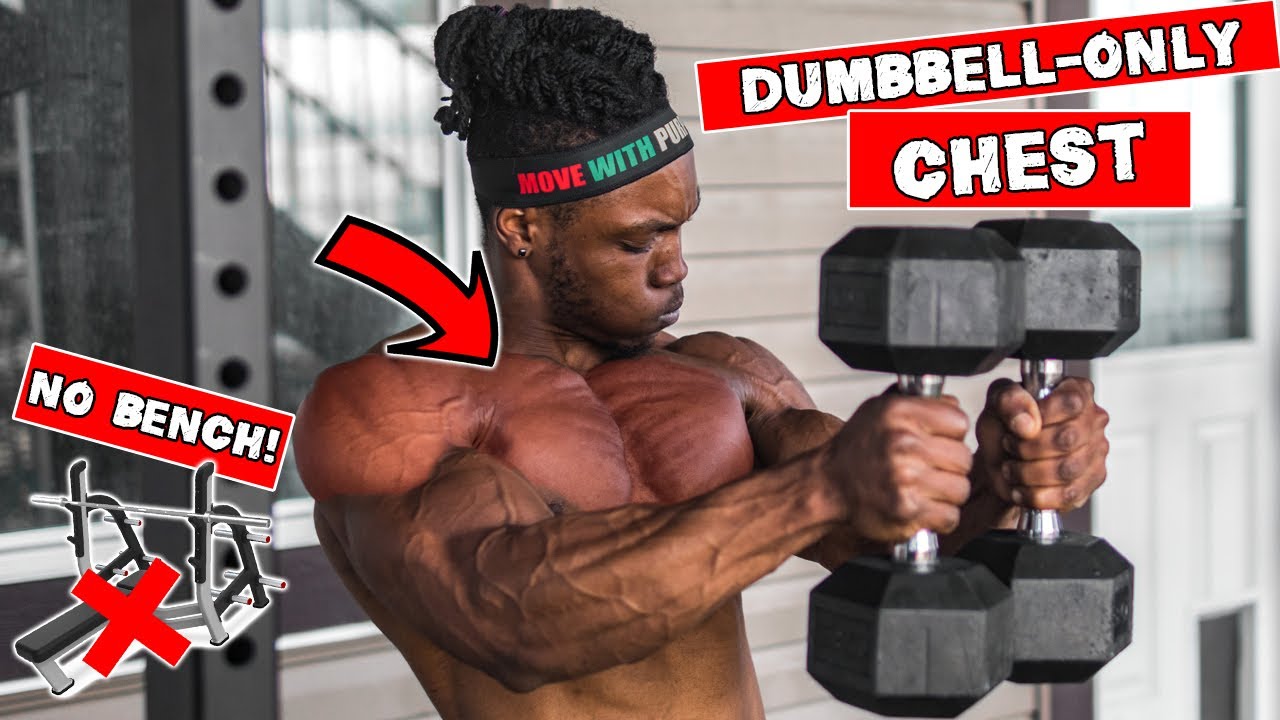
Home Workouts Without A Bench
Working out your chest at home without a bench is simple and effective. Dumbbells offer flexibility and variety for pec exercises. You can still target your chest muscles well using the floor, seated, or standing positions. Creativity in your setup can also help mimic bench exercises.
Floor Dumbbell Press
The floor dumbbell press is a great substitute for the bench press. Lie flat on your back with your knees bent and feet on the floor. Hold a dumbbell in each hand, palms facing forward. Push the weights up until your arms are straight. Lower them slowly until your elbows touch the floor. This limits your range of motion but still works your chest and triceps.
Seated And Standing Variations
Seated dumbbell presses work your upper chest and shoulders. Sit on a sturdy chair or stool with your back straight. Press the dumbbells upward from shoulder height. Standing chest presses mimic a push movement. Hold dumbbells at chest level and push forward. Both variations engage your chest without needing a bench.
Creative Use Of Household Items
Use sturdy household items to support your exercises. A firm coffee table or a low, stable chair can act like a bench. Place your dumbbells on the surface for fly or press variations. Thick pillows or yoga mats can cushion your back for floor presses. Always ensure the item is stable and safe to avoid injury.
Credit: www.youtube.com
Frequently Asked Questions
Can You Build Pecs With Dumbbells?
Yes, dumbbells effectively build pecs by enabling presses, flyes, and pullovers. They increase range of motion and muscle activation for stronger, defined chest muscles.
What Is The Best Exercise For Your Pecs?
The best exercise for pecs is the dumbbell bench press. It targets the entire chest and enhances muscle growth effectively.
Are 20 Pound Dumbbells Enough To Build Muscle?
Yes, 20-pound dumbbells can build muscle for beginners. Increase reps and focus on proper form for effective results.
Is 2 Chest Days A Week Enough?
Training chest twice a week can be enough for muscle growth if you use proper form, vary exercises, and allow recovery. Consistency and progressive overload are key.
Conclusion
Dumbbell exercises offer a simple way to strengthen your pecs. Use different movements to target all chest areas. Keep your form correct to avoid injuries. Gradually increase weight as your strength improves. Consistency is key to seeing muscle growth. Enjoy the process and stay patient.
Your chest will get stronger with time and effort.