Are you wondering how many reps of dumbbells you should be doing to see real results? Whether you’re aiming to build muscle, lose fat, or simply get stronger, the number of reps you choose can make a huge difference.
But with so much conflicting advice out there, it’s easy to feel lost. This guide will clear up the confusion and help you find the perfect rep range tailored just for your goals. Keep reading, because the right rep count could be the game-changer in your workout routine.

Credit: www.youtube.com
Choosing The Right Rep Range
Choosing the right rep range with dumbbells can shape your workout results. Different goals require different numbers of repetitions. Picking the right range helps you train smarter, not harder. It also prevents injury and keeps you motivated. Let’s explore the best rep counts for strength, muscle growth, and fat loss.
Strength Vs. Endurance Reps
For building strength, aim for fewer reps with heavier weights. Usually, 4 to 6 reps per set work well. This approach pushes your muscles to lift heavy loads. It improves power and overall strength.
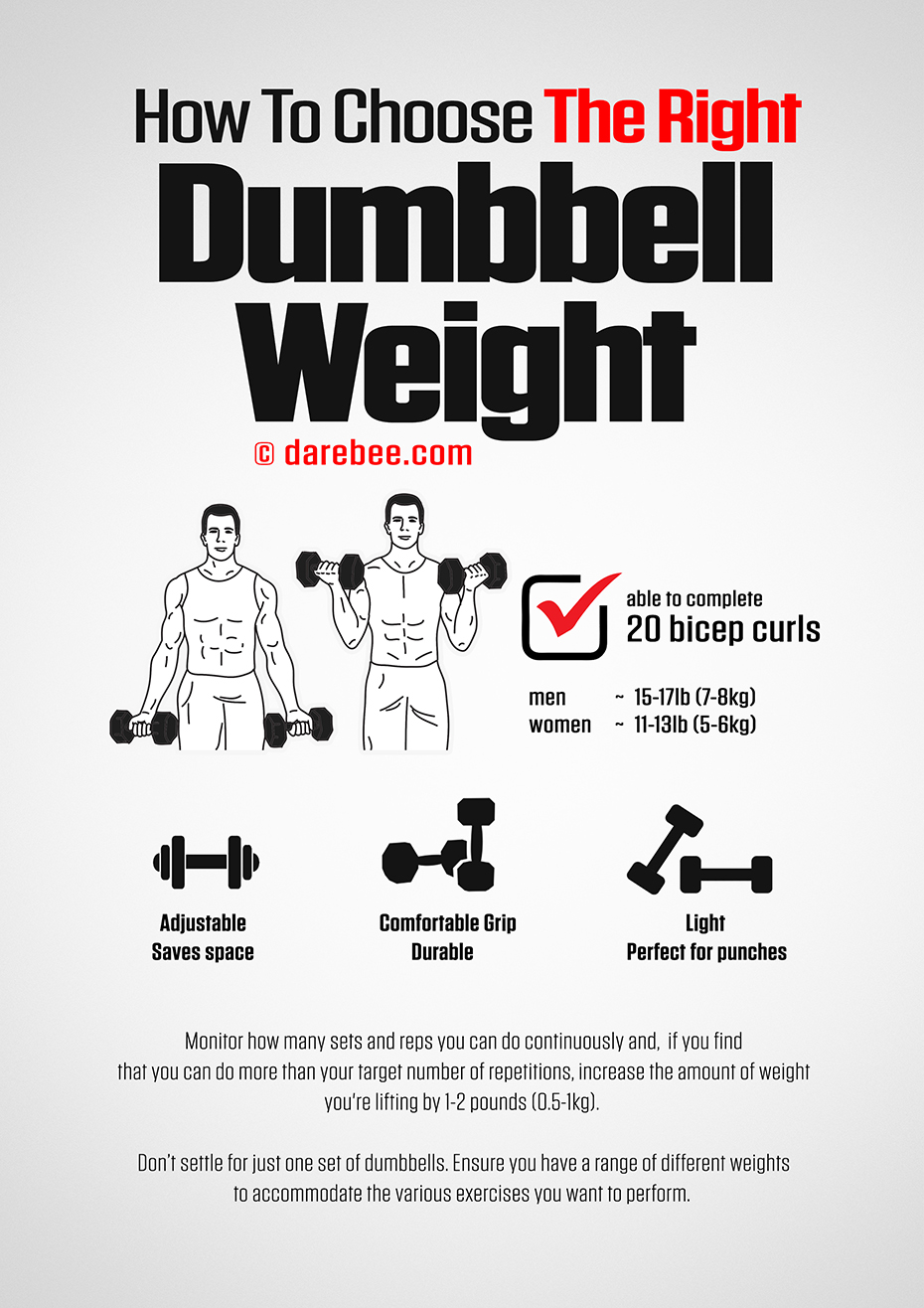
Endurance training uses lighter weights and more reps. Try 12 to 20 reps per set to build stamina. This helps muscles work longer without getting tired. It also boosts your heart health and energy levels.
Muscle Growth Rep Counts
Muscle growth, or hypertrophy, happens with moderate reps and weights. Aim for 8 to 12 reps per set. This range causes muscle fibers to tear and rebuild stronger.
Use weights that challenge you but still let you finish the set. Rest between sets should be about 30 to 60 seconds. This balance encourages muscle growth effectively.
Fat Loss And Toning Reps
For fat loss and toning, use lighter weights with higher reps. Aim for 15 to 20 reps or more per set. This keeps your heart rate up and burns calories.
Combine this with shorter rest periods to increase intensity. It shapes muscles without adding much bulk. Perfect for a lean and toned look.
Credit: darebee.com
Factors Influencing Rep Numbers
Choosing the right number of dumbbell reps depends on many factors. These factors help match your workout to your goals. Knowing them ensures better results and less injury risk. Understanding these points makes your training clearer and more effective.
Fitness Level And Experience
Beginners need fewer reps and lighter weights. Their muscles and joints adjust to new stress. Advanced lifters can handle more reps and heavier weights. Experience helps improve form and control. This lowers injury risk during higher reps.
Exercise Type And Muscle Group
Different exercises target different muscles. Large muscles like legs can handle more reps. Small muscles like biceps need fewer reps to avoid strain. Compound exercises use many muscles and need fewer reps. Isolation exercises focus on one muscle, so reps may vary.
Rest Periods And Intensity
Short rest means lower reps to avoid fatigue. Longer rest allows more reps with heavier weights. Higher intensity needs fewer reps to maintain form. Lower intensity can include more reps for endurance. Balancing rest and reps improves workout quality.
Rep Guidelines For Common Dumbbell Exercises
Knowing how many reps to do with dumbbells helps you reach your fitness goals. Different exercises need different rep ranges. The right number of reps can build strength, improve endurance, or tone muscles. Here are simple guidelines for common dumbbell exercises.
Bicep Curls
For bicep curls, aim for 8 to 12 reps per set. This range helps build muscle size and strength. Use a weight that feels challenging but lets you keep good form. Rest for 30 to 60 seconds between sets.
Shoulder Press
Try 8 to 12 reps for the shoulder press too. This helps develop shoulder muscles without overstraining. Choose a weight that lets you complete all reps with control. Take short breaks of about 30 seconds between sets.
Dumbbell Rows
For dumbbell rows, 10 to 15 reps work well. This builds back muscles and improves posture. Pick a moderate weight to avoid injury. Rest for 45 seconds before the next set.
Chest Press
Chest press reps should be between 8 and 12. This helps strengthen your chest and arms. Use a weight that challenges you but allows smooth movement. Pause for 30 to 60 seconds between sets.
Credit: www.youtube.com
Adjusting Reps For Different Goals
Adjusting the number of dumbbell reps helps you reach different fitness goals. The right reps depend on whether you want to build strength, grow muscle size, or improve endurance. Each goal requires a different approach to reps and weight. Understanding these differences lets you train smarter and see better results.
Building Strength
For building strength, use heavy weights with fewer reps. Aim for 4 to 6 reps per set. This challenges your muscles to lift heavier loads. Rest for 2 to 3 minutes between sets. This allows full recovery to maintain maximum effort. Focus on slow, controlled movements to avoid injury.
Increasing Muscle Size
To increase muscle size, choose moderate weights and do 8 to 12 reps. This range causes muscle fibers to grow bigger. Keep rest periods between 30 to 60 seconds. This keeps muscles under tension longer for better growth. Use steady and smooth motions to maximize muscle work.
Improving Muscular Endurance
For endurance, use lighter weights with higher reps. Perform 15 to 20 or more reps per set. This trains muscles to work longer without fatigue. Rest for 30 seconds or less between sets. Focus on consistent pace and full range of motion. This builds stamina and better muscle control.
Signs You Need To Change Your Rep Scheme
Changing your dumbbell rep scheme can boost your workout results. Your body adapts quickly to the same routine. This adaptation can slow down your progress. Watch for certain signs that show it’s time to switch things up. These signs help you know when your current plan is no longer effective.
Plateaus And Stalled Progress
Progress stops. Your strength and muscle growth may not increase anymore. The same number of reps feels easier but gains are missing. This plateau shows your muscles have adapted to the load. Changing reps challenges your muscles differently. This can restart your progress and help build strength again.
Fatigue And Overtraining
Feeling tired all the time? Your muscles may hurt longer than usual. Overtraining happens when the body does not get enough rest. High reps with heavy weights or too many sets cause fatigue. Changing your rep scheme can reduce stress on muscles. It allows better recovery and prevents injury.
Lack Of Muscle Definition
Muscles look soft or unchanged despite effort. This lack of definition means your routine might not suit your goals. Different rep ranges target muscle size and tone in unique ways. Lower reps build size and strength. Higher reps improve muscle endurance and shape. Adjusting reps can improve muscle tone and appearance.
Combining Reps With Sets And Weight
Combining reps with sets and weight is key to effective dumbbell training. It shapes your strength, endurance, and muscle growth. Each factor plays a role in how your body responds and improves. Choosing the right mix helps avoid plateaus and keeps workouts fresh. Understanding how to balance these elements makes your exercise time more productive and safe.
Balancing Volume And Intensity
Volume means the total amount of work done. It is reps times sets. Intensity is how heavy the dumbbells are. High volume with lighter weight builds endurance. Low volume with heavy weight builds strength. Balance both for steady progress. Too much volume can lead to fatigue. Too much intensity can cause injury. Find a middle ground that fits your goals.
Progressive Overload Strategies
Progressive overload means gradually increasing your workout challenge. Add more reps, sets, or weight over time. This forces your muscles to adapt and grow. Start with manageable weights and reps. Then increase slowly to avoid injury. Change one variable at a time. For example, add one rep this week. Next week, add more weight. This keeps your gains steady and safe.
Tracking Your Workouts
Tracking helps you see progress and stay motivated. Write down reps, sets, and weights each session. Note how you feel during and after workouts. This info guides your next workout plan. Review your notes weekly to adjust your routine. Tracking prevents guesswork and helps avoid plateaus. It also keeps you aware of your strengths and limits.
Common Mistakes With Dumbbell Reps
Many people make mistakes with dumbbell reps that slow their progress or cause injury. These errors often come from poor choices about weight, form, and preparation. Avoiding these mistakes helps you get better results and stay safe.
Using Too Light Or Too Heavy Weights
Choosing the wrong weight is common. Too light weights do not challenge your muscles enough. This limits strength and growth. Too heavy weights can cause poor form and injuries. Pick a weight that feels hard but lets you control each rep.
Ignoring Form For More Reps
Some try to do many reps quickly. This often ruins proper form. Bad form reduces exercise benefits and risks injury. Focus on slow, controlled movements. Quality beats quantity every time.
Skipping Warm-ups And Cool Downs
Skipping warm-ups can lead to muscle strains. Cooling down helps your muscles recover. Both steps prepare your body for exercise and reduce soreness. Always include light stretching before and after your workout.
Tips For Maximizing Results
Getting the best results from dumbbell exercises needs more than just lifting weights. Small changes in how you train can make a big difference. Focusing on technique, breathing, and rest helps your muscles grow stronger and faster.
These tips help you train smarter, not harder. They reduce injury risk and keep you motivated. Let’s explore some easy ways to improve your workout.
Proper Breathing Techniques
Breathing right gives your muscles more oxygen. It helps you lift safely and with control. Breathe out as you lift the dumbbells. Breathe in when you lower them. This keeps your body steady and reduces strain.
Hold your breath less. It can raise blood pressure. Steady breathing supports better performance and endurance.
Mind-muscle Connection
Focus on the muscle you want to work. Feel it contract and stretch during each rep. This connection improves muscle activation and growth. Don’t rush through the movements. Slow and steady gives better control and results.
Think about the muscle, not just moving the weight. This helps you get stronger faster and avoids poor form.
Rest And Recovery Importance
Muscles need time to repair after exercise. Rest days help your body grow stronger. Avoid training the same muscle group every day. Give at least 48 hours for recovery.
Good sleep and hydration also support muscle repair. Overtraining can cause injury and slow progress. Balance workout and rest for the best gains.
Frequently Asked Questions
How Many Dumbbell Reps Build Muscle Fastest?
Perform 8-12 reps per set for optimal muscle growth. Use weights that challenge you by the last rep. Maintain proper form to avoid injury and maximize gains.
What Is The Ideal Dumbbell Rep Range For Beginners?
Start with 12-15 reps using lighter weights. Focus on mastering form and control. Gradually increase weight and reduce reps as strength improves.
How Do Reps Affect Dumbbell Strength Training Results?
Lower reps (4-6) build strength and power. Moderate reps (8-12) increase muscle size. Higher reps (15-20) improve endurance and tone muscles.
Should I Vary Dumbbell Reps During Workouts?
Yes, changing reps challenges muscles differently. Combine low, moderate, and high reps for balanced strength, size, and endurance. This prevents plateaus and promotes progress.
Conclusion
Choosing the right number of dumbbell reps depends on your goals. For strength, try fewer reps with heavier weights. For endurance, do more reps with lighter weights. Always listen to your body and rest when needed. Changing reps can keep workouts fresh and effective.
Stay consistent and patient for the best results. Remember, quality beats quantity in every set. Keep moving, stay focused, and enjoy your progress.