Have you ever stopped to think about how heavy the dumbbells you lift really are? Choosing the right weight can make all the difference in your workout results and safety.
If your dumbbells are too light, you might not see progress. Too heavy, and you risk injury or burnout. You’ll discover how to find the perfect dumbbell weight for your fitness goals. Keep reading, because understanding this simple detail can unlock your full strength potential and boost your confidence every time you train.

Credit: www.crunchyroll.com
Choosing The Right Dumbbell Weight
Choosing the right dumbbell weight is key to a safe and effective workout. The right weight helps build strength without risking injury. It keeps you motivated and improves your performance. Picking dumbbells that are too heavy or too light slows progress. This section explains how to select the best weight for your needs.
Factors Influencing Weight Selection
Your fitness level is the first factor to consider. Beginners should start with lighter weights to learn proper form. Your workout goal also matters. Lighter weights work well for endurance, while heavier weights build strength. The type of exercise affects weight choice. Some moves need lighter weights for control. Others need heavier weights for muscle growth. Age and any health issues also influence weight limits. Always listen to your body’s signals.
Common Weight Ranges For Different Goals
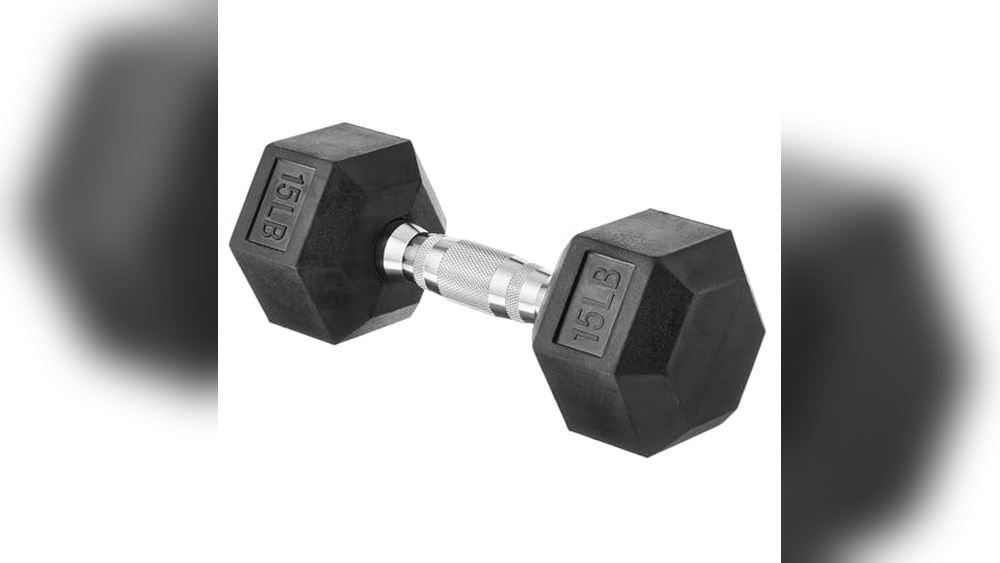
For beginners, 3 to 8 pounds is a good start. For muscle toning, choose 8 to 15 pounds. Strength training often uses 15 to 30 pounds or more. Endurance workouts use lighter weights with more repetitions. Powerlifting or advanced training requires even heavier dumbbells. Adjust weights as you improve to keep muscles challenged.
Signs You Need To Adjust Your Weight
Fatigue or shaking during sets means weights might be too heavy. If exercises feel too easy and you finish quickly, increase your weight. Difficulty completing the last reps signals a good challenge. Pain or discomfort beyond normal muscle burn is a warning. Progress stalls if weights stay the same too long. Changing weight keeps workouts effective and safe.
Credit: www.crunchyroll.com
Assessing Your Current Strength
Assessing your current strength is a key step in choosing the right dumbbell weight. Knowing how much you can lift helps prevent injury and improves workout results. It also builds confidence and keeps you motivated. Simple methods can give a clear picture of your strength level. Tracking your progress over time shows how your muscles grow and adapt. Using reps and sets helps measure how hard your body is working. Each method works well to guide your fitness journey.
Simple Strength Tests At Home
You can test your strength with easy exercises at home. Try a push-up test to see how many you can do without stopping. Use a dumbbell for bicep curls to find a weight you can lift 8 to 12 times. If you can’t finish, the weight is too heavy. If it feels too easy, increase the weight. These tests give a quick idea of your starting point.
Tracking Progress Over Time
Keep a workout log to note weights, reps, and sets. Write down how you feel after each session. Review your notes every week or month. This helps you see steady improvement. Small increases in weight or reps mean stronger muscles. Tracking progress motivates you to keep going and adjust your training safely.
Using Reps And Sets To Gauge Strength
Reps are the number of times you lift a dumbbell in a row. Sets are groups of reps with rest in between. Choose a weight that lets you do 8 to 12 reps per set. If you can do more than 12 reps easily, the weight is too light. If you can’t reach 8 reps, it is too heavy. This range builds strength and muscle effectively.
Benefits Of Lifting Appropriate Dumbbell Weights
Lifting the right dumbbell weight brings many benefits to your fitness routine. Choosing weights that match your strength helps you build muscles safely. It also improves how long you can exercise without getting too tired. Proper weight selection makes your workouts better and faster.
Muscle Growth And Endurance
Using the right dumbbells helps your muscles grow stronger. When weights challenge your muscles just enough, they repair and grow bigger. Lifting too light weights won’t stimulate growth. The correct weight also trains your muscles to last longer during exercise. This improves your endurance over time.
Preventing Injuries
Choosing appropriate weights lowers the risk of injury. Heavy weights that are too hard to lift cause muscle strains and joint pain. Lifting weights that match your ability keeps your movements controlled. This protects your muscles, tendons, and ligaments from damage.
Enhancing Workout Efficiency
Right-weight dumbbells save time and effort during workouts. You get the most benefit from each set without overdoing it. Proper weights help maintain good form and reduce fatigue. This makes your workouts productive and less tiring.
Techniques To Increase Dumbbell Weight Safely
Increasing the weight of dumbbells safely is key to building strength without injury. Using the right techniques helps your muscles grow steadily. It also keeps your body ready for heavier loads.
Gradual progression and smart workout plans make this process effective. The following methods guide you on how to increase dumbbell weight carefully.
Progressive Overload Methods
Progressive overload means lifting a little more over time. Start with a weight that feels comfortable. Add small increments, like 1 to 2 pounds, each week. This keeps your muscles challenged without strain. Track your progress to avoid lifting too fast.
Incorporating Variety In Workouts
Changing exercises helps different muscles grow. Use different angles and grips with dumbbells. Try combining dumbbell moves with bodyweight exercises. Variety prevents boredom and avoids overuse injuries. It also improves overall strength and balance.
Rest And Recovery Importance
Your muscles need time to repair after lifting. Rest days help prevent injuries and improve performance. Sleep well to support muscle recovery. Overtraining can slow progress and cause pain. Listen to your body and rest as needed.
Common Mistakes When Choosing Dumbbell Weights
Choosing the right dumbbell weight is important for a safe workout. Many people make mistakes that slow progress or cause injury. Knowing these common errors can help you pick the best weights for your strength level.
Lifting Too Heavy Too Soon
Starting with heavy dumbbells can cause muscle strain. Your body needs time to adjust. Using weights that are too heavy makes exercises harder to perform correctly. It raises the risk of injury. Begin with lighter weights and increase gradually. This builds strength safely and keeps you motivated.
Ignoring Proper Form
Good form matters more than heavy weights. Poor technique can lead to pain and injury. Focus on slow, controlled movements. Keep your back straight and core tight. Lifting with bad form wastes effort and may harm your joints. Choose weights that let you maintain perfect form throughout the exercise.
Neglecting Warm-ups And Cool-downs
Skipping warm-ups and cool-downs harms your muscles and joints. Warm-ups prepare your body for lifting. Cool-downs help your muscles recover. Without these, you feel stiff and sore. Spend five to ten minutes warming up with light activity. Follow your workout with gentle stretches to avoid tightness.
format(webp))
Credit: www.crunchyroll.com
Using Dumbbells To Unlock Your Strength Potential
Dumbbells are simple tools that help build strength. They fit many exercises and levels. Using dumbbells regularly improves muscles and boosts confidence. Choosing the right weight is key to progress. Training with dumbbells lets you focus on form and control. This focus helps avoid injuries and makes workouts effective. Small steps with dumbbells add up to big strength gains.
Setting Realistic Strength Goals
Start with clear, small goals. Pick weights you can lift with good form. Increase weight slowly to avoid strain. Track progress every week or two. Celebrate small wins to stay motivated. Realistic goals help keep you on track.
Combining Dumbbells With Other Training Tools
Use dumbbells alongside bodyweight exercises. Add resistance bands for variety and challenge. Machines can help target specific muscles. Mixing tools prevents boredom and plateaus. Variety improves overall strength and balance.
Staying Motivated And Consistent
Set a regular workout schedule. Keep sessions short but focused. Find a workout buddy or join a group. Change your routine to keep it fun. Consistency is the key to lasting results.
Frequently Asked Questions
How To Choose The Right Dumbbell Weight?
Choose a weight that challenges you but allows proper form. Start light and gradually increase as strength improves. Consider your fitness level and exercise type for optimal results.
How Heavy Should Dumbbells Be For Beginners?
Beginners should start with 3 to 5 pounds dumbbells. This weight helps build strength safely without risking injury. Increase weight as your muscles adapt and grow stronger.
Does Lifting Heavier Dumbbells Build More Muscle?
Yes, lifting heavier dumbbells can increase muscle strength and size. Progressive overload stimulates muscle growth. Always ensure proper form to prevent injury and maximize benefits.
How Often Should I Increase Dumbbell Weight?
Increase dumbbell weight every 2 to 4 weeks based on your progress. When exercises feel easy, adding weight challenges muscles for continued growth and strength gains.
Conclusion
Choosing the right dumbbell weight matters for your progress. Start with weights you can lift with good form. Gradually increase weight as your strength grows. Avoid lifting weights that cause pain or strain. Consistency and patience bring steady improvements. Enjoy your workouts and celebrate small wins.
Keep track of your progress to stay motivated. Your body will thank you for smart training choices.