
Are you looking to boost your bench press but unsure if adding dumbbell presses to your routine will help? You’re not alone.
Many lifters wonder if dumbbell presses can make a real difference in their bench press strength and performance. What if there’s a simple way to break through your current limits and build more muscle? Keep reading, because understanding how dumbbell presses impact your bench press could be the key to unlocking your next personal best.
Let’s dive in and find out how these two exercises connect—and how you can use that to your advantage.
Dumbbell Press Benefits
Dumbbell press builds chest and shoulder strength, which can improve your bench press. It also helps balance muscles on both sides of your body. This makes your bench press more stable and powerful.
Muscle Activation Differences
Dumbbell presses activate muscles differently than barbell bench presses. Each arm moves independently, which forces smaller stabilizer muscles to work harder. This leads to improved strength in muscles that often get overlooked. The chest, shoulders, and triceps all get a balanced workout. This variation helps create a stronger and more stable upper body.
Improving Muscle Balance
Dumbbell presses help fix muscle imbalances between the left and right sides. Sometimes one arm is stronger or more dominant. Using dumbbells ensures both arms lift equal weight. This reduces the risk of injury caused by uneven strength. Balanced muscles improve overall performance in bench pressing and other lifts.
Range Of Motion Advantages
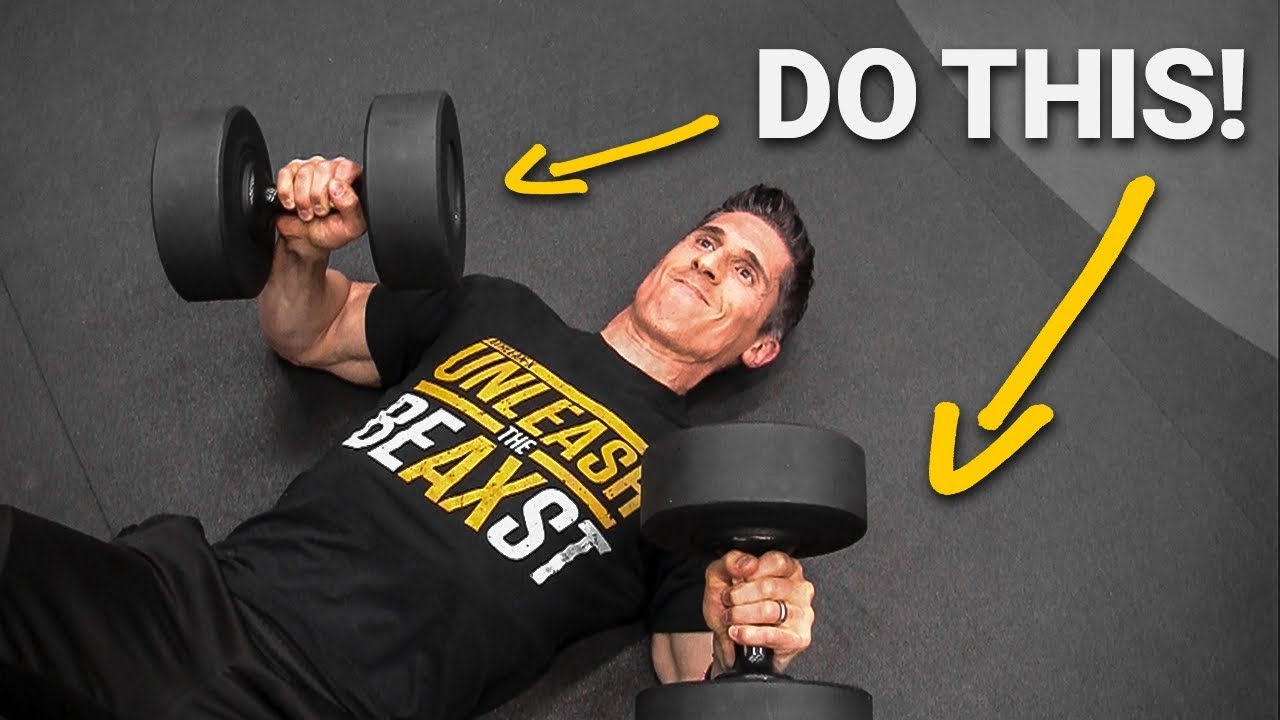
Dumbbells allow a greater range of motion than barbells. The weights can move freely, letting you lower them further. This deeper stretch activates more muscle fibers. More muscle fibers mean better muscle growth and strength. A larger range of motion also helps improve joint flexibility and health.
Credit: www.youtube.com
Bench Press Challenges
The bench press is a popular exercise but comes with many challenges. Many lifters face problems that slow their progress. These challenges affect strength, form, and safety. Understanding these issues can help improve your bench press.
Addressing common weak points, injury risks, and plateaus is important. These factors often limit gains and cause frustration. Overcoming them requires knowledge and smart training.
Common Weak Points
Weak points in the bench press often stop progress. Many lifters struggle with lockout strength or the bottom of the lift. Chest, shoulders, and triceps may not work evenly. This imbalance limits the amount of weight lifted. Strengthening weak muscles helps improve overall bench press performance.
Injury Risks
The bench press can cause injuries if done wrong. Shoulder pain and strains are common. Poor form or using too much weight raises injury risk. Overtraining without rest also harms muscles and joints. Safe lifting needs proper technique and gradual weight increase.
Plateaus In Strength
Many lifters hit a strength plateau. This means no progress despite effort. The body adapts to the same routine, stopping growth. Changing exercises, like adding dumbbell presses, can break plateaus. Variety challenges muscles differently and promotes strength gains.
How Dumbbell Press Supports Bench Press
Dumbbell press is a great exercise to improve your bench press. It works your muscles differently than the barbell bench press. This difference helps your body become stronger and more balanced. Using dumbbells challenges your muscles to work harder for control and stability.
Here are key ways dumbbell press supports your bench press strength and performance.
Strengthening Stabilizer Muscles
Dumbbell press requires more control than a barbell. Your stabilizer muscles work hard to keep the weights steady. These muscles include smaller muscles around your shoulders and chest. Strengthening them helps prevent injuries. It also improves your ability to push heavier weights on the bench press.
Enhancing Shoulder Mobility
Dumbbells allow a greater range of motion than a barbell. This movement helps increase your shoulder flexibility. Better mobility reduces strain during the bench press. It also helps you achieve a fuller, stronger press. Healthy shoulders make lifting safer and more effective.
Building Symmetrical Power
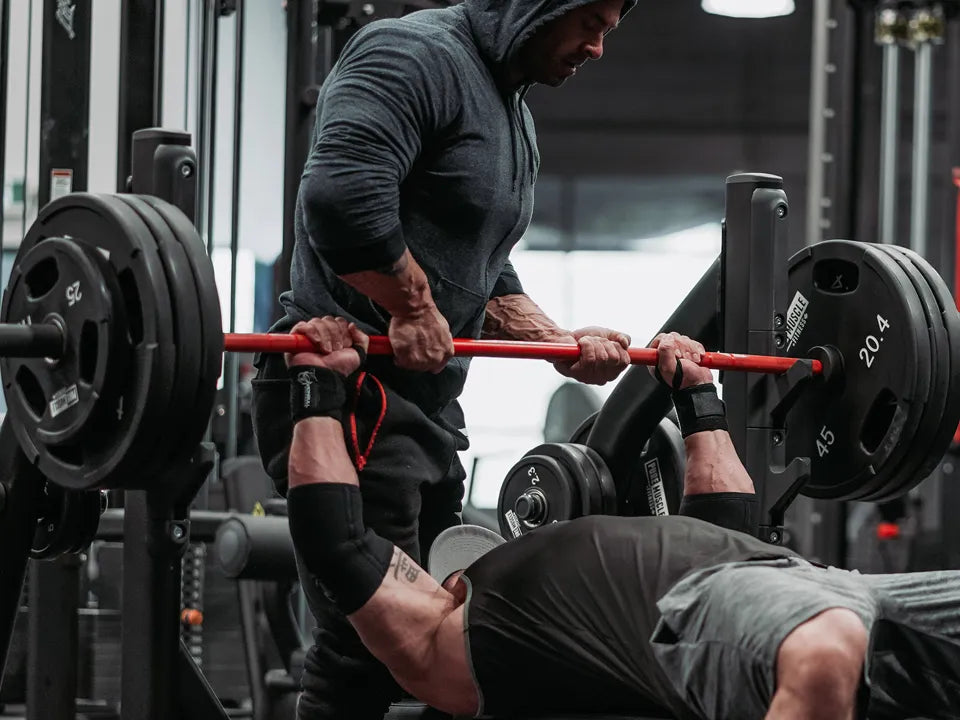
Each arm works independently with dumbbells. This helps fix muscle imbalances between your left and right sides. Balanced strength leads to better control and power in bench pressing. Symmetry reduces the risk of injury from uneven force. It also improves your overall lifting technique.
Credit: ca.ironbullstrength.com
Training Tips For Maximum Gains
Training for the bench press needs smart planning. Dumbbell presses can help improve strength and muscle balance. To get the best results, focus on training tips that boost gains. These tips improve your technique and build power.
Using the right methods ensures steady progress. Here are key strategies for maximum gains with dumbbell press and bench press training.
Optimal Dumbbell Press Variations
Choose dumbbell press types that target different muscles. Flat dumbbell press builds overall chest strength. Incline dumbbell press focuses on upper chest muscles. Decline dumbbell press works the lower chest. Changing angles helps muscle growth and prevents plateaus. Use moderate weights with full control. Slow, steady reps improve muscle activation.
Combining Dumbbell And Barbell Work
Mix dumbbell presses with barbell bench presses for balanced strength. Dumbbells improve stability and fix muscle imbalances. Barbells allow heavier weights and build raw power. Start with barbell sets to lift heavy. Finish with dumbbells to target smaller muscles. This mix enhances muscle coordination and growth. Rest well between sets to avoid fatigue.
Progressive Overload Strategies
Increase workout challenge steadily to build strength. Add small weight increments over time. Raise reps or sets for more volume. Change tempo by slowing down the lowering phase. Track progress to avoid training plateaus. Rest days allow muscles to recover and grow. Consistent overload pushes muscles to adapt and get stronger.
Common Mistakes To Avoid
Many people use dumbbell press to improve their bench press. Mistakes during training can slow progress or cause injury. Avoiding common errors ensures better results and safety. Pay attention to form, training load, and rest. These elements are key to success.
Poor Form Pitfalls
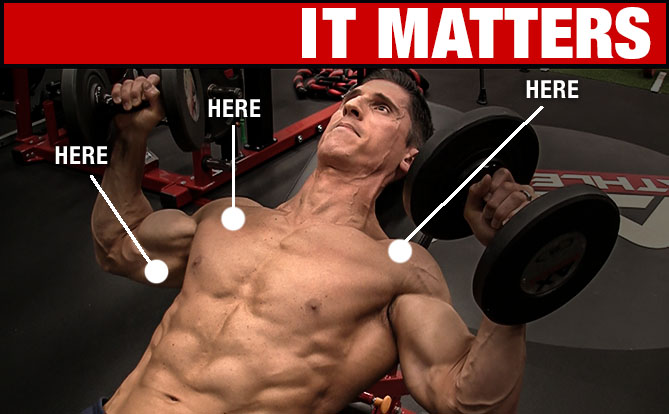
Using bad form reduces exercise effectiveness. Elbows flaring out too wide puts stress on shoulders. Arching your back too much can cause pain. Keep your wrists straight and controlled. Move the dumbbells in a smooth path. Proper form builds strength and prevents injury.
Overtraining Risks
Training too hard or too often can cause fatigue. Muscles need time to heal and grow. Overtraining leads to weak performance and pain. Limit dumbbell press sessions to two or three per week. Listen to your body and avoid pushing past pain. Consistent, balanced workouts give best results.
Ignoring Recovery
Recovery is as important as training itself. Lack of rest increases injury risk. Sleep and nutrition help muscles repair. Stretch and use light activity on rest days. Avoid skipping recovery to keep progress steady. Proper recovery supports strength gains and overall health.
Credit: learn.athleanx.com
Tracking Progress Effectively
Tracking progress effectively is key to improving your bench press with dumbbell presses. It helps you see what works and what needs change. Keeping clear records guides your training and keeps motivation high.
Using Performance Metrics
Track reps, sets, and weight lifted each session. Note how many dumbbell presses you complete and the weight you use. Monitor how your bench press numbers change over time. Measure rest time between sets. These simple stats show progress and reveal plateaus.
Adjusting Workouts Based On Feedback
Use your tracked data to change workouts. Increase weight or reps if progress stalls. Decrease load if form breaks down or pain appears. Listen to your body’s signals. Fine-tune exercises to avoid injury and boost strength.
Setting Realistic Goals
Create clear, achievable targets for both dumbbell and bench presses. Start small, like adding one more rep or 2.5 pounds each week. Celebrate small wins. Realistic goals keep you focused and prevent burnout.
Frequently Asked Questions
Does Dumbbell Press Improve Bench Press Strength?
Yes, dumbbell press enhances bench press strength by improving muscle balance and stability. It engages more stabilizer muscles, leading to overall better pressing power.
How Does Dumbbell Press Benefit Bench Press Technique?
Dumbbell press promotes a greater range of motion and corrects muscle imbalances. This helps improve bench press form and reduces injury risk.
Can Dumbbell Press Increase Chest Muscle Activation?
Absolutely. Dumbbell press activates the chest muscles more evenly and deeply. This results in stronger, well-rounded chest development supporting bench press.
Should Dumbbell Press Be Included In Bench Press Training?
Including dumbbell press in your routine complements bench press training. It builds supporting muscles and enhances joint stability for improved bench performance.
Conclusion
Dumbbell press builds strength and stability for the bench press. It works muscles in a different way than a barbell. This helps fix weak spots and improves control. Using dumbbells can reduce injury risk by balancing both sides. Regular practice of dumbbell press supports better bench press performance.
Try adding it to your routine for steady progress. Small changes bring big results over time. Keep training smart and stay consistent. Your bench press will likely improve with time. Simple, effective, and worth trying.


