If you want stronger, well-defined arms, learning how to bicep curl with dumbbells is a great place to start. This simple exercise targets your biceps, helping you build muscle and improve your arm strength.
But doing it the right way is key—using poor form can limit your progress and even cause injury. In this guide, you’ll discover easy steps to master the bicep curl with dumbbells, tips to avoid common mistakes, and how to get the most out of every rep.
Ready to take your arm workout to the next level? Let’s dive in!
Credit: www.menshealth.com
Benefits Of Dumbbell Bicep Curls
Dumbbell bicep curls offer many benefits for your arms and overall fitness. They help build muscle, improve arm shape, and fit easily into any workout plan. Using dumbbells allows you to work each arm separately. This leads to balanced strength and better muscle control.
These curls also suit beginners and experienced lifters. You can do them at home or in the gym. The simple movement targets your biceps effectively and safely. Let’s explore the key benefits of dumbbell bicep curls.
Muscle Growth And Strength
Dumbbell bicep curls help increase muscle size and power. Lifting weights causes tiny muscle tears. Your body repairs these tears, making muscles bigger and stronger. Dumbbells allow a full range of motion, engaging all parts of the bicep. This leads to better muscle growth and strength gains.
Improved Arm Definition
This exercise tones your arms by targeting the biceps directly. Defined arms show muscle shape and firmness. Dumbbell curls help reduce excess fat around the arms. With regular practice, your arms will look more sculpted and fit. This improves your overall appearance and confidence.
Versatility And Convenience
Dumbbell bicep curls require only dumbbells, which are easy to find. You can do them anywhere—home, gym, or outdoors. They fit into many workout routines and combine well with other exercises. Dumbbells come in various weights, so you can adjust the challenge. This makes the exercise suitable for all fitness levels.

Credit: www.dmoose.com
Choosing The Right Dumbbells
Choosing the right dumbbells is important for effective bicep curls. The correct weight helps you build muscle safely and avoid injury. Dumbbells come in different types and weights. Picking the best option depends on your strength and workout goals.
Weight Selection Tips
Start with a light weight to learn the correct form. You should feel muscle tension but no pain. Pick a weight that allows 8 to 12 repetitions per set. If you can easily do more than 12 reps, increase the weight. If you struggle to do 8, lower the weight. Gradually increase weight as your strength improves.
Adjustable Vs Fixed Dumbbells
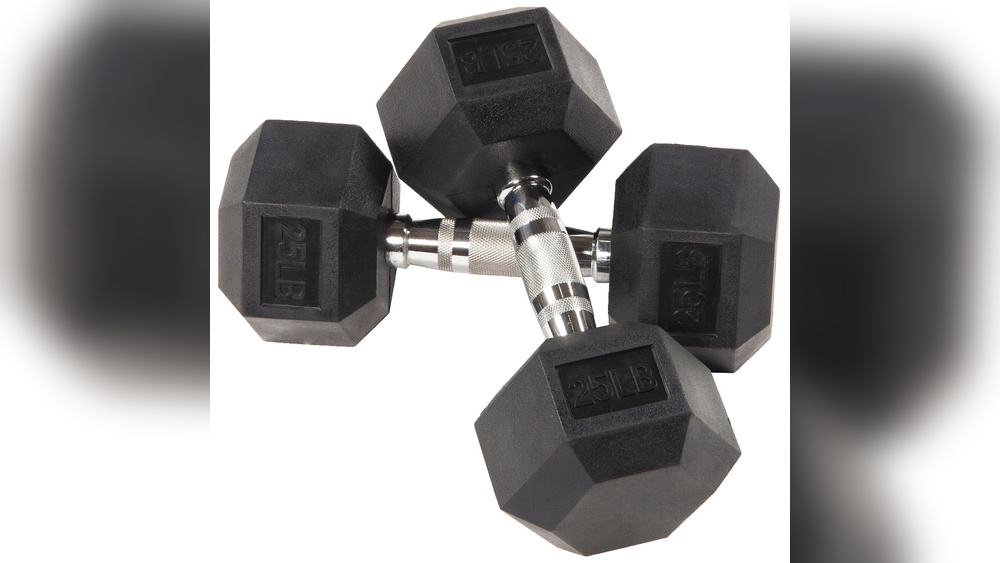
Fixed dumbbells have a set weight and are easy to use. They are good for beginners and simple workouts. Adjustable dumbbells let you change weights quickly. They save space and money in the long run. Choose adjustable dumbbells if you want variety in your workouts. Fixed dumbbells work well if you focus on one weight.
Safety Considerations
Check dumbbells for damage before each use. Make sure the grips are secure and comfortable. Use weights that you can control without swinging. Avoid dropping dumbbells to protect your floor and equipment. Keep your workout area clear to prevent accidents. Always warm up before lifting to prepare your muscles.
Setting Up For The Exercise
Setting up properly for bicep curls with dumbbells helps you exercise safely. It also makes sure you get the best results. Before lifting, take time to get your body ready. Focus on your stance, grip, and breathing. These basics improve your form and prevent injury.
Proper Stance And Posture
Stand with your feet shoulder-width apart. Keep your knees slightly bent. This stance gives you balance and support. Hold your chest up and shoulders back. Avoid leaning forward or arching your back. Keep your spine straight. Good posture helps target your biceps better.
Grip Techniques
Hold a dumbbell in each hand. Use a firm but not tight grip. Your palms should face forward. Keep your wrists straight, not bent. This grip keeps your arms stable. It also protects your wrists from strain. Try to keep your elbows close to your sides.
Breathing Patterns
Breathe in before you lift the dumbbells. Breathe out slowly as you curl the weight up. This breathing pattern helps you stay strong. It also keeps your body steady. Avoid holding your breath during the exercise. Controlled breathing improves your focus and energy.
Step-by-step Curl Technique
Understanding the correct technique for bicep curls is important for safety and muscle growth. Follow these simple steps to perform curls with dumbbells properly. Each step helps you build strength and avoid injury.
Starting Position
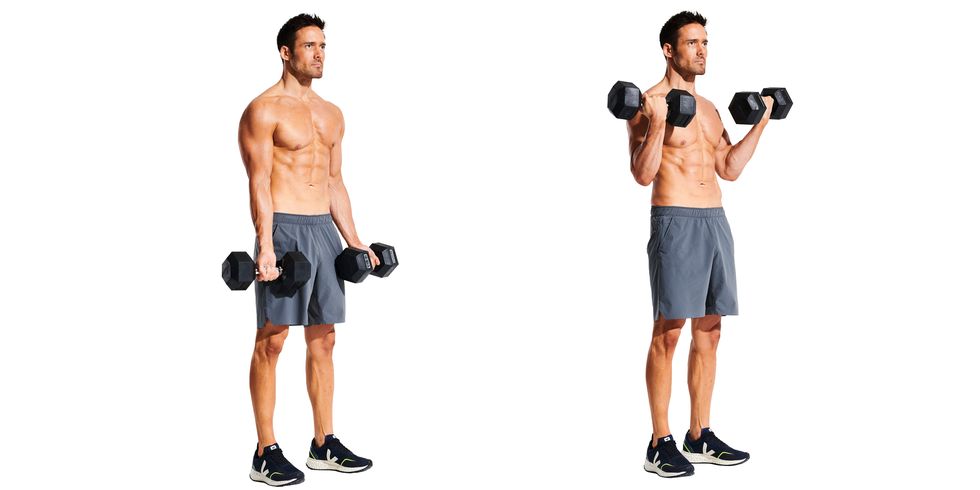
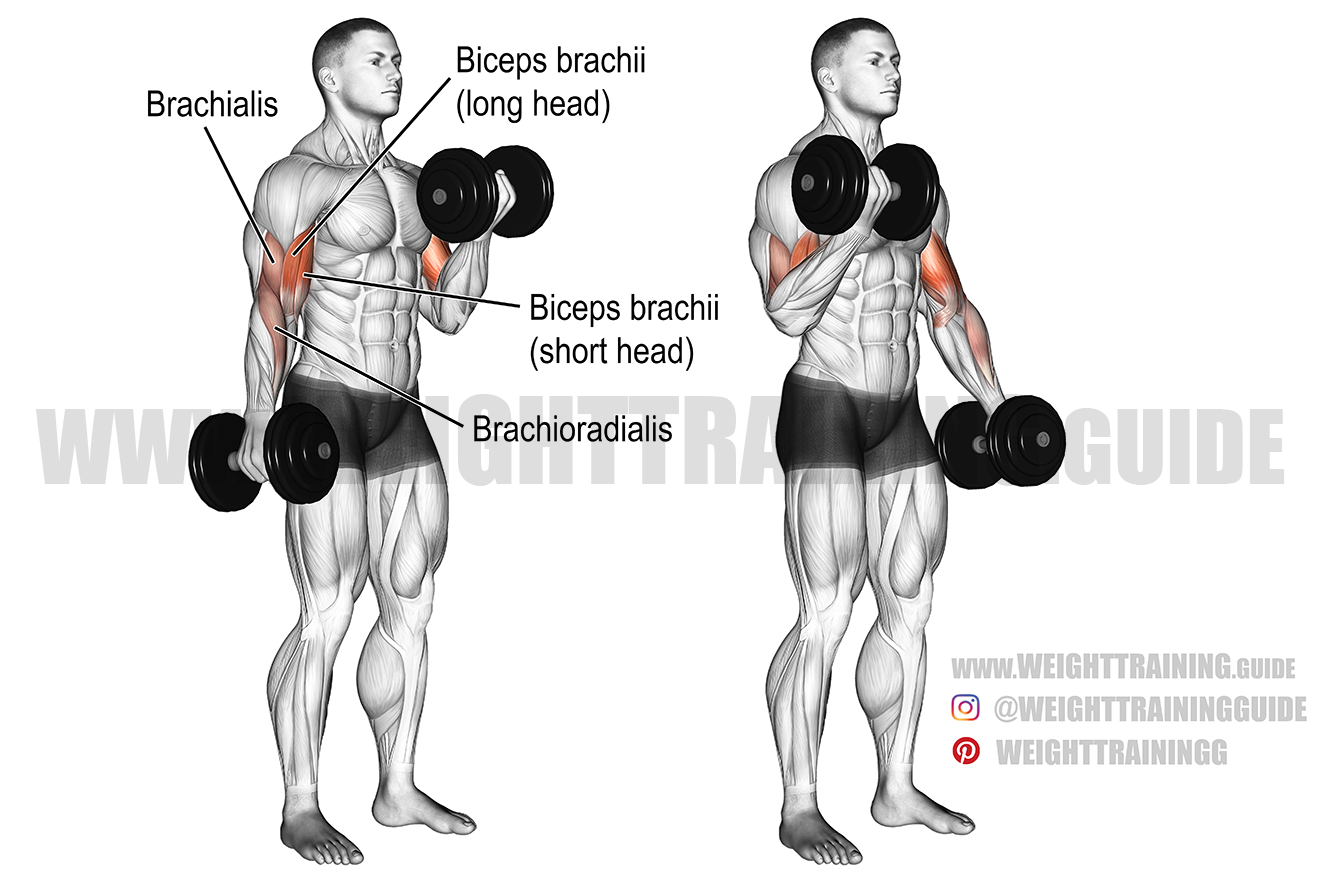
Stand straight with feet shoulder-width apart. Hold a dumbbell in each hand. Keep your arms fully extended and palms facing forward. Keep your elbows close to your body. This stance sets a solid base for the curl.
Lifting The Dumbbell
Slowly bend your elbows to lift the dumbbells. Bring the weights toward your shoulders. Keep your upper arms still and focus on using your biceps. Avoid swinging your body or using momentum. Lift with control for better muscle work.
Lowering With Control
Lower the dumbbells slowly back to the starting position. Extend your arms fully but do not lock your elbows. Control the movement to keep tension in your muscles. This helps prevent injury and builds strength.
Common Mistakes To Avoid
Do not swing your body to lift the weights. Avoid lifting too fast or using too heavy dumbbells. Keep your elbows close to your sides. Do not let your wrists bend during the curl. These mistakes reduce the exercise’s effectiveness and increase injury risk.
Variations To Enhance The Curl
Adding variations to your dumbbell bicep curls can target different parts of your muscles. This helps in building stronger and well-shaped arms. Changing the grip or angle shifts the focus to different muscle fibers. It also prevents workout boredom and plateaus.
Hammer Curl
The hammer curl uses a neutral grip, with palms facing each other. Hold the dumbbells at your sides and curl them up without twisting your wrists. This move works both the biceps and the forearms. It adds thickness to your upper arms and improves grip strength.
Concentration Curl
Sit on a bench with your legs apart. Hold one dumbbell and rest your elbow on the inside of your thigh. Curl the weight slowly towards your shoulder. This isolates the biceps for a stronger muscle contraction. It helps in improving muscle definition and control.
Incline Dumbbell Curl
Lie back on an incline bench with your arms hanging down. Keep your palms facing forward and curl the dumbbells up. This position stretches the biceps at the start of the movement. It activates more muscle fibers and improves muscle length.
Integrating Curls Into Your Workout
Integrating bicep curls into your workout helps build stronger arms. Dumbbell curls are simple yet effective. Adding them correctly improves muscle tone and strength. Planning reps, sets, and rest boosts results. Pairing curls with other exercises makes your routine balanced and complete.
Reps And Sets For Different Goals
For muscle endurance, do 12 to 15 reps per set. Perform 2 to 3 sets. To build muscle size, choose 8 to 12 reps per set. Aim for 3 to 4 sets. For strength, lift heavier weights with 4 to 6 reps. Complete 4 to 5 sets. Adjust weights and reps based on your goal.
Combining With Other Arm Exercises
Mix curls with tricep dips or extensions. Work both biceps and triceps for balanced arms. Add wrist curls for forearm strength. Include compound moves like push-ups or rows. These exercises help overall arm development. Rotate exercises to avoid muscle fatigue.
Rest And Recovery Tips
Rest is key to muscle growth. Allow 48 hours between arm workouts. Drink water to stay hydrated. Stretch your arms gently after each session. Sleep well to help muscles repair. Listen to your body to avoid injury.
Troubleshooting And Tips
Performing bicep curls with dumbbells can sometimes bring up challenges. This section helps solve common problems and gives helpful tips. Follow these steps to improve your workout and stay safe.
Dealing With Muscle Soreness
Muscle soreness is normal after a workout. It means your muscles are healing and growing stronger. Rest for at least 24 hours between sessions. Use light stretching to ease tightness. Drinking water helps flush out toxins. If soreness lasts more than three days, reduce the workout intensity.
Improving Form Over Time
Good form prevents injury and boosts results. Start with lighter weights to focus on technique. Keep your elbows close to your body. Avoid swinging your arms to lift the dumbbells. Move slowly and control each repetition. Watch yourself in a mirror or record your form. Practice regularly to build muscle memory.
When To Increase Weight
Increase weight when curls feel too easy. You should still perform each rep with good form. If you can do more than 12 reps easily, try heavier dumbbells. Add weight gradually to avoid strain. Increasing weight challenges your muscles and supports growth.
Credit: weighttraining.guide
Frequently Asked Questions
How Do I Perform A Proper Dumbbell Bicep Curl?
Stand straight with a dumbbell in each hand. Keep elbows close to your torso. Curl the weights while contracting your biceps. Lower them slowly to the start position. Maintain controlled movements to avoid injury.
What Muscles Do Dumbbell Bicep Curls Target?
Dumbbell bicep curls primarily work the biceps brachii. They also engage the brachialis and brachioradialis muscles. This exercise helps increase arm strength and muscle size effectively.
How Many Reps And Sets Are Ideal For Bicep Curls?
Aim for 3 to 4 sets of 8 to 12 reps. Use a weight that challenges you but allows proper form. Rest for 30 to 60 seconds between sets for best results.
Can Bicep Curls With Dumbbells Improve Arm Definition?
Yes, consistent dumbbell bicep curls help tone and define arm muscles. Combined with proper diet and overall exercise, they enhance muscle shape and strength.
Conclusion
Bicep curls with dumbbells build strong, toned arms. Keep your back straight and move slowly. Choose a weight that feels right for you. Practice regularly to see steady progress. Small steps lead to big results. Stay consistent and enjoy the workout.
Your arms will thank you.