Are you wondering how many reps you should do for the dumbbell pullover to get the best results? Whether you want to build muscle, improve your chest and back strength, or simply get a better workout, the number of reps you choose can make a big difference.
Getting this right can help you avoid plateaus and keep your progress steady. You’ll discover the ideal rep range for your goals and how to adjust your routine to see real changes. Keep reading to unlock the secret to maximizing your dumbbell pullover workouts!
Credit: learn.athleanx.com
Benefits Of Dumbbell Pullover
The dumbbell pullover is a versatile exercise with many benefits. It works several muscle groups at once. This helps build strength and improve muscle balance. It also engages your core for better stability. This exercise fits well in many workout routines. It can help improve your overall fitness and posture.
Targeted Muscle Groups
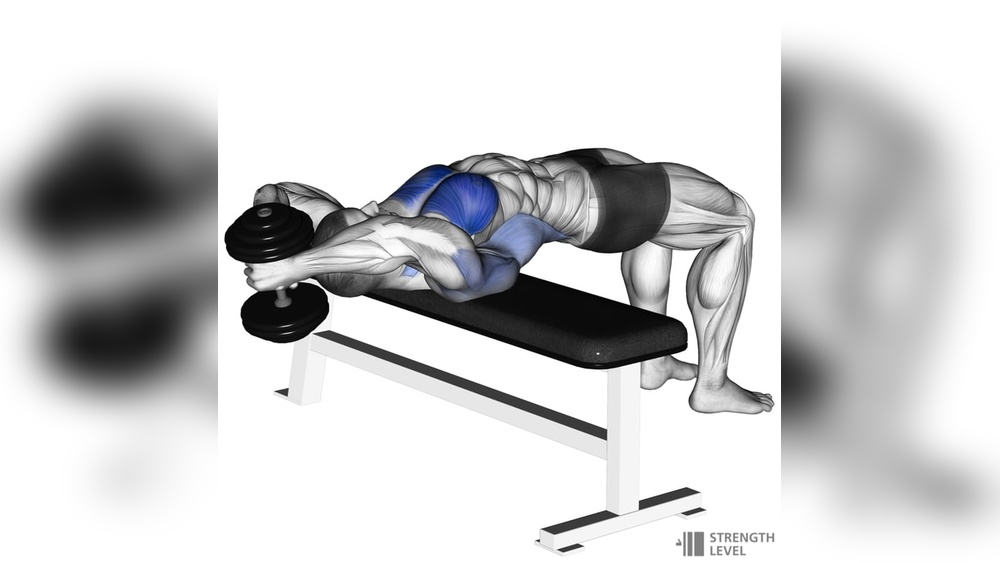
The dumbbell pullover mainly works the chest and back muscles. It targets the pectoralis major, the large chest muscle. It also works the latissimus dorsi, the broad muscle of the back. The exercise activates the serratus anterior, found along the ribs. This helps with shoulder movement and stability. The triceps get some work too during the movement. This makes the dumbbell pullover a great compound exercise.
Improved Chest And Back Strength
This exercise strengthens the chest and back muscles. Strong chest muscles improve pushing power and upper body shape. Strong back muscles help with pulling movements and posture. Balanced chest and back strength reduce the risk of injury. They support better shoulder health and mobility. The dumbbell pullover can boost your performance in other exercises. It helps create a well-rounded upper body workout.
Enhanced Core Stability
The dumbbell pullover requires core engagement for control. Your abs and lower back muscles work to keep balance. This improves overall core strength and stability. A strong core supports better posture and reduces back pain. It helps with daily activities and sports performance. Regular practice of the dumbbell pullover builds a stable midsection. This enhances your body’s ability to handle heavy lifts safely.
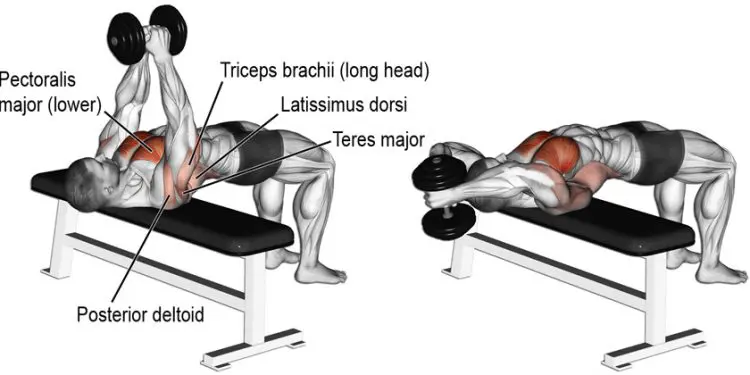
Credit: fitnessvolt.com
Reps For Muscle Growth
Choosing the right number of reps for dumbbell pullovers helps build muscle effectively. Muscle growth needs a balance between effort and recovery. Picking the correct reps boosts strength and size over time. Let’s explore the best rep ranges and training tips for gains.
Optimal Rep Range
For muscle growth, aim for 8 to 12 reps per set. This range creates enough tension to stress muscles. It also allows you to use a weight heavy enough to challenge. Staying in this range helps muscles grow stronger and bigger.
Balancing Volume And Intensity
Volume means total reps and sets done in a workout. Intensity means how heavy the weights are. Balance both to avoid injury and overtraining. Use moderate weight and enough sets to tire muscles well. Around 3 to 4 sets per exercise works best.
Progressive Overload Tips
Muscles grow by adapting to harder challenges. Increase weight or reps gradually over weeks. Add small weight jumps or do one extra rep each session. Track progress to keep muscles under constant growth pressure.
Reps For Endurance And Toning
Choosing the right number of reps for dumbbell pullovers affects endurance and toning. Endurance training helps muscles work longer without getting tired. Toning focuses on muscle definition and shape without adding bulk. Both goals need a different approach to reps and sets.
Higher Repetition Strategy
To build endurance and tone, aim for 12 to 20 reps per set. High reps keep muscles active longer and improve stamina. Use lighter weights that let you complete all reps with good form. This approach helps muscles become leaner and more defined.
Muscle Fatigue And Recovery
Muscle fatigue happens when muscles get tired after many reps. It signals muscles to adapt and grow stronger. Rest between sets allows muscles to recover and prepare for the next effort. Keep rest times short, about 30 to 60 seconds, to maintain endurance.
Incorporating Supersets
Supersets combine dumbbell pullovers with another exercise without resting. This method increases workout intensity and saves time. Pair pullovers with chest presses or push-ups for balanced muscle work. Supersets challenge muscles and boost endurance and toning results.
Adjusting Reps Based On Goals
Adjusting the number of reps for dumbbell pullovers depends on what you want to achieve. Different goals need different rep ranges. Understanding these can help you plan your workouts better. It also prevents injury and boosts progress. Below are key points to consider for reps based on your goals.
Strength Vs Hypertrophy
For strength, use heavier weights and fewer reps. Aim for 3 to 6 reps per set. This helps muscles handle heavier loads. For muscle growth, also called hypertrophy, use moderate weights. Perform 8 to 12 reps per set. This range creates muscle size and endurance.
Fat Loss Considerations
Fat loss needs a mix of strength and endurance. Choose lighter weights and do 12 to 20 reps per set. This keeps your heart rate higher. It burns more calories during exercise. Combine with cardio for the best fat loss results.
Personal Fitness Levels
Beginners should start with fewer reps and lighter weights. This builds good form and prevents injury. Gradually increase reps as strength improves. Experienced lifters can adjust reps based on their goals. Always listen to your body during workouts.
Common Mistakes With Dumbbell Pullover
The dumbbell pullover is a popular exercise for chest and back muscles. Many people make common mistakes while doing it. These errors can reduce benefits and increase injury risk. Understanding these mistakes helps improve form and results.
Incorrect Form
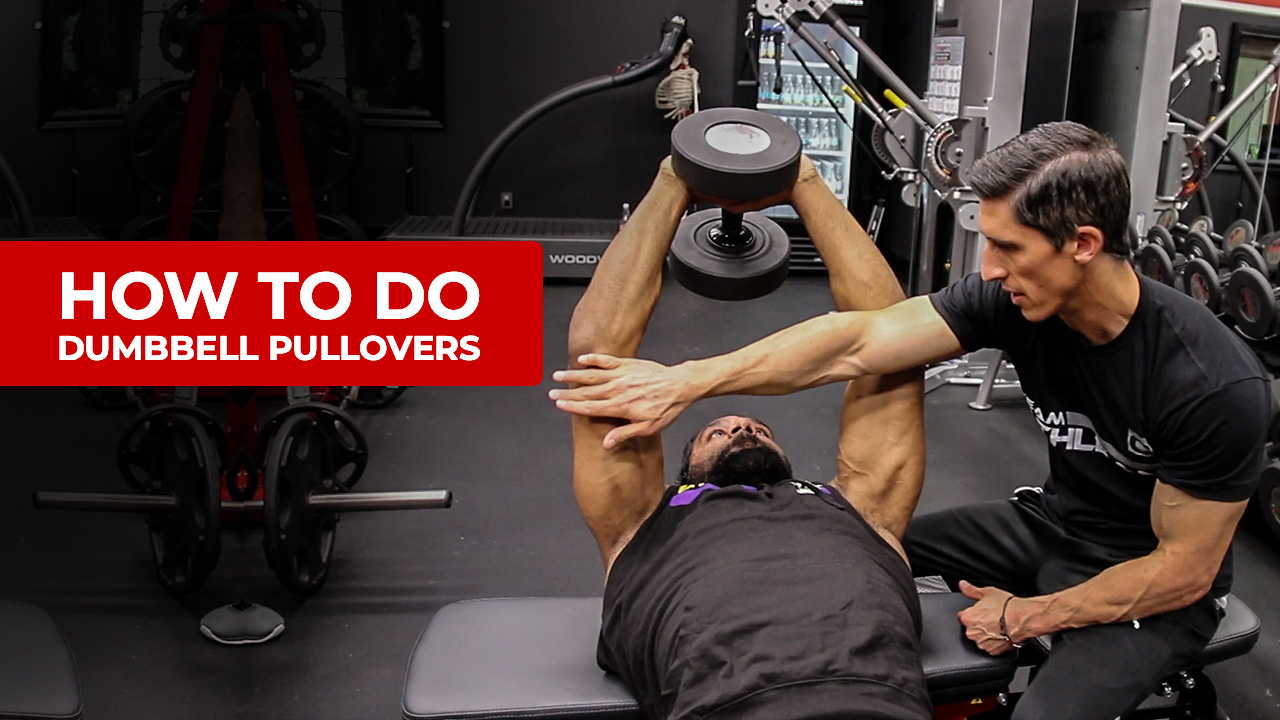
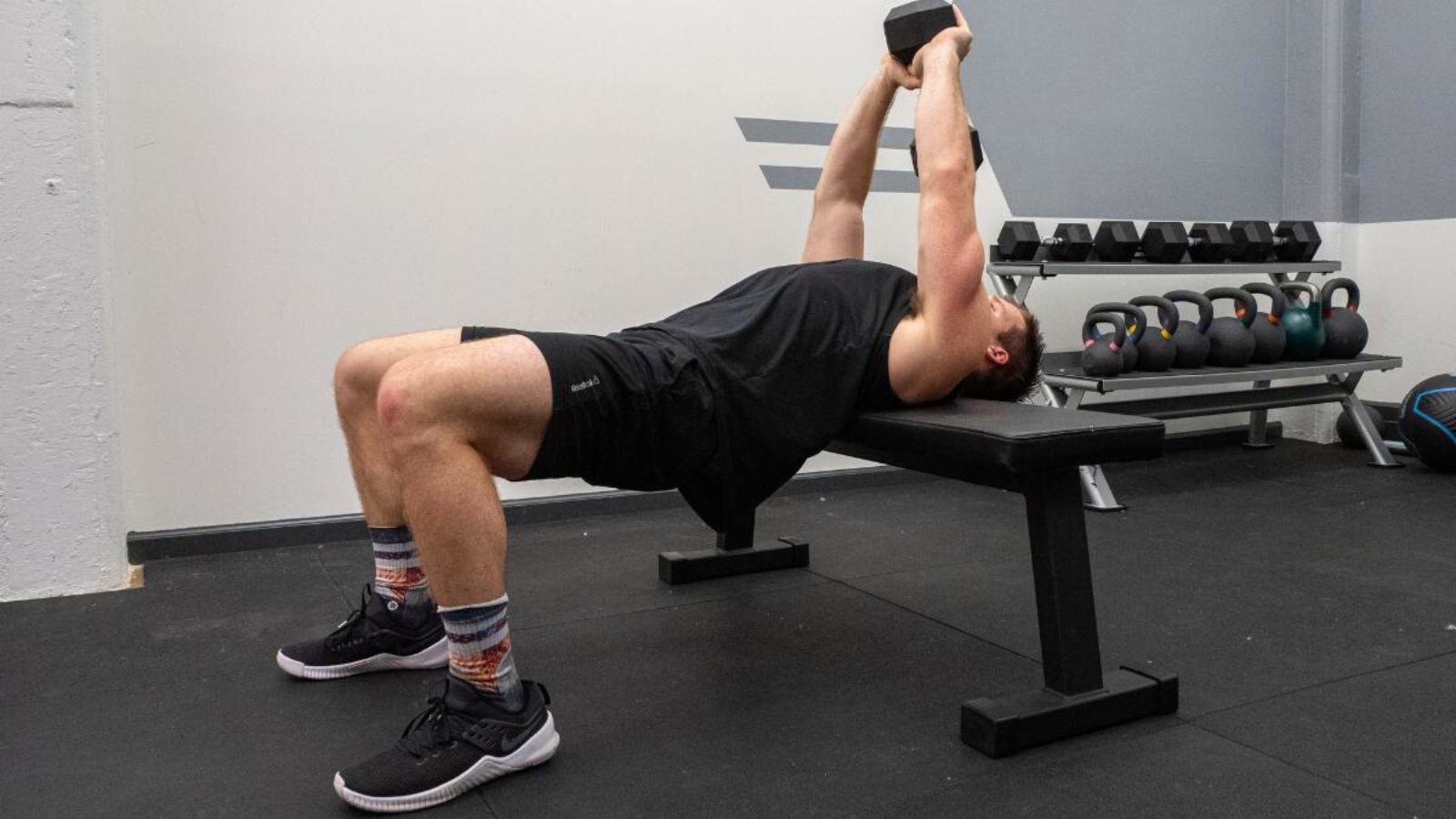
Holding the dumbbell too far behind the head strains the shoulders. Bending the elbows too much reduces the stretch on muscles. Arching the lower back puts extra pressure on the spine. Keep your core tight and move slowly for better control.
Overtraining Risks
Doing too many reps or sets causes muscle fatigue. Overtraining can lead to pain and injury in the shoulders. Rest days are important to let muscles recover. Listen to your body and avoid pushing too hard.
Ignoring Warm-up And Cool-down
Starting without warming up increases injury chances. Warm-up prepares muscles and joints for movement. Skipping cool-down can cause stiffness and soreness. Stretch gently after your workout to help recovery.
Credit: barbend.com
Sample Dumbbell Pullover Workout Plans
Sample dumbbell pullover workout plans help you train effectively. They suit different fitness levels. Using these plans, you can improve chest, back, and core strength.
Each plan focuses on reps and sets to match your experience. This ensures progress without injury. Follow the routines as written for best results.
Beginner Routine
Start with light weights. Do 2 sets of 10-12 reps. Rest for 60 seconds between sets. Perform this twice a week. Focus on form and control.
Intermediate Routine
Increase weight moderately. Complete 3 sets of 12-15 reps. Take 45 seconds rest between sets. Train 3 times per week. Add slow, steady movements for muscle growth.
Advanced Routine
Use heavy dumbbells. Perform 4 sets of 15-20 reps. Rest for 30 seconds between sets. Workout 4 times per week. Include pullover variations for challenge.
Frequently Asked Questions
How Many Reps Are Ideal For Dumbbell Pullover?
For muscle growth, aim for 8-12 reps per set. Beginners can start with 10-15 reps to build endurance. Adjust reps based on your fitness goal and experience.
Should I Do High Or Low Reps For Dumbbell Pullover?
Low reps (6-8) with heavy weight build strength. High reps (12-15) focus on muscle endurance. Choose reps based on whether you want strength or endurance.
How Many Sets Should I Perform For Dumbbell Pullover?
Perform 3 to 4 sets per workout. This volume helps balance muscle growth and recovery. Avoid overtraining by resting 60-90 seconds between sets.
Can I Do Dumbbell Pullover Reps Daily?
No, avoid daily reps to prevent muscle fatigue. Rest 48 hours between sessions for proper recovery and muscle growth. Consistency with rest improves results.
Conclusion
Finding the right number of reps for dumbbell pullovers helps build strength safely. Start with a weight you can lift comfortably for 8 to 12 reps. This range works well for most people to gain muscle and tone. Focus on good form to avoid injuries and get better results.
Listen to your body and adjust reps as you grow stronger. Consistency matters more than doing too many reps at once. Keep your workouts steady and enjoy the progress over time.