Are you curious about how much the average dumbbell bar weighs? Whether you’re just starting your fitness journey or looking to upgrade your home gym, knowing the weight of the dumbbell bar is essential.
It affects your workout, your progress, and even your safety. You’ll discover exactly what to expect when picking up a dumbbell bar and why this simple detail can make a big difference in your training. Keep reading to make sure you’re lifting smart and getting the most out of every rep.

Credit: www.reddit.com
Dumbbell Bar Basics
Dumbbell bars are the core part of any dumbbell. They hold the weights and allow you to lift safely. Knowing the basics helps you pick the right bar for your workouts. This section explains common materials, lengths, and grip styles.
Common Materials
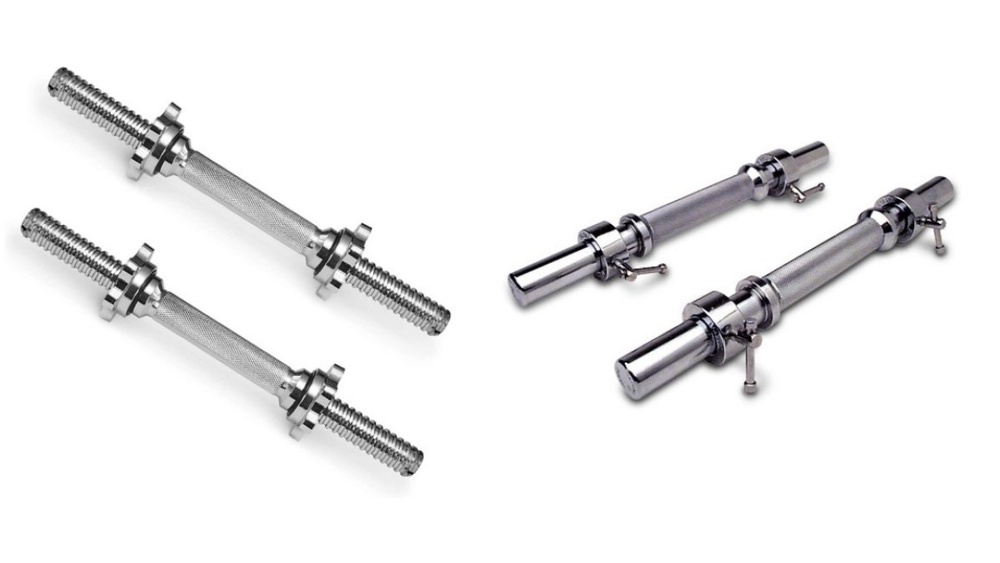
Dumbbell bars usually come in steel or chrome. Steel bars are strong and last long. Chrome bars resist rust and look shiny. Some bars have rubber or plastic coating for extra grip.
Standard Lengths
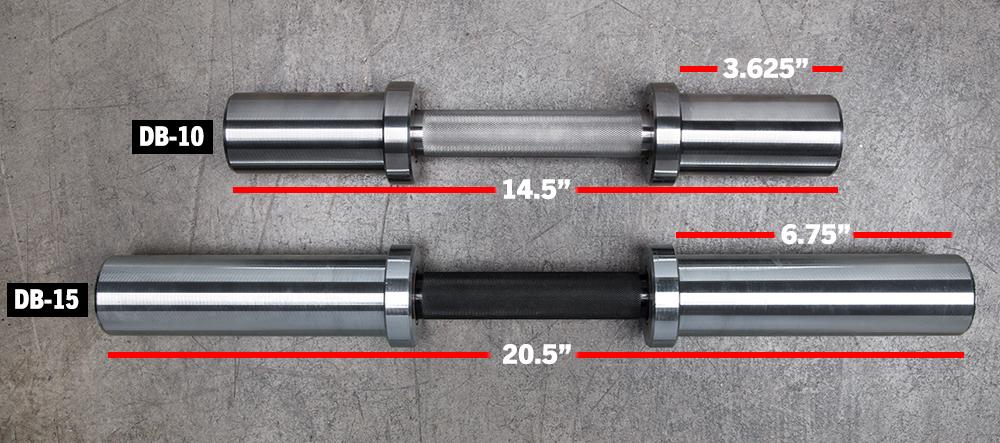
Most dumbbell bars measure between 12 to 18 inches. Shorter bars fit smaller hands and lighter weights. Longer bars hold more weight plates and suit bigger hands. Length affects comfort and balance during exercise.
Grip Styles
Grip styles vary to improve hold and comfort. Knurled grips have rough surfaces to prevent slipping. Smooth grips feel softer but might be slippery. Some bars include rubber sleeves or textured patterns for better grip.
Typical Dumbbell Bar Weights
Dumbbell bars come in different weights depending on their design and use. Knowing the weight of a dumbbell bar helps you plan your workouts better. It also helps you choose the right bar for your strength level.
Most dumbbell bars weigh between 2 and 10 pounds. The exact weight depends on the type of bar. Some bars are fixed weight, while others are adjustable. Each type has its own weight range.
Fixed Weight Bars
Fixed weight bars have weights built into them. These bars usually weigh around 5 to 10 pounds. They are ready to use and do not need any extra plates. Fixed bars are simple and good for quick workouts.
Adjustable Bars
Adjustable bars are lighter because you add weight plates. The bars alone often weigh 2 to 5 pounds. You can change the total weight by adding or removing plates. This makes adjustable bars very flexible for different exercises.
Weight Variations By Type
Standard dumbbell bars are usually lighter, around 2 to 4 pounds. Olympic bars are thicker and heavier, often 5 to 10 pounds. Some specialty bars, like curl bars, have unique shapes and weights. Their weight ranges from 4 to 8 pounds. Choose the bar that fits your workout style and strength.
Factors Influencing Bar Weight
The weight of a dumbbell bar varies widely. Several factors affect its overall weight. Understanding these factors helps you choose the right bar for your workouts. Below are key elements that influence the weight of a dumbbell bar.
Material Density
The material used in the bar plays a big role. Steel bars are heavier than aluminum bars. Some bars use iron, which is very dense and adds weight. Plastic or rubber-coated bars weigh less. Denser materials make the bar heavier and more durable.
Bar Length And Diameter
Longer bars weigh more due to extra material. Thicker bars also add weight by volume. Standard dumbbell bars vary between 14 to 20 inches long. The diameter affects how much metal is used. Bigger diameter means more weight in the bar itself.
Sleeve Design And Thickness
Sleeves hold the weight plates on the bar. Thicker sleeves add to the bar’s total weight. Some bars have solid sleeves, which are heavier. Others use hollow or thin sleeves to reduce weight. The design also affects how smoothly plates slide on and off.
Weight Differences Across Brands
Dumbbell bars come in many types and weights. The weight of a bar changes depending on its brand and style. Some bars are very light, while others can be quite heavy. Understanding these differences helps you choose the right bar for your workout.
Budget Vs Premium Bars
Budget dumbbell bars usually weigh less. They use cheaper materials like light steel or aluminum. These bars often weigh around 2 to 4 pounds. Premium bars use stronger metals like solid steel. They weigh more, often 5 to 7 pounds. Premium bars last longer and feel sturdier in hand.
Specialty Bars
Specialty dumbbell bars have unique designs. They include curl bars, hex bars, or adjustable bars. These bars have different weights based on their shape and use. Curl bars are lighter, around 4 pounds. Hex bars can weigh 8 pounds or more. Adjustable bars add weight with collars and sleeves.
Brand Comparisons
Different brands offer different bar weights. For example, CAP bars weigh about 3.5 pounds. Rogue dumbbell bars usually weigh 5 to 6 pounds. Bowflex bars are lighter, near 2 pounds. Brand choice affects bar feel and workout comfort. Weight can vary even within the same brand.
Choosing The Right Dumbbell Bar
Selecting the right dumbbell bar is important for your workout success. The bar’s weight affects your total lift and comfort. Not all bars fit every workout or weight plate. Think about your goals and gear before buying.
Finding the right bar can help you lift safely and effectively. It also makes your exercise more enjoyable. Consider these key points to choose the best dumbbell bar.
Workout Goals
Your workout goals shape the dumbbell bar choice. For strength training, heavier bars offer stability. For toning, lighter bars allow more reps. Choose a bar weight that fits your routine and progress plan.
Think about exercises you perform. Some need longer bars for two plates. Others work well with shorter bars. Match the bar size and weight to your workout style.
Compatibility With Plates
Check if the bar fits your weight plates. Bars come in different diameters and lengths. Standard plates need smaller bars than Olympic plates. Using the wrong bar causes poor fit and unsafe lifting.
Look at the bar’s sleeve size and length. Confirm it holds your plates securely. Good compatibility avoids wobbling and slipping during lifts.
Ergonomics And Comfort
Comfort matters for longer workouts. Bars with knurled grips prevent slipping. Some bars have thicker grips for larger hands. Choose a bar that feels secure and natural in your grip.
Check the bar’s weight distribution. Balanced bars reduce wrist strain. A comfortable bar helps maintain good form and avoids injury.

Credit: gym-mikolo.com
Measuring Your Dumbbell Bar’s Weight
Knowing the exact weight of your dumbbell bar helps you track your workouts better. It ensures you add the right amount of weight plates. Measuring the bar alone is the first step to accurate weight tracking. Different bars can vary in weight, so measuring is important for precise workouts.
Using A Scale
The easiest way to measure your dumbbell bar is with a scale. Place the bar carefully on the scale surface. Read the number that appears on the display. Digital kitchen scales or bathroom scales work well for this. Avoid using rough surfaces to get the most accurate reading.
Visual Weight Indicators
Some dumbbell bars have weight markings on them. Look for numbers or stickers on the bar ends or shaft. These numbers show the bar’s weight in pounds or kilograms. If your bar has no markings, compare it to bars with known weights. Visual clues can give a quick weight estimate.
Diy Weight Estimation
Use common objects to guess the bar’s weight. A standard water bottle weighs about 2 pounds. Compare the bar’s heft to the bottle’s weight. Another method is to hold the bar and estimate its heaviness. This method is less exact but useful without a scale. Practice improves your ability to guess weight better.
Tips For Dumbbell Bar Maintenance
Maintaining your dumbbell bar keeps it safe and lasts longer. Simple care steps protect your investment. Clean bars perform better and look new. Follow these tips to keep your dumbbell bar in top shape.
Cleaning And Care
Wipe your dumbbell bar after every use. Use a soft cloth to remove sweat and dirt. Mild soap and water work well for deep cleaning. Avoid harsh chemicals that damage the bar’s finish. Dry the bar completely to stop moisture buildup.
Preventing Rust
Rust weakens dumbbell bars and causes rough spots. Apply a light coat of oil to metal surfaces. Use a cloth to spread the oil evenly. Store bars in dry places to reduce rust risks. Check regularly for rust and clean it promptly.
Storage Solutions
Store dumbbell bars off the floor on racks or shelves. Keep them in a cool, dry area away from moisture. Avoid stacking heavy items on top of bars. Proper storage prevents bending and damage. Organize your workout space for easy access.
Credit: www.tworepcave.com
Frequently Asked Questions
What Is The Standard Weight Of A Dumbbell Bar?
The standard dumbbell bar typically weighs between 2 to 5 pounds. This varies by design and material. Most common bars weigh around 5 pounds, making them easy to handle and add weight plates to.
How Does Dumbbell Bar Weight Affect Workouts?
The dumbbell bar’s weight adds to the total load you lift. Knowing its weight helps you track your workout progress. It ensures accurate weight calculations for effective strength training.
Are There Different Dumbbell Bar Weights For Beginners?
Yes, beginner dumbbell bars often weigh less, around 2 to 3 pounds. This allows easier handling and gradual strength building. Choosing the right bar weight prevents injury and improves workout efficiency.
Do Adjustable Dumbbell Bars Have Standard Weights?
Adjustable dumbbell bars usually weigh about 5 pounds. This weight accommodates various plate sizes for flexibility. It offers convenience for changing workout intensities without switching bars.
Conclusion
Dumbbell bars usually weigh between 2 and 5 pounds. This weight fits most home and gym needs. Knowing the bar’s weight helps track your workout progress. It also ensures you use the right amount of weight safely. Choose a dumbbell bar that feels comfortable and sturdy.
This makes your exercise more effective and enjoyable. Keep your fitness goals in mind when picking equipment. Small details like bar weight make a big difference. Stay consistent, and you will see results over time.