
Are you wondering how many times you should lift dumbbells to get the best results? Whether you want to build muscle, burn fat, or just stay fit, the number of reps you do can make a huge difference.
Finding the right balance is key to avoiding injury and reaching your goals faster. You’ll discover exactly how many times to lift dumbbells based on what you want to achieve. Keep reading—you’re about to unlock simple, effective tips that could transform your workout and your body.
Choosing The Right Weight
Choosing the right dumbbell weight is key for effective workouts. The right weight helps build strength safely and avoids injury. It also keeps your training challenging without causing too much strain. Understanding how to pick this weight sets a strong foundation for your progress.
Finding Your Starting Point
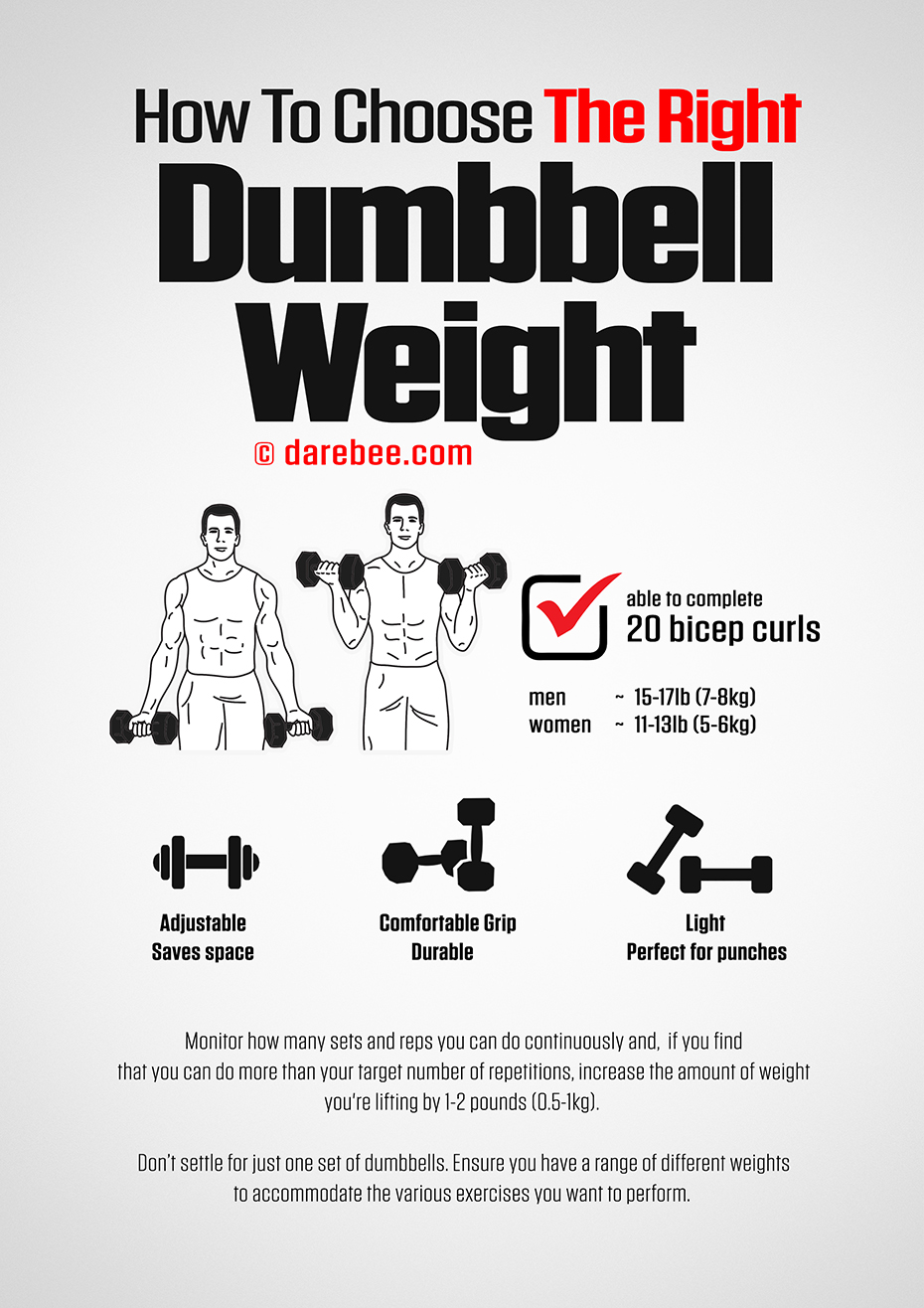
Start with a weight you can lift 8 to 12 times. The last few reps should feel hard but doable. If you cannot complete 8 reps, the weight is too heavy. If you can do more than 12 easily, the weight is too light. Choose a weight that challenges your muscles but does not cause pain.
Progressive Overload Basics
Progressive overload means gradually increasing your dumbbell weight. This forces muscles to grow stronger over time. Add small weight increases when your current weight feels easy. You can also add more reps or sets. Consistent increases keep your muscles adapting and improving.
Reps And Sets For Muscle Growth
Reps and sets play a key role in muscle growth. Choosing the right number of repetitions and sets affects your workout results. Different goals need different rep ranges. Understanding these ranges helps you train smarter and see better progress.
Muscle strength, size, and endurance all respond to specific rep and set schemes. Adjusting these can target your preferred outcome. Here’s a guide to reps and sets for muscle growth with dumbbells.
Low Reps For Strength
Low reps usually mean lifting heavy weights for about 1 to 5 repetitions. This method builds raw strength. It trains muscles to handle more load. Sets often range from 3 to 5 with longer rest between them. This helps muscles recover and lift heavy again.
Strength training with low reps also improves your nervous system’s ability. It makes your body better at recruiting muscle fibers. This leads to more power in your lifts.
Moderate Reps For Hypertrophy
Moderate reps fall between 6 and 12 repetitions per set. This range is best for muscle growth, also called hypertrophy. It balances weight and volume to stress muscles effectively. Completing 3 to 4 sets works well here.
This rep range causes muscle fibers to swell and grow. It also increases blood flow to muscles. That helps with nutrient delivery and recovery. Moderate reps are the most popular choice for growing bigger muscles.
High Reps For Endurance
High reps mean performing more than 12 repetitions per set. This trains muscle endurance. You lift lighter weights but for longer periods. Sets can go up to 15 or 20 reps. This improves muscle stamina and resistance to fatigue.
Endurance training helps with daily tasks and sports. It also supports muscle tone without adding much bulk. High reps keep muscles active and ready for prolonged effort.
Tailoring Frequency To Goals
Choosing how often to lift dumbbells depends on your fitness goals. Each goal needs a different approach to frequency and intensity. Tailoring your workouts helps you get the best results without overtraining. Understanding your goal guides how many times per week you should lift weights.
Training For Strength Gains
Strength training focuses on lifting heavy weights with fewer repetitions. Aim to lift dumbbells 3 to 4 times per week. Rest days between sessions allow muscles to recover and grow stronger. Use heavier weights with 4 to 6 reps per set to build strength.
Building Muscle Mass
Muscle growth requires moderate weight and more repetitions. Lift dumbbells 3 to 5 times per week for best results. Perform 8 to 12 reps per set with moderate to heavy weights. Give muscles time to recover by alternating muscle groups each day.
Improving Muscular Endurance
Endurance training uses lighter weights and more repetitions. Lift dumbbells 4 to 6 times per week to increase stamina. Complete 12 to 20 reps per set with lighter weights. Short rest periods between sets keep muscles working longer.

Credit: www.eatthis.com
Balancing Rest And Recovery
Balancing rest and recovery is key to effective dumbbell training. Rest helps muscles repair and grow stronger after workouts. Without enough rest, progress can slow or stop. It also lowers the risk of injury. Finding the right balance improves performance and keeps you motivated.
Importance Of Rest Days
Rest days allow muscles to heal and rebuild. This process makes muscles bigger and stronger. Skipping rest can cause fatigue and reduce strength. Rest days also help prevent burnout. Your body needs time to recover after lifting dumbbells. Plan at least one or two rest days each week.
Signs Of Overtraining
Overtraining happens when you exercise too much without enough rest. Signs include constant tiredness, muscle soreness that lasts, and weaker performance. You might also feel irritable or have trouble sleeping. Overtraining can lead to injury. Listen to your body and take breaks when needed. Rest helps you come back stronger.
Sample Workout Plans
Sample workout plans help you understand how many times to lift dumbbells. They guide your sets, reps, and rest time. You get a clear path to follow. This makes your training safe and effective.
Choose a plan that fits your current strength and fitness level. Start easy and build up as your muscles grow stronger.
Beginner Routine
Lift light dumbbells to learn proper form. Do 2 to 3 sets of 10 to 12 reps. Rest for 60 seconds between sets. Focus on basic moves like bicep curls and shoulder presses. Train 2 to 3 times a week for best results.
Intermediate Routine
Use medium-weight dumbbells for more challenge. Perform 3 to 4 sets of 8 to 10 reps. Rest for 45 to 60 seconds between sets. Include exercises like dumbbell rows and chest presses. Train 3 to 4 times per week to build strength.
Advanced Routine
Choose heavier dumbbells to push your limits. Complete 4 to 5 sets of 6 to 8 reps. Rest for 30 to 45 seconds between sets. Add complex moves like dumbbell snatches and thrusters. Train 4 to 5 times weekly to maximize muscle growth.

Credit: www.youtube.com
Common Mistakes To Avoid
Many people make mistakes while lifting dumbbells. These errors can slow progress or cause injury. Avoiding common mistakes helps you train safely and effectively. Focus on the right techniques and smart habits.
Lifting Too Heavy Too Soon
Picking heavy dumbbells early can hurt your muscles. Your body needs time to get stronger. Start with lighter weights and increase gradually. This prevents strain and helps build endurance.
Neglecting Form
Bad form reduces the benefit of each exercise. It can also cause pain or injury. Pay attention to your posture and movement. Use slow, controlled motions to keep good form.
Ignoring Recovery
Muscles need rest to grow and heal. Skipping recovery can cause fatigue and injury. Take days off between workouts. Sleep well and eat healthy to support recovery.
Tracking Progress Effectively
Tracking progress is key to improving your dumbbell workouts. It helps you see gains and know when to increase effort. Keeping a clear record boosts motivation and guides your training plan. Simple tracking methods work best for steady progress.
Using A Workout Journal
A workout journal helps record sets, reps, and weights lifted. Write down each session’s details to track improvements over weeks. Note how you feel during exercises to spot patterns or fatigue. Journals make it easy to compare progress and stay focused.
Adjusting Workload Over Time
Gradually increase the weight or number of reps for steady gains. Track when your current routine feels easy and adjust accordingly. Small changes prevent plateaus and reduce injury risk. Listen to your body and change your workload every few weeks.
Credit: darebee.com
Frequently Asked Questions
How Many Times Should I Lift Dumbbells Daily?
For beginners, lifting dumbbells 3-4 times a week is ideal. This allows muscle recovery and growth. Avoid daily heavy lifting to prevent injury. Rest days are crucial for muscle repair and strength building.
How Many Dumbbell Reps Build Muscle Effectively?
Aim for 8-12 reps per set to build muscle. This range promotes hypertrophy and strength. Perform 3-4 sets per exercise. Adjust weight to reach fatigue by the last rep for best results.
How Often Should I Increase Dumbbell Weight?
Increase weight every 2-3 weeks if exercises feel easy. Progressive overload boosts muscle growth and strength. Gradually adding weight prevents plateaus and improves performance safely.
Can Lifting Dumbbells Daily Cause Muscle Fatigue?
Yes, daily lifting without rest can cause fatigue and injury. Muscles need 48 hours to recover fully. Incorporate rest days to avoid burnout and enhance gains.
Conclusion
Choosing how many times to lift dumbbells depends on your goal. For strength, lift fewer times with heavier weights. For endurance, lift more times with lighter weights. Rest and form matter just as much as reps. Listen to your body to avoid injury.
Consistency helps you see steady progress. Keep your workouts simple and balanced. Enjoy the process and stay patient. Results come with time and effort.


