
Are you wondering how many reps with dumbbells you should be doing to get the best results? Whether your goal is building muscle, losing fat, or boosting endurance, the number of reps you choose can make a big difference.
Getting it right means faster progress and less wasted effort. Keep reading, and you’ll discover the simple secrets to choosing the perfect rep range for your workouts—so you can reach your goals smarter and faster.
:max_bytes(150000):strip_icc()/Strength-training-sets-based-on-goals-1231231-ca194f1a2bb84d819666a9da1aff3338.jpg)
Credit: www.verywellfit.com
Choosing The Right Rep Range
Choosing the right rep range is key to getting the most from your dumbbell workouts. Different rep ranges target different goals. Picking the best one helps you train smarter and see better results. This section explains the three main rep ranges and their benefits.
Low Reps For Strength
Low reps usually mean lifting heavy weights for 1 to 5 repetitions. This range builds raw strength and power. Muscles get stronger but do not grow much in size. This is good for athletes or anyone wanting to lift heavier weights quickly. Rest time between sets should be longer to recover fully.
Moderate Reps For Hypertrophy
Moderate reps range from 6 to 12 repetitions per set. This range focuses on muscle growth, also called hypertrophy. It causes small muscle tears that heal bigger and stronger. Use moderate weights that challenge you but allow good form. Rest time should be shorter than low reps for more muscle stress.
High Reps For Endurance
High reps mean doing 15 or more reps each set. This trains muscle endurance and stamina. Muscles learn to work longer without getting tired. Use lighter weights and keep a steady pace. Short rest periods help improve your muscle’s ability to sustain effort over time.
Dumbbell Exercises For Muscle Growth
Dumbbell exercises are a great way to build muscle at home or in the gym. They help target different muscle groups and improve strength. Using dumbbells allows for a full range of motion. This leads to better muscle activation and growth. Understanding which exercises to do can boost your progress.
Compound Movements
Compound movements work several muscles at once. Examples include dumbbell squats, presses, and rows. These exercises save time and burn more calories. They also improve coordination and balance. Compound movements are essential for overall muscle growth.
Isolation Exercises
Isolation exercises target one muscle group at a time. Dumbbell curls and tricep extensions are common examples. These help fix muscle imbalances and add detail. Isolation moves are perfect for focusing on weak spots. They support the gains made with compound exercises.
Full-body Vs Targeted Workouts
Full-body workouts use exercises that hit all major muscles. They are great for beginners or busy schedules. Targeted workouts focus on specific muscles each day. This allows more volume and recovery time for each muscle. Choose based on your goals and time availability.
How Rep Range Affects Muscle Gains
Choosing the right number of reps with dumbbells changes how your muscles grow. Different rep ranges target muscles in unique ways. Understanding these effects helps you plan workouts better.
Muscle Fiber Activation
Low reps with heavy weights activate fast-twitch muscle fibers. These fibers grow bigger and stronger. High reps use slow-twitch fibers, which improve endurance. Mixing rep ranges hits both fiber types for balanced growth.
Time Under Tension
Time under tension means how long muscles work during a set. Moderate reps keep muscles under tension longer. This stress helps muscles build size. Short sets with heavy weights reduce tension time but increase strength.
Metabolic Stress
High reps cause metabolic stress by tiring muscles with many contractions. This stress triggers muscle growth and repair. It also increases blood flow and nutrient delivery to muscles. Using various rep ranges creates more metabolic stress and better gains.
Adjusting Reps For Different Goals
Adjusting the number of reps when using dumbbells helps target different fitness goals. The right rep range shapes your workout results. It changes how your muscles respond and grow. Focus on reps that fit your goal for best results. Here is how to adjust reps for strength, size, and endurance.
Building Strength
To build strength, choose heavier dumbbells. Perform fewer reps per set. Aim for 4 to 6 reps with good form. Rest longer between sets to recover fully. This trains muscles to handle heavy loads. Strength grows by pushing muscles to their limit.
Increasing Size
For bigger muscles, use moderate weight dumbbells. Do 8 to 12 reps per set. This rep range causes muscle fibers to grow. Keep rest periods shorter, around 30 to 60 seconds. This keeps muscles under tension longer. Muscle size increases through repeated effort and fatigue.
Improving Muscular Endurance
To improve endurance, pick lighter dumbbells. Perform 15 to 20 reps per set. This trains muscles to work longer without tiring. Short rest times between sets help build stamina. Endurance improves by challenging muscles with many reps.
Progressive Overload With Dumbbells
Progressive overload with dumbbells means gradually making your muscles work harder. This helps your muscles grow stronger and bigger. You can do this by changing the weight, reps, or sets during your workouts. Consistency is key to see real improvements over time.
Increasing Weight
Adding more weight to your dumbbells forces your muscles to adapt. Start with a weight you can lift comfortably for your target reps. Once it feels easier, increase the weight slightly. Small increases, like 2 to 5 pounds, help avoid injury. Your muscles will grow stronger as you lift heavier weights.
Varying Reps And Sets
Changing the number of reps and sets challenges your muscles in new ways. For example, do 3 sets of 12 reps one week, then 4 sets of 10 reps the next. Lower reps with heavier weights build strength. Higher reps with lighter weights improve endurance. Switch your reps and sets regularly to keep progressing.
Tracking Progress
Write down your weight, reps, and sets after each workout. This helps you see if you are improving. Tracking progress motivates you to keep going. It shows when to increase weight or change reps and sets. Keep a simple workout log to stay on track and reach your goals.
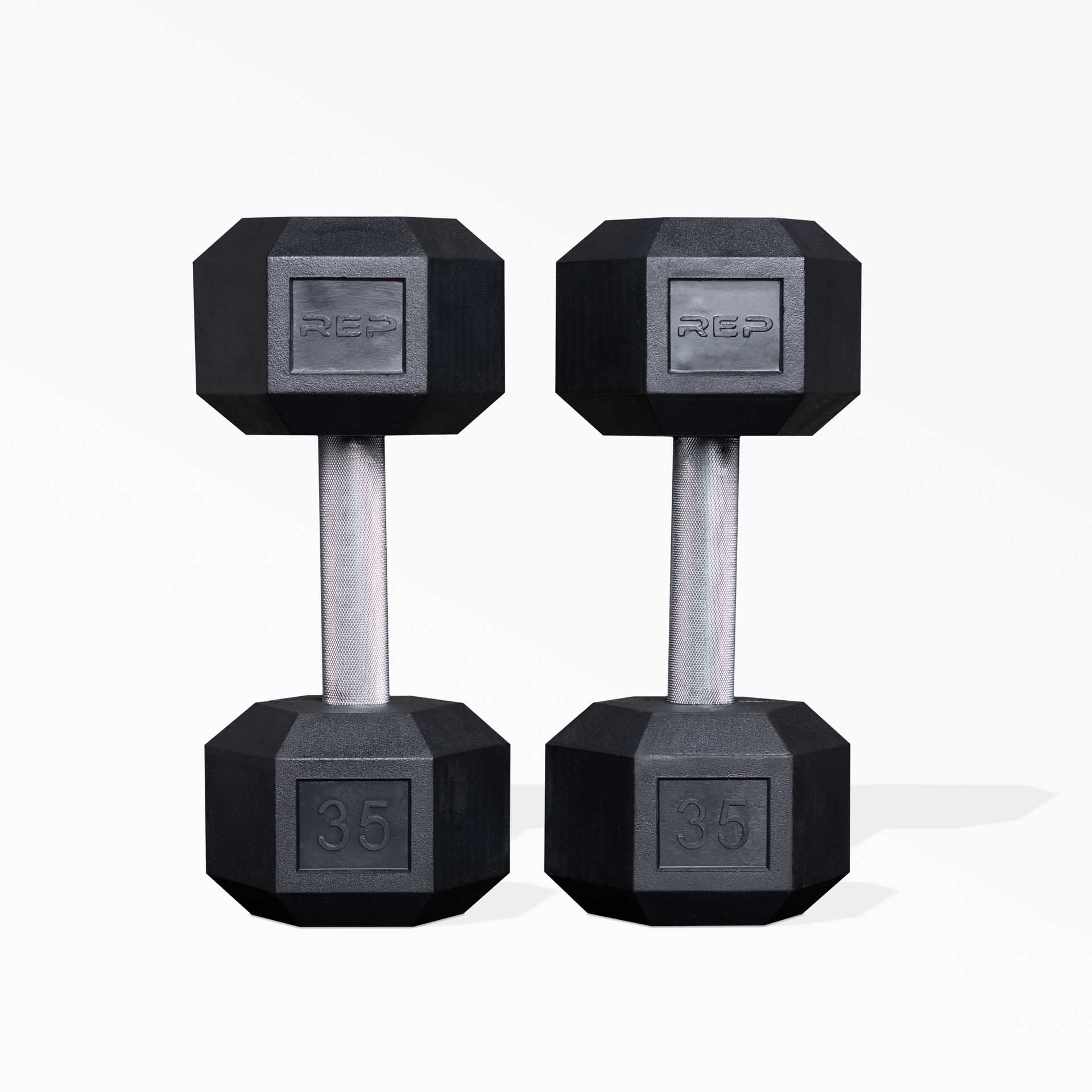
Credit: repfitness.com
Common Mistakes To Avoid
Many beginners make mistakes when using dumbbells. These errors can slow progress and cause injuries. Avoiding common mistakes helps you train safely and effectively. Focus on proper technique and rest to get the best results.
Overtraining
Doing too many reps or too much weight can hurt your muscles. Overtraining causes soreness, fatigue, and can lead to injury. Your muscles need time to recover and grow. Limit your sessions and listen to your body to avoid overtraining.
Poor Form
Using wrong form reduces the effectiveness of your workout. It can put stress on joints and cause pain. Always keep your back straight and move slowly. Good form targets the right muscles and prevents injury.
Neglecting Recovery
Rest days are as important as workout days. Muscles repair and grow during recovery. Skipping rest can cause burnout and reduce strength. Take breaks and get enough sleep for better gains.
Sample Dumbbell Rep Schemes
Sample dumbbell rep schemes help you plan your workouts effectively. They guide how many repetitions to do per set. Different routines suit different skill levels. Choosing the right scheme improves strength and muscle growth.
Start with a routine that matches your experience. Then, increase reps or weight as you get stronger. These sample schemes show easy ways to organize your dumbbell exercises.
Beginner Routine
For beginners, aim for 2-3 sets of 10-12 reps. Use lighter weights to focus on form. Rest for 30-60 seconds between sets. This routine helps build a solid foundation.
Intermediate Routine
Intermediate lifters can do 3-4 sets of 8-10 reps. Increase the dumbbell weight slightly. Rest for 45-60 seconds between sets. This scheme encourages muscle growth and endurance.
Advanced Routine
Advanced lifters try 4-5 sets of 6-8 reps. Use heavier dumbbells to challenge muscles. Rest for 60-90 seconds between sets. This routine maximizes strength and power gains.

Credit: www.youtube.com
Frequently Asked Questions
How Many Reps Should I Do With Dumbbells?
For strength, aim for 4-6 reps with heavy weights. For muscle growth, 8-12 reps work best. For endurance, perform 15-20 reps using lighter weights.
What Is The Ideal Dumbbell Rep Range For Beginners?
Beginners should start with 10-15 reps per set. Use a lighter weight to focus on form. Gradually increase weight and reduce reps as strength improves.
How Do Reps Affect Muscle Growth With Dumbbells?
Higher reps (8-12) with moderate weights stimulate muscle growth. This range causes muscle fatigue, promoting hypertrophy. Consistency and proper rest also impact growth significantly.
Can I Build Strength With High Reps On Dumbbells?
High reps improve endurance, not maximal strength. To build strength, use heavier weights with fewer reps (4-6). This activates muscle fibers essential for strength gains.
Conclusion
Choosing the right number of dumbbell reps depends on your fitness goal. Fewer reps with heavier weight build strength. More reps with lighter weight improve endurance. Mix both for balanced results and avoid boredom. Listen to your body and adjust reps as needed.
Consistency matters most for progress and health. Keep your form correct to prevent injuries. Start slow and increase reps safely over time. Dumbbell workouts fit all levels and goals. Find what works best and enjoy the process.

