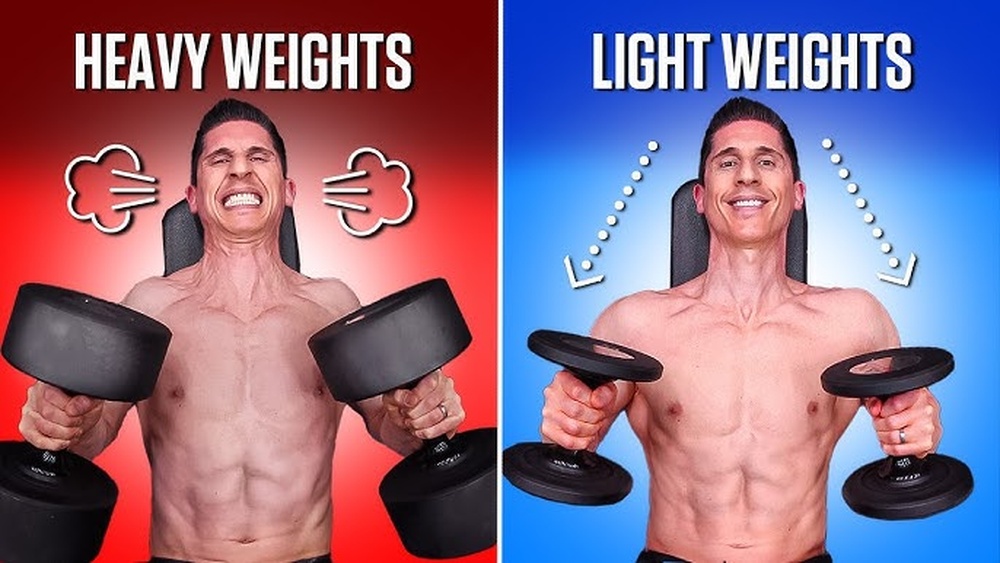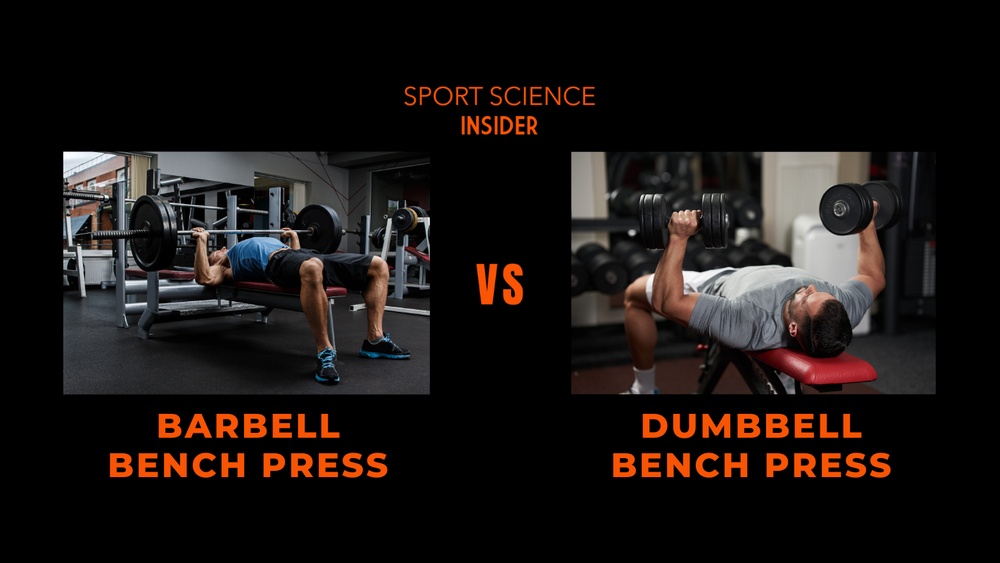
Have you ever wondered why your bench press numbers seem to outpace your dumbbell press? If you’ve hit the gym regularly, you’ve probably noticed that you can lift more weight with a barbell than with dumbbells.
But how much more? And why does this difference exist? Understanding the gap between these two exercises can help you improve your strength, avoid plateaus, and get the most out of your workouts. Keep reading to uncover the reasons behind this difference and discover how you can use it to your advantage.
Bench Press Vs Dumbbell Press
The bench press and dumbbell press are popular exercises for chest strength. Both target the chest but differ in execution and benefits. Understanding these differences helps you choose the right exercise for your goals.
Key Differences
The bench press uses a barbell, allowing both hands to lift the weight together. The dumbbell press uses two separate weights, one in each hand. This makes the dumbbell press more challenging for balance and control.
The bench press usually allows you to lift heavier weight. The dumbbell press demands more coordination and stability. Both exercises work the chest, shoulders, and triceps but in slightly different ways.
Muscle Activation
Bench press activates the chest muscles strongly with support from shoulders and triceps. The fixed bar path stabilizes the movement, focusing more power on the chest.
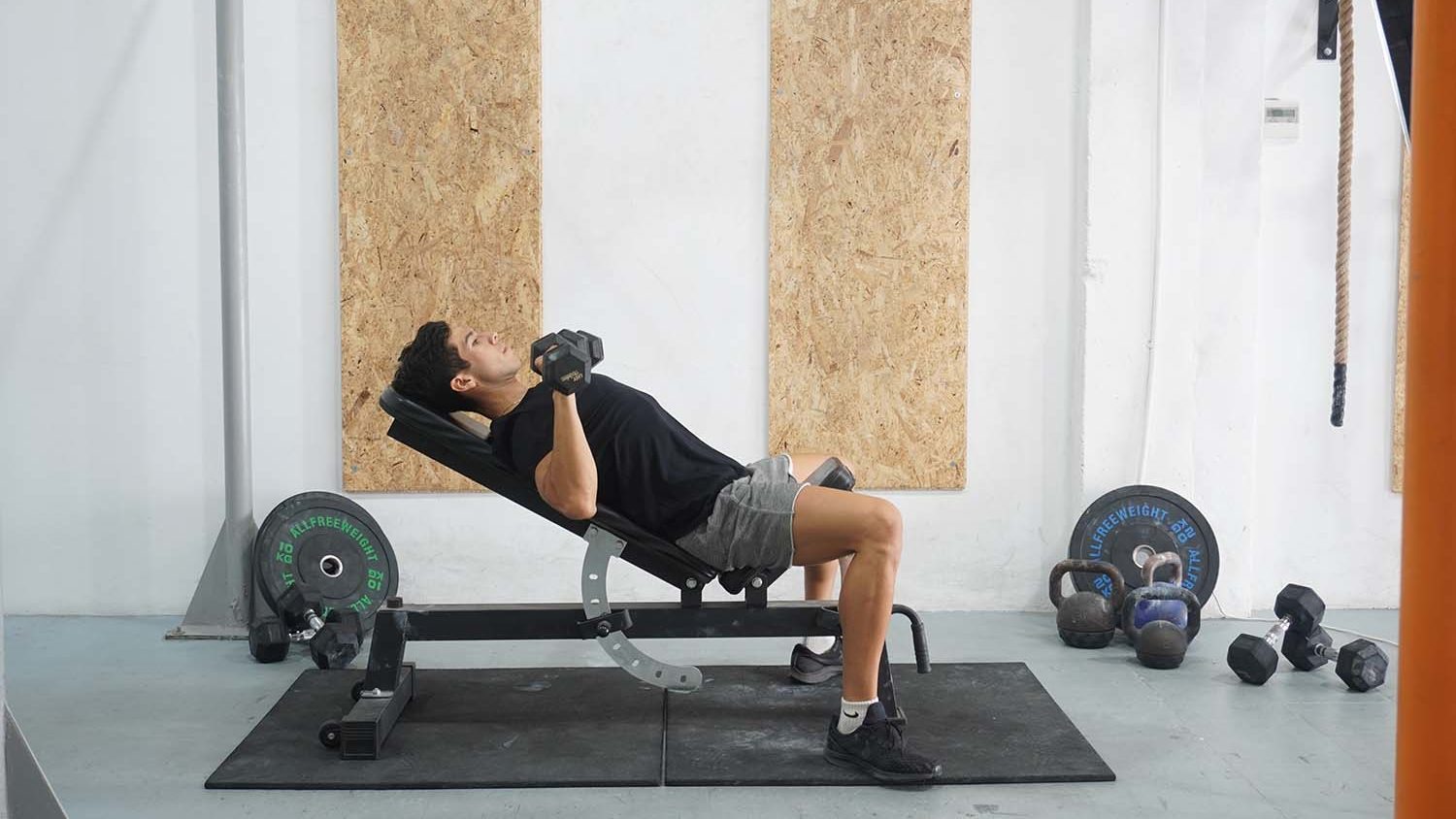
Dumbbell press requires each arm to work independently. This activates smaller stabilizer muscles around the shoulders and chest. It can help fix muscle imbalances and improve joint stability.
Range Of Motion
Dumbbell press allows a greater range of motion. You can lower the weights deeper than the barbell, stretching the chest muscles more. This stretch may lead to better muscle growth.
The bench press has a limited range due to the bar hitting the chest. The fixed path restricts movement but offers more control for heavier lifts.
Credit: www.nike.com
Typical Strength Gap
The typical strength gap between bench press and dumbbell press is a common topic in weight training. Many lifters wonder how much more weight they can handle on the barbell compared to dumbbells. Understanding this gap helps set realistic goals and improves workout planning.
Average Weight Differences
On average, people bench press about 20% to 30% more weight than they can dumbbell press. For example, if you can dumbbell press 40 pounds in each hand, you might bench press around 100 pounds. The barbell allows both arms to work together, which helps lift heavier weights.
Dumbbell press demands more balance and control. Each arm works independently, so muscles stabilize the weights. This stability challenge often limits the maximum load compared to bench press.
Factors Influencing Strength Gap
Several factors affect the strength gap between these two exercises. Muscle coordination plays a big role. Bench press lets muscles share the load more evenly. Dumbbell press requires extra effort to stabilize each dumbbell separately.
Your training experience also matters. Beginners may see a bigger gap. Experienced lifters develop better control and reduce the difference. Injury history can influence strength, too. Weakness or pain in one arm may lower dumbbell press numbers more than bench press.
Grip style, bench angle, and muscle imbalances also change the strength gap. Each factor shifts how much weight you can lift safely and effectively.
Why Bench Press Allows More Weight
The bench press lets you lift heavier weights than the dumbbell press. This difference comes from how your body moves and the equipment you use. The bench press offers more stability and support. It also allows your muscles to work together better. These factors help you handle bigger loads safely and effectively.
Stability And Support
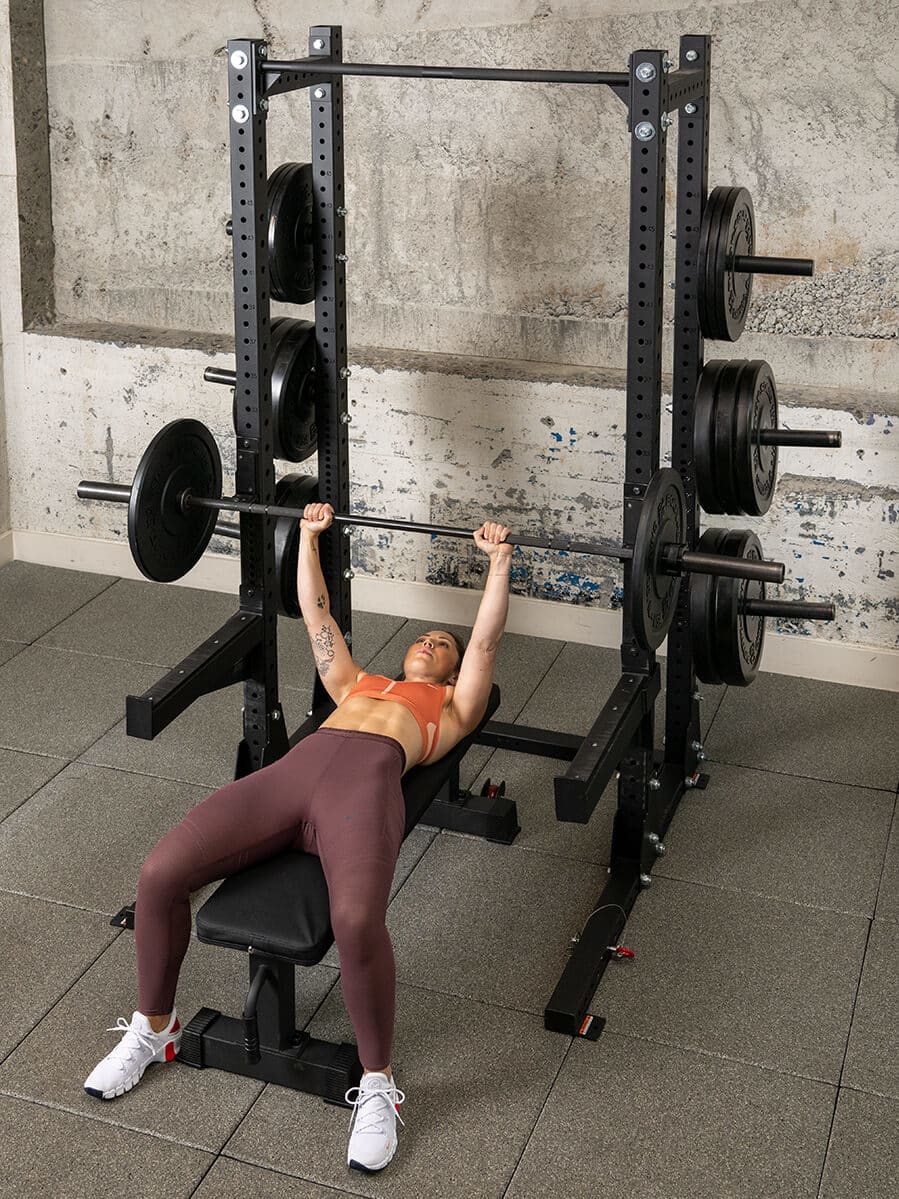
The bench press uses a flat bench for your back. This support helps keep your body steady. Your feet stay on the ground, adding balance. This setup reduces the need to control the weight alone. You can push harder without worrying about falling or shaking.
Muscle Recruitment
The barbell in the bench press activates more muscles at once. Both arms work together to lift the weight. This teamwork spreads the load across your chest, shoulders, and triceps. You can push heavier weights because your muscles share the effort. Dumbbells need each arm to work alone, limiting the weight.
Equipment Advantages
The bench press barbell moves in a fixed path. This guides your movement and keeps it smooth. You don’t need to balance the bar as much as dumbbells. This control lets you add weight safely. The dumbbell press requires more balance, which lowers the amount of weight you can lift.

Credit: www.youtube.com
Benefits Of Dumbbell Press
Dumbbell presses offer many benefits that help improve your chest and shoulder strength. They work muscles differently than a barbell bench press. This makes them a great addition to your workout routine. Dumbbells allow more freedom of movement and can help prevent muscle imbalances.
Using dumbbells also challenges your stability. This means your smaller muscles get stronger too. The following sections explain key benefits of dumbbell presses.
Improved Muscle Balance
Dumbbell presses force each side of your body to work independently. This helps fix strength differences between your left and right sides. Balanced muscles reduce the chance of injury. They also improve overall strength and appearance.
Greater Range Of Motion
Dumbbells let your arms move in a natural path. This increases the range of motion compared to a barbell. A greater range helps stretch and contract muscles fully. This leads to better muscle growth and flexibility over time.
Reduced Injury Risk
Dumbbells allow your shoulders to move freely. This reduces stress on joints and tendons. Less strain lowers the risk of injury during lifting. Dumbbell presses also improve shoulder stability. This protects your joints from future damage.
Training Tips To Close The Gap
Closing the gap between your bench press and dumbbell press takes smart training. Focused effort helps improve strength and balance. Use effective methods to boost both lifts safely.
Train with clear goals and steady progress. Small changes add up over time. These tips guide you to better performance in both exercises.
Progressive Overload Strategies
Increase weight gradually to build strength. Add small amounts of weight weekly. Track progress and avoid sudden jumps to prevent injury. Focus on adding reps before heavier weights.
Incorporating Both Exercises
Use bench press for overall strength and dumbbell press for stability. Alternate exercises in your workouts. Balance training helps reduce muscle imbalances. Both lifts work different muscle parts.
Focus On Form And Technique
Proper form improves efficiency and reduces injury risk. Keep your wrists straight and feet flat. Control the movement and avoid bouncing the weights. Good technique helps lift more safely.
Common Myths About Bench And Dumbbell Press
Many myths surround bench press and dumbbell press exercises. These myths often confuse beginners and even some experienced lifters. Clearing up these ideas helps people choose the right exercise for their goals. Understanding the facts leads to better training results.
This section breaks down common misunderstandings about strength and muscle growth related to both exercises.
Strength Comparison Misconceptions
People often think you should always lift more weight on the bench press. The bench press uses both arms together, allowing heavier weights. Dumbbell press requires each arm to work alone. This makes balancing and controlling the weights harder.
Some believe dumbbell press is weaker because it uses less weight. Actually, dumbbell press can build equal or more strength. It improves muscle coordination and fixes strength imbalances between arms. The total weight lifted may be less, but the effort can be just as high.
Effectiveness For Muscle Growth
Another myth says bench press builds more muscle than dumbbell press. Both exercises work the chest, shoulders, and triceps. Dumbbell press allows a greater range of motion. This can lead to better muscle stretch and contraction.
Muscle growth depends on effort, volume, and consistency. Using only one exercise limits progress. Mixing bench press and dumbbell press provides varied muscle stimulation. This variety helps muscles grow evenly and avoids plateaus.
Credit: www.hevyapp.com
Frequently Asked Questions
How Much More Can You Bench Than Dumbbell Press?
Typically, you can bench press 20-30% more weight than dumbbell pressing. Barbell bench press stabilizes the load, allowing higher weight lifting. Dumbbell press requires more balance and coordination, limiting maximum load.
Why Is Barbell Bench Press Stronger Than Dumbbell Press?
Barbell bench press uses both arms together, providing better stability. This allows you to lift heavier weights. Dumbbell press activates more stabilizer muscles but limits the weight you can lift safely.
Does Technique Affect Bench Vs Dumbbell Press Difference?
Yes, proper technique maximizes strength in both exercises. Barbell bench press benefits from a stable grip and body position. Dumbbell press requires controlled motion to avoid imbalance and injury, affecting how much weight you lift.
Can Training Both Improve Overall Chest Strength?
Absolutely. Combining bench and dumbbell presses targets muscles differently. Bench press builds maximal strength, while dumbbell press enhances stabilizer muscles and range of motion. Together, they improve overall chest development and strength.
Conclusion
The bench press usually lets you lift heavier weights than dumbbell presses. This difference comes from the stability and balance the bench press offers. Dumbbell presses need more control and work smaller muscles too. Both exercises help build strength and muscle in the chest and arms.
Choosing between them depends on your goals and fitness level. Try both to see which feels best for you. Keep practicing, and you will get stronger over time. Small steps lead to big progress.