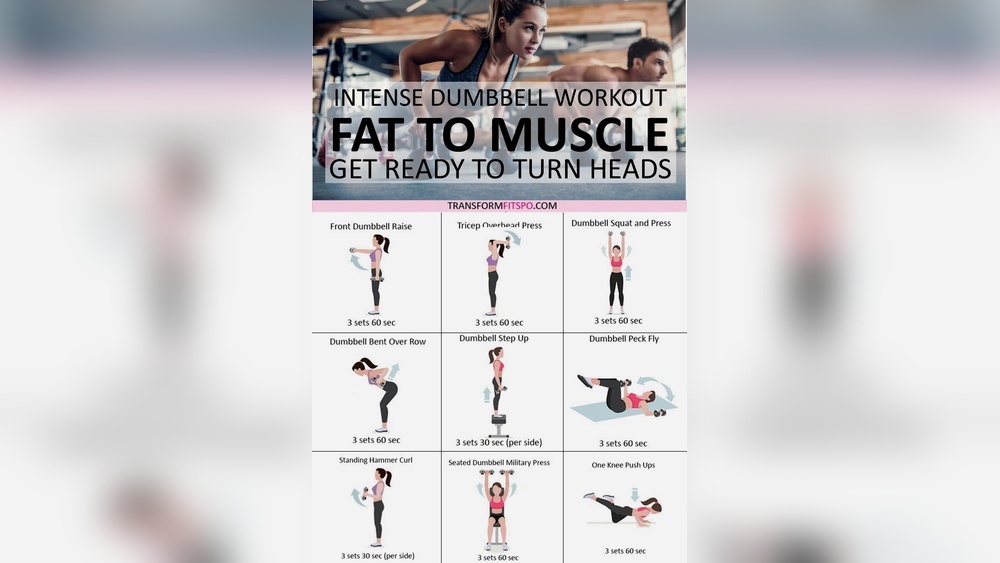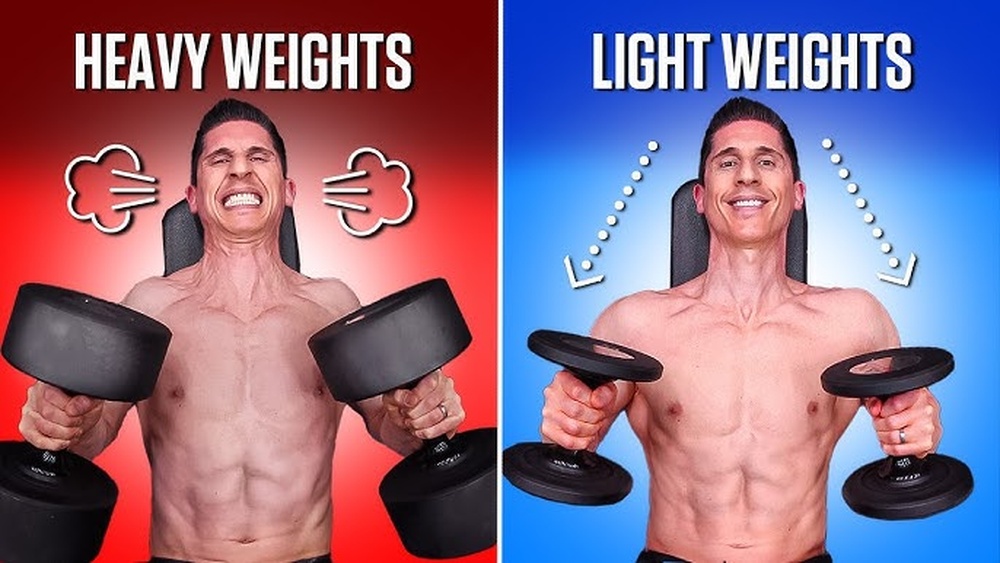
Have you ever wondered if the weight of your dumbbells really makes a difference in your workout? Whether you’re just starting out or looking to level up, choosing the right dumbbell weight can change everything.
Using weights that are too light might leave you stuck without progress, while going too heavy could lead to injury or frustration. You’ll discover why dumbbell weight matters more than you think—and how to find the perfect fit for your goals.
Keep reading to unlock the secret to smarter, safer, and more effective workouts.
Choosing The Right Dumbbell Weight
Choosing the right dumbbell weight is key for effective workouts. The correct weight helps improve strength and reduces injury risk. Picking the right dumbbell depends on several factors. Understanding these can make your training safer and more efficient.
Factors Influencing Weight Selection
Strength level matters most. Beginners should start with lighter weights to learn proper form. Body size also affects weight choice. Larger individuals may handle heavier dumbbells. Age plays a role too. Older adults often need lighter weights for safety. Experience level guides how heavy to go. Advanced lifters can lift heavier dumbbells. Finally, injury history affects selection. Avoid heavy weights that strain old injuries.
Matching Weight To Fitness Goals
Muscle building needs heavier weights with fewer reps. For endurance, lighter weights with more reps work better. Weight loss benefits from moderate weights and fast pace. Toning uses light to moderate weights with high reps. Choose dumbbells that fit your specific goal. This helps achieve results faster and safer.
Adjusting Weight For Different Exercises
Different exercises demand different weights. Bigger muscles like legs can handle heavier dumbbells. Smaller muscles like shoulders need lighter weights. Compound movements use heavier dumbbells than isolation moves. Adjust weight as you switch exercises. This keeps workouts balanced and effective.
Impact Of Dumbbell Weight On Muscle Growth
The weight of dumbbells plays a key role in muscle growth. Choosing the right weight helps muscles work hard and grow stronger. Using weights that are too light may not challenge muscles enough. Too heavy weights can cause injury or poor form. Finding the right balance is important for progress and safety.
Understanding how dumbbell weight affects muscles helps you plan workouts better. It also guides how many repetitions to perform and when to increase weight.
How Weight Affects Muscle Activation
Heavier dumbbells cause muscles to contract more forcefully. This leads to better muscle fiber recruitment. Using too light weights means less muscle activation and slower growth. Muscles need enough resistance to create small tears. These tears repair and grow stronger after rest.
Balancing Weight And Repetitions
Heavy weights require fewer repetitions. Lighter weights need more repetitions to fatigue muscles. Both methods can build muscle if done correctly. Choose a weight that lets you complete sets with good form. Stop before muscles fail completely to avoid injury.
Progressive Overload With Dumbbells
Progressive overload means gradually increasing weight or reps over time. This challenges muscles to adapt and grow. Increase dumbbell weight in small steps as strength improves. Track progress to ensure steady muscle growth. Consistency in increasing load is key to success.
Strength Gains Beyond The Scale
Strength gains are not just about lifting heavier dumbbells. True progress comes from how your body adapts and performs. Building strength involves endurance, control, and focus. These elements matter as much as the weight itself. Understanding this helps you train smarter and avoid injury.
Using different weights can challenge your muscles in new ways. This variety supports steady improvement without stressing your body too much. The key is to balance effort with good habits for lasting results.
Improving Endurance And Stability
Light to moderate dumbbells improve muscle endurance. You can do more reps without getting tired fast. This trains your muscles to work longer and recover better. Stability also improves by controlling the weight through each movement. Stronger stabilizer muscles help prevent falls and injuries.
Technique And Form Importance
Good form beats heavy weights every time. Using dumbbells that are too heavy can harm your technique. Proper form protects your joints and muscles from strain. Focus on smooth, controlled motions for the best effect. This helps build strength safely and efficiently.
Mind-muscle Connection
Pay attention to the muscles you are working. Feeling the muscle contract increases the quality of each rep. This connection improves muscle activation and growth. It helps you control the dumbbell better and prevent cheating. Training your mind and body together leads to stronger gains.
Credit: splayshoes.com
Common Mistakes With Dumbbell Weight
Choosing the right dumbbell weight is important for safe and effective workouts. Many people make common mistakes that can slow progress or cause injury. Understanding these errors helps you avoid them and get better results.
Using Too Heavy Weights Too Soon
Starting with dumbbells that are too heavy can harm your muscles and joints. It may lead to poor form and increase injury risk. Begin with lighter weights to build strength safely. Gradually increase weight as your muscles get stronger.
Neglecting Warm-up And Recovery
Skipping warm-up can make muscles stiff and prone to injury. Always warm up before lifting weights. Recovery is also key to muscle growth and repair. Without rest, muscles stay tired and weak. Give your body time to heal between workouts.
Ignoring Personal Limits
Everyone has different strength and fitness levels. Trying to lift weights beyond your current ability is dangerous. Listen to your body and respect its limits. Pushing too hard can cause pain and setbacks. Progress comes with patience and consistency.
Tips To Maximize Dumbbell Training
Dumbbell training offers great flexibility for strength and fitness. Using dumbbells correctly can speed up results and keep workouts fun. Small changes in training style help you get the most from your effort and time.
Here are some tips to help you improve your dumbbell workouts and stay motivated.
Incorporating Variety In Workouts
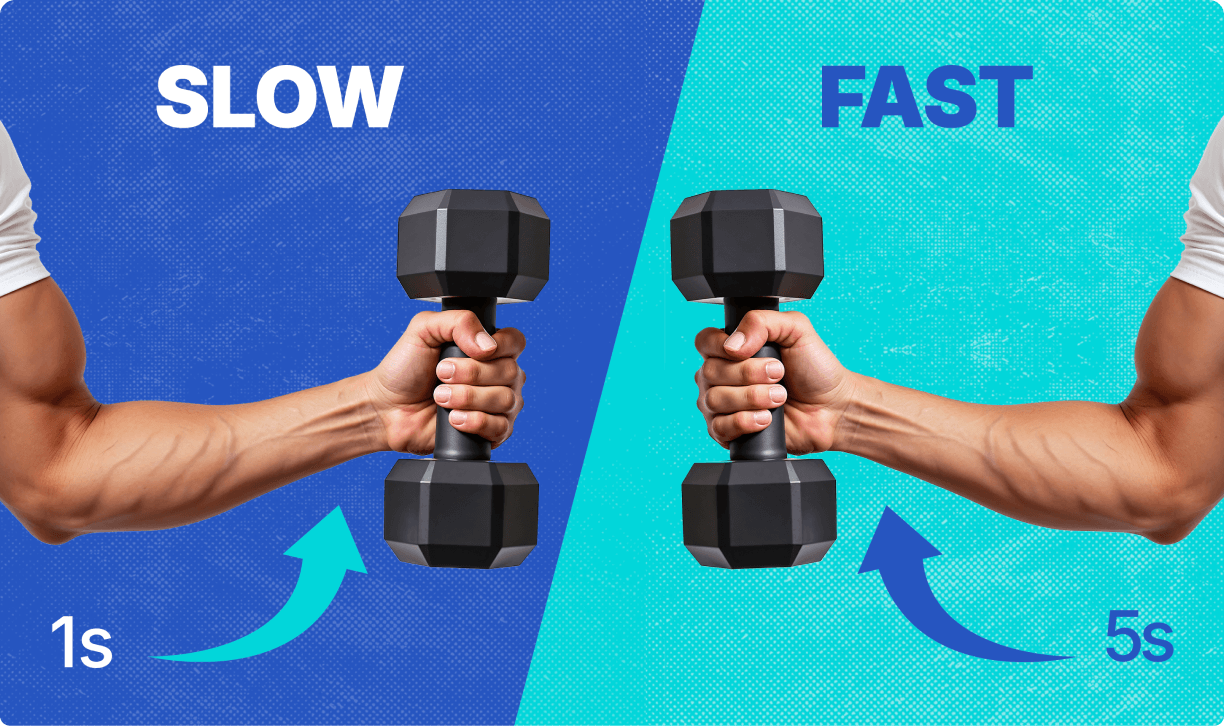
Change exercises often to work different muscles. Use different dumbbell weights for various moves. Mix up sets, reps, and rest times to challenge your body. Try both slow and fast movements to build strength and endurance. Variety stops boredom and helps muscles grow evenly.
Tracking Progress Effectively
Write down your weights, sets, and reps each session. Note how you feel during and after workouts. Track progress weekly to see small improvements. Adjust weights as you get stronger to keep pushing. Tracking helps stay focused and shows real progress.
Combining Dumbbells With Other Equipment
Use dumbbells with resistance bands for added tension. Add bodyweight exercises like push-ups for balance. Try kettlebells or medicine balls for different movement patterns. Combining tools improves overall fitness and prevents plateaus. This mix trains muscles in many ways.
Credit: visionelitetraining.com
Credit: www.garagegymreviews.com
Frequently Asked Questions
Does Dumbbell Weight Affect Workout Results?
Yes, dumbbell weight influences muscle growth and strength gains. Using appropriate weights challenges muscles effectively, promoting progress and avoiding injury.
How To Choose The Right Dumbbell Weight?
Select dumbbell weight based on your fitness level and exercise type. Start lighter to master form, then gradually increase for better results.
Can Light Dumbbells Build Muscle Effectively?
Light dumbbells help improve endurance and tone muscles but may not build significant strength. Heavier weights are needed for muscle growth.
Should Dumbbell Weight Vary For Different Exercises?
Yes, different exercises require different dumbbell weights. Use heavier weights for compound movements and lighter ones for isolation exercises.
Conclusion
Choosing the right dumbbell weight depends on your fitness goals. Start with a weight you can lift with good form. Gradually increase the weight as you get stronger. Too heavy weights can cause injury and poor technique. Lighter weights help build endurance and improve control.
Remember, consistency matters more than heavy lifting alone. Focus on regular workouts and proper rest. Your body will adapt over time. Keep track of your progress and adjust weights as needed. This approach leads to steady, safe improvement. Dumbbell weight does matter, but balance matters more.