Have you ever found yourself locked out, staring at a stubborn bike lock that just won’t budge? Whether it’s a forgotten combination, a broken key, or a lock that’s simply worn out, knowing how to destroy a bike lock can save you time and frustration.
In this guide, you’ll discover simple, effective methods to break free from that stubborn lock without causing unnecessary damage to your bike. Keep reading, because by the end, you’ll have the confidence to handle any lock situation quickly and safely.
Types Of Bike Locks
Bike locks come in various types, each with unique designs and security levels. Knowing these types helps understand how they can be broken or destroyed. Some locks are strong but heavy, while others are light but easier to cut.
U-locks
U-locks are shaped like a “U” and made of solid metal. They are very hard to break with simple tools. Cutting them requires heavy equipment or a lot of time. They offer good protection for bikes in busy areas.
Cable Locks
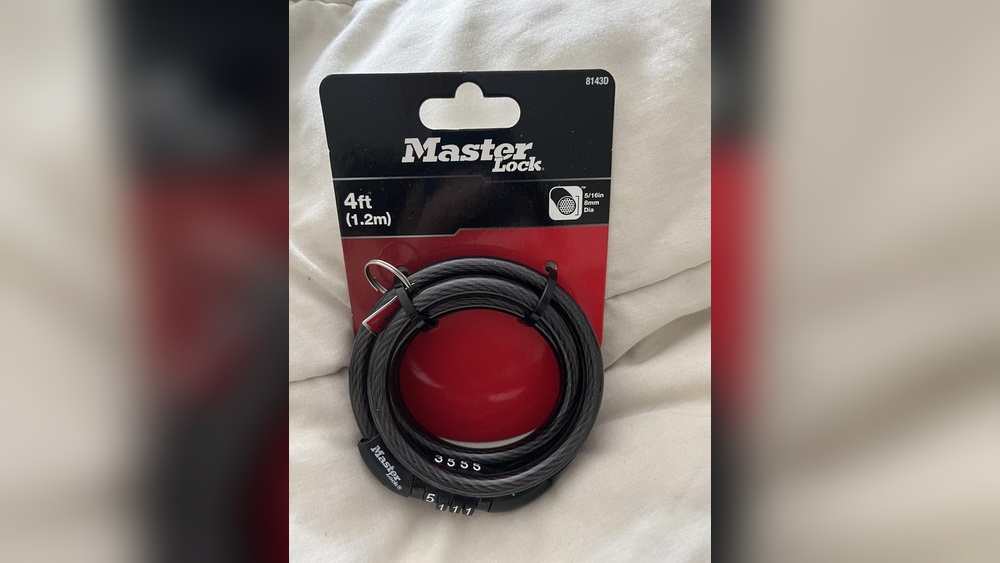
Cable locks are thin and flexible wires covered in plastic. They are easy to carry but not very strong. Thieves can cut cable locks quickly with wire cutters. These locks are better for short stops or low-risk areas.
Chain Locks
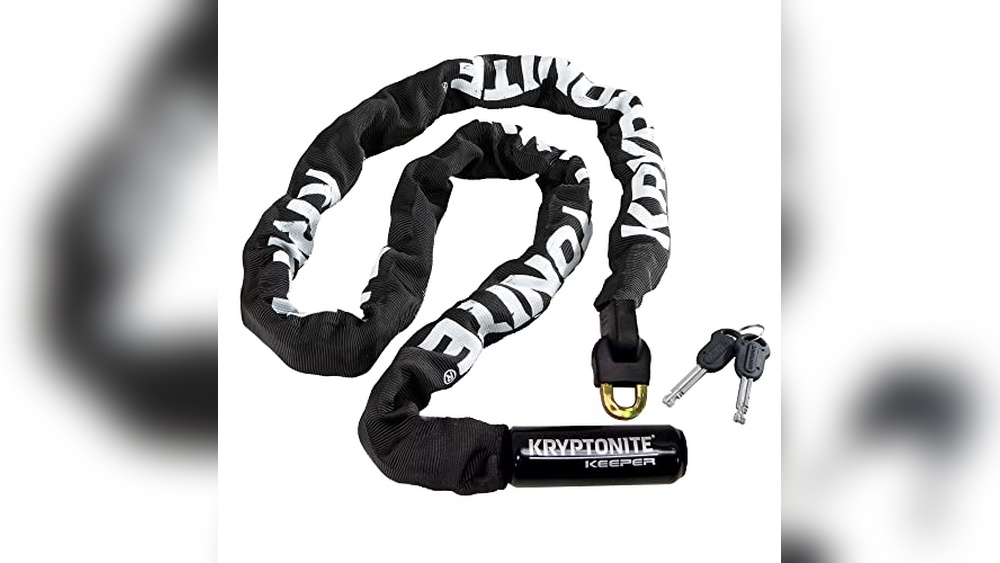
Chain locks use metal links to secure the bike. The thickness of the chain affects its strength. Thick chains are hard to cut but very heavy to carry. Thinner chains are lighter but easier to destroy.
Folding Locks
Folding locks fold into compact shapes for easy transport. They use metal plates connected by rivets. These locks balance security and convenience. Breaking them requires force or special tools.

Credit: www.wikihow.com
Tools For Breaking Locks
Breaking a bike lock requires the right tools. Each tool works differently. Some tools cut, others pry or pick. Choosing the correct tool depends on the lock type and your needs. Below are common tools used to break bike locks.
Bolt Cutters
Bolt cutters have long handles and strong jaws. They cut through metal locks quickly. Best for chain or cable locks. Not effective on hardened steel or thick U-locks. Easy to carry and use. Requires physical strength to operate.
Angle Grinders
Angle grinders are power tools with a rotating disc. They grind or cut metal locks fast. Can cut through tough U-locks and chains. Produces sparks and noise during use. Needs a power source and protective gear. Requires careful handling for safety.
Lock Picks
Lock picks manipulate the lock’s internal parts. They open locks without damage. Best for pin tumbler or wafer locks. Requires skill and patience to use. Small and easy to hide. Illegal in some areas without permission.
Hammer And Chisel
Hammer and chisel apply force to break locks. Works by damaging lock mechanisms or breaking shackles. Slow and noisy method. Best for weaker locks or as a last resort. Requires careful aim and effort. Not suitable for high-security locks.
Cutting Techniques
Cutting techniques help break bike locks quickly and cleanly. These methods need the right tools and careful handling. Using cutting tools correctly makes the job easier and safer. The following sections explain two common cutting techniques for bike locks.
Using Bolt Cutters Effectively
Bolt cutters are strong tools made for cutting metal. Choose bolt cutters with long handles for more power. Position the jaws around the lock’s shackle, close to the locking mechanism. Apply steady pressure to cut through thick metal. Avoid sudden force to prevent tool damage or injury. Use both hands on the handles for better control. Bolt cutters work best on thin to medium metal locks.
Grinding Through Locks Safely
Grinding uses a rotary tool with a cutting disc to slice through metal. Wear safety goggles and gloves before starting. Hold the grinder firmly and steady the lock on a hard surface. Move the cutting disc slowly along the lock’s shackle. Avoid pressing too hard; let the tool do the work. Sparks will fly, so keep flammable materials away. Grinding works well on hardened locks but needs more time than bolt cutters.

Credit: www.youtube.com
Picking Locks
Picking locks is a skill that involves opening a lock without using the original key. It requires patience and a steady hand. This method is often used to bypass bike locks without causing damage. Understanding the basics can help in emergency situations or for educational purposes. Below, learn about the tools and steps involved in picking a bike lock.
Basic Lock Picking Tools
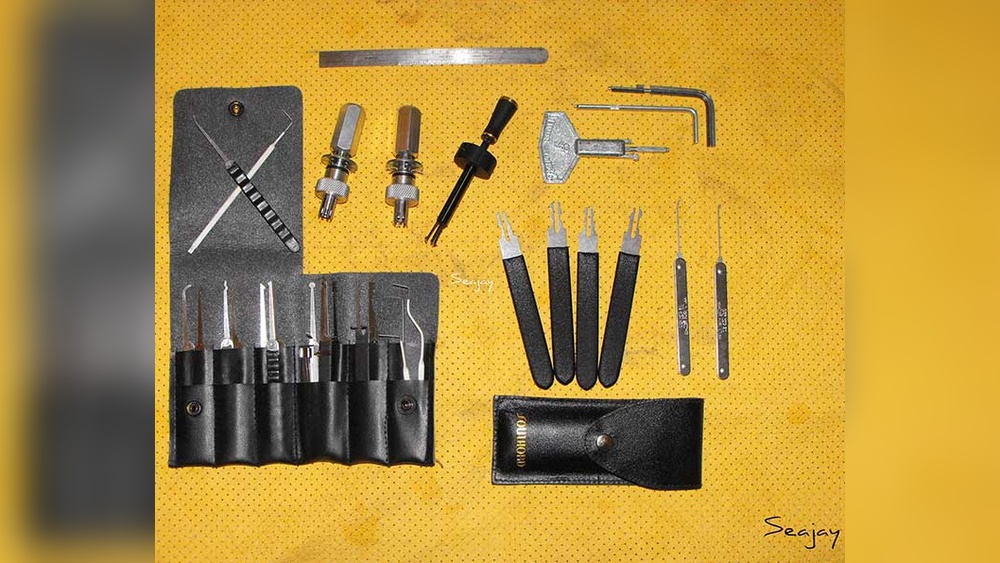
To pick a lock, you need simple tools. The most common ones are a tension wrench and a pick. The tension wrench applies slight pressure inside the lock. The pick moves the pins inside the lock to the correct position. Other tools include rake picks and hook picks. These help manipulate different types of pins. These tools are small and easy to carry. They fit into most standard bike locks.
Step-by-step Picking Process
Start by inserting the tension wrench into the lock’s keyhole. Apply light pressure in the direction the key would turn. Next, insert the pick into the keyhole above the wrench. Feel for the pins inside the lock. Push each pin up gently with the pick. When pins reach the right height, the lock will turn slightly. Keep adjusting the tension and moving the pins. Repeat this until all pins are set. The lock should open without force. Practice makes the process faster and easier.
Forceful Methods
Forceful methods apply physical power to break bike locks. These ways rely on strong tools or extreme cold to weaken the lock’s material. They work best on older or less sturdy locks. Be careful and use safety gear when trying these methods.
Hammer Impact Techniques
Using a hammer is a direct way to damage a bike lock. Hit the lock’s body or shackle hard and fast. Focus on weak spots like the keyhole or thin metal areas. Repeated strong hits can bend or crack the lock. Use a heavy hammer for better results. Wear gloves and goggles to protect yourself from flying metal pieces.
Freezing And Shattering
Freezing a lock makes the metal brittle. Spray it with a freezing agent or use dry ice on the lock. Wait a few minutes for the metal to become very cold. Then strike it quickly with a hammer or a hard object. The lock may crack or shatter under impact. This method works best on locks made from cheaper metals. Always handle freezing agents carefully to avoid skin damage.
Credit: www.reddit.com
Safety Precautions
Destroying a bike lock can be dangerous. Taking safety precautions is very important. Protect yourself and others by following simple rules. Safety helps prevent injuries and legal problems. Always prepare before attempting to break a lock.
Protective Gear
Wear strong gloves to protect your hands. Use safety goggles to shield your eyes from sparks or debris. A mask can help stop dust or metal particles from entering your lungs. Dress in long sleeves and pants to cover your skin. Closed-toe shoes keep your feet safe from falling tools or sharp objects.
Legal Considerations
Destroying a bike lock without permission is illegal. Know the laws in your area about property damage. Only work on locks you own or have explicit permission to break. Avoid breaking locks in public places to prevent trouble. Always have proof of ownership or consent to avoid legal issues.
Preventing Lock Damage
Bike locks protect your bike from theft. Damaged locks lose their strength and fail to protect. Preventing lock damage keeps your bike safer. Simple steps extend lock life and maintain security.
Choosing Strong Locks
Pick locks made with tough materials. Hardened steel locks resist cutting and breaking. Look for locks with thick shackles. U-locks often provide better protection. Avoid cheap locks that break easily. Quality locks cost more but last longer. Check for locks with good reviews.
Proper Locking Practices
Lock the bike to a solid object. Use a fixed pole or bike rack. Avoid locking to weak or movable items. Position the lock so it is hard to reach. Fill the lock space tightly with the frame and wheel. Keep the lock off the ground. This reduces leverage for tools. Close the lock fully to secure it.
Frequently Asked Questions
How Can I Safely Destroy A Bike Lock?
Use proper tools like bolt cutters or an angle grinder. Always wear safety gear and work in a well-ventilated area. Ensure the lock is not attached to your bike or property before destroying it.
What Tools Are Best To Destroy A Bike Lock?
Bolt cutters, angle grinders, and hacksaws work well. Bolt cutters are ideal for chain or cable locks. Angle grinders are effective for tougher locks but require caution and safety equipment.
Is It Legal To Destroy A Bike Lock?
Only destroy locks you own or have permission to remove. Destroying someone else’s lock can lead to legal consequences. Always confirm ownership before attempting to break a lock.
How Long Does It Take To Destroy A Bike Lock?
It depends on the lock type and tools used. Bolt cutters can cut cable locks in seconds. Tougher locks may require several minutes with power tools.
Conclusion
Destroying a bike lock takes the right tools and knowledge. Always stay safe and use caution. Breaking locks without permission is illegal. Use this information only for emergencies or with permission. Practice patience and careful planning to avoid mistakes. Knowing how locks work helps in understanding weak points.
Keep your bike secure to prevent theft. Stay informed and act responsibly at all times.