You’ve invested in a great bike, so protecting every part of it is key—especially your bike seat. Leaving your seat unsecured can lead to frustration and unexpected costs if it gets stolen.
But how do you lock up a bike seat quickly and effectively? You’ll discover simple, practical tips that anyone can use to keep your seat safe wherever you park. By the time you finish reading, you’ll feel confident that your bike seat is locked up tight and ready to stay put.
Let’s get started!
Choosing The Right Lock
Choosing the right lock is key to securing your bike seat. It stops thieves from stealing your seat and keeps your bike safe. Not all locks work the same. Picking a lock means thinking about types, materials, size, and weight. Each factor affects how well the lock protects and how easy it is to carry.
Types Of Bike Seat Locks
There are cable locks, U-locks, and chain locks. Cable locks bend and wrap around the seat post. They are light and easy to use. U-locks offer strong protection and resist cutting tools. Chain locks use heavy metal links. They are tough but can be heavy. Choose the type that fits your security needs.
Materials And Durability
Steel is the most common material for bike locks. Hardened steel is very strong and hard to break. Some locks have plastic covers to stop scratches on your bike. Avoid cheap metals that break easily. A good lock lasts a long time and resists cutting or pulling.
Lock Size And Weight
Big locks are strong but heavy to carry. Small locks are easy to carry but may not protect well. Find a balance that works for you. The lock should fit your bike and be easy to lock and unlock. A lock that is too heavy can be a burden on rides.

Credit: thebestbikelock.com
Locking Techniques For Bike Seats
Locking your bike seat is important to protect it from theft. Many thieves target bike seats because they are easy to remove and sell. Using the right locking techniques can keep your seat safe. Here are some effective ways to lock your bike seat and avoid losing it.
Securing The Seat Post
Start by tightening your seat post clamp with a strong bolt. Use a seat post clamp that requires a special key or tool. This makes it harder for thieves to loosen the seat. Some clamps have built-in locks. These add extra security and peace of mind.
Using Cable Locks Effectively
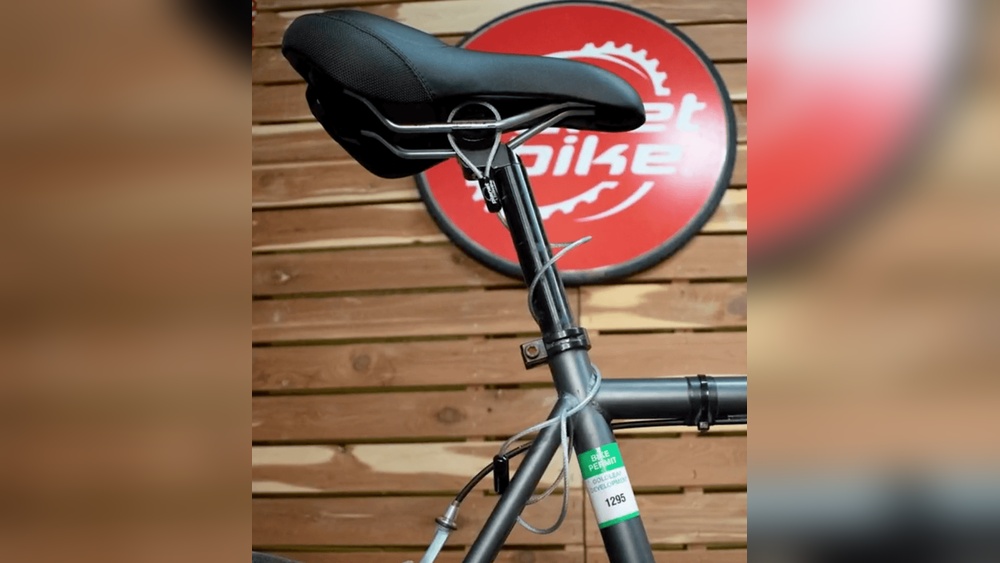
Wrap a cable lock through the seat rails and frame. Make sure the cable is thick and hard to cut. Pass the lock through your bike frame and seat post area. Avoid leaving loose cable ends where thieves can grab. Keep the lock tight to reduce movement and damage.
Combining Locks For Extra Security
Use a combination of locks to protect your bike seat. Pair a U-lock with a cable lock for better coverage. Secure the seat and frame in different ways. This forces thieves to spend more time trying to steal your seat. More time means less chance of theft.
Popular Lock Brands And Models
Choosing the right lock for your bike seat is important. The right lock keeps your seat safe from theft. Many brands offer different types and styles of locks. Some locks focus on strength, while others offer more flexibility. Knowing popular brands and models helps you pick the best one. Below are some popular lock types and trusted brands.
Top U-locks For Seats
U-locks are strong and hard to cut. They provide solid protection for your bike seat. Brands like Kryptonite and Abus lead in this category. Kryptonite’s New York Fahgettaboudit is very tough. Abus Granit X-Plus offers high security with a lightweight design. These locks fit well around seat posts and frames. They resist picking and cutting tools.
Best Cable Locks For Flexibility
Cable locks are flexible and easy to carry. They wrap around bike parts and fixed objects. Brands such as Master Lock and OnGuard make reliable cables. Master Lock’s Python cable is long and strong. OnGuard’s Doberman series combines flexibility with cut resistance. Cable locks work well for quick stops and low-risk areas. They are lighter but usually less secure than U-locks.
Innovative Seat Locks
Some locks are designed only for bike seats. Brands like ABUS and Kryptonite offer seat-specific locks. ABUS NutFix uses special bolts to secure seats tightly. Kryptonite has locking skewers that replace regular seat bolts. These locks stop thieves from removing your seat quickly. They are small, easy to use, and add extra security.

Credit: bikmo.com
Preventing Common Theft Methods
The bike seat is a common target for thieves. Many riders face seat theft regularly. Taking simple steps can stop most theft attempts. Knowing common methods helps you protect your bike better. This section covers how to prevent quick seat snatches, lock picking, cutting, and safe parking habits.
Quick Seat Snatch Prevention
Thieves often grab seats quickly and run. A quick-release seat is easy to steal. Replace quick-release levers with bolt-on clamps. Use a small lock to secure the seat post. Remove the seat when leaving the bike unattended. This makes the seat less attractive to thieves.
Avoiding Lock Picking And Cutting
Thieves use tools to pick or cut locks. Choose a strong lock made from hardened steel. Avoid thin cables or cheap locks. Use a U-lock or chain lock with a thick shackle. Cover your lock with a protective sleeve to stop cutting. Check locks regularly for damage or wear.
Safe Parking Spots And Habits
Where you park your bike matters a lot. Choose busy, well-lit areas to park. Avoid dark or hidden places. Always lock your bike frame and seat to a solid object. Use multiple locks if possible. Park near security cameras or in view of people. These habits lower the risk of theft.
Maintenance And Care For Locks
Taking good care of your bike lock is important to keep it working well. Locks face rain, dust, and dirt every day. These things can cause rust or make the lock sticky. Proper maintenance helps your lock last longer and stay strong against thieves.
Regular cleaning and checking your lock can prevent problems. A well-kept lock opens smoothly and keeps your bike safe. Small efforts in care can save you from big troubles later.
Cleaning And Lubricating
Use a soft cloth to wipe dirt and dust off your lock. Avoid water inside the keyhole to stop rust. Apply a small amount of lubricant inside the keyhole and on moving parts. This keeps the lock smooth and easy to open. Use oil made for locks or bike chains, not heavy grease.
Storage Tips
Store your lock in a dry place when not in use. Avoid leaving it outside where rain can cause rust. If you carry the lock on your bike, use a cover or pouch. This protects it from dirt and moisture. Proper storage helps the lock last longer and work better.
When To Replace Your Lock
Replace your lock if it becomes hard to open or close. Rust or broken parts are signs you need a new one. A damaged lock cannot protect your bike well. Choose a new lock with strong material and a good design. This keeps your bike safe every day.
Diy Solutions And Accessories
Securing your bike seat does not have to be expensive or complicated. Many DIY solutions and accessories work well to keep your seat safe. These options help protect your bike without needing special tools or skills. You can try easy homemade ideas or use simple gadgets to lock your seat. Combining these methods adds extra security and peace of mind.
Homemade Seat Lock Ideas
Create a basic lock using strong wire or cable ties. Loop the wire through the seat post and frame. Twist tightly to stop quick removal. Use a small padlock if possible for better security. Another idea is to use a bike chain and padlock to secure the seat. Wrap the chain around the seat post and frame. Lock it to prevent thieves from taking the seat. These homemade tricks save money and work well in low-risk areas.
Using Seat Clamps
Seat clamps provide a simple way to lock your bike seat. Replace the quick-release seat clamp with a bolt-on clamp. This type needs a wrench to loosen, making theft harder. Some clamps come with a built-in lock for extra safety. You can also add a locking mechanism to existing clamps. This method keeps your seat firmly attached and limits easy removal. Seat clamps are a useful accessory for daily bike riders.
Adding Gps Trackers
GPS trackers add a tech layer to seat security. Attach a small tracker under the seat or inside the frame. If the seat is stolen, track its location using your phone. Many trackers offer real-time updates and alerts. This does not stop theft but helps recover your bike seat quickly. Combine GPS trackers with physical locks for better protection. This modern accessory suits those worried about bike theft.

Credit: biketoeverything.com
Frequently Asked Questions
How Can I Lock My Bike Seat Securely?
Use a cable or chain lock threaded through the seat post and frame. Tighten the lock to prevent seat removal. This method deters thieves and keeps your seat in place during stops.
What Tools Do I Need To Lock A Bike Seat?
You need a sturdy lock, like a cable or U-lock, and sometimes a chain. Some locks come with keys or combination codes. Choose tools based on your bike type and theft risk.
Can I Use A Seat Post Clamp Lock?
Yes, a seat post clamp lock replaces the standard clamp with a locking version. It secures the seat post firmly and requires a key or tool to release. This method offers added security for your seat.
Is Locking The Bike Seat Enough To Prevent Theft?
Locking the seat helps but isn’t foolproof. Combine it with locking the entire bike frame. Always park in well-lit, secure areas to reduce theft risk.
Conclusion
Securing your bike seat is important for keeping it safe. Use a strong lock and wrap it tightly around the seat post. Choose a lock that fits well and is hard to cut. Check your lock regularly to make sure it works.
Always lock your bike in a busy, well-lit place. Taking these simple steps can help stop seat theft. A little effort keeps your bike ready to ride anytime. Stay safe and enjoy your cycling trips without worry.


