Choosing the right size for your boxing gloves can make a huge difference in your training and performance. But how many ounces (oz) should your gloves be?
If you’ve ever felt confused by the numbers or wondered what size fits your needs best, you’re not alone. Getting this wrong can affect your comfort, protection, and even your results in the ring. Keep reading, and you’ll discover exactly how to pick the perfect glove weight for your boxing style and goals.
Your hands will thank you.
:format(jpeg)/f/115220/1244x700/b5324542a6/boxing-glove-ounces-explained-youtube-video.jpg)
Credit: blog.joinfightcamp.com
Boxing Glove Sizes
Boxing gloves come in various sizes. Choosing the right size is important for safety and performance. The size mostly depends on the glove’s weight in ounces (oz). Different gloves fit different needs, such as training or competition.
Common Ounce Measurements
Boxing gloves usually range from 8 oz to 20 oz. Lighter gloves like 8 oz and 10 oz are for competition. Heavier gloves like 14 oz and 16 oz are for training. Heavier gloves protect the hands and reduce impact during practice. Beginners often use 14 oz or 16 oz gloves for better safety.
Choosing Size By Weight Class
Boxers select glove size based on their weight class. Lighter boxers tend to use smaller gloves like 8 oz or 10 oz. Heavier boxers usually wear 16 oz gloves or more. Proper size helps balance speed and protection. Always match glove size to your weight and training type.
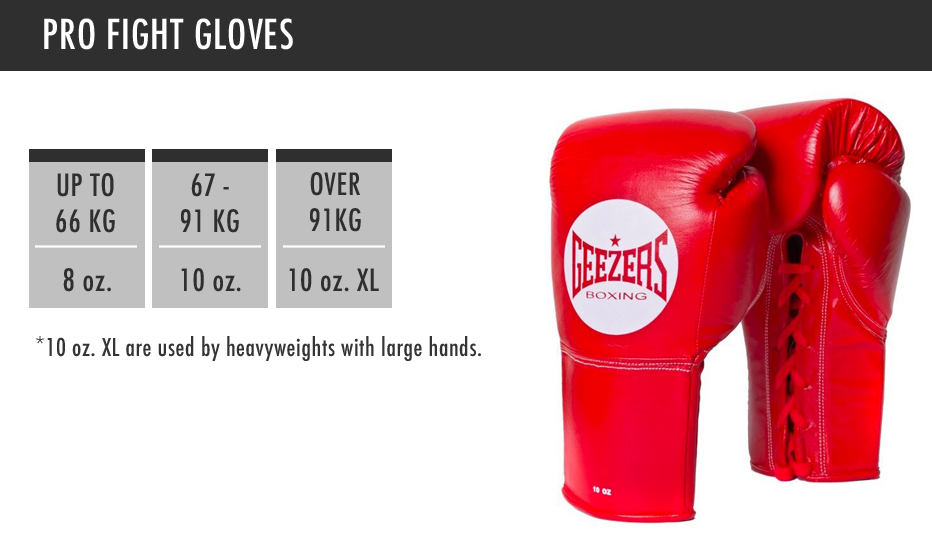
Credit: www.geezersboxing.co.uk
Factors Influencing Glove Size
Choosing the right size for boxing gloves is not random. Several factors affect the ideal glove size. Understanding these helps pick gloves that fit well and protect properly. The glove size is measured in ounces (oz), which relates to weight and padding. Knowing what influences this size ensures comfort and safety during training or fights.
Hand Size And Shape
Hand size plays a big role in choosing glove size. Larger hands need bigger gloves to fit comfortably. Smaller hands require smaller gloves to avoid slipping inside. Shape matters too. Some hands are wider or longer. Gloves must accommodate these differences to avoid pain or injury. A good fit helps with control and power in punches.
Purpose Of Gloves
Gloves serve different purposes. Some gloves are for training, others for competition. Training gloves focus on protection and comfort. Competition gloves often have less padding for speed. The purpose guides the glove size choice. Training gloves usually weigh more to protect hands and sparring partners. Competition gloves are lighter for faster punches and scoring.
Training Vs Competition
Training gloves are heavier, often 14 oz to 16 oz. This weight helps protect hands during long practice sessions. Heavier gloves build strength and reduce injury risk. Competition gloves are lighter, around 8 oz to 10 oz. Lighter gloves allow faster punches and better movement. Choosing the right type depends on your activity. Using the correct glove weight improves performance and safety.
Glove Weight And Protection
Glove weight plays a crucial role in boxing. It affects both how well the gloves protect you and how you perform during training or fights. Choosing the right glove weight helps keep your hands safe and improves your boxing skills.
Impact Absorption
Heavier gloves contain more padding. This extra padding absorbs more force from punches. It lowers the chance of injury to your hands and your opponent’s body. Lighter gloves have less padding and offer less shock absorption. This makes heavier gloves a better choice for sparring and training.
Injury Prevention
Proper glove weight reduces the risk of hand injuries. Gloves that are too light do not protect your knuckles well. Gloves that are too heavy can tire your arms quickly, causing poor form. Using the right weight helps keep your wrists and fingers safe. It also protects your partner during practice.
Sizing For Different Boxing Styles
Choosing the right size for boxing gloves depends on your boxing style. Different activities need different glove weights. Using the correct glove size helps protect your hands and improves performance. It also prevents injury during training or fights.
Sparring Gloves
Sparring gloves are usually heavier. They provide more padding to protect both fighters. Common sizes are 14 to 16 ounces. Heavier gloves slow down punches slightly. This helps reduce the risk of injury. Choose gloves that fit well and feel comfortable during practice.
Bag Gloves
Bag gloves are lighter and designed for hitting the heavy bag. They usually weigh between 10 and 12 ounces. These gloves offer less padding than sparring gloves. This gives more speed and power to punches. Bag gloves should protect your knuckles without being bulky.
Competition Gloves
Competition gloves have strict size rules. They depend on the boxer’s weight class. Usually, sizes range from 8 to 10 ounces. These gloves are lighter for faster punches. They offer enough protection for fights. Choosing the right size helps with speed and control in the ring.
How To Measure Your Hand
Knowing how to measure your hand is key to choosing the right boxing gloves. Gloves that fit well protect your hands and improve your training. Measuring your hand is simple and takes only a few minutes.
Tools Needed
Get a soft measuring tape. If you do not have one, use a string and a ruler. Make sure you have a pen and paper to write down your measurements.
Step-by-step Guide
First, relax your hand and open it wide. Wrap the measuring tape around your hand at the knuckles. Do not include your thumb in this measurement.
Note the number where the tape meets. This is the circumference of your hand. Next, measure from the tip of your middle finger to the bottom of your palm. Write down this length.
Compare both numbers with a boxing glove size chart. This helps find your perfect glove size in ounces. Accurate measurements lead to better glove fit and comfort.
Converting Glove Sizes
Converting boxing glove sizes can confuse many. Different countries and brands use various systems. Understanding these differences helps you pick the right gloves for comfort and safety. Here’s a simple guide to convert glove sizes easily.
Ounces To Centimeters
Boxing gloves are usually measured in ounces (oz). This unit shows the glove’s weight, not its size. Heavier gloves have more padding and protect better. To find the glove’s length in centimeters, multiply ounces by about 2.54. For example, 12 oz gloves are roughly 30 cm long. Remember, this is an estimate, as glove shape varies.
International Size Differences
Glove sizes differ by country. The United States uses ounces. Europe and Asia often use centimeters or small, medium, large labels. A 16 oz glove in the US might be called a “large” elsewhere. Always check the brand’s size chart. It helps avoid buying the wrong size. Knowing this saves time and money.
Tips For Buying Boxing Gloves
Choosing the right boxing gloves is key for comfort and safety. Good gloves protect your hands and help your training. Follow these tips to pick gloves that fit well and last long.
Trying Gloves On
Put the gloves on before buying. Check if they fit snugly but not too tight. Move your fingers and make a fist. Gloves should feel comfortable without squeezing your hand. Testing gloves helps avoid buying the wrong size.
Material And Quality
Look for gloves made from strong materials like genuine leather or high-quality synthetic leather. These last longer and resist wear and tear. Good padding inside protects your knuckles and wrists. Avoid cheap gloves that can break quickly.
Budget Considerations
Set a budget before shopping. Quality gloves cost more but protect better and last longer. Cheaper gloves may save money but wear out fast. Invest in gloves that balance cost and durability for the best value.

Credit: www.capomondo.com
Common Mistakes To Avoid
Choosing the right boxing glove size is not always easy. Many beginners make common mistakes that affect their training and safety. Avoiding these errors helps you get the best from your gloves. Here are two major mistakes to watch out for.
Choosing Too Small Or Large
Gloves that are too small can hurt your hands during punches. They offer less padding and can cause injuries. Gloves that are too large feel heavy and reduce speed. They also make it hard to control your punches. Pick gloves that fit snugly but allow movement. Proper fit protects your hands and improves performance.
Ignoring Glove Purpose
Different gloves serve different purposes. Training gloves are softer and heavier for practice. Competition gloves are lighter and harder for matches. Using the wrong type can cause discomfort and injury. Always match gloves to your training or fighting needs. This ensures safety and better results.
Frequently Asked Questions
What Does “oz” Mean In Boxing Gloves?
“Oz” stands for ounces and measures boxing gloves’ weight. It affects padding, protection, and glove size. Heavier gloves offer more padding but can reduce speed. Choosing the right oz depends on your training type and body weight.
How Many Oz Gloves For Beginners?
Beginners usually start with 12 to 16 oz gloves. These provide enough padding to protect hands and sparring partners. They also help build wrist support and reduce injury risk during training and practice sessions.
What Size Gloves Do Pros Use?
Professional boxers often use 8 to 10 oz gloves in matches. These gloves are lighter, allowing faster punches and better control. The choice depends on the weight class, fight regulations, and personal preference.
Are Heavier Gloves Better For Training?
Yes, heavier gloves (14 to 18 oz) are ideal for training. They improve endurance, strength, and technique while protecting hands. Using heavier gloves during workouts prepares you for lighter, faster gloves in actual fights.
Conclusion
Choosing the right boxing glove size matters a lot. It protects your hands and your opponent too. Smaller gloves feel lighter but offer less padding. Bigger gloves add more cushion but weigh more. Think about your training type and hand weight.
This helps pick the best glove size for you. Comfort and safety should guide your choice. Keep practicing with gloves that fit well. Enjoy boxing with the right gear every time.