Have you ever wondered what rights a police officer has when they stop you? Specifically, can a police officer open your glove box without your permission?
This question matters because your glove box might hold important documents or personal items you don’t want anyone to see. Knowing the answer can protect your privacy and help you stay calm during a traffic stop. Keep reading to find out exactly what the law says and how you should handle this situation if it ever happens to you.
When Can Police Search Your Car?
Police officers have specific rules about searching your car. Understanding these rules helps protect your rights. Officers cannot search your vehicle anytime they want. Certain conditions must be met for a search to be legal.
Warrant Requirements
Usually, police need a warrant to search your car. A warrant is a legal document from a judge. It states where police can search and what they seek. Without a warrant, police cannot open places like your glove box.
There are exceptions, but having a warrant is the safest legal way. It ensures the search respects your privacy and follows the law.
Consent Searches
Police can search your car if you say yes. This is called a consent search. You have the right to refuse permission. Saying no means police must have another reason to search.
Consent must be given freely. If you feel pressured, your consent may not be valid in court. Always know you can say no.
Probable Cause And Exceptions
Probable cause means police have a good reason to believe there is evidence of a crime. This lets them search without a warrant. For example, if police smell drugs or see illegal items in plain view, they may search your car.
Other exceptions include searches after an arrest or during a traffic stop if safety is a concern. These rules protect both police and citizens.
Glove Box And Legal Boundaries
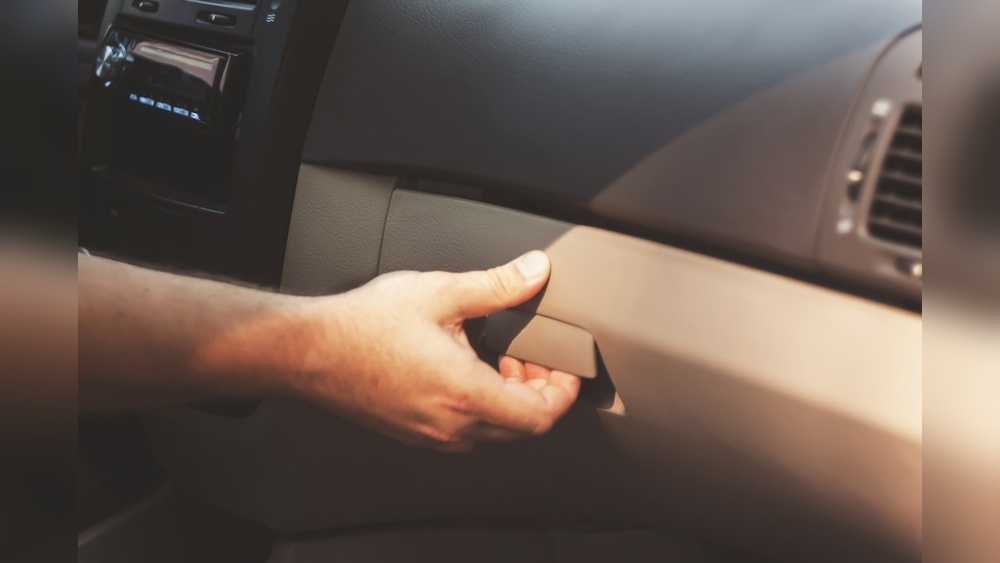
The glove box in a car is a small storage space. Many people keep personal items there. It can hold documents, small tools, or valuables. But can a police officer open it during a stop? The answer depends on legal rules and privacy rights. Understanding these rules helps protect your rights on the road.
Police officers have limits on what they can search. These limits protect your privacy. The glove box is part of your vehicle, but it may have different rules than other areas. Knowing what is allowed helps avoid problems during traffic stops.
Expectations Of Privacy In Vehicles
People expect some privacy inside their cars. The law recognizes some privacy rights in vehicles. But this privacy is less than in homes. Police can search cars without a warrant in certain cases. For example, if they see illegal items or have permission. Privacy in cars is limited but still important.
The glove box is seen as a private space inside the car. It often contains personal documents. Courts sometimes treat it like a small room in the car. This means officers need a good reason to open it. Random searching is usually not allowed.
Specific Rules For Glove Box Access
Police can open the glove box if they have probable cause. This means they believe there is evidence of a crime inside. They can also open it with the driver’s consent. Without these reasons, opening the glove box may be illegal. This can lead to evidence being thrown out in court.
Some states have different laws about searching vehicles. Always know your local rules. If an officer opens your glove box without cause, you can ask why. Understanding these rules helps you stay calm and informed during stops.
Your Rights During A Traffic Stop
Traffic stops can feel stressful. Knowing your rights helps you stay calm. It also protects you during the encounter. Police have rules they must follow. So do you. Understanding what you can say and do makes a big difference.
Stay polite and clear. This helps the stop go smoothly. Below are key points about your rights during a traffic stop.
What You Can Say
You can ask why you were stopped. Speak clearly and politely. Give your driver’s license, registration, and proof of insurance. You do not have to answer questions about where you are going or coming from.
Keep your hands visible. Avoid sudden movements. This shows respect and keeps you safe.
When To Remain Silent
You have the right to remain silent. You can say, “I choose to remain silent.” Use this if you feel unsure or nervous. Do not lie or give false information. Silence is better than saying something wrong.
Remember, silence is your right. It cannot be used against you in court.
Handling Requests To Search
Police may ask to search your car or glove box. You can say no unless they have a warrant. Saying no does not mean guilt. It protects your rights.
If police search without your permission or a warrant, this may be illegal. Stay calm and do not resist. You can challenge it later in court.

Credit: www.youtube.com
Consequences Of Illegal Searches
Illegal searches by police officers can lead to serious consequences. Protecting your rights is important during any encounter. Understanding what happens after an unlawful search helps you respond wisely.
Illegal searches violate the Fourth Amendment. This amendment protects against unreasonable searches and seizures. Police cannot open your glove box without proper cause or permission. If they do, any evidence found may be challenged in court.
Evidence Suppression
Evidence suppression stops illegally obtained evidence from being used in court. This means the police cannot use items found without proper search authority. Suppression can weaken the prosecutor’s case. It may lead to dropped charges or case dismissal. Courts take illegal searches seriously to protect citizen rights.
Filing Complaints And Legal Actions
You can file complaints against officers who conduct illegal searches. Complaints go to police departments or civilian review boards. Legal actions may include lawsuits for rights violations. These actions hold officers accountable. They also discourage future unlawful searches. Knowing your options strengthens your protection under the law.
Tips To Protect Your Rights
Knowing how to protect your rights during a traffic stop is very important. Police officers have rules they must follow. You have rights that keep you safe and respected. Understanding these tips helps you stay calm and clear in such moments.
These tips guide you on what to say and do. They help you avoid confusion and protect your privacy. Keep these points in mind to handle the situation smartly.
Stay Calm And Polite
Keep your voice soft and steady. Being rude or loud can make things worse. Stay relaxed to think clearly. Politeness shows respect and helps keep peace. Officers respond better when you stay calm.
Ask For Clarifications
Do not guess what the officer means. Ask simple questions if you do not understand. Say, “Can you please explain?” or “What do you mean by that?” Clear answers help you know your rights. This also shows you are cooperative but aware.
Know When To Refuse Consent
Police need your permission to open your glove box in many cases. You can say no if there is no warrant or clear reason. Use polite words like, “I do not consent to a search.” This protects your privacy and your rights. Remember, refusal does not mean guilt.

Credit: sexner.com

Credit: www.egattorneys.com
Frequently Asked Questions
Can A Police Officer Legally Open Your Glove Box?
Yes, a police officer can open your glove box if they have probable cause or your permission. Without either, opening it may violate your Fourth Amendment rights against unreasonable searches.
When Can Police Search My Glove Box Without A Warrant?
Police can search your glove box without a warrant if they have probable cause. This means they believe it contains evidence of a crime or is linked to illegal activity.
Do I Have To Consent To A Glove Box Search?
No, you do not have to consent to a glove box search. However, refusing may escalate the situation, but it protects your rights unless police have probable cause.
What Happens If Police Find Illegal Items In Glove Box?
If police find illegal items in your glove box during a lawful search, they can use this evidence against you. This may lead to arrest or criminal charges.
Conclusion
Police officers have rules about searching your glove box. They usually need a good reason or your permission. Knowing your rights helps you stay calm and respectful. Remember, each situation can be different. Stay informed and stay safe during traffic stops.