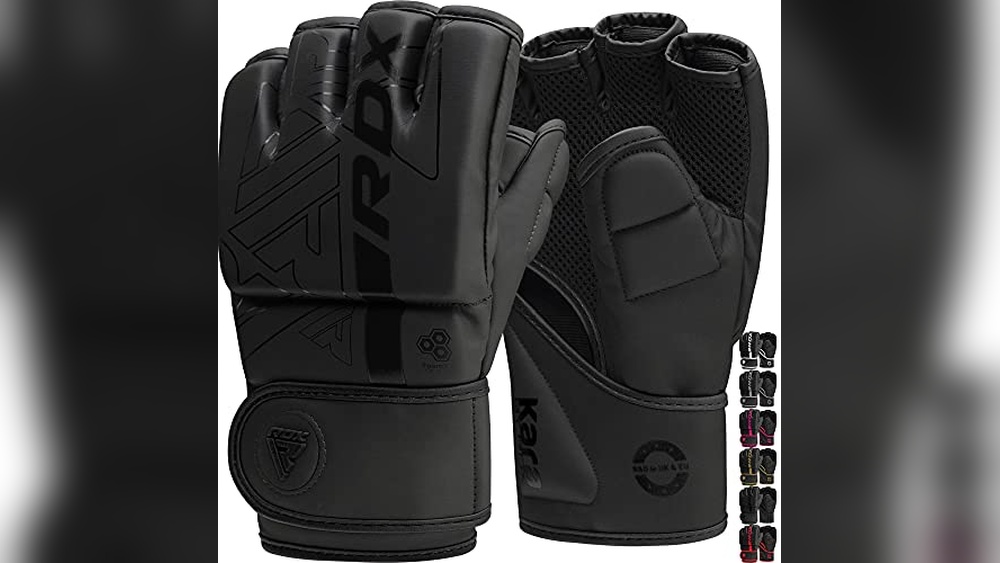
Choosing the right boxing glove size can make a huge difference in your comfort, protection, and performance. But how do you know what boxing glove size you really need?
Picking gloves that are too big or too small can lead to frustration, injuries, or a poor workout. You’ll discover simple, clear steps to find the perfect fit for your hands. Keep reading to make sure your next gloves feel just right every time you step into the ring.
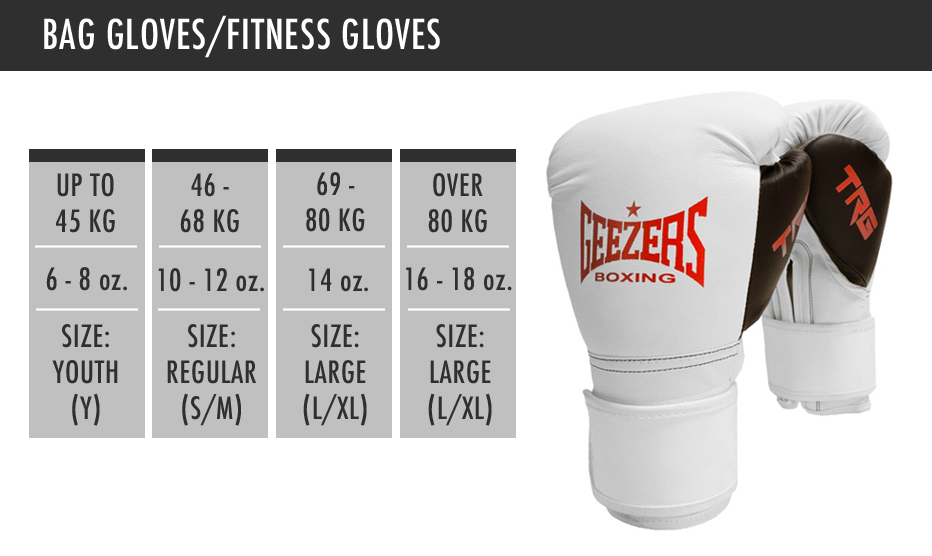
Credit: www.geezersboxing.co.uk
Choosing The Right Glove Size
Picking the right boxing glove size is very important for comfort and safety. Gloves that are too big or too small can cause problems during training or fights. Properly sized gloves protect your hands and help improve your performance.
Knowing your glove size is not hard. It depends on your weight, hand size, and the type of boxing you do. This guide will explain why size matters and what the common glove sizes mean.
Why Size Matters
Glove size affects your hand protection. Smaller gloves offer less padding and can hurt your knuckles. Larger gloves give more cushion but may slow your punches.
The right size helps prevent injuries like sprains and fractures. It also improves your grip and wrist support. Wearing the correct gloves makes your training safer and more effective.
Common Glove Sizes
Boxing gloves come in sizes measured in ounces (oz). Common sizes include 8 oz, 10 oz, 12 oz, 14 oz, and 16 oz. The higher the number, the bigger and heavier the glove.
Light gloves (8-10 oz) suit fighters who want speed and quick punches. Heavier gloves (14-16 oz) are good for training and sparring because they offer more padding.
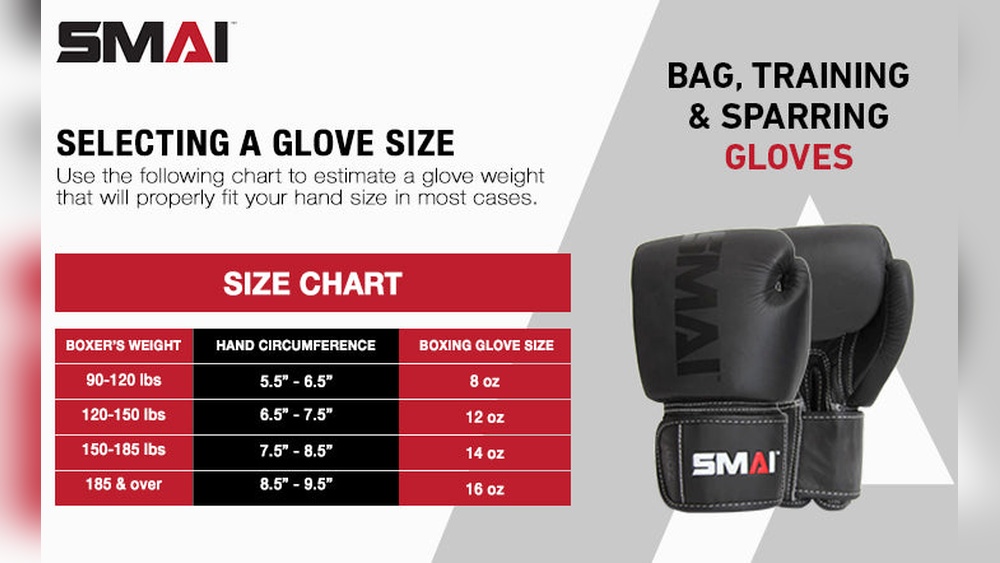
Choose a size based on your weight and training type. For example, a person weighing 120-150 pounds usually uses 12 oz gloves. Someone over 180 pounds might use 16 oz gloves.

Credit: www.smai.com
Measuring Your Hand
Measuring your hand is the first step to finding the right boxing glove size. The correct size protects your hands and improves comfort during training. A simple measurement helps avoid gloves that are too tight or too loose. This guide shows how to measure your hand easily and correctly.
Tools You Need
Gather a flexible measuring tape or a piece of string. You also need a ruler to measure the string if you use one. A pen and paper help to note down your measurement. These tools are common and easy to find at home.
Step-by-step Measurement
Start by extending your dominant hand fully. Wrap the measuring tape around the widest part of your palm. This part is just below your knuckles, excluding the thumb. Keep the tape snug but not tight. If you use a string, mark where it meets, then measure the string against a ruler.
Write down the length in inches or centimeters. This number helps you match your hand size to boxing glove charts. Repeat the measurement twice for accuracy. Use the larger number if the measurements differ.
Weight And Glove Size
Choosing the right boxing glove size depends largely on your body weight. Gloves come in different weights, measured in ounces (oz). The glove weight affects protection, comfort, and performance. Heavier gloves offer more padding but can slow your punches. Lighter gloves allow faster punches but less protection. Understanding how your body weight fits with glove sizes helps you pick the best gloves for training or fighting.
Matching Gloves To Body Weight
Boxing gloves are matched to your body weight to balance protection and speed. A general rule is: the heavier you are, the heavier your gloves should be. For example, a person weighing under 120 pounds might use 10 oz gloves. Someone weighing 150 pounds might use 12 oz gloves. This matching helps prevent injuries and improves your control during boxing.
Weight Classes And Size Recommendations
Weight classes in boxing guide glove size choices. For lightweights (under 135 pounds), 10 to 12 oz gloves work best. Middleweights (136 to 160 pounds) often use 12 to 14 oz gloves. Heavyweights (over 160 pounds) usually choose 14 to 16 oz gloves. These recommendations help protect your hands and your opponent while training or competing.
Types Of Boxing Gloves
Boxing gloves come in different types for different uses. Choosing the right type helps protect your hands and improves your training. Each type has its own design and padding. Knowing these types guides you to the right glove size.
Training Gloves
Training gloves are used for everyday practice. They have extra padding to protect your hands and your training partner. These gloves are good for bag work and mitt drills. They usually come in sizes from 12 to 16 ounces.
Sparring Gloves
Sparring gloves are softer and heavier than training gloves. They reduce the chance of injury during practice fights. These gloves offer more padding around the knuckles. Sparring gloves are often between 14 and 18 ounces.
Competition Gloves
Competition gloves are lighter and tighter. They allow faster punches and better control. These gloves have less padding to increase impact. Usually, competition gloves weigh between 8 and 10 ounces.
Trying Gloves On
Trying gloves on is the best way to find the right boxing glove size. It helps you feel how the gloves fit on your hands. This step is important before buying gloves. It ensures comfort and safety during training or matches.
Fit And Comfort Tips
Wear hand wraps before trying gloves. They add padding and affect glove fit. Put on the gloves and close the straps tightly. Move your fingers and make a fist. Gloves should feel snug but not tight. Avoid gloves that pinch or feel loose. Walk around and punch the air to test comfort.
Signs Of Proper Fit
Gloves fit well if your fingers reach the padding without extra space. Your wrist should feel supported but flexible. Gloves must not slide or twist on your hand. No pain or numbness should occur. The gloves stay secure during movement. These signs mean the glove size suits you well.
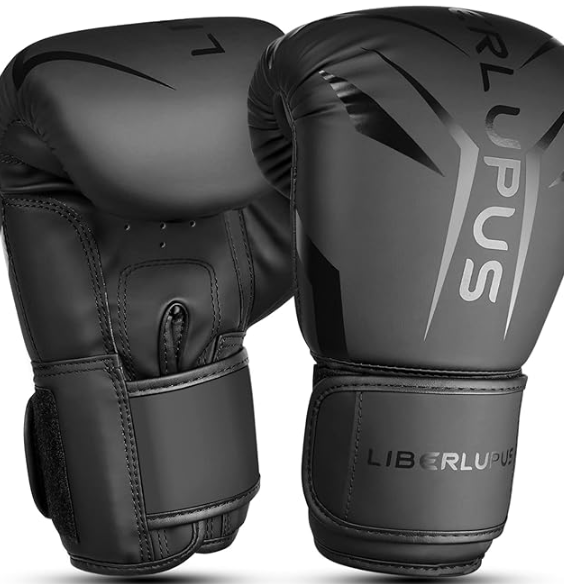
Credit: absolutemma.com
Adjusting For Different Uses
Choosing the right boxing glove size depends on what you plan to do. Different activities need different gloves. This helps protect your hands and improves your performance. Adjusting glove size for each use is important. It keeps you safe and comfortable during training.
Gloves For Bag Work
Bag work needs gloves with good padding. These gloves protect your knuckles from hard hits. They usually weigh between 12 to 16 ounces. Heavier gloves help build strength and endurance. A snug fit is important to avoid injuries. Gloves for bag work should have firm wrist support. This prevents your wrist from bending wrongly during punches.
Gloves For Sparring
Sparring gloves must protect both you and your partner. They are usually bigger and softer than bag gloves. Most sparring gloves weigh 14 to 18 ounces. More padding helps reduce impact on your partner. A looser fit allows better hand movement and safety. Wrist support is still key to avoid strain. Choose gloves that feel comfortable for longer practice sessions.
Common Mistakes To Avoid
Choosing the right boxing glove size is very important. Many people make simple mistakes that cause problems later. These mistakes can hurt your hands or reduce your performance. Avoiding these errors helps you train better and stay safe.
Choosing Too Small Or Large
Picking gloves too small can squeeze your hands and hurt your knuckles. Gloves that are too large do not protect well. They can slip and cause injuries. Always measure your hand size carefully before buying gloves. Proper fit feels snug but not tight. Your fingers should move easily inside.
Ignoring Hand Wraps
Many forget to consider hand wraps when choosing glove size. Hand wraps add extra thickness to your hands. Without accounting for wraps, gloves may feel tight and uncomfortable. Always wear your hand wraps while trying gloves. This ensures a proper fit and better protection.
Maintaining Your Gloves
Maintaining your boxing gloves helps them last longer and stay fresh. Gloves face sweat, dirt, and wear during every training session. Proper care keeps the padding firm and the leather strong. It also stops bad smells and bacteria growth. Simple habits can protect your gloves from damage and improve your boxing experience.
Cleaning And Care Tips
After every use, wipe the gloves with a clean cloth. Use a damp cloth to remove sweat and dirt. Avoid soaking the gloves in water. Let them dry in a cool, dry place away from sunlight. Open the gloves wide to air out the inside. Use glove deodorizers or sprinkle baking soda inside to reduce odor. Avoid putting gloves in a closed gym bag for a long time. Clean the outside with mild soap if needed. Do not use harsh chemicals or bleach.
When To Replace Gloves
Look for cracks or tears on the glove surface. Padding that feels hard or uneven means less protection. Gloves that smell bad even after cleaning need replacement. If gloves lose their shape or feel loose, they are worn out. Replacing gloves on time keeps your hands safe. Old gloves can cause injuries or reduce training quality. Check gloves regularly to spot these signs early.
Frequently Asked Questions
How Do I Measure My Hand For Boxing Gloves?
Measure your hand circumference around the knuckles using a tape. This size helps determine the right glove weight and fit for you.
What Glove Size Suits Beginners In Boxing?
Beginners typically use 12 to 14-ounce gloves. These sizes offer good protection and comfort while learning techniques.
Does Weight Affect Boxing Glove Size Choice?
Yes, glove weight corresponds to size and protection. Heavier gloves provide more padding, ideal for training and sparring.
Can Glove Size Vary By Brand?
Yes, sizing can differ between brands. Always check brand-specific size charts and try gloves if possible before buying.
Conclusion
Choosing the right boxing glove size protects your hands and improves your training. Measure your hand weight and purpose before buying gloves. Smaller gloves fit better for speed; bigger gloves offer more padding. Comfortable gloves reduce injury risks and help you punch with confidence.
Take your time to try different sizes if possible. The right fit feels snug but not tight. This simple step makes a big difference in your boxing experience. Stay safe, train smart, and enjoy every session with well-fitted gloves.