Are you looking to build stronger, wider lats but wonder if dumbbell rows really deliver? You’ve probably heard mixed opinions about this exercise and whether it truly targets your back muscles.
The good news is, dumbbell rows can be a powerful tool for developing your lats—if you do them right. You’ll discover how dumbbell rows work your lats, common mistakes to avoid, and tips to maximize your gains. Keep reading to unlock the secret to a stronger, more defined back!

Credit: www.youtube.com
Muscles Targeted By Dumbbell Rows
Dumbbell rows are a popular exercise that builds strength in the upper body. They target several muscles, focusing mainly on the back. Understanding which muscles work helps improve your form and results.
This section explains the muscles targeted by dumbbell rows. It shows how the lats play a key role. It also covers other muscles that assist during the movement.
Primary Muscles Engaged
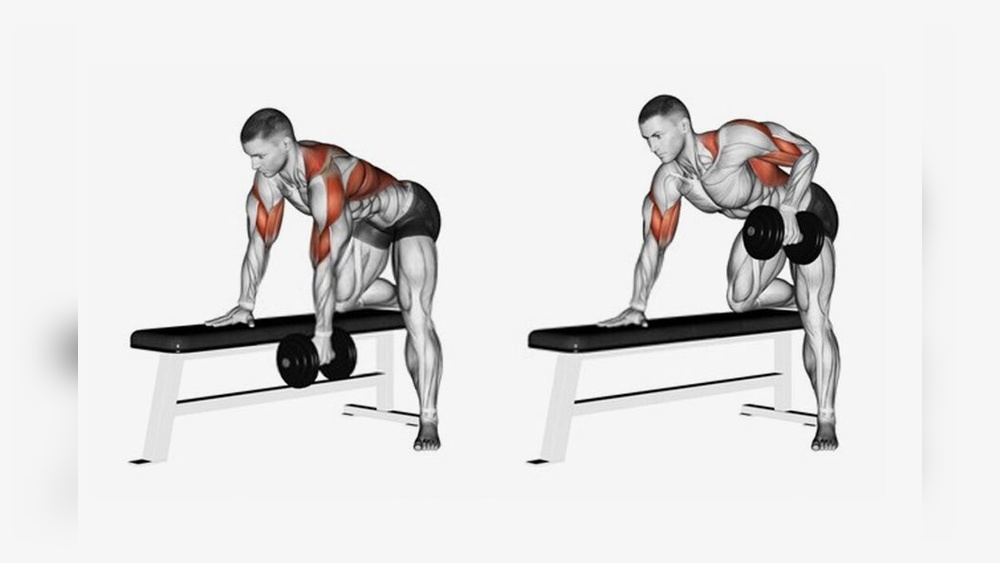
Dumbbell rows mainly work the muscles in your upper back. The largest of these is the latissimus dorsi, or lats. They pull your arm down and back. The rhomboids and trapezius also activate to stabilize the shoulder blades. These muscles work together to create strong, balanced back strength.
Role Of The Lats
The lats are the main movers during dumbbell rows. They help pull the weight towards your body. This action builds width in your back. Strong lats improve posture and support other lifting exercises. Dumbbell rows effectively activate the lats through a controlled pulling motion.
Secondary Muscle Involvement
Besides the primary muscles, several others assist in the movement. The biceps help bend the elbow. The rear deltoids work to move the arm backward. Core muscles engage to stabilize your body during the row. These supporting muscles help maintain control and balance throughout the exercise.
Proper Dumbbell Row Technique
Proper dumbbell row technique ensures you target your lats effectively. This exercise strengthens your back and improves posture. Performing the movement correctly helps avoid injury and builds muscle evenly. Focus on form over weight for the best results.
Body Positioning
Start by placing one knee on a bench. Keep your back flat and parallel to the floor. Hold a dumbbell in the opposite hand with your arm extended down. Pull the dumbbell toward your waist. Engage your core to keep your body steady. Avoid twisting or leaning sideways during the lift.
Grip Variations
Use a neutral grip with your palm facing your body for better lat activation. A pronated grip, with palm facing down, works your upper back more. Try a supinated grip, palm up, to involve your biceps. Change grips to target muscles differently and prevent boredom.
Common Mistakes To Avoid
Do not round your back during the row. Avoid using momentum to lift the dumbbell. Do not shrug your shoulder up toward your ear. Keep your elbow close to your body. Lower the weight slowly to maintain tension on your lats.
How Dumbbell Rows Stimulate Lat Growth
Dumbbell rows are a strong exercise for building lat muscles. They target the large muscles on your back sides. These muscles help you pull and lift with strength.
This exercise uses a pulling motion that works the lats deeply. It helps the muscles grow by making them work hard. Let’s look at how this happens.
Muscle Activation Patterns
Dumbbell rows activate the lat muscles by pulling the weight up. This action makes the lats contract and work. Other muscles, like traps and rhomboids, also help.
The lats do most of the work during the lift. This focused effort causes muscle fibers to grow stronger and bigger over time.
Range Of Motion Impact
The range of motion in dumbbell rows is key for lat growth. Pulling the dumbbell from a fully extended arm to your side stretches and contracts the lats.
This full movement increases muscle tension. It leads to better muscle development and strength gains.
Progressive Overload Strategies
To grow your lats, increase the weight or reps gradually. This forces your muscles to adapt and grow.
Try adding more weight or doing extra sets over time. This steady challenge helps your lats become bigger and stronger.
Comparing Dumbbell Rows To Other Lat Exercises
Dumbbell rows are a popular choice for building strong lats. Comparing them to other lat exercises helps you understand their unique role. Different exercises target muscles in various ways. Some offer more range of motion, while others focus on strength or endurance. Exploring these differences can guide your workout choices.
Versus Barbell Rows
Barbell rows use a fixed grip with both hands. This allows you to lift heavier weights than dumbbells. The movement targets the lats and middle back muscles. Dumbbell rows let each arm move independently. This helps fix strength imbalances between sides. Dumbbells also allow a greater range of motion. This can increase muscle stretch and contraction. Barbell rows may activate more muscle groups overall. Dumbbell rows focus more directly on the lats.
Versus Pull-ups And Chin-ups
Pull-ups and chin-ups use body weight for resistance. They mainly work the lats, biceps, and shoulders. These exercises improve functional strength and grip. Dumbbell rows allow you to control the load precisely. You can increase or decrease weight easily. Pull-ups require more upper body strength to start. Dumbbell rows are easier for beginners to learn. Pull-ups engage more muscles but need more skill.
Benefits And Limitations
Dumbbell rows build lat strength and size effectively. They improve muscle balance by working each side separately. The exercise also enhances grip and core stability. Limitations include less total load compared to barbells. They may not engage as many muscles as pull-ups. Dumbbell rows require good form to avoid injury. They work best as part of a balanced workout plan.
Incorporating Dumbbell Rows Into Your Routine
Adding dumbbell rows to your workout helps build strong lats and back muscles. This exercise targets the upper and middle back, improving posture and strength. Properly fitting dumbbell rows into your routine ensures steady progress and balanced muscle growth.
Frequency And Volume Recommendations
Perform dumbbell rows two to three times each week. Use three to four sets per session. Aim for eight to twelve repetitions per set. Rest about 60 seconds between sets. Adjust weight so the last reps feel challenging but doable.
Pairing With Complementary Exercises
Combine dumbbell rows with exercises like push-ups or bench presses. These moves target chest and triceps, balancing your upper body workout. Include pull-ups or lat pulldowns to focus more on lats. Mixing different exercises improves overall back strength and shape.
Sample Workout Plans
Try this simple plan: start with warm-up sets of dumbbell rows. Follow with bench presses and bodyweight squats. Finish with planks for core strength. Repeat this routine twice weekly. Increase weight or reps as you get stronger.

Credit: www.youtube.com
Tips For Maximizing Muscle Growth
Maximizing muscle growth from dumbbell rows requires more than just lifting weights. Proper habits outside the gym play a big role. Small changes in nutrition, rest, and tracking can lead to better results. Focus on these key areas to build strong lats faster.
Nutrition Essentials
Muscles need fuel to grow. Eating enough protein helps repair and build muscle fibers. Include lean meats, beans, and dairy in your meals. Carbohydrates provide energy for workouts. Choose whole grains and vegetables for steady energy. Drink water throughout the day to stay hydrated. Avoid too much junk food that can slow progress.
Rest And Recovery
Muscles grow during rest, not workouts. Aim for 7 to 9 hours of sleep each night. Rest days are important too. Give your lats time to heal between dumbbell row sessions. Light stretching or gentle movement can reduce soreness. Avoid training the same muscles hard every day.
Tracking Progress
Keep a workout log to track your weights and reps. Increase weight gradually to challenge your muscles. Note how your body feels after each session. Photos can help see visible changes over time. Tracking helps stay motivated and shows what works best.

Credit: learn.athleanx.com
Frequently Asked Questions
Do Dumbbell Rows Target The Lats Effectively?
Yes, dumbbell rows effectively target the latissimus dorsi muscles. They engage the lats during pulling motions, promoting strength and muscle growth in the back.
How Do Dumbbell Rows Compare To Barbell Rows?
Dumbbell rows allow a greater range of motion and unilateral training. Barbell rows often enable heavier lifting but may limit movement variety.
Can Beginners Build Lats With Dumbbell Rows?
Absolutely. Dumbbell rows are beginner-friendly and help build lat strength and size with proper form and consistent training.
What Is The Best Form For Dumbbell Rows?
Maintain a flat back, hinge at hips, and pull the dumbbell towards your waist. This maximizes lat engagement and reduces injury risk.
Conclusion
Dumbbell rows do target your lats well. They help build back strength and improve posture. Using the right form is key to get the best results. You can add variety by changing grip or angle. Consistency in your workouts will lead to better muscle growth.
This exercise fits well in any strength routine. Try adding dumbbell rows to feel stronger and more balanced. Keep it simple, focus on technique, and watch your lats improve over time.


