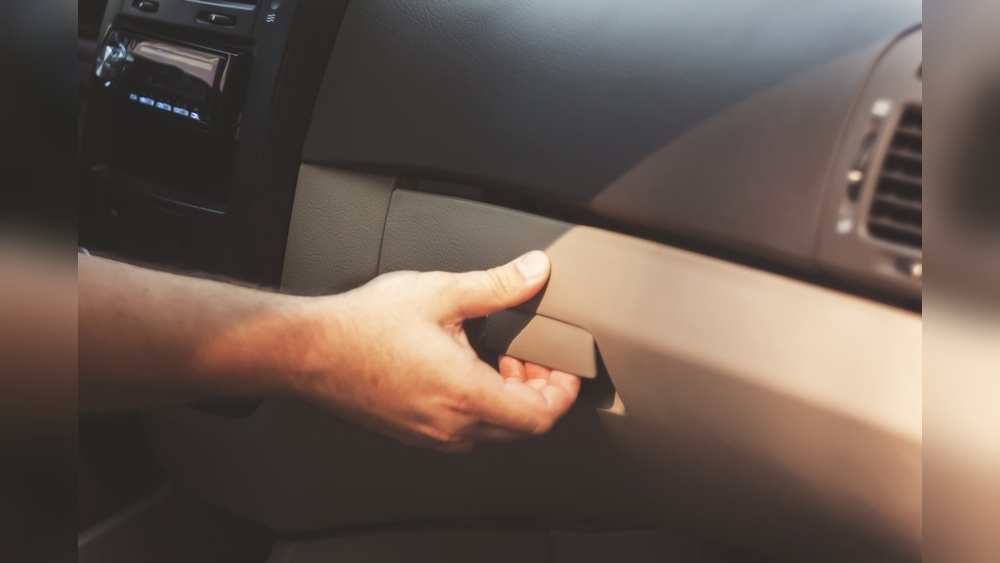
Have you ever wondered if the police can search your locked glove box without your permission? It’s a question that can make anyone feel uneasy.
Your glove box holds personal items, and the idea of someone going through it might feel like an invasion of privacy. But what does the law say about this? Understanding your rights in these situations can protect you from unexpected trouble.
Keep reading to find out exactly when cops can search your locked glove box and what you need to know to stay in control.

Credit: newjerseymonitor.com
When Can Police Search Your Glove Box
Police cannot search your locked glove box anytime they want. Certain rules decide when a search is allowed. These rules protect your rights and keep searches fair. Understanding these rules helps you know your rights better.
Police can search your glove box under specific conditions. Each condition has its own legal basis and limits. Below are the main situations when police can search your glove box.
Consent Searches
Police can search your glove box if you give permission. This is called a consent search. You have the right to say no. If you say yes, police can open and check inside. Consent must be clear and voluntary.
Search Incident To Arrest
When police arrest you, they can search your glove box. This search helps officers find weapons or evidence. It protects police safety and stops evidence destruction. The search must be close to the arrest time and place.
Probable Cause And Warrants
Police need probable cause to search your glove box. Probable cause means a good reason to believe there is evidence. Usually, police get a warrant from a judge. The warrant must describe the glove box clearly. This keeps searches legal and limited.
Exigent Circumstances
Sometimes police can search without a warrant or consent. This happens in emergencies. For example, if evidence might be destroyed or a person is in danger. These urgent cases allow quick police action. The search must be reasonable and necessary.
Legal Protections For Your Vehicle
Your vehicle has certain legal protections. These protect your privacy and property. Understanding these helps you know your rights during police encounters. Knowing what officers can and cannot do is important. Legal protections depend on laws and court rulings.
Fourth Amendment Rights
The Fourth Amendment protects against illegal searches and seizures. Police usually need a warrant to search your property. This includes your car and its compartments. Exceptions exist, but they are limited. Your locked glove box may have extra protection under this amendment.
Expectations Of Privacy In Cars
Privacy in cars is less than in homes. Courts say people expect less privacy in vehicles. Still, some parts of a car have more privacy. Locked areas like a glove box may be seen as private. Police need a good reason to search these areas.
Differences Between Locked And Unlocked Compartments
Locked compartments show an intent to keep things private. Unlocked compartments often have less privacy protection. Police may search unlocked areas without a warrant more easily. Locked glove boxes usually require stronger legal justification. This difference matters in court cases about searches.
Exceptions Allowing Glove Box Searches
Police officers generally need a warrant to search your locked glove box. But some exceptions allow them to search without one. These exceptions help officers act quickly in certain situations. Understanding these can help you know your rights better.
Searches During Traffic Stops
Officers can search your glove box during a traffic stop if they have probable cause. Probable cause means they believe there is evidence of a crime inside. This belief must be more than a simple hunch. For example, smelling drugs or seeing illegal items in plain view can justify a search.
Inventory Searches
When police tow your car, they often perform an inventory search. This search checks the contents of your vehicle, including the glove box. It protects your property and the police from false claims. Inventory searches do not require a warrant or probable cause.
Evidence In Plain View
If illegal items are visible without opening the glove box, officers can seize them. This is called the plain view doctrine. It allows police to act quickly if they spot evidence of a crime. They do not need to unlock the glove box to take visible items.

Credit: www.youtube.com
How To Respond If Police Search Your Glove Box
Knowing how to respond if police search your glove box is important. It helps protect your rights and keeps the situation calm. Stay clear and polite. Be aware of your options and what you should say or do. Your actions can affect the outcome significantly.
Knowing When To Speak Up
Speak up only to ask if you are free to leave. Do not argue or resist. You can ask if the officer has a search warrant. If no warrant exists, you can state you do not consent to the search. Keep your voice steady and respectful. Avoid sudden movements or raising your voice.
Documenting The Encounter
Try to remember details about the search. Note the officer’s name and badge number. Take mental notes of the time and place. If safe, record the search on your phone. This can help later if you need to prove what happened. Always stay calm while documenting.
Requesting Legal Representation
You have the right to a lawyer. Ask politely to speak with an attorney before answering questions. Do not give detailed answers without legal advice. Saying little protects you from self-incrimination. A lawyer can guide you on the best steps to take next.
Recent Court Cases And Rulings
Recent court cases and rulings have shaped how police can search a locked glove box. These decisions affect drivers’ rights and police procedures. Understanding these rulings helps you know your legal protections during a traffic stop.
Notable Supreme Court Decisions
The Supreme Court has set clear rules about car searches. In Arizona v. Gant, the Court limited searches to the area near the driver. Locked glove boxes were a key issue. The Court said officers need a reason to search locked compartments. Warrants or clear danger must exist for such searches.
Other cases emphasize privacy rights. The Court balances law enforcement needs with personal privacy. The rulings show that locked glove boxes cannot be searched freely.
State-level Variations
States interpret Supreme Court rulings differently. Some states allow broader searches during traffic stops. Others require strict rules and warrants. Local laws may protect locked glove boxes more.
Drivers must know their state’s rules. Police procedures vary, affecting search legality. This variation creates confusion for many drivers across the country.
Impact On Everyday Drivers
These rulings impact daily drivers directly. Knowing your rights can prevent illegal searches. Locked glove boxes offer extra protection. Police still have power but must follow rules.
Drivers should stay calm and ask for legal advice if needed. Awareness helps protect personal privacy and property during stops.

Credit: www.egattorneys.com
Tips To Protect Your Rights
Protecting your rights during a traffic stop is very important. Knowing what to do helps keep the situation calm and clear. Understanding your rights about a locked glove box can stop unnecessary searches.
Stay calm and polite. This helps you handle the stop better. Knowing your rights lets you avoid giving up more than needed.
Best Practices During Traffic Stops
Keep your hands visible on the steering wheel. Wait for the officer to speak first. Answer questions clearly but briefly. Do not argue or make sudden moves. Stay inside the car unless told otherwise. If asked, show your license and registration calmly.
Handling Consent Requests
Officers may ask to search your car or glove box. You have the right to say no. Say “I do not consent to a search” clearly. Do not touch or open anything. Consent must be given freely, not forced. Saying no does not mean guilt.
What Not To Do
Do not lie or give false information. Avoid reaching for items without permission. Do not argue loudly or act aggressive. Never try to hide or destroy evidence. Don’t say anything that can be used against you later. Stay calm and respectful at all times.
Frequently Asked Questions
Can Police Search My Locked Glove Box Without Permission?
Police generally need a warrant, consent, or probable cause to search a locked glove box. Without these, searching it may violate your Fourth Amendment rights.
Does Locking A Glove Box Prevent Police Searches?
Locking a glove box does not guarantee protection. Police can still search it if they have legal justification like a warrant or probable cause.
What Are My Rights If Police Want To Search My Glove Box?
You have the right to refuse a search without a warrant or probable cause. Clearly state your refusal to protect your rights.
Can Evidence From A Locked Glove Box Be Used Against Me?
Yes, if police legally access the glove box, any found evidence can be used in court against you.
Conclusion
Police can search a locked glove box, but rules apply. They need a warrant or your permission, except in emergencies. Knowing your rights helps you stay safe and calm. Always stay polite and clear when talking to officers. Understanding these basics protects your privacy during a stop.
Stay aware, stay respectful, and know what to expect. This keeps you prepared and confident in any situation.