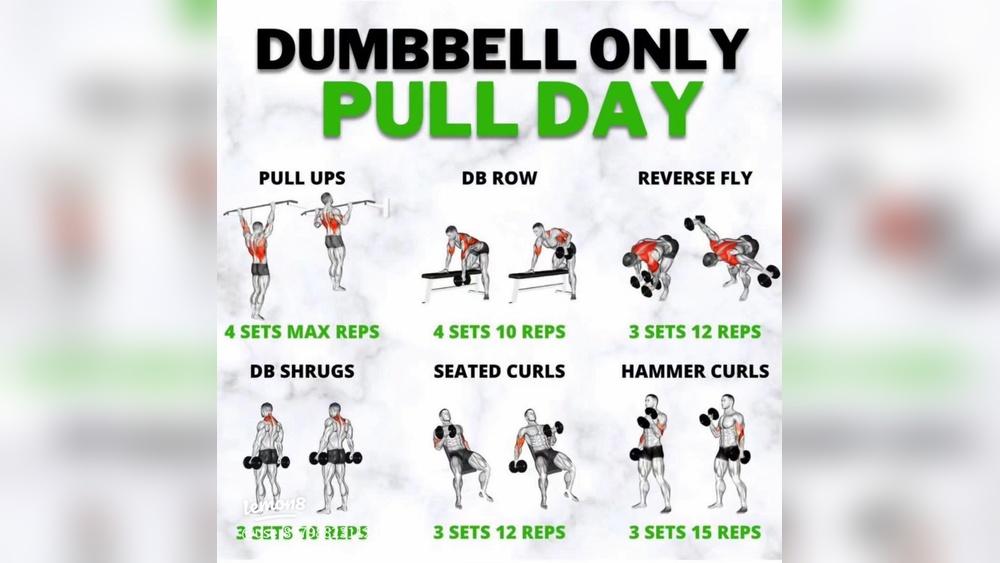
How many dumbbells should you use each day to get the best results? If you’ve ever wondered how to balance your workout without overdoing it or wasting time, you’re in the right place.
Finding the perfect amount can boost your strength, tone your muscles, and keep you motivated. But using too many or too few dumbbells might slow your progress or even cause injury. Keep reading to discover exactly how to make your dumbbell routine work for you—no guesswork, just clear, simple advice that fits your goals and lifestyle.
Optimal Dumbbell Sets For Daily Use
Choosing the right dumbbell sets for daily use helps build strength safely. The right set fits your fitness level and goals. It also saves space and money. A good dumbbell set lets you train different muscles effectively. It keeps workouts interesting and challenging every day.
Knowing what types and how many dumbbells to use is important. This guide explains how to pick the best sets for your daily routine.
Choosing The Right Weight Range
Select dumbbells that match your current strength. Start with lighter weights to learn correct form. Increase weight gradually to avoid injury. A common range is 5 to 25 pounds for beginners. More advanced users may need 30 to 50 pounds or more. The right weight lets you do 8 to 12 reps comfortably. If it feels too easy or too hard, adjust the weight.
Adjustable Vs Fixed Dumbbells
Adjustable dumbbells let you change weights quickly. They save space and cost less over time. Perfect for small areas and mixed workouts. Fixed dumbbells have a set weight each. They are sturdy and simple to use. Good for fast workouts and gym-style training. Choose adjustable if you want variety. Pick fixed if you prefer ease and durability.
Number Of Dumbbells For Different Goals
For general fitness, one pair of light and medium weights works well. For muscle building, use multiple pairs with different weights. This helps target various muscles effectively. For weight loss, focus on lighter weights with more reps. For strength, heavier dumbbells with fewer reps are better. Adjust your dumbbell count based on workout frequency and goals.
Daily Dumbbell Workout Frequency
Daily dumbbell workout frequency depends on your fitness goals and body recovery. Exercising too often can cause fatigue. Too little exercise may slow progress. Finding the right balance helps build strength safely. This section explains how to balance workout volume and recovery. It also highlights signs of overtraining and the need for rest days.
Balancing Volume And Recovery
Volume means the total amount of work done during workouts. It includes sets, reps, and weight lifted. Recovery is the time your muscles need to heal. Working out every day without enough rest can cause muscle strain. Aim for a workout plan that allows muscle recovery. For most people, 3 to 5 dumbbell sessions per week works well. Adjust intensity and volume based on how your body feels.
Signs Of Overtraining To Watch
Overtraining happens when the body does not recover enough. Watch for constant muscle soreness that lasts for days. Feeling tired even after sleeping is a warning. Loss of strength or poor performance can occur. Mood changes like irritability or lack of motivation are common. Frequent injuries or joint pain should not be ignored. These signs mean it is time to reduce workout frequency.
Incorporating Rest Days
Rest days are essential for muscle repair and growth. They prevent burnout and reduce injury risk. Plan at least two rest days each week. Use these days for light activities like walking or stretching. Rest days help maintain long-term workout consistency. Your muscles become stronger during rest, not exercise. Treat rest as a vital part of your routine.
Maximizing Strength Gains
Maximizing strength gains means using your dumbbell workouts smartly. The right approach helps your muscles grow and get stronger. It is not about just lifting more weight. It is about training with purpose and changing your plan to keep improving.
Progressive Overload Techniques
Progressive overload means increasing the challenge over time. You can lift heavier dumbbells step by step. Or increase the number of repetitions. Another way is to add more sets to your workout. This forces your muscles to adapt and grow stronger.
Small changes each week make a big difference. Avoid lifting the same weight with the same reps all the time. This stops your progress. Push a little harder as your body adjusts.
Varying Exercises For Muscle Growth
Changing exercises keeps your muscles working in new ways. Try different dumbbell moves for the same muscle group. For example, switch from curls to hammer curls for biceps. This targets muscles differently and avoids boredom.
Use a mix of slow and fast movements. Add exercises that work multiple muscles at once. Variety helps avoid plateaus and improves overall strength.
Tracking Your Progress Effectively
Keep a workout journal or use an app to track your dumbbell sessions. Write down weights, sets, and reps each day. Note how you feel during and after exercises.
Tracking helps you see what works and when to increase intensity. It keeps you motivated by showing clear progress. Adjust your plan based on your recorded results for steady gains.

Credit: www.youtube.com
Integrating Dumbbells With Other Equipment
Integrating dumbbells with other equipment can boost your workouts. It creates variety and targets muscles in new ways. Using different tools keeps your routine fresh. It also helps avoid plateaus and injuries. Mixing dumbbells with other exercises improves strength and balance.
Combining Dumbbells With Bodyweight Exercises
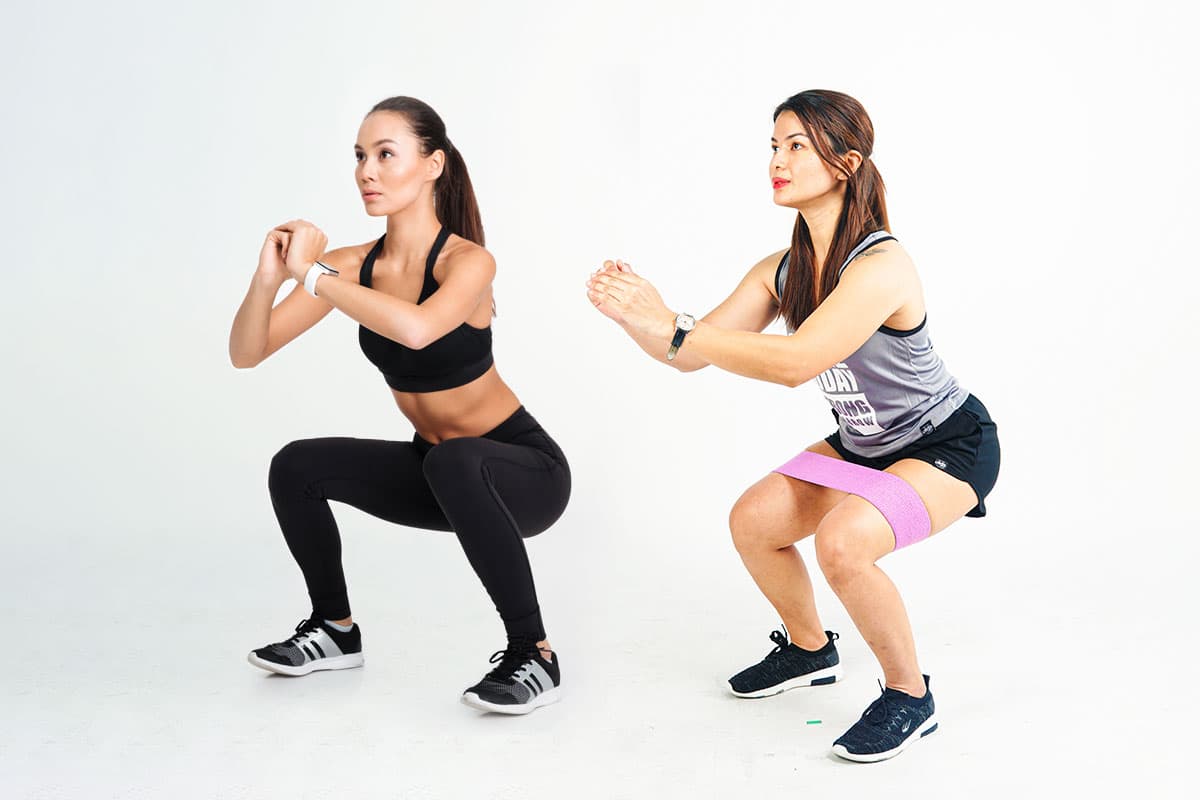
Bodyweight exercises build strength without equipment. Adding dumbbells increases resistance and challenge. For example, try dumbbell squats with push-ups. This mix works multiple muscle groups at once. It also improves coordination and endurance. Bodyweight moves with dumbbells suit all fitness levels.
Using Machines And Free Weights Together
Machines guide your movement safely. Free weights like dumbbells require more control. Using both trains muscles differently. Start with machines to warm up muscles. Then switch to dumbbells for balance and stability. This combo helps build strength faster and safer.
Benefits Of Cross-training
Cross-training means using various workout methods. It prevents boredom and overuse injuries. Different exercises challenge your body in many ways. Cross-training with dumbbells and other tools improves fitness overall. It helps muscles recover and grow stronger. This approach keeps you motivated and active.
Common Mistakes And How To Avoid Them
Avoiding common mistakes is key to safe and effective dumbbell workouts. Many people rush into exercises without understanding the risks. This can lead to injuries and slow progress. Here, we discuss frequent errors and how to fix them. Follow these tips to improve your routine and stay healthy.
Improper Form And Its Risks
Using the wrong form can cause serious injuries. Poor posture strains muscles and joints. It lowers workout effectiveness. Focus on slow, controlled movements. Keep your back straight and core tight. Stop if you feel pain. Practice in front of a mirror or with a trainer.
Ignoring Warm-up And Cool-down
Skipping warm-up leaves muscles stiff and prone to injury. Always start with light cardio or stretching. It prepares your body for exercise. Cool-down helps muscles relax and recover. Stretch after your workout to reduce soreness. These steps improve flexibility and prevent cramps.
Neglecting Nutrition And Hydration
Nutrition fuels your workouts and recovery. Eat balanced meals with protein, carbs, and fats. Drink water before, during, and after exercise. Dehydration lowers energy and focus. Avoid sugary drinks and junk food. Proper nutrition and hydration boost strength and endurance.
Credit: www.youtube.com
Credit: awtsuprints.com
Frequently Asked Questions
How Many Dumbbell Exercises Should I Do Daily?
Perform 3 to 5 dumbbell exercises per day for balanced muscle targeting. Focus on different muscle groups to avoid overtraining. Adjust reps and sets based on your fitness goals and experience level.
Can I Use Dumbbells Every Day Without Rest?
Using dumbbells daily is possible if you vary intensity and muscle groups. Rest days are essential for muscle recovery and growth. Listen to your body to prevent injury and fatigue.
What Is The Ideal Duration For Dumbbell Workouts?
Aim for 20 to 45 minutes per dumbbell workout session. This duration supports muscle building and endurance without causing burnout. Include warm-up and cool-down for best results.
How Many Dumbbell Sets Are Effective Per Workout?
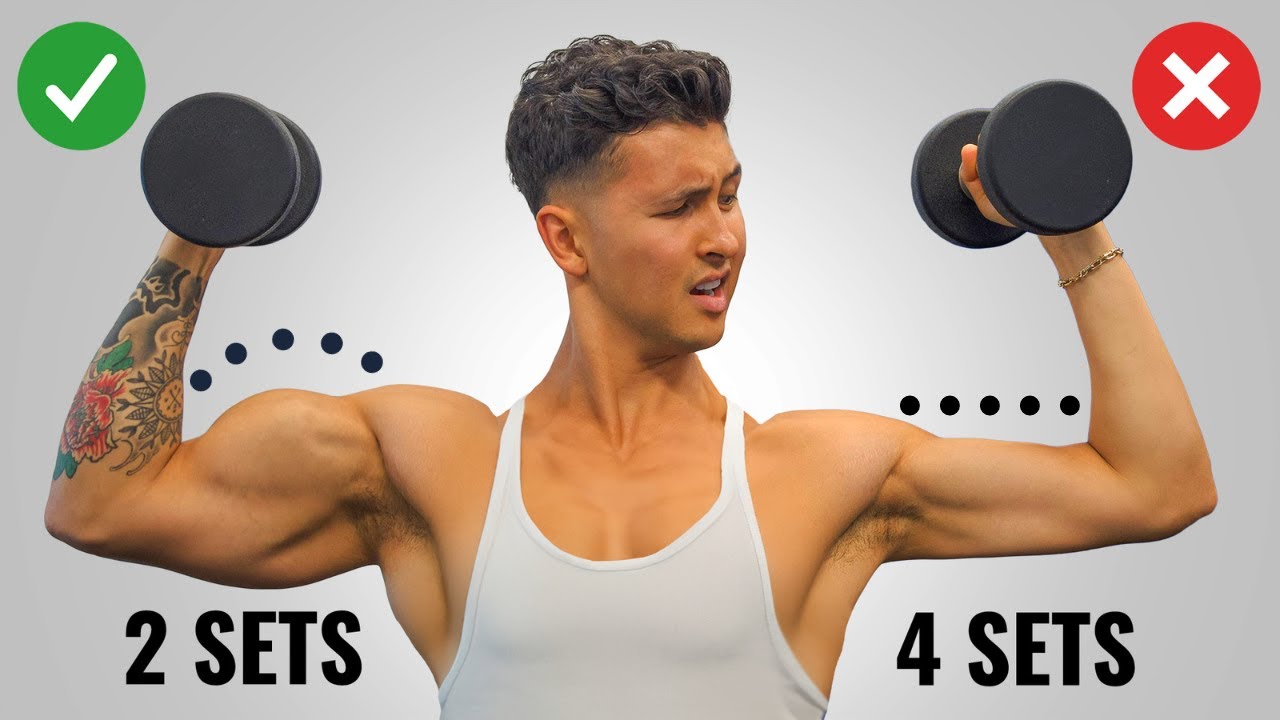
3 to 4 sets per exercise are effective for strength and muscle gain. Keep reps between 8 to 12 for hypertrophy. Adjust sets based on your fitness level and goals.
Conclusion
Dumbbell workouts help build strength and improve fitness. The right amount depends on your goals and fitness level. Start with light weights and fewer reps to avoid injury. Gradually increase weight and sets as your muscles grow. Rest days are important for recovery and muscle growth.
Consistency matters more than doing too much at once. Listen to your body and adjust your routine as needed. Regular dumbbell exercise can boost health and confidence. Keep it simple, steady, and enjoy the process.

