Have you ever wondered what goes into making rubber hex dumbbells, the sturdy weights you rely on during your workouts? Understanding how these dumbbells are made can give you a new appreciation for their durability and design.
You’ll discover the step-by-step process behind their creation and why each part matters to your training experience. Keep reading to uncover the secrets that make these dumbbells a trusted choice for your fitness routine.
Raw Materials For Hex Dumbbells
Raw materials are the foundation of quality hex dumbbells. The choice of these materials affects durability, safety, and performance. Two main components make up rubber hex dumbbells: the steel core and the rubber coating. Each part requires careful selection to ensure the final product meets fitness standards.
Steel Core Selection
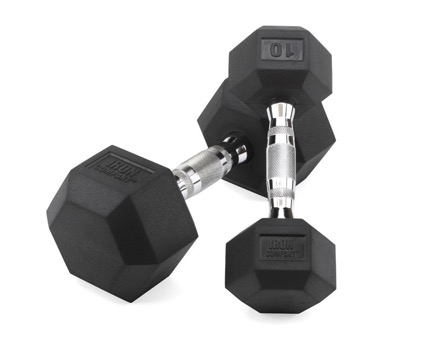
The steel core provides the dumbbell’s weight and strength. Manufacturers select high-grade steel for its toughness and resistance to bending. The steel must hold heavy loads without deforming over time. It is cut and shaped into a hexagonal design. This shape prevents the dumbbells from rolling during use. Precision in size and weight is critical for balance and safety.
Rubber Compound Ingredients
The rubber coating protects the steel core and floors. It also improves grip and reduces noise. The rubber is made from a mix of natural and synthetic compounds. These include polymers, fillers, and curing agents. The mix must be tough yet flexible to withstand repeated impacts. The rubber also resists cracking, chipping, and wear. Color pigments may be added for appearance and branding.
Credit: www.ironcompany.com
Steel Core Fabrication
The steel core is the heart of a rubber hex dumbbell. It gives the dumbbell strength and shape. The process of making this core is called steel core fabrication. This step is very important. It ensures the dumbbell lasts long and stays safe to use.
Cutting And Shaping
Steel bars are the raw material for the core. Workers cut these bars into pieces. Each piece matches the dumbbell’s size and weight. Machines shape the steel into hexagon forms. This shape helps the dumbbell stay in place and not roll away.
The steel must be cut precisely. Even small mistakes can cause problems. The shaping process smooths the edges. This makes the dumbbell easier to handle and safer to use.
Welding And Assembly
The cut and shaped steel parts are joined next. Welding fuses these parts into a solid core. Skilled workers check the welds for strength. Poor welds can cause the dumbbell to break or wobble.
After welding, the core is assembled with a handle. The handle must fit tightly. This connection holds the dumbbell together during exercise. The finished core moves to the next step for rubber coating.
Rubber Preparation
Rubber preparation is a key step in making rubber hex dumbbells. This process shapes the rubber’s strength and durability. It starts with mixing raw materials. Then, color and other additives are added. Each stage helps create the perfect rubber for dumbbells.
Mixing Rubber Components
The first step is mixing natural and synthetic rubber. These rubbers combine to make a strong base. Workers add fillers like carbon black for toughness. Mixing happens in large machines called mixers. The result is a thick, uniform rubber compound. This mix is soft but ready for shaping.
Coloring And Additives
Next, color is added to the rubber mix. Pigments make dumbbells bright and easy to spot. Additives improve rubber’s resistance to heat and wear. Sometimes, anti-aging chemicals extend the dumbbells’ life. The mix stays consistent in color and texture. This step ensures the dumbbells look good and last long.
Molding Process
The molding process shapes the rubber hex dumbbells. It forms the rubber around the metal handle. This step is key to making strong and durable dumbbells. The process uses heat and pressure to create the final product.
Each dumbbell starts as raw rubber and metal. The rubber must fit perfectly around the handle. The mold guides this shape. It ensures the dumbbell looks good and lasts long.
Designing The Mold
The mold design decides the dumbbell’s shape and size. Engineers create molds that match exact measurements. They consider the hex shape and handle placement. The mold must hold rubber tightly during shaping. It also needs to release the dumbbell easily after molding.
Materials for the mold include steel or aluminum. These metals resist heat and pressure well. Mold design includes cooling channels to speed up the process. Proper design helps avoid defects like bubbles or weak spots.
Injection And Compression Molding
Injection molding injects heated rubber into the mold. The rubber flows into every corner of the mold cavity. Pressure forces the rubber to fill tight spaces around the handle. This method works well for complex shapes like hex dumbbells.
Compression molding presses rubber into the mold using heat and force. The rubber starts as a solid piece or sheet. It softens under heat and fills the mold shape. This process makes dense, strong rubber covers around the metal handle.
Both methods use heat to cure the rubber. Curing changes rubber from soft to hard and durable. Once cooled, the dumbbell is removed from the mold. The result is a solid, well-formed rubber hex dumbbell.
Bonding Rubber To Steel
Bonding rubber to steel is a key step in making rubber hex dumbbells. This process ensures the rubber coating stays firmly attached to the steel core. It protects the dumbbell from damage and provides a comfortable grip. The bond must be strong and durable for long-lasting use.
Adhesive Application
The first step is applying a special adhesive to the steel handle. This glue is designed to stick well to both metal and rubber. Workers spread the adhesive evenly over the steel surface. This creates a sticky layer that helps the rubber cover attach tightly.
Applying the right amount is important. Too little glue can cause the rubber to peel off. Too much glue can cause lumps or weak spots. Precision during this step ensures a smooth and strong bond.
Curing And Setting
After the adhesive is applied, the rubber is pressed onto the steel. Then, the dumbbells move to a curing area. Heat or pressure is used to activate the adhesive. This step makes the glue harden and lock the rubber in place.
Curing time varies depending on the adhesive type. It must be enough to form a solid bond without damaging the materials. Once cured, the dumbbells are checked for any loose spots. This step guarantees the rubber stays fixed during use.
Finishing Touches
The finishing touches are the last steps in making rubber hex dumbbells. These steps ensure the dumbbells look good and feel comfortable to use. They also improve the dumbbells’ durability and safety. Careful finishing makes the product ready for gyms and homes.
Trimming Excess Rubber
After molding, rubber may stick out around the edges. Workers trim this extra rubber to create clean lines. This step removes bumps and sharp bits. It helps the dumbbells fit perfectly into the hex shape. Trimming also stops the dumbbells from damaging floors or hands.
Surface Texturing And Logos
The dumbbells get a textured surface to improve grip. This texture stops slipping during workouts. Manufacturers often add logos or weight markings at this stage. These marks help users pick the right dumbbell quickly. The logos also show the brand clearly. Both texture and logos make the dumbbells look professional and user-friendly.
Quality Control Checks
Quality control checks ensure that rubber hex dumbbells meet high standards. These checks maintain safety, performance, and customer satisfaction. Each dumbbell undergoes strict tests before it reaches the market. This process helps avoid defects and guarantees product reliability.
Weight Accuracy
Weight accuracy is crucial for effective workouts. Each dumbbell is weighed multiple times during production. Machines check if the weight matches the label. If the weight is off, the dumbbell is adjusted or discarded. Accurate weight helps users track progress and avoid injury.
Durability Testing
Durability testing checks how well dumbbells resist damage. They face impact tests to simulate drops and rough use. The rubber coating is examined for cracks and wear. Only dumbbells that pass these tests move forward. Durable dumbbells last longer and provide better value.

Credit: www.ritfitsports.com
Packaging And Distribution
After the rubber hex dumbbells are made, packaging and distribution play a vital role. Proper packaging ensures the dumbbells reach customers without damage. Distribution handles getting the product to stores or buyers quickly and safely. This stage protects the product’s quality and supports the brand’s reputation.
Protective Packaging
Each dumbbell is wrapped carefully to avoid scratches and dents. Manufacturers use thick cardboard boxes or plastic wrap for extra protection. Foam inserts or bubble wrap may cushion the dumbbells during transit. Labels on the packaging provide important product details and handling instructions. This careful packaging reduces damage during handling and shipping.
Shipping And Logistics
The dumbbells are loaded onto trucks or shipping containers for delivery. Logistics teams plan routes to minimize delays and costs. Warehouse workers organize shipments based on destination and order size. Tracking systems monitor the shipment progress in real time. Efficient shipping ensures the dumbbells arrive on time and in perfect condition.
Credit: vietnamcastiron.com
Frequently Asked Questions
How Are Rubber Hex Dumbbells Manufactured?
Rubber hex dumbbells start with steel cores shaped into hexagonal forms. Then, they are coated with durable rubber to protect floors and reduce noise. The process ensures a secure grip and long-lasting performance for gym users.
What Materials Are Used In Rubber Hex Dumbbells?
The core is made from high-quality steel for strength. The outer layer is durable rubber, which protects surfaces and enhances grip. This combination provides safety, durability, and comfort during workouts.
Why Is Rubber Used On Hex Dumbbells?
Rubber protects gym floors from damage and reduces noise during workouts. It also prevents dumbbells from slipping and improves grip. This material extends the dumbbells’ lifespan and enhances user safety.
How Is The Rubber Coating Applied On Dumbbells?
The rubber coating is applied using a molding process. The steel core is placed in a mold, and liquid rubber is poured around it. Once cured, it forms a tough, protective layer around the dumbbell.
Conclusion
Rubber hex dumbbells start as solid metal cores. The metal is shaped and coated with rubber for safety. This process gives them a strong, durable build. The rubber protects floors and reduces noise during workouts. Each dumbbell is tested to ensure quality and weight accuracy.
These simple steps create reliable fitness tools. Understanding their making helps appreciate their design and use. Quality dumbbells support better and safer exercise routines. A smart choice for home and gym workouts alike.