Have you ever wondered how much weight your dumbbell can actually hold? Whether you’re just starting out or looking to upgrade your home gym, knowing this can make a big difference in your workouts.
Using the right weight keeps you safe and helps you get stronger faster. You’ll discover everything you need to know about dumbbell weight limits, so you can lift with confidence and avoid unexpected surprises. Keep reading—your perfect workout setup is closer than you think!
Credit: fitwomensweekly.com
Dumbbell Weight Limits
Dumbbell weight limits depend on many factors. Knowing these limits helps you pick safe and strong equipment. Weight capacity varies by materials, design, and type. Understanding these differences keeps your workouts safe and effective.
Material Impact On Strength
Dumbbells are made from different materials. Steel and cast iron offer high strength. Plastic and rubber dumbbells hold less weight. Metal parts can support more load without bending. Some dumbbells have a solid core, adding durability. Material quality directly affects the maximum weight a dumbbell can hold.
Common Weight Ranges
Fixed dumbbells usually range from 1 to 50 pounds. Gym-grade dumbbells can be heavier, up to 100 pounds or more. Lighter weights suit beginners and light exercises. Heavier weights support strength training and muscle building. It is important to choose weights that fit your fitness level and goals.
Adjustable Vs Fixed Dumbbells
Adjustable dumbbells have plates you add or remove. This allows flexible weight options in one set. Fixed dumbbells have a set weight and do not change. Adjustable dumbbells often hold less weight than fixed ones. Fixed dumbbells are more durable and stable for heavy lifting. Choose based on space, budget, and workout needs.
Factors Affecting Dumbbell Capacity
The weight a dumbbell can hold depends on several important factors. These factors affect safety and performance during workouts. Knowing them helps choose the right dumbbells for your needs. Let’s explore the main elements that affect dumbbell capacity.
Handle Design And Grip
The handle design impacts how much weight a dumbbell can hold. Thick handles support more weight than thin ones. A good grip prevents slipping and improves control. Knurled or textured handles enhance grip strength. Smooth handles may limit the weight you can safely lift.
Plate Attachment Methods
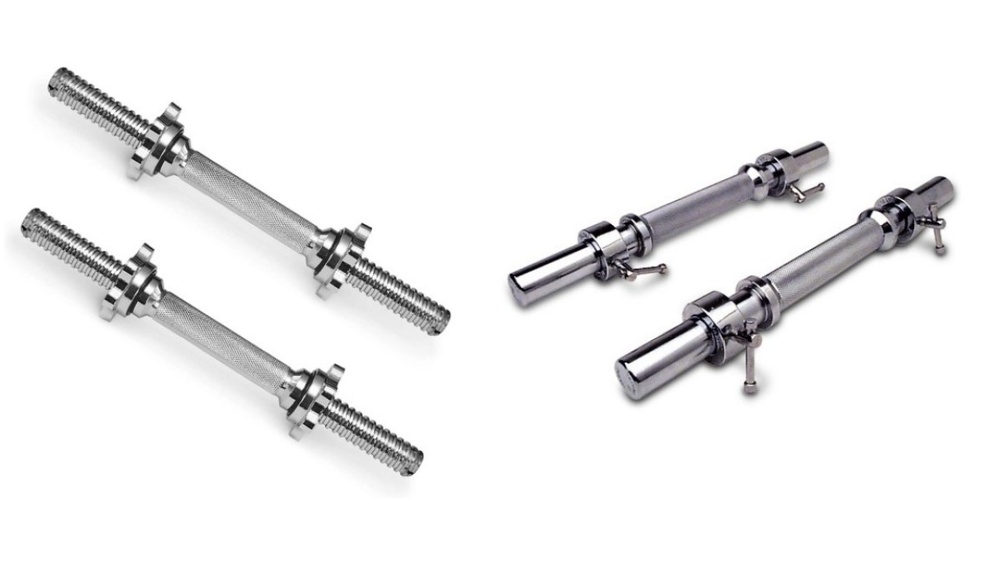
How plates attach to the dumbbell affects its capacity. Threaded collars or spin-locks secure plates firmly. Some use clips or pins for quick changes. Loose or weak attachments reduce weight limits. Strong, secure attachments allow heavier weight without risk.
Manufacturing Quality
High manufacturing quality ensures dumbbells hold more weight. Strong metals and durable materials resist bending or breaking. Precise assembly keeps parts tight and stable. Poor quality dumbbells may fail under heavy loads. Choose well-made dumbbells for safety and longevity.
Types Of Dumbbells And Their Strength
Dumbbells come in different types, each with its own strength and uses. Knowing the type helps in choosing the right dumbbell for your workout. Some are best for heavy lifting, while others suit light exercises.
Each dumbbell type has a weight limit it can hold safely. This limit depends on the materials and design used in making them. Let’s explore the common types and their strength.
Cast Iron Dumbbells
Cast iron dumbbells are solid and very strong. They can hold heavy weights without breaking. These dumbbells last long and are ideal for serious strength training. Their weight range is usually fixed, but some come with removable plates.
Rubber Coated Dumbbells
Rubber coated dumbbells have a metal core covered in rubber. The rubber protects floors and reduces noise. These dumbbells are strong but a bit less durable than cast iron. They can hold heavy weights but the coating might wear out over time.
Selectorized Dumbbells
Selectorized dumbbells let you change weights quickly. They use a pin system to add or remove plates. Their strength depends on the metal plates inside. These dumbbells hold a good amount of weight but may not be as solid as fixed dumbbells.
Safety Tips For Heavy Dumbbell Use
Using heavy dumbbells can boost strength and muscle growth. Safety matters most during these workouts. Taking care of your equipment and body prevents injuries. Follow these tips to stay safe and train smart.
Inspecting Equipment Regularly
Check dumbbells before each use. Look for cracks or loose parts. Tighten any screws or bolts. Damaged dumbbells can break and cause harm. Keep your gear clean and dry to avoid rust. Regular inspections ensure safe lifting every time.
Proper Lifting Techniques
Lift with control and steady movements. Avoid jerking or swinging weights. Use your legs and core for support. Keep your back straight during lifts. Start with lighter weights to learn form. Good technique reduces strain and injury risks.
Avoiding Overloading
Know your limits and increase weights slowly. Overloading can cause muscle tears and joint pain. Use weights you can handle for 8 to 12 reps. Rest between sets to let muscles recover. Over time, your strength will safely improve.
Maximizing Dumbbell Durability
Maximizing dumbbell durability helps you use them longer. Strong and well-kept dumbbells hold more weight safely. Simple care and smart handling keep your dumbbells in top shape. This saves money and ensures safe workouts.
Storage Recommendations
Store dumbbells in a dry place to prevent rust. Use racks to keep them off the floor. Avoid stacking heavy weights on top of each other. Keep them away from direct sunlight and moisture. Proper storage stops damage and maintains balance.
Maintenance Practices
Clean dumbbells regularly with a damp cloth. Dry them fully to avoid rust spots. Check bolts and screws to keep them tight. Lubricate moving parts if your dumbbells have adjustable weights. Regular checks prevent wear and improve safety.
Replacing Worn Parts
Replace cracked handles or loose plates immediately. Use original parts to keep the dumbbells strong. Damaged parts reduce the weight capacity and risk injury. Timely replacement extends the life of your dumbbells. Always inspect before each workout session.

Credit: www.youtube.com
When To Upgrade Your Dumbbells
Knowing when to upgrade your dumbbells is key to a safe and effective workout. Using the right weights helps avoid injury and supports steady progress. Recognizing the signs that your dumbbells need replacing can save you frustration.
Signs Of Wear And Tear
Look for cracks, rust, or loose parts on your dumbbells. Worn grips can cause slipping during exercises. If weights wobble or feel unstable, it’s time for new ones. Damaged dumbbells risk injury and reduce workout quality.
Matching Weights To Strength Progress
As your strength grows, your dumbbells should too. Using weights that are too light limits muscle gains. Choose weights that challenge you but do not cause strain. Gradually increasing weight helps improve muscle and endurance.
Budgeting For New Equipment
Plan your budget before buying new dumbbells. Look for quality products that last long. Compare prices online and in stores to find good deals. Investing in durable dumbbells saves money over time.
Credit: learn.athleanx.com
Frequently Asked Questions
What Determines How Much Weight A Dumbbell Can Hold?
A dumbbell’s weight capacity depends on its design and materials. Metal dumbbells hold more weight than plastic ones. Adjustable dumbbells have weight limits based on their locking mechanisms. Always check manufacturer specifications before adding extra weight.
Can I Add More Weight Plates To A Dumbbell?
Yes, if the dumbbell has a secure locking system, you can add more plates. However, exceeding the recommended weight can risk damage or injury. Always follow the manufacturer’s weight limits and safety guidelines when adding plates.
How Much Weight Can Adjustable Dumbbells Support?
Adjustable dumbbells typically support between 25 to 90 pounds. The exact capacity depends on the model and build quality. Check the product details to ensure you stay within safe limits for effective and safe workouts.
Does Dumbbell Weight Capacity Affect Workout Safety?
Yes, using dumbbells beyond their weight capacity increases injury risk. Overloading can cause the dumbbell to break or slip. Always use weights within the dumbbell’s limits and maintain proper form during exercises.
Conclusion
Dumbbells come in many weight sizes. Each dumbbell can hold a different amount of weight. It depends on the brand and design. Always check the weight limits before use. Using too much weight can cause injury. Choose dumbbells that fit your strength level.
Gradually increase weight to build muscle safely. Remember, proper form matters more than heavy weight. Dumbbells help improve strength and fitness at home or gym. Stay consistent and patient with your workouts. Your body will get stronger over time.