Have you ever wondered what’s the weight of boxing gloves and why it matters so much? Whether you’re just starting out or looking to improve your training, knowing the right glove weight can change everything.
It affects your speed, power, and even how long you can train without getting tired. You’ll discover how to choose the perfect glove weight for your needs, so you can boost your performance and protect your hands. Keep reading, and you’ll never look at boxing gloves the same way again.
Credit: www.hayabusafight.com
Boxing Glove Weights Explained
Boxing gloves come in different weights. Each weight suits a certain purpose. Choosing the right glove weight is key for training and fighting. Gloves protect your hands and your opponent. The weight affects comfort, speed, and power. Understanding glove weights helps you pick the best pair.
Common Weight Categories
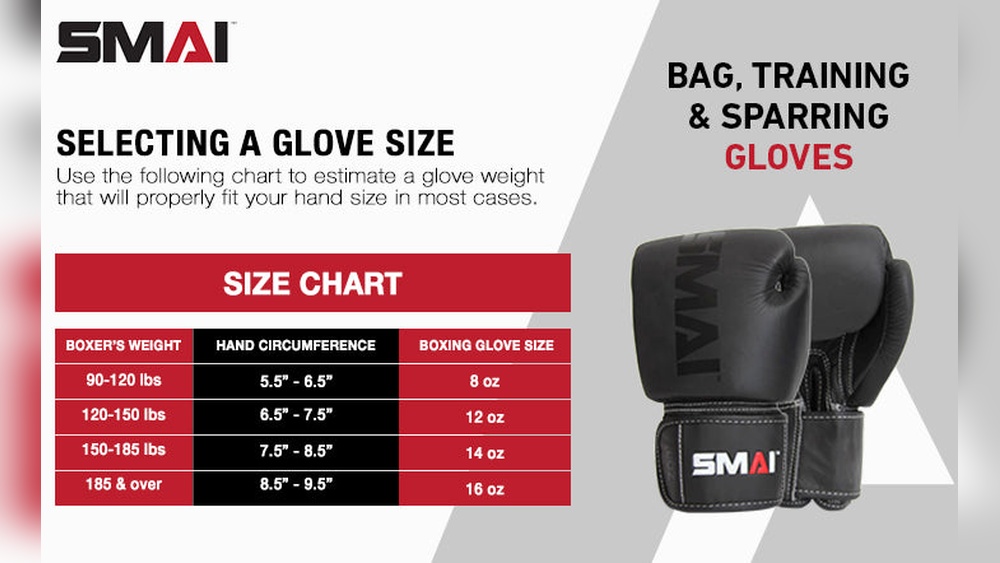
Boxing gloves usually range from 8 oz to 20 oz. The most common weights are 10 oz, 12 oz, 14 oz, and 16 oz. Lighter gloves, like 8 oz or 10 oz, are used in fights. Heavier gloves, like 14 oz or 16 oz, are for training. Kids and beginners often use smaller gloves. The weight depends on your hand size and purpose.
How Weight Affects Performance
Heavier gloves slow your punches but offer more protection. Lighter gloves increase speed but reduce padding. Training with heavy gloves builds endurance and strength. Fighting with lighter gloves allows faster movements. Choosing the right weight balances speed, power, and safety. Your glove weight affects how you train and fight.
Materials And Padding Differences
Gloves use foam padding to absorb impact. More padding means heavier gloves and better protection. Leather gloves last longer than synthetic ones. Synthetic gloves are lighter and cheaper. Padding quality affects glove weight and comfort. Good gloves fit well and protect your hands properly.
:format(jpeg)/f/115220/1244x700/b5324542a6/boxing-glove-ounces-explained-youtube-video.jpg)
Credit: blog.joinfightcamp.com
Choosing Gloves For Training
Choosing the right boxing gloves for training matters a lot. Gloves protect your hands and your sparring partner. Different training types need different glove weights. The right gloves help improve your technique and avoid injuries. Let’s explore the best gloves for each training style.
Gloves For Bag Work
Bag work requires gloves that offer strong protection. Heavier gloves, usually 14 to 16 ounces, absorb more impact. They protect your knuckles and wrists from the hard bag. These gloves also help build strength and endurance in your arms. Use well-padded gloves to avoid hand pain during heavy bag sessions.
Gloves For Sparring
Sparring gloves must protect both you and your partner. Usually, 16-ounce gloves are standard for sparring. They have extra padding to soften punches and reduce injury risk. A snug fit is important to prevent slipping inside the glove. Choose gloves that feel comfortable for long sparring rounds.
Gloves For Fitness Boxing
Fitness boxing focuses on speed and cardio. Lighter gloves between 10 and 14 ounces are ideal. They allow faster punches and easier movement. These gloves provide enough padding for bag and mitt work. Pick gloves that feel light but still protect your hands well.
Selecting Gloves For Competition
Selecting the right gloves for competition is very important in boxing. Gloves protect both fighters from injury and help maintain fair play. Different competitions have strict rules about glove weight and type. Choosing gloves that meet these rules is essential for all boxers.
Amateur Boxing Standards
Amateur boxing uses gloves that are usually heavier than professional gloves. The weight helps reduce the force of punches. Gloves often range from 10 to 12 ounces. This weight depends on the boxer’s weight class. Amateur gloves also have more padding for safety.
Professional Boxing Requirements
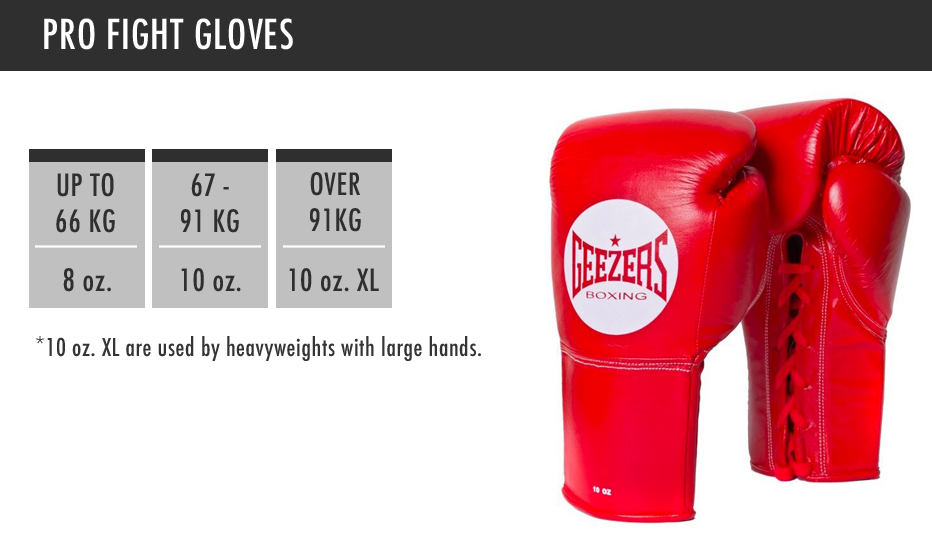
Professional boxing gloves are lighter to allow faster punches. Most pros use gloves between 8 and 10 ounces. The exact weight depends on the fight’s rules and the boxer’s weight. These gloves have less padding than amateur gloves but still protect the hands well.
Weight Limits By Organization
Different boxing organizations set their own glove weight rules. The International Boxing Association (AIBA) requires 10 to 12-ounce gloves for amateurs. The World Boxing Council (WBC) sets 8 to 10-ounce gloves for pros. Always check the specific rules for the competition you enter.
Factors Influencing Glove Weight Choice
Choosing the right weight of boxing gloves depends on several key factors. These factors help ensure safety, comfort, and effectiveness during training or competition. Understanding these influences can guide you to the best glove weight for your needs.
Body Weight And Hand Size
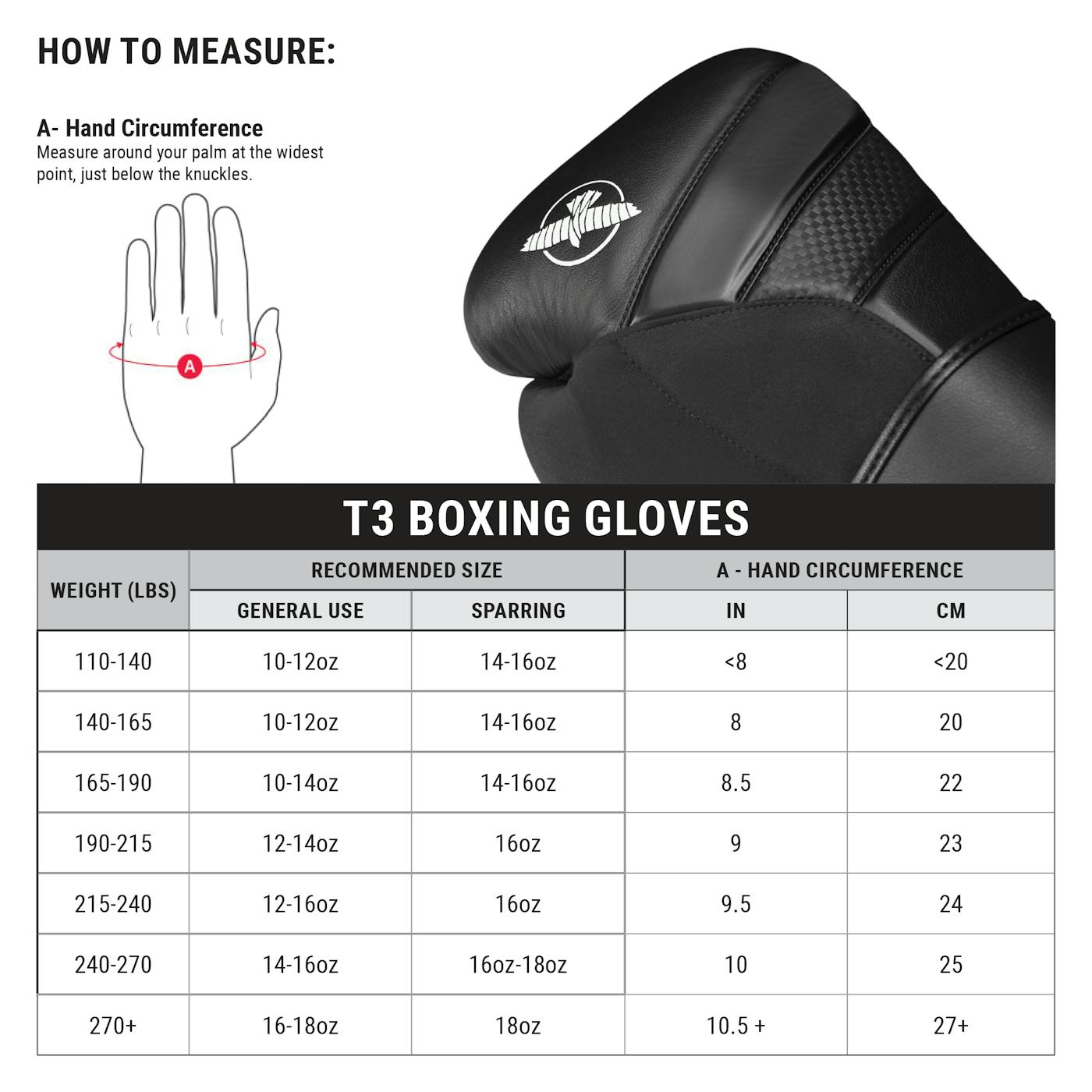
Your body weight plays a big role in selecting glove weight. Heavier people often need heavier gloves for better protection. Lighter gloves might not absorb impact well for bigger bodies. Hand size also matters. Gloves must fit well to avoid slipping or discomfort. Bigger hands usually need larger gloves to feel secure.
Training Goals
Different training types require different glove weights. For heavy bag work, heavier gloves protect your hands better. Sparring needs gloves that offer both protection and control. Lighter gloves can improve speed and technique during pad work or shadowboxing. Match gloves are usually lighter to allow faster punches.
Comfort And Fit
Comfort is key in glove choice. Gloves that feel too tight or loose can distract you. Proper fit helps prevent injuries and improves performance. Padding thickness affects comfort and weight. Try on gloves to find a balance between snug fit and freedom of movement. Well-fitted gloves make training more enjoyable and safe.
Tips For Testing Glove Weight
Testing the weight of boxing gloves is key for comfort and performance. Choosing the right weight helps you train well and avoid injury. Gloves feel different depending on their weight and padding. Trying gloves on and simulating real use gives the best idea of how they work. Pay close attention to fit and support for your hands and wrists.
Trying Gloves On
Put the gloves on to check their weight and fit. Move your fingers and make a fist. Gloves should feel snug but not tight. Heavy gloves may tire your arms faster. Lighter gloves allow quicker punches. Notice if the gloves cause any discomfort or pressure points.
Simulating Workout Conditions
Wear the gloves while shadowboxing or hitting a bag. This shows how the gloves perform in action. Check if the weight feels balanced and manageable. Notice if your punches feel natural or slowed. Testing gloves in motion helps find the right weight for training.
Assessing Hand And Wrist Support
Check if the gloves support your wrists firmly. Good gloves keep your wrists stable during punches. Press on your wrist while wearing gloves to feel support. Gloves that are too heavy or loose may cause strain. Proper support reduces injury risk and improves control.
Credit: www.geezersboxing.co.uk
Maintaining And Caring For Gloves
Maintaining and caring for boxing gloves is important for their performance and hygiene. Gloves trap sweat and dirt after every use. Cleaning and storing them properly keeps them fresh. It also helps prevent bad smells and damage. Taking care of gloves extends their lifespan and saves money.
Cleaning Techniques
Wipe gloves with a damp cloth after each use. Use mild soap and water for deeper cleaning. Avoid soaking gloves in water. Let them air dry fully before storing. Use a glove deodorizer or sprinkle baking soda inside. This reduces bacteria and odor.
Storage Tips
Store gloves in a cool, dry place. Avoid leaving them in a gym bag for days. Use a breathable bag or mesh pouch. Keep gloves away from direct sunlight. Proper storage stops mold and material damage.
Extending Glove Lifespan
Use hand wraps to reduce sweat inside gloves. Rotate gloves if you train often. Check for tears and fix small damages quickly. Avoid hitting hard surfaces with gloves. Regular care helps gloves last longer and perform better.
Frequently Asked Questions
What Are The Common Weights Of Boxing Gloves?
Boxing gloves usually range from 8 to 20 ounces. Lighter gloves (8-10 oz) suit competitions. Heavier gloves (14-20 oz) are for training and sparring.
How Does Glove Weight Affect Boxing Performance?
Heavier gloves offer more protection but reduce speed. Lighter gloves increase hand speed but provide less padding. Choose based on training or fighting needs.
Why Do Boxers Use Different Glove Weights?
Different weights protect hands and adjust workout intensity. Fighters use heavier gloves for training to build strength. Lighter gloves are preferred in official matches for agility.
What Glove Weight Is Best For Beginners?
Beginners should start with 14 to 16-ounce gloves. These provide good protection and help build technique safely. They balance comfort and hand safety effectively.
Conclusion
Choosing the right boxing gloves weight matters a lot. It affects your comfort and performance in the ring. Lighter gloves help with speed and agility. Heavier gloves provide more protection and strength. Think about your training type and goals first.
Try different weights to find what fits best. Remember, good gloves keep your hands safe and help you improve. Keep these tips in mind when picking gloves next time. Your boxing experience will feel better and safer. Simple choices make a big difference.