Are you wondering how much weight you should use for your dumbbell chest press? Finding the right amount can be tricky, but it’s key to building strength without risking injury.
Whether you’re just starting out or looking to push your limits, knowing the right dumbbell weight can make all the difference in your progress. You’ll discover simple tips to choose the perfect weight for your chest press. Keep reading to unlock the secret to maximizing your workout and getting the results you want faster.
Choosing The Right Weight
Choosing the right dumbbell weight for your chest press is key to safe and effective workouts. Picking weights that fit your strength helps you build muscle without injury. The right weight challenges your muscles but does not cause strain.
Assessing Your Current Strength
Start by understanding your current muscle power. Try lifting a dumbbell you can press 8 to 12 times with good form. The last few reps should feel hard but doable. This test shows your starting weight level.
Starting With Manageable Loads
Choose a weight that feels easy to lift at first. This helps your muscles get used to the motion. Lifting too heavy at the start may cause pain or poor form. Manageable weights build confidence and reduce injury risk.
Incremental Weight Progression
Increase your dumbbell weight in small steps. Add 2 to 5 pounds after you can do 12 reps easily. Small increases keep your muscles growing safely. Progressing slowly prevents burnout and keeps workouts effective.
Proper Chest Press Technique
Proper chest press technique is key to building strength and avoiding injury. Using the right form helps target your chest muscles effectively. It also protects your shoulders and wrists during the exercise. Focus on control and steady movement for best results.
Body Positioning And Grip
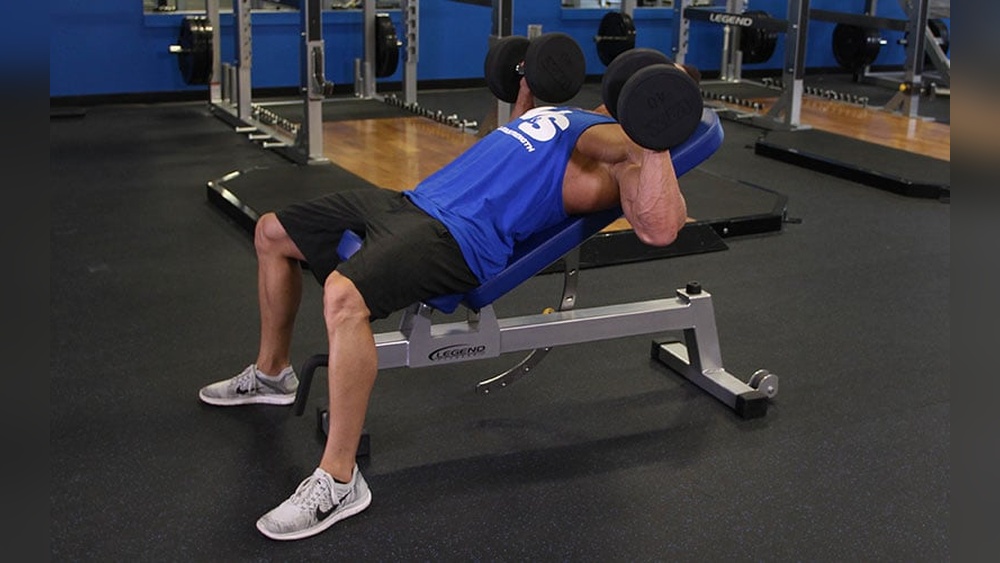
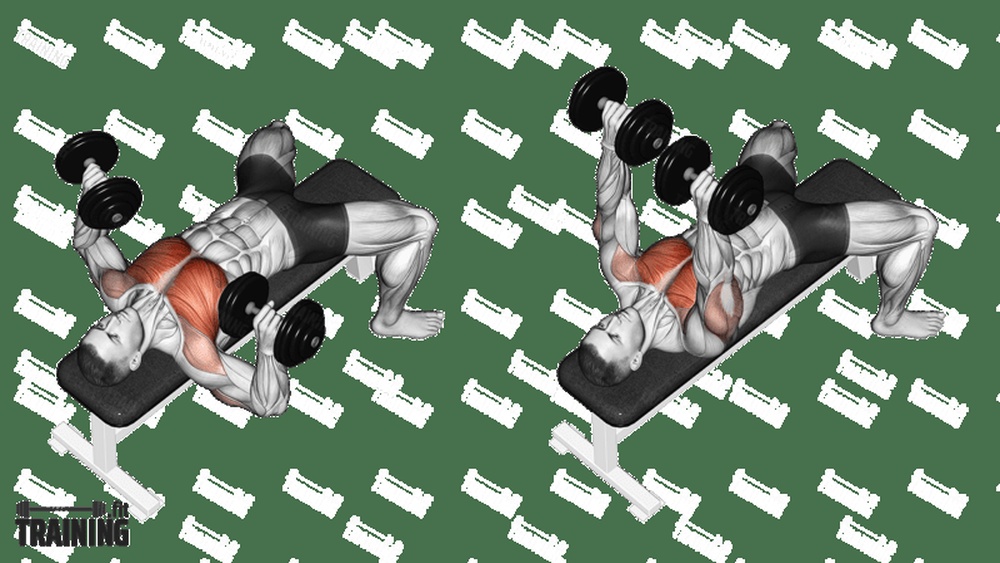
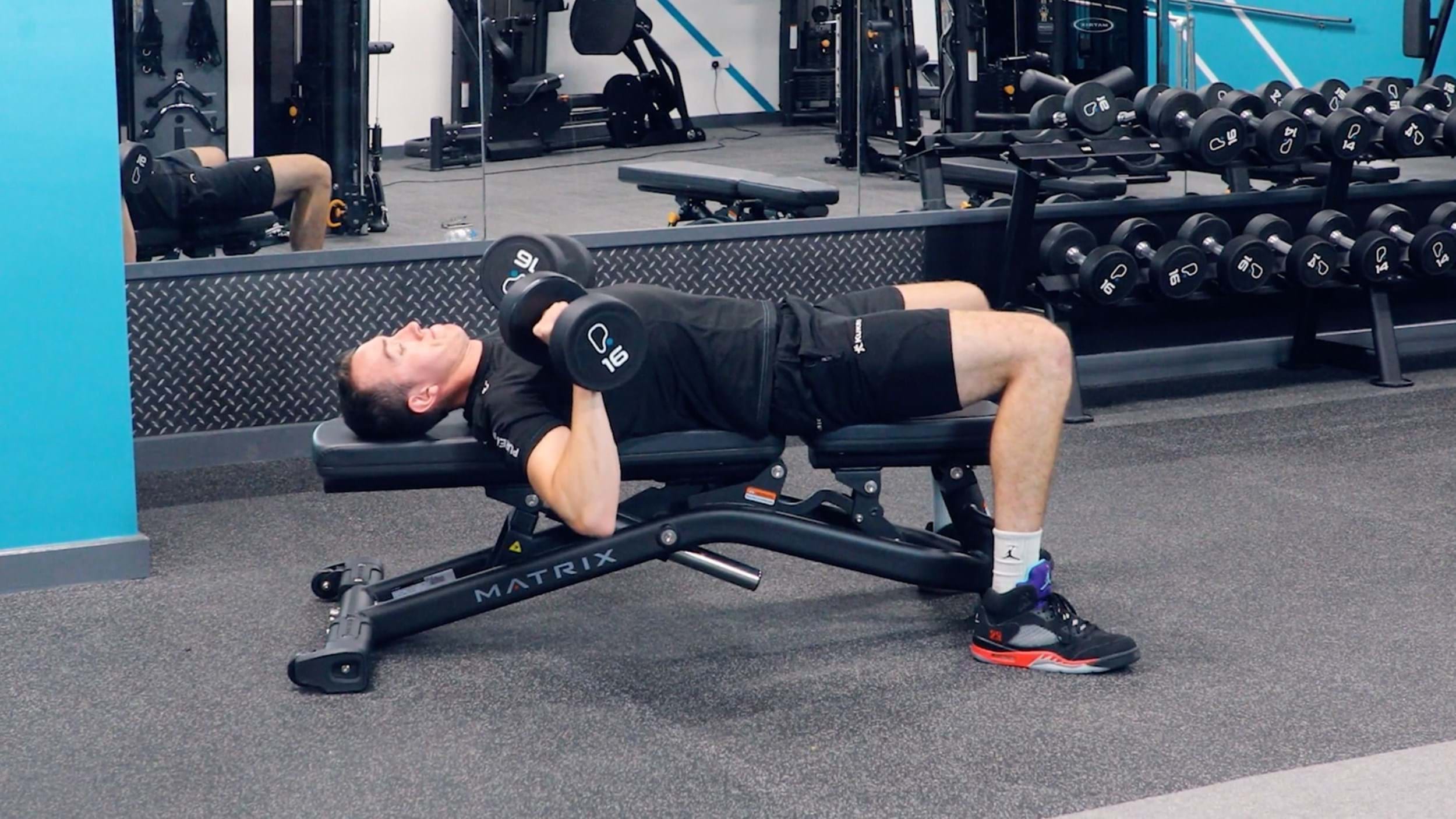
Lie flat on a bench with your feet on the ground. Keep your back pressed against the bench. Hold dumbbells with a firm but comfortable grip. Your hands should be slightly wider than shoulder-width apart. Keep your wrists straight to avoid strain. Position the dumbbells near your chest at the start.
Controlling Movement And Breathing
Press the dumbbells upward in a smooth motion. Do not lock your elbows at the top. Lower the dumbbells slowly to your chest. Control the speed to keep tension on the muscles. Inhale as you lower the weights. Exhale as you push the dumbbells up. Steady breathing supports your strength and focus.
Common Form Mistakes To Avoid
Do not arch your back off the bench. Avoid flaring your elbows too wide. Keep your wrists aligned with your forearms. Do not bounce the weights off your chest. Avoid holding your breath during the movement. Using too heavy dumbbells can break your form. Focus on slow, controlled reps for best results.
Safe Training Practices
Training with dumbbell chest presses can build strength and muscle. Safe training practices protect your body and help progress. Avoiding injury is key to long-term success. Follow simple steps to keep workouts safe and effective.
Warming Up Effectively
Start every session with a warm-up. Light cardio raises your heart rate. Dynamic stretches loosen chest and shoulder muscles. Perform a few sets with lighter dumbbells. This prepares your muscles for heavier weight.
Incorporating Spotters Or Safety Equipment
A spotter helps when lifting heavy dumbbells. They can assist if you lose control. Use a weight bench with safety features. These reduce the risk of dropping weights. Safety equipment ensures peace of mind during training.
Recognizing And Preventing Injuries
Watch for pain or unusual discomfort. Stop if you feel sharp pain. Muscle soreness is normal, but pain is not. Use proper form to avoid strain. Gradually increase weight to prevent overload.

Credit: strengthlevel.com
Tracking Your Max Dumbbell Chest Press
Tracking your max dumbbell chest press helps measure your strength progress. It guides your workout plans and shows your improvements. Knowing your max lets you adjust weights safely and avoid injury. This section explains how to test your max, use calculators, and set goals.
Testing Your One-rep Max
Testing your one-rep max means lifting the heaviest weight once with good form. Warm up properly before attempting your max lift to prevent injury. Start with lighter weights and increase gradually. Rest well between attempts. Stop if you feel pain or lose control.
Using Rep Max Calculators
Rep max calculators estimate your max lift based on reps and weight. They help avoid risky max attempts. Enter the weight you lifted and the number of reps completed. The calculator shows your estimated one-rep max. Use this tool to track progress without heavy lifts.
Setting Realistic Strength Goals
Set clear, achievable goals to stay motivated. Focus on small improvements over time. Aim for steady increases in weight or reps. Adjust goals based on your progress and fitness level. Celebrate milestones to keep your workouts exciting.
Enhancing Strength Gains
Enhancing strength gains in the dumbbell chest press requires a smart plan. Building muscle and power takes more than just lifting heavy weights. It involves the right mix of training, recovery, and nutrition. Small changes in how you train can lead to better results.
Focus on quality and consistency. This helps your muscles grow stronger and prevents injuries. The following sections explain key strategies to boost your strength with the dumbbell chest press.
Programming Volume And Frequency
Volume means the total amount of work done in a session. Frequency is how often you train the chest press each week. Both affect your strength gains. Start with 3 to 4 sets per workout. Use 8 to 12 repetitions per set for muscle growth.
Train the dumbbell chest press 2 to 3 times per week. This allows enough time for recovery between sessions. Increase volume or weight gradually to avoid plateaus. Track your progress and adjust as needed.
Balancing Chest Press With Accessory Exercises
The dumbbell chest press works the chest, shoulders, and triceps. To improve strength, add exercises that support these muscles. Include push-ups, dumbbell flyes, and tricep dips. These help build muscle balance and reduce injury risk.
Work on your back muscles too. Rows and pull-ups improve posture and stability. Balanced training leads to better performance in the chest press.
Nutrition And Recovery Strategies
Muscle strength grows during rest, not just workouts. Eat enough protein to support muscle repair. Aim for 1.2 to 2 grams of protein per kilogram of body weight daily.
Sleep is essential. Try for 7 to 9 hours each night. Good sleep helps hormones that build muscle. Drink plenty of water to stay hydrated. Recovery helps you train harder and get stronger over time.

Credit: www.youtube.com
Credit: www.puregym.com
Frequently Asked Questions
How Much Weight Should I Start With Dumbbell Chest Press?
Start with light weights to master form and technique. Typically, beginners use 10-20 pounds per dumbbell. Gradually increase weight as strength improves to avoid injury and build muscle effectively.
How Many Reps Are Ideal For Dumbbell Chest Press?
Aim for 8-12 reps per set for muscle growth. Perform 3-4 sets with proper rest between. Adjust reps based on your fitness goals and strength level.
How Often Should I Do Dumbbell Chest Press Workouts?
Train your chest 2-3 times per week. Allow at least 48 hours rest between sessions. Consistency and recovery are key to muscle growth and injury prevention.
Can Dumbbell Chest Press Replace Barbell Press Effectively?
Yes, dumbbells offer greater range of motion and muscle activation. They help fix muscle imbalances better than barbells. Both exercises complement each other well for balanced chest development.
Conclusion
Choosing the right dumbbell weight matters for chest press success. Start with light weights to learn the proper form. Gradually increase weight as strength and confidence grow. Avoid lifting too heavy too soon to prevent injury. Consistency and patience bring the best results over time.
Focus on steady progress, not fast gains. Remember, quality beats quantity in every workout. Keep your goals clear and listen to your body. This approach helps build strength and avoid setbacks. Stay dedicated, and your chest press will improve steadily.