Choosing the right boxing glove size is more important than you might think. The gloves you wear affect your comfort, performance, and even your safety during training or a fight.
If your gloves are too big or too small, you risk hurting your hands or not getting the protection you need. But how do you know which size is best for you? Keep reading, and you’ll discover simple tips to find the perfect fit that will boost your confidence and help you train smarter.
Don’t let the wrong gloves hold you back—your hands deserve the best.

Credit: www.capomondo.com
Why Glove Size Matters
Choosing the right boxing glove size is very important. The size affects how well you perform and how safe you stay during training or fights. Gloves that are too big or too small can cause problems. Understanding why glove size matters helps you make the best choice for your needs.
Impact On Performance
Glove size changes how you move your hands and strike. Smaller gloves let you punch faster and with more control. Bigger gloves offer more padding but can slow your punches. The right size helps you hit accurately and keep your speed.
Injury Prevention
Proper glove size protects your hands and wrists. Gloves that fit well absorb shock better. Too small gloves may not protect enough, causing injuries. Too large gloves can slip, leading to accidents. Correct size lowers risk of harm while training or fighting.
Comfort And Durability
Comfort depends on glove fit. Gloves that are too tight feel painful. Loose gloves can rub and cause blisters. A good fit feels snug but not tight. Wearing the right size also helps gloves last longer. They keep their shape and padding better.

Credit: www.smai.com
Types Of Boxing Gloves
Boxing gloves come in different types, each designed for a specific purpose. Choosing the right type helps protect your hands and improves your training. Understanding these types makes picking the right glove size easier.
Training Gloves
Training gloves are versatile and used for various exercises. They offer good padding to protect your hands during workouts. These gloves balance comfort and protection for daily training sessions.
Sparring Gloves
Sparring gloves focus on safety during practice fights. They have extra padding to reduce injury risks for you and your partner. These gloves are usually heavier to slow down punches and protect both users.
Bag Gloves
Bag gloves are lighter and designed for hitting heavy bags. They provide less padding but protect your knuckles from impact. These gloves help you build power and speed while working on the bag.
Competition Gloves
Competition gloves are used during official matches. They meet strict size and weight rules set by boxing organizations. These gloves offer less padding to enhance speed and impact during fights.
Measuring Your Hand Size
Choosing the right boxing glove size starts with measuring your hand size. This step helps find gloves that fit well. Gloves that fit properly protect your hands and improve comfort during training or fights. Measuring is simple and takes only a few minutes. Follow the steps carefully to get an accurate size.
Tools You Need
You only need a few tools for measuring your hand size. A soft measuring tape works best. If you don’t have one, use a piece of string and a ruler. Make sure the ruler is clear and easy to read. Avoid using metal tape measures because they are stiff and less accurate.
Step-by-step Measurement
First, wrap the measuring tape around your dominant hand’s knuckles. Keep your fingers together and your thumb tucked in. Measure the widest part of your hand, around the knuckles. Note the number in inches or centimeters. Next, measure from the tip of your middle finger to the base of your palm. Write down this length. Use both numbers to find the right glove size.
Common Measurement Mistakes
Many people make mistakes that lead to wrong glove sizes. Avoid measuring your hand while it is wet or swollen. Do not pull the tape too tight or leave it too loose. Always measure your dominant hand, as it is usually larger. Measure your hand more than once to be sure. These tips help get the most accurate size for your gloves.
Credit: www.esquim.com
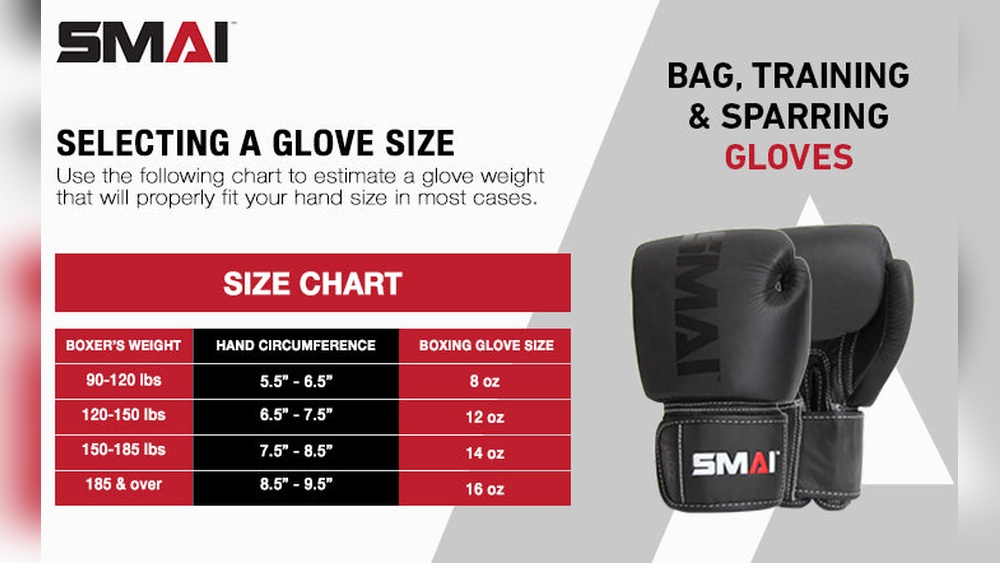
Weight-based Glove Sizing
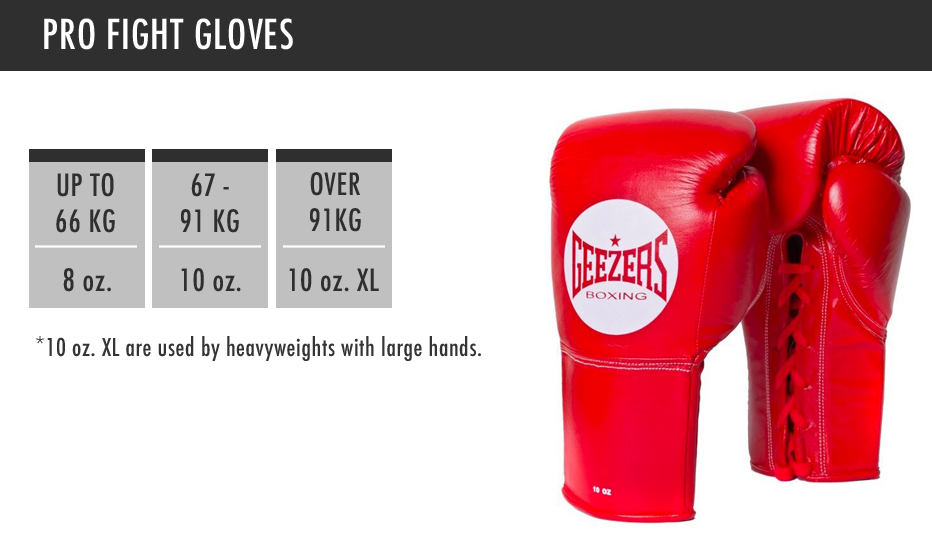
Choosing the right boxing glove size depends largely on weight. Gloves come in different weights to suit various training needs. Understanding glove weight helps you pick the best fit for your boxing style.
Weight-based sizing makes sure your hands stay protected. It also helps improve your performance during workouts or fights. Knowing the right glove weight keeps you comfortable and safe.
Glove Weight Categories
Boxing gloves usually range from 8 oz to 20 oz. Lighter gloves, like 8 oz or 10 oz, are common for competition. Heavier gloves, such as 14 oz or 16 oz, are used for training and sparring. The higher the weight, the more padding it has.
Matching Weight To Purpose
Choose lighter gloves for speed and agility in fights. Heavier gloves add protection and build strength during training. For bag work, 12 oz to 14 oz gloves are good. Sparring needs thicker gloves, usually 16 oz or more.
Adjusting For Hand Size
Hand size also affects glove fit. Bigger hands may need larger glove sizes even in the same weight category. Try gloves on before buying to check comfort and snugness. Gloves too tight or loose can cause injury.
Choosing The Right Fit
Choosing the right fit for your boxing gloves is very important. Gloves that fit well protect your hands and improve your performance. The fit should balance comfort and safety. Too tight, and your hands might hurt. Too loose, and the gloves can slip off. This section helps you find that perfect fit.
Snugness Vs. Flexibility
Your gloves should feel snug but not too tight. Snug gloves keep your hands steady inside. This helps avoid injuries. Gloves also need some flexibility. You must be able to move your fingers easily. Check that you can make a fist without strain. Too stiff gloves reduce your control. Choose gloves that allow smooth hand movements.
Padding Thickness
Padding protects your knuckles and wrists during impact. Thick padding offers better shock absorption. It suits beginners or heavy hitters. Thin padding feels lighter and allows faster punches. It fits well for experienced boxers. Consider your training type. More sparring means thicker padding is safer. Less padding helps with speed and technique drills.
Wrist Support
Good wrist support prevents sprains and injuries. Look for gloves with firm wrist straps. Velcro straps offer adjustable tightness. Wrap your wrist securely but not too tight. Some gloves have extra padding around the wrist area. This adds stability and comfort. Strong wrist support helps you punch harder safely. Always check the wrist fit before buying gloves.
Trying On Gloves
Trying on boxing gloves is an important step. It helps you find the right size and fit. Gloves that fit well protect your hands and improve your training. Take your time to try different gloves. Focus on comfort and movement. This will make your boxing experience better.
What To Check When Trying
Check the glove’s tightness around your wrist. It should be snug but not too tight. Feel the glove’s padding on your knuckles. Make sure it covers your fingers completely. Check if the glove feels balanced on your hand. The glove should not feel heavy on one side. Also, look at the glove’s length. It should cover your wrist fully.
Testing Movement And Comfort
Move your fingers inside the glove. Make a fist and release it several times. The glove should move with your hand easily. Check if your hand feels free or squeezed. Make sure the glove does not pinch your skin. Try punching the air lightly. Notice if the glove stays in place. Comfort helps you train longer without pain.
Common Fit Issues
Gloves too loose can slip during punches. This can cause injury or reduce power. Gloves too tight can hurt your fingers and wrist. Sometimes padding feels too hard or too soft. This affects protection and comfort. Wrist straps that are too loose lower support. Too tight straps reduce blood flow. Fix these issues before buying gloves.
Care And Maintenance Tips
Proper care and maintenance keep your boxing gloves in good shape. Clean gloves feel fresh and last longer. Follow simple steps to protect your investment and stay hygienic.
Cleaning Your Gloves
Wipe the gloves with a clean, damp cloth after each use. Use mild soap if needed. Avoid soaking or using harsh chemicals. Clean inside by turning gloves upside down and wiping gently.
Drying And Storage
Air dry gloves after every session. Avoid direct sunlight or heat sources. Stuff gloves with newspaper or a glove dryer to absorb moisture. Store gloves in a cool, dry place to prevent mold and smell.
Extending Glove Lifespan
Use hand wraps inside gloves to reduce sweat damage. Rotate between two pairs if possible. Regularly check for tears or loose stitching. Repair minor damage early to avoid bigger problems.
Frequently Asked Questions
What Glove Size Is Best For Beginners?
Beginners should choose gloves between 12 to 16 ounces. These sizes offer good protection and comfort during training and sparring.
How To Measure Hand Size For Boxing Gloves?
Measure around your knuckles with a tape measure. Use this size to select gloves that fit snugly but allow movement.
Does Glove Size Affect Boxing Performance?
Yes, the right glove size improves comfort, protection, and technique. Too large or small gloves can hinder your punches and safety.
What Glove Weight Suits Different Boxing Activities?
Heavier gloves (14-16 oz) are ideal for sparring. Lighter gloves (10-12 oz) work well for bag work and speed training.
Conclusion
Choosing the right boxing glove size protects your hands and improves your training. Gloves that fit well feel comfortable and support your wrists. Too small or too big gloves can cause pain or injuries. Consider your weight, hand size, and purpose before buying.
Try on different sizes to find the best fit. Good gloves help you punch with power and safety. Take time to pick gloves that suit your needs. This simple step makes a big difference in your boxing journey.