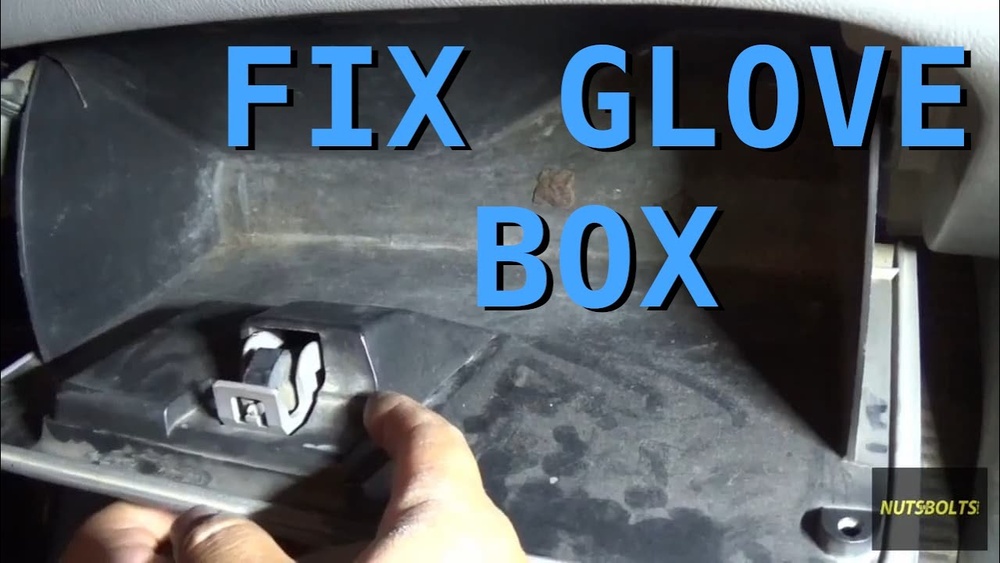
Is your glove box stuck, won’t close properly, or keeps falling open at the worst times? You’re not alone—and the good news is, fixing it doesn’t have to be a costly or complicated ordeal.
Whether the latch is jammed, the hinge is loose, or the handle has snapped, there are simple tricks you can try right now to get your glove box working like new again. In this guide, you’ll learn step-by-step how to diagnose and fix common glove box problems using easy tools and quick fixes.
Keep reading to save money, avoid frustration, and take back control of your car’s storage space today!

Credit: www.reddit.com
Common Glove Box Problems
The glove box is a small but important part of your car’s interior. It stores essential items and keeps the cabin organized. Problems with the glove box can be annoying and disrupt your driving experience. Knowing common issues helps you spot problems early and fix them quickly.
Most glove box problems fall into a few categories. These include doors that won’t close, falling open compartments, broken handles or latches, and jammed boxes. Each issue affects how you use the glove box and may need different fixes.
Door Won’t Close
The glove box door may refuse to close properly. Dirt, debris, or a misaligned latch often cause this. Sometimes the hinge bends or breaks, stopping the door from shutting. Check for anything blocking the latch or hinge. Cleaning and adjusting can often solve the problem fast.
Glove Box Falls Open
A glove box that falls open can be distracting while driving. The latch may be loose or worn out. Springs inside the compartment might lose tension over time. Tightening screws or replacing the latch spring usually fixes this issue. It keeps the door secure until you open it again.
Broken Handle Or Latch
Handles and latches take a lot of use. They can break or snap off, making the glove box hard to open or close. Plastic parts often wear out first. Replacement parts are usually affordable and easy to install. A new handle or latch restores full function quickly.
Jammed Glove Box
A jammed glove box won’t open or close smoothly. Objects inside may block movement. Hinges or latches can get stuck from rust or damage. Remove items from the glove box to check for obstruction. Lubricate hinges and inspect the latch for damage. These steps often clear the jam.

Credit: www.youtube.com
Tools And Materials Needed
Fixing a glove box requires the right tools and materials. Having these ready makes the repair process smooth and faster. This section lists what you need to gather before starting.
Basic Hand Tools
Start with common hand tools. A screwdriver set is essential, both flathead and Phillips types. Pliers help in gripping and adjusting parts. A socket wrench set is useful for bolts. A small flashlight can aid visibility inside the glove box area. Keep a clean cloth handy to wipe dust and dirt.
Replacement Parts
Check if the glove box needs new parts. Hinges may wear out or break. The latch or lock might require replacement. Sometimes, the glove box door itself needs a new panel. Get parts designed for your car’s make and model. Using correct parts ensures a proper fit and function.
Lubricants And Cleaners
Lubricants help the glove box open and close smoothly. Use silicone spray or white lithium grease for hinges and latches. Avoid heavy oils that attract dust. Cleaners remove dirt and grime from surfaces. Mild soap and water or specialized automotive cleaners work well. Cleaning before lubricating improves performance and prevents damage.
Quick Fixes For Closing Issues
Glove box doors can sometimes refuse to close properly. Quick fixes often solve these issues without much effort. Simple steps like tightening screws, adjusting hinges, and lubricating parts restore smooth closing. These methods save time and money, avoiding complex repairs.
Tightening Loose Screws
Loose screws cause the glove box door to wobble or not latch. Locate the screws around the glove box frame and door. Use a screwdriver to tighten all screws firmly. Check the latch area too, as loose screws there stop proper closing. Tightening screws often fixes alignment and stability quickly.
Adjusting Hinges
Hinges control how the glove box opens and closes. Sometimes hinges become misaligned or bent. Open the glove box and inspect the hinges closely. If bent, gently bend them back to the correct position. Loosen the hinge screws slightly, adjust the door alignment, then tighten screws again. Proper hinge adjustment ensures smooth closing and prevents sticking.
Lubricating Moving Parts
Dry or rusty hinges and latch mechanisms cause stiff movement. Apply a small amount of lubricant like silicone spray or light oil to hinges and latch parts. Move the glove box door several times to spread the lubricant evenly. Lubrication reduces friction and helps the door close quietly and smoothly. Avoid heavy grease as it attracts dirt and dust.
Fixing A Falling Glove Box
A falling glove box can be a real annoyance in your car. It may hang open or drop suddenly when you try to use it. Fixing it helps keep your car neat and safe. Simple repairs often solve the problem quickly. This section covers easy ways to fix a falling glove box.
Hinge Repair Techniques
Check the glove box hinges for damage first. Tighten any loose screws to restore support. If the hinge is bent, gently bend it back into place. Lubricate the hinges with a small amount of oil. This helps the glove box open and close smoothly. In some cases, replacing the hinge might be necessary. Use a matching hinge part for a perfect fit.
Replacing Broken Springs
Many glove boxes use springs to stay closed or open gently. Broken springs cause the glove box to fall or slam shut. Remove the old spring carefully. Match it with a new spring of the same size and tension. Attach the new spring to the mount points securely. Test the glove box to ensure it stays in position. Replacing springs restores balance and function.
Securing Loose Components
Loose parts inside the glove box can cause it to drop unexpectedly. Check the latch, screws, and internal panels for looseness. Tighten all screws and fasteners firmly. Replace any missing or damaged screws with new ones. If the latch is worn out, swap it with a new latch. Secure components keep the glove box stable and safe to use.
Repairing Handles And Latches
Repairing handles and latches is key to a fully working glove box. A broken handle or latch can make it hard to open or close the compartment. Fixing these parts restores function and keeps items safe inside. Some fixes are quick and simple, while others may need new parts. This section shows easy ways to repair handles and latches to keep your glove box in good shape.
Temporary Handle Fixes
Temporary fixes can help if the handle breaks suddenly. Use strong tape to hold the handle in place. Wrapping tape tightly allows the glove box to open and close. Another option is using a zip tie through the handle hole for grip. These fixes last until a proper repair or replacement happens. They keep the glove box usable without big costs or tools.
Replacing The Latch Mechanism
Replacing the latch restores the glove box’s secure closing. First, remove the glove box door by unscrewing its hinges. Take out the old latch carefully. Match it with a new latch from an auto parts store or online. Install the new latch by reversing the removal steps. Test the glove box to ensure it opens and closes smoothly. A new latch fixes locking issues and improves safety.
Using Adhesives For Minor Breaks
Minor cracks or breaks on handles or latches can be fixed with adhesives. Use strong glue designed for plastic or metal. Clean the broken parts before applying glue. Hold the parts together firmly until the glue sets. Avoid heavy stress on the repaired area to prevent breaking again. Adhesives are a cheap way to extend the life of small damaged parts.
Opening A Jammed Glove Box
A jammed glove box can cause frustration during everyday drives. It blocks access to important documents and small items stored inside. Fixing this issue often requires patience and simple tools. Below are some effective ways to open a stuck glove box without causing damage.
Gentle Push And Wiggle Method
Start by applying a gentle push on the glove box door. Try to wiggle it back and forth slowly. This movement can loosen any debris or misaligned parts causing the jam. Avoid using excessive force to prevent breaking the latch or hinges.
Using Thin Tools To Release Latch
Insert a thin tool like a flathead screwdriver or a plastic card near the latch. Carefully slide it to feel for the catch inside. Gently press or lift the latch to release the lock mechanism. This method helps when the latch is stuck or partially broken.
When To Call A Locksmith
Call a locksmith if the glove box remains jammed after attempts. Professionals have tools and experience to open it without damage. This option is best for complex lock issues or glove boxes with built-in security. Avoid forcing the door to save repair costs later.
Diy Vs Professional Repair
Deciding between fixing your glove box yourself or hiring a professional can be tough. Both options have clear benefits and drawbacks. Choosing the right path depends on your budget, skills, and the problem’s complexity. Let’s explore the cost differences, when to get expert help, and how to find a trustworthy repair service.
Cost Comparison
DIY repairs usually cost less. You only pay for tools and parts. Simple fixes like tightening screws or replacing a latch are affordable. Labor costs are zero because you do the work.
Professional repairs include labor charges. These can add up quickly. Parts might be pricier through a shop. Complex problems may need a full glove box replacement, increasing the price.
Minor repairs often range from $20 to $50 for parts. Full replacements may cost $100 to $300 or more. DIY saves money but requires time and effort.
When To Seek Help
Seek professional help if the problem is complex. Broken hinges, damaged locks, or electrical issues need expert skills. Professionals have tools and experience to fix it right.
If you lack confidence or the repair affects safety, call a mechanic. Mistakes could cause further damage or risk. For simple issues, like a stuck door, DIY might be fine.
Finding A Reliable Repair Service
Look for repair shops with good reviews and fair prices. Ask friends or check online forums for recommendations. Verify the shop’s experience with your car model.
Ensure the shop offers a warranty on repairs. This protects you from future problems. Clear communication and transparent pricing show professionalism.
Choosing the right service helps you fix your glove box quickly and safely.
Preventive Tips To Avoid Future Issues
Preventing glove box problems saves time and money. A few simple habits keep it working well. Follow these tips to avoid common issues and extend your glove box life.
Regular Maintenance
Check the glove box often for loose screws or broken parts. Tighten any loose screws to keep the door secure. Clean the hinges and latch to stop dirt buildup. Use a small amount of lubricant on moving parts. This helps the door open and close smoothly. Regular checks prevent small problems from growing.
Avoid Overloading
Do not put too many heavy items inside the glove box. Overloading stresses the hinges and latch. It can cause the door to sag or break. Keep only essential items inside. Remove unnecessary things that add weight. Balance the load evenly to reduce pressure on one side.
Proper Usage Habits
Open and close the glove box gently. Avoid slamming the door shut. Handle the latch carefully to prevent damage. Teach others in the car to do the same. Using the glove box with care helps it last longer. Proper use reduces wear and tear on parts.

Credit: www.reddit.com
Frequently Asked Questions
How Much Does It Cost To Fix A Broken Glove Box?
Fixing a broken glove box costs between $50 and $300. Minor repairs are cheaper; full replacements cost more. Labor and parts vary by vehicle model. DIY fixes can save money if you have basic tools and skills.
How To Fix Glovebox That Won’t Close?
Tighten loose screws or hinges to fix a glovebox that won’t close. Clear obstructions and lubricate latch for smooth operation. Replace broken parts if needed.
Where Can I Go To Get My Glove Box Fixed?
Visit a local auto repair shop, dealership service center, or an experienced auto locksmith to get your glove box fixed quickly and professionally.
How To Unjam A Glove Box?
Push the glove box door gently while pressing the latch. Use a flat tool to pry if needed. Avoid force to prevent damage.
Conclusion
Fixing a glove box is easier than many think. Small issues like loose hinges or broken latches usually need simple tools. Tightening screws or replacing a handle can restore function quickly. Taking time to check the parts saves money and effort.
Regular care helps prevent future problems too. With patience, you can keep your glove box working well. No need to pay for costly repairs or replacements. Try these steps and enjoy a properly working glove compartment again.