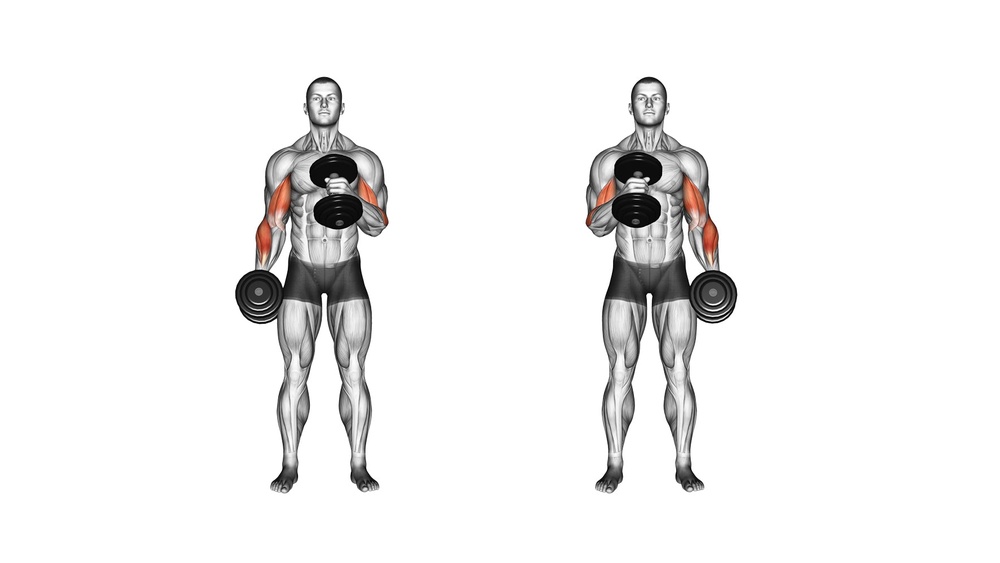
Are you wondering how many sets of dumbbell curls you should do to see real results? Whether you want bigger biceps, better arm strength, or improved muscle tone, the answer isn’t one-size-fits-all.
Getting the right number of sets can make all the difference between slow progress and fast gains. You’ll discover the ideal sets tailored to your goals, so you can train smarter, avoid burnout, and build the arms you’ve been aiming for.
Keep reading—your strongest arms are just a few sets away!

Credit: www.vbafitness.com
Benefits Of Dumbbell Curls
Dumbbell curls are a popular exercise with many benefits. They help improve arm shape and strength. Many people add them to their workout routines for good reasons.
This exercise targets specific muscles and can be done in many ways. It suits beginners and advanced lifters alike. Understanding these benefits helps you make the most of dumbbell curls.
Targeted Muscle Activation
Dumbbell curls focus mainly on the biceps. They also work the forearms and grip muscles. This focus helps build muscle size and definition. Each arm works independently, improving muscle balance. This leads to better overall arm strength and appearance.
Improved Arm Strength
Regular dumbbell curls increase arm strength over time. Strong arms help in daily tasks like lifting and carrying. They also improve performance in other exercises. Increased strength reduces the risk of injury. This makes your arms more capable and durable.
Versatility In Workouts
Dumbbell curls can be done in many ways. You can change the grip or angle to target muscles differently. They fit well in full-body or focused arm workouts. They also require minimal equipment and space. This makes them easy to include anywhere.
Optimal Sets For Muscle Growth
Finding the right number of sets for dumbbell curls is key to building muscle. Doing too few sets may slow progress. Doing too many can cause fatigue and injury. Optimal sets help your muscles grow strong and recover well.
Recommended Number Of Sets
For muscle growth, 3 to 5 sets per exercise work best. This range gives enough stress to the muscles. It also allows you to maintain good form. Aim for 8 to 12 repetitions in each set. This rep range targets muscle size effectively.
Balancing Volume And Recovery
Training volume means how much work your muscles do. More sets increase volume but need more recovery time. Recovery helps muscles repair and grow. Plan rest days between workouts for the same muscle group. Avoid training biceps hard every day.
Signs Of Overtraining
Watch for muscle soreness that lasts more than three days. Feeling very tired or weak during workouts is a warning. Losing strength or motivation can also mean overtraining. If these happen, reduce the number of sets. Allow your body time to heal.
Reps And Weight Selection
Choosing the right number of reps and the correct weight is key for effective dumbbell curls. These two factors shape your muscle growth and strength gains. Picking weights and reps that suit your goals helps you train smarter and avoid injury.
Choosing The Right Weight
Select a weight you can lift with good form. It should feel challenging by the last reps, but not too heavy to cause pain. Starting too light won’t stimulate muscle growth. Too heavy can lead to poor technique and injury. Adjust the weight as you get stronger.
Rep Ranges For Hypertrophy
For muscle growth, aim for 8 to 12 reps per set. This range creates enough muscle tension and fatigue. Fewer reps with heavier weight build strength, while more reps with lighter weight improve endurance. Focus on controlled movements and full range of motion.
Progressive Overload Techniques
Progressive overload means gradually increasing the weight or reps over time. This forces muscles to adapt and grow. Add small weight increments or extra reps each week. Keep track of your progress to stay motivated. Changing tempo or rest time also helps challenge muscles.
Frequency And Rest Periods
Training your biceps with dumbbell curls requires the right balance of frequency and rest. This balance helps your muscles grow and prevents injury. Knowing how often to work your biceps and how long to rest between sets makes your workouts effective.
How Often To Train Biceps
Train your biceps two to three times per week. This gives your muscles enough work to grow. Avoid training the same muscle every day. Your muscles need time to repair and get stronger.
Split your workouts so you target different muscle groups on different days. This helps maintain overall fitness and avoids overtraining the biceps.
Rest Between Sets
Rest for 30 to 90 seconds between sets. Shorter rests keep your muscles working hard. Longer rests help if you use heavy weights. Rest time depends on your workout goal.
If you want muscle size, rest 30 to 60 seconds. For strength, rest 60 to 90 seconds. Listen to your body and adjust rest as needed.
Importance Of Recovery Days
Recovery days are key to muscle growth. Your muscles grow when you rest, not during workouts. Take at least one or two days off each week from bicep training.
Use recovery days to stretch or do light activities. This helps reduce soreness and keeps your muscles healthy.
Advanced Training Strategies
Advanced training strategies push your dumbbell curls beyond the basics. They help build stronger, bigger arms by challenging your muscles in new ways. These methods increase muscle fatigue and improve endurance.
Drop Sets And Supersets
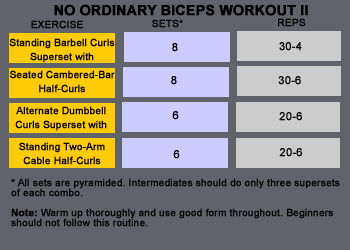
Drop sets involve doing curls with heavy dumbbells until failure. Then, immediately switch to lighter weights without resting. This keeps the muscle under tension longer. Supersets pair dumbbell curls with another exercise. For example, curl followed by tricep dips. This saves time and boosts workout intensity.
Tempo Variations
Changing the speed of your curls affects muscle growth. Slow down the lifting or lowering phase. Try a 3-second lift and 3-second lower. This increases muscle tension and time under load. Faster reps build power but slower reps build strength and size.
Incorporating Different Curl Variations
Different curls target muscles from various angles. Hammer curls work the brachialis, adding arm thickness. Concentration curls isolate the biceps for peak contraction. Alternating curls reduce fatigue by working one arm at a time. Mixing curls prevents plateaus and keeps workouts fresh.

Credit: www.vbafitness.com
Common Mistakes To Avoid
Many people make mistakes while doing dumbbell curls. These mistakes slow down progress and can cause injury. Avoiding these errors helps you build muscle safely and effectively. Below are some common mistakes to watch out for.
Using Too Much Weight
Choosing weights that are too heavy is a common problem. Heavy weights make it hard to keep control. This can cause jerky movements and increase injury risk. Start with lighter weights and increase gradually. This helps you maintain good form and build strength over time.
Neglecting Proper Form
Good form matters more than lifting heavy weights. Swinging the arms or leaning back reduces the exercise’s effectiveness. Keep your back straight and elbows close to your body. Move slowly and focus on the muscle working. Proper form targets the biceps and prevents strain on other parts.
Ignoring Muscle Fatigue
Muscle fatigue signals when your muscles need rest. Ignoring this can lead to overtraining and injuries. Stop when your muscles feel tired and weak. Rest between sets to recover strength. Listening to your body improves muscle growth and keeps you safe.
Credit: www.muscleandfitness.com
Frequently Asked Questions
How Many Sets Of Dumbbell Curls Are Ideal Per Workout?
Typically, 3 to 4 sets of dumbbell curls per workout are ideal. This range supports muscle growth and strength without overtraining. Adjust sets based on your fitness level and goals for optimal results.
How Many Reps Should I Do Per Set Of Curls?
Aim for 8 to 12 reps per set for muscle growth. This rep range effectively stimulates hypertrophy. Beginners may start with higher reps and lower weights to build endurance.
Can I Do Dumbbell Curls Every Day?
It’s best to rest your biceps 48 hours between workouts. Daily curls can cause muscle fatigue and injury. Allow recovery for muscle growth and strength improvement.
Should I Increase Sets To Build Bigger Biceps?
Increasing sets can help but avoid excessive volume. Gradually add sets to challenge muscles without risking overtraining. Combine with proper nutrition and rest for best gains.
Conclusion
Finding the right number of dumbbell curl sets helps your muscles grow. Start with a small number of sets and see how your body feels. You can add more sets as you get stronger. Rest between sets is important to avoid injury.
Consistency matters more than doing too many sets at once. Keep your form correct to get the best results. Enjoy the process and stay patient with your progress. Your arms will get stronger with steady effort and time.

