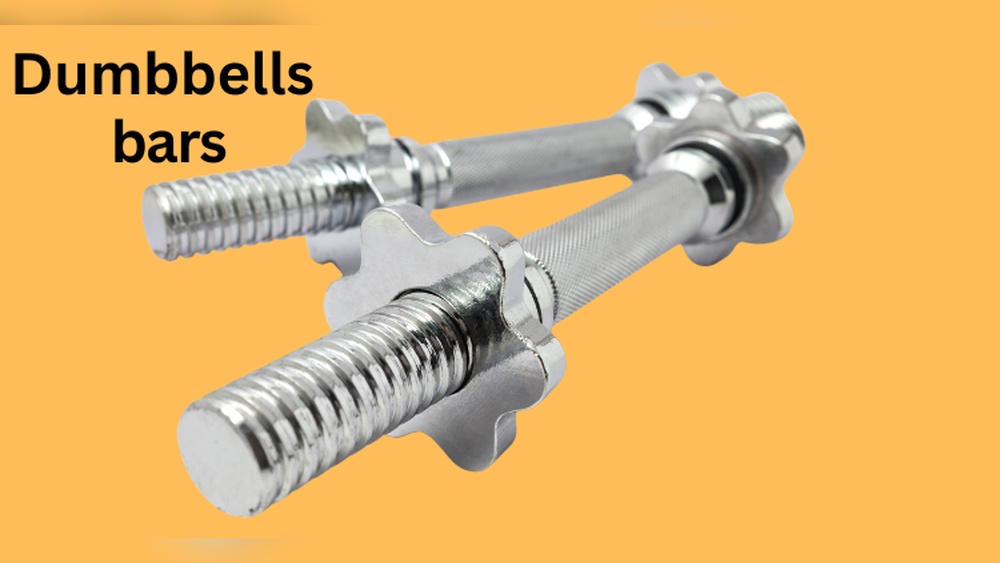
Have you ever picked up a dumbbell bar and wondered just how heavy it really is? Whether you’re new to weightlifting or just curious about your gear, knowing the weight of dumbbell bars is key to planning your workouts and tracking your progress.
Understanding this simple detail can help you lift smarter, avoid injury, and reach your fitness goals faster. Keep reading to discover everything you need to know about dumbbell bar weights—and take control of your training like never before.
Types Of Dumbbell Bars
Dumbbell bars come in different types, each with its own weight and design. Choosing the right bar affects your workout and comfort. Knowing the types helps you pick what fits your needs and space. Here are the main types of dumbbell bars commonly used.
Standard Bars
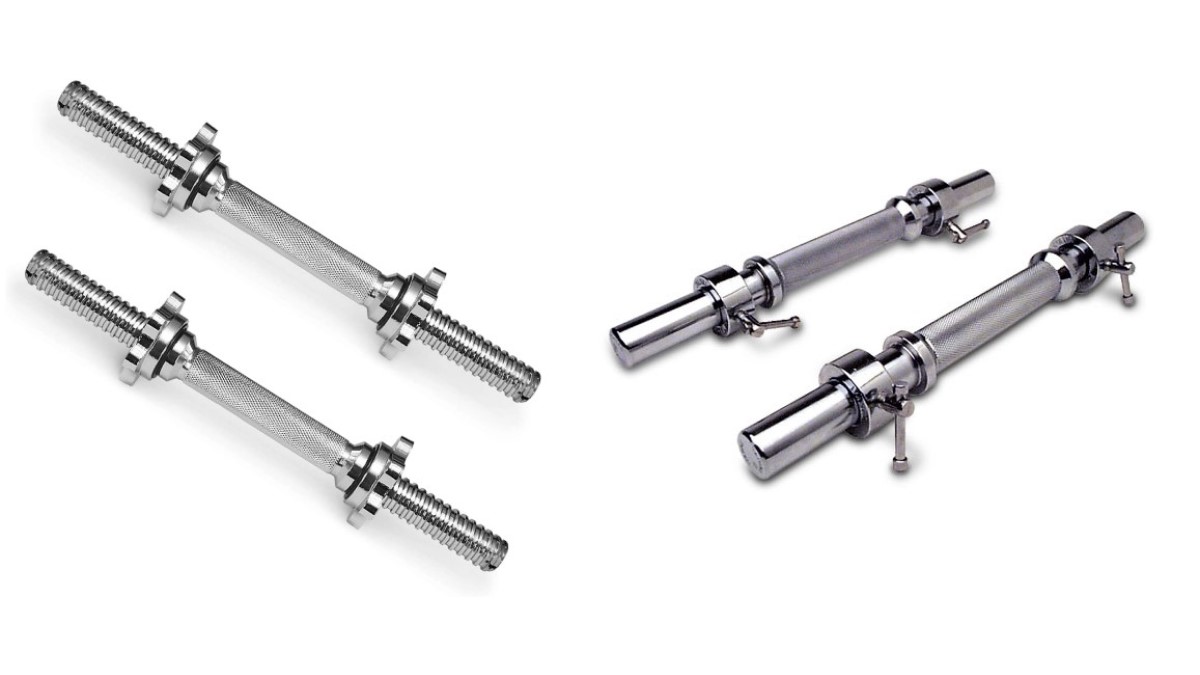
Standard bars are the most common and usually weigh about 2 to 3 pounds. They fit regular weight plates with a 1-inch hole. These bars are shorter and lighter, making them good for beginners. They offer good control for many exercises. Many home gyms use standard bars for their simplicity.
Olympic Bars
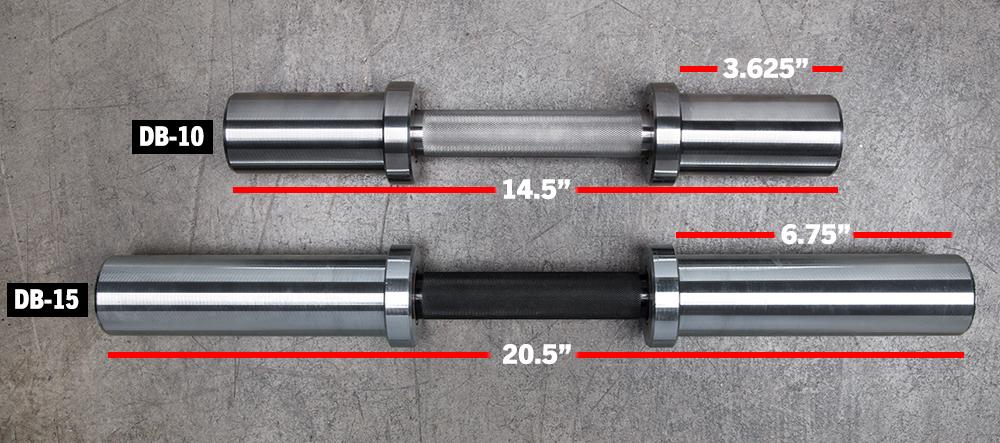
Olympic bars are heavier, weighing around 5 pounds or more. They have a thicker grip and spin sleeves to hold plates. These bars fit plates with a 2-inch hole. Olympic bars are longer and designed for heavier lifting. They give more stability and better handling for serious training.
Adjustable Bars
Adjustable bars allow you to change the weight easily. They usually weigh between 3 to 5 pounds. These bars work with both standard and Olympic plates depending on the model. Adjustable bars save space and cost less than fixed dumbbells. They are popular for home use and varied workouts.
Credit: www.tworepcave.com
Material Impact On Weight
The weight of dumbbell bars depends heavily on the material used. Different materials have different densities and weights. This affects how heavy the bar feels during workouts. Choosing the right material can improve your exercise experience. It also helps you pick the right dumbbell for your needs.
Steel Bars
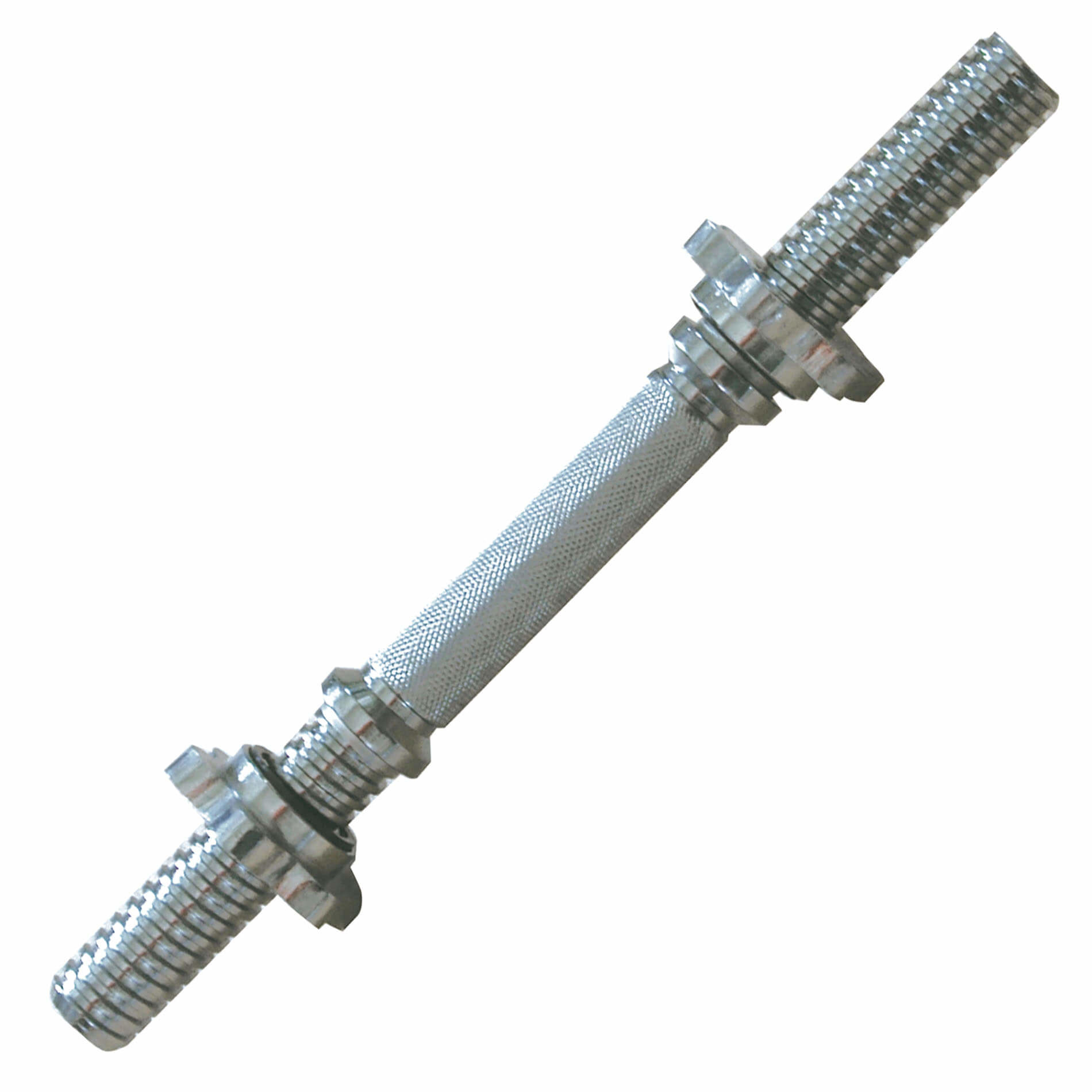
Steel is the most common material for dumbbell bars. It is strong and durable. Steel bars often weigh between 2 to 5 pounds. They handle heavy weights without bending. Steel bars have a solid feel in the hands. Rust resistance varies depending on the steel type.
Chrome Bars
Chrome bars are steel bars coated with chrome. The chrome adds a shiny, smooth finish. It protects the bar from rust and corrosion. Chrome bars usually weigh about the same as steel bars. The coating makes the bar slightly heavier but more durable. Chrome bars are easier to clean and look sleek.
Other Materials
Some dumbbell bars use aluminum or plastic. Aluminum bars are lighter but less strong. Plastic bars are very light but not very durable. Rubber-coated bars add some weight and grip. These materials suit beginners or light workouts. They are not ideal for heavy lifting.
Weight Range By Bar Type
Understanding the weight of dumbbell bars helps you choose the right one. Different types of bars have different weights. This affects your workout and the total weight you lift. Here is a breakdown of common bar types and their weight ranges.
Typical Standard Bar Weights
Standard dumbbell bars usually weigh between 2 and 5 pounds. These bars are common in home gyms. They fit smaller weight plates with a 1-inch diameter. Most users find them easy to handle. They offer good balance for light to moderate workouts.
Olympic Bar Weights
Olympic dumbbell bars are heavier, ranging from 5 to 10 pounds. These bars use larger 2-inch plates. They are often found in commercial gyms. Olympic bars are more durable and stable. They suit serious lifters and heavy lifting routines.
Variations In Adjustable Bars
Adjustable dumbbell bars vary widely in weight. Some start as light as 1 pound. Others can weigh up to 7 pounds. The weight depends on material and design. Adjustable bars offer flexibility for different exercises. They help customize workout intensity easily.
How Bar Weight Affects Workouts
The weight of dumbbell bars can change how hard your workout feels. It affects the total weight you lift and how you balance the load. Knowing the bar’s weight helps you track progress well.
Ignoring bar weight can lead to errors in your workout plan. You might think you lift more or less than you actually do. This can slow your strength gains or cause injury.
Impact On Total Load
Dumbbell bars add extra weight to the plates. Many bars weigh between 2 and 5 pounds. This weight adds up, especially in heavy sets.
Counting only the plates means you lift less than recorded. This mistake can make your workouts less effective. True total load includes both bar and plates.
Tracking total load helps measure strength better. It also guides you to increase weights safely over time.
Balancing Bar And Plate Weight
Balancing bar and plate weight keeps your dumbbells steady. Uneven weight can cause poor form and risk injury. Check bar weight before adding plates.
Some bars have different weights on each side. Use equal plate weight on both ends. This balance helps maintain control during exercises.
Proper balance improves muscle targeting and workout quality. It also helps avoid strain on joints and muscles.
Choosing The Right Dumbbell Bar
Choosing the right dumbbell bar affects your workout quality and safety. The bar’s weight and design impact your grip and exercise range. Picking a suitable bar helps you train better and avoid injuries. Consider the type of exercise, your strength level, and your budget. Each factor plays a role in finding the best dumbbell bar for you.
Based On Exercise Type
Different exercises need different bars. For curls, a lighter bar with a comfortable grip works best. For presses or rows, choose a sturdier, heavier bar. Some bars have a fixed length, while others allow adding weight plates. Decide based on the exercises you do most often. A proper bar helps improve form and control during workouts.
Considering Strength Level
Your strength level matters when choosing a dumbbell bar. Beginners should pick lighter bars to build muscle safely. Stronger users need heavier bars to match their progress. Adjustable bars offer flexibility for all strength levels. Start with a manageable weight and increase it gradually. This approach reduces the risk of strain and improves training results.
Budget And Durability
Prices vary based on material and brand. Steel bars last longer but cost more. Chrome-plated bars resist rust and look neat. Cheaper bars may wear out quickly or bend. Choose a bar that fits your budget and lasts long. Durable bars save money over time and provide a better workout experience.
Credit: www.tunturi.com
Tips For Measuring Dumbbell Bar Weight
Measuring the weight of dumbbell bars helps you track your workout progress. Knowing the exact weight ensures you use the right load for your strength level. It also helps prevent injuries and improves workout planning.
Using A Scale
A digital or mechanical scale can give a quick weight reading. Place the dumbbell bar carefully on the scale. Make sure the scale is on a flat surface for accuracy. Note the weight shown and record it for future reference. This method is simple and effective for home use.
Manufacturer Specifications
Check the product details from the manufacturer for exact weight. Most dumbbell bars come with a weight label or manual. Use this information if you do not have a scale. Manufacturer specs are usually accurate and reliable. Keep these details handy when buying or comparing bars.
Credit: www.tworepcave.com
Frequently Asked Questions
How Heavy Are Standard Dumbbell Bars?
Standard dumbbell bars typically weigh between 2 to 5 pounds. The exact weight depends on the material and length. Most gym dumbbell bars weigh around 2. 5 pounds, designed to hold various plate weights for adjustable resistance.
Do Dumbbell Bars Differ In Weight By Type?
Yes, dumbbell bars vary by type. Fixed dumbbells have a set weight, while adjustable bars are lighter. Olympic dumbbell bars usually weigh more, around 5 to 7 pounds, due to their thicker construction and heavier load capacity.
How To Choose The Right Dumbbell Bar Weight?
Choose a dumbbell bar that matches your workout needs. Beginners may prefer lighter bars around 2 to 3 pounds. Advanced lifters often use heavier bars to handle more weight plates safely and comfortably.
Can Dumbbell Bar Weight Affect Workout Results?
Yes, the bar’s weight impacts your total lifting load. Using heavier bars increases overall resistance, boosting strength gains. However, beginners should start with lighter bars to avoid injury and build proper form.
Conclusion
Dumbbell bars come in different weights to fit your workout needs. Knowing their weight helps you plan exercises better. Standard bars usually weigh between 2 to 5 pounds. Some bars are heavier for advanced training. Choose the right bar to stay safe and effective.
Keep track of what works best for you. This way, you build strength step by step. Small changes lead to steady progress. Always focus on form and comfort while training. Your effort matters most in reaching fitness goals.