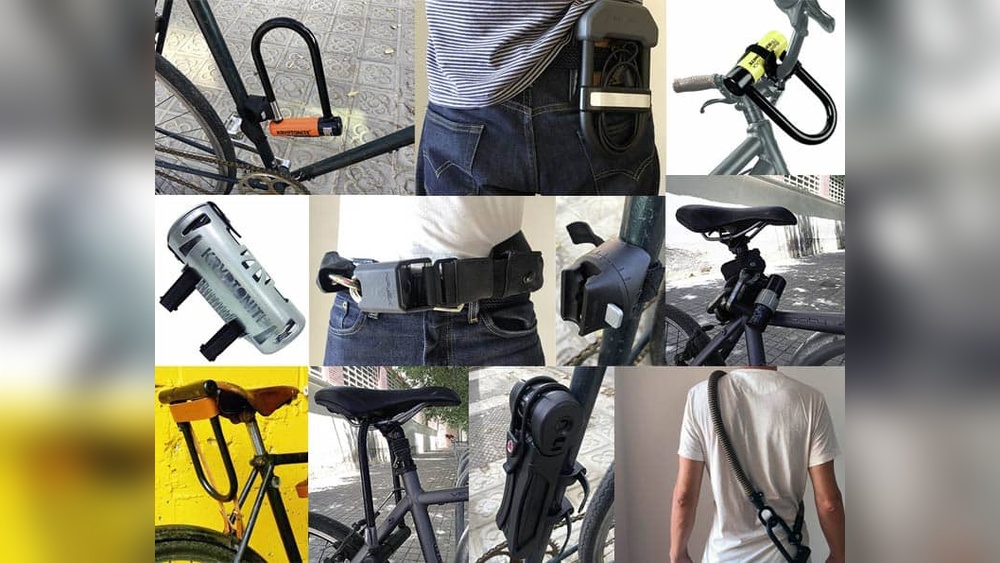
You’ve worked hard to get your bike just right. Now, the last thing you want is to lose it because of a simple mistake.
Locking your bike up correctly is more than just looping a chain around the frame and a pole. It’s about protecting your investment and peace of mind. You’ll learn the best ways to lock your bike so thieves don’t stand a chance.
Keep reading, and you’ll never have to worry about your bike’s safety again.

Credit: vixencomposites.com
Choosing The Right Lock
Choosing the right lock is the first step to keeping your bike safe. Not all locks offer the same level of protection. Some are easy to break, while others can stop thieves for a long time. It helps to know the different types of locks and what makes them strong or weak.
Types Of Bike Locks
There are several types of bike locks. U-locks are hard metal bars shaped like a “U.” They are tough and resist cutting. Chain locks use strong chains covered in plastic. They are flexible and can secure your bike to many objects. Cable locks are light and easy to carry. But they are not very strong and can be cut quickly. Folding locks fold into a small shape for easy storage. They offer medium security but are not the best for high-risk areas.
Security Ratings To Consider
Look for locks with good security ratings. Some locks come with scores from trusted testers. Higher scores mean better protection. Check if the lock has been tested against cutting, picking, and pulling. A low score means the lock can be opened fast by thieves. Choose locks with mid to high ratings for daily use. For long parking times, aim for top-rated locks.
Lock Materials And Durability
Strong materials make locks harder to break. Steel is the most common and durable material. Hardened steel resists bolt cutters and saws better. Some locks have extra layers to stop rust and weather damage. Plastic coatings protect the bike frame from scratches. Avoid cheap metals that bend or break easily. A durable lock lasts longer and gives better security.
Best Locking Techniques
Locking your bike correctly is key to keeping it safe. Using the right techniques helps stop thieves from stealing it. Focus on what parts to lock and where to lock your bike. This section shows the best ways to do it.
Securing Frame And Wheels
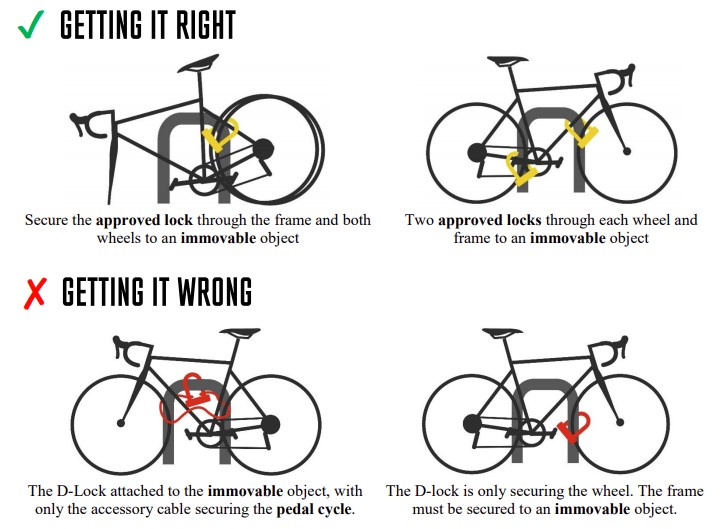
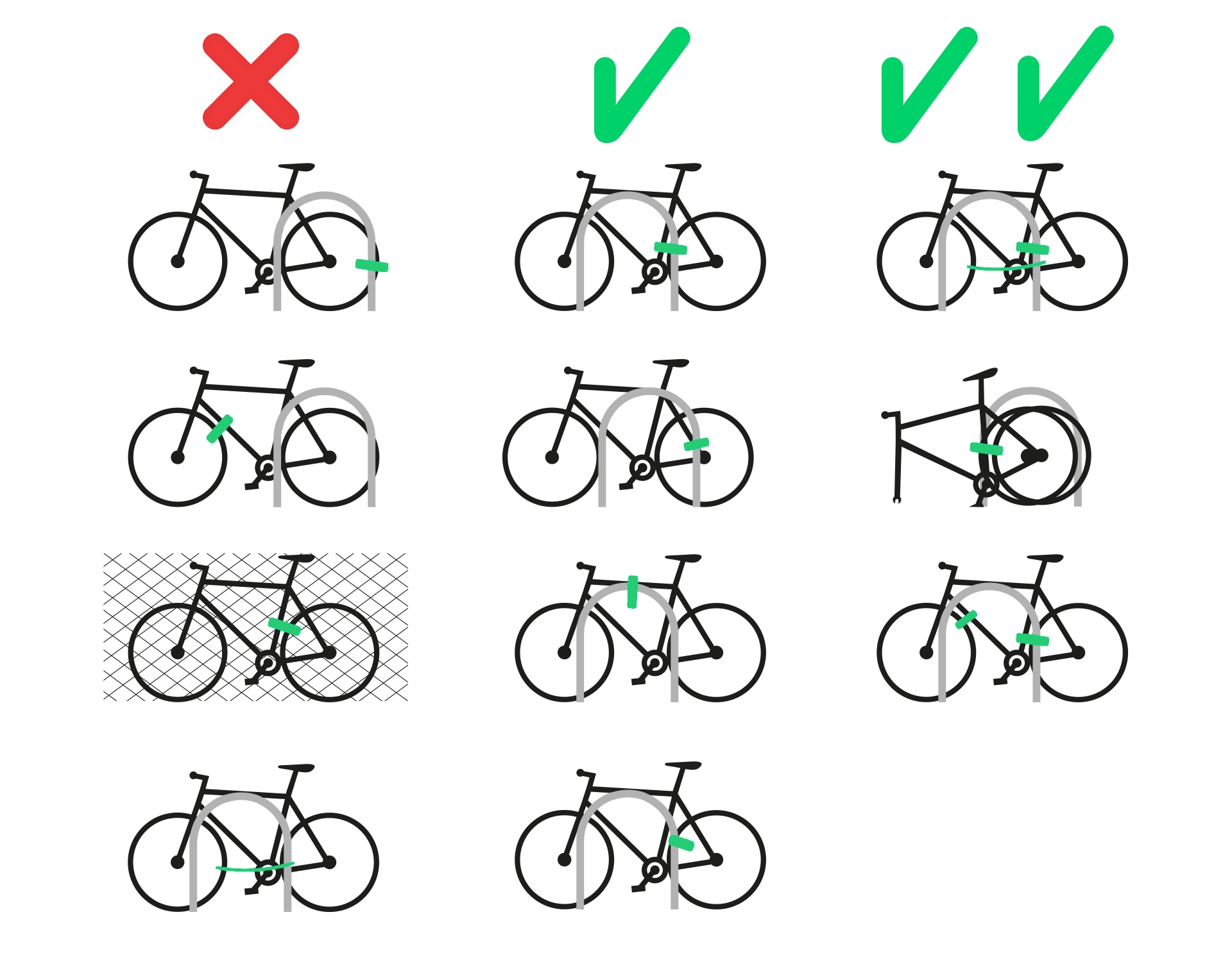
Always lock the frame of your bike. The frame is the strongest part and hard to remove. Secure at least one wheel too. If possible, remove the front wheel and lock it with the frame and back wheel. This makes it harder to steal parts.
Using Multiple Locks
Use more than one lock for better security. A heavy U-lock and a cable lock work well together. Lock the frame with the U-lock. Use the cable lock for wheels or seat. Multiple locks slow down thieves and protect your bike more.
Locking To Fixed Objects
Always lock your bike to a strong, fixed object. Choose a bike rack, metal post, or fence. Make sure the object cannot be moved or cut easily. Avoid thin poles or trees. The goal is to keep your bike from being carried away.
Ideal Locking Locations
Choosing the right place to lock your bike is very important. The location can protect your bike from theft and damage. Picking a safe spot can give you peace of mind while you are away. This section explains where to lock your bike for the best safety.
High-traffic Areas
Lock your bike where many people pass by. Thieves avoid busy spots because they risk being seen. A crowded street or near shops works well. Your bike stays visible and safer in these places.
Avoiding Isolated Spots
Do not lock your bike in quiet or hidden areas. Thieves prefer isolated spots to work without disturbance. Dark corners, empty alleys, or behind buildings are risky. Keep your bike in open, well-lit spaces instead.
Using Designated Bike Racks
Use bike racks made for locking bikes. These racks are strong and fixed to the ground. They hold your bike steady and reduce theft chances. Public parks, schools, and stores often have these racks. Always lock your frame and wheels to the rack.
Additional Theft Prevention Tips
Securing your bike with a good lock is just the first step. Taking extra steps can stop thieves from targeting your bike. These simple actions add layers of security. They make your bike less attractive and easier to recover if stolen.
Registering Your Bike
Register your bike with a local or national database. This creates a record of ownership. It helps police identify your bike if it is found. Some websites let you upload photos and details for free. Registration also deters thieves from stealing a bike that can be traced easily.
Removing Accessories
Take off easily removable parts like lights, seats, and bags. Thieves often steal accessories quickly. Removing them makes your bike less valuable on the spot. Carry these items with you or lock them separately. This small step lowers the chance of quick theft.
Using Gps Trackers
Install a GPS tracker on your bike to track its location. Many trackers are small and hidden under the seat or frame. If your bike is stolen, you can find it faster. Some trackers send alerts when the bike moves. This technology offers peace of mind and increases chances of recovery.
Common Locking Mistakes
Many bike owners make simple mistakes that put their bikes at risk. These common errors can make it easy for thieves to steal your bike. Knowing these mistakes helps you lock your bike more safely. Avoiding them improves your bike’s security a lot.
Locking Only One Wheel
Locking just one wheel leaves the rest of the bike open to theft. Thieves can easily remove the unlocked parts. Always lock the frame and at least one wheel to a solid object. This stops thieves from taking any part of your bike.
Choosing Weak Locks
Cheap locks can break quickly with basic tools. Avoid using cable locks or low-quality chains. Buy a strong U-lock or heavy-duty chain instead. A strong lock takes more time and effort to break, which discourages thieves.
Ignoring Lock Positioning
Where you place your lock matters a lot. Locks near the ground can be hit with tools easily. Locks that hang loosely give thieves room to work. Place the lock high and tight against the bike frame. This makes it harder to use tools on the lock.
Credit: ecoparkcampogrande.com.br
Credit: ecoparkcampogrande.com.br
Frequently Asked Questions
How Do I Choose The Best Lock For My Bike?
Select a U-lock or heavy-duty chain lock for maximum security. Avoid cable locks as they are easier to cut. Choose locks with high-quality materials and good reviews to protect your bike effectively.
Where Is The Safest Place To Lock My Bike?
Lock your bike to a solid, immovable object in a well-lit, busy area. Avoid trees or signposts that can be cut or removed. Secure both the frame and wheels to prevent theft.
How Should I Position The Lock On My Bike?
Place the lock through the frame and at least one wheel. Keep the lock off the ground to prevent leverage attacks. Make sure the keyhole faces downward to deter tampering.
Can I Leave My Bike Locked Overnight Safely?
It’s best to avoid leaving your bike overnight in public areas. If necessary, choose a secure, monitored location with good lighting. Use multiple locks to increase protection against theft.
Conclusion
Locking your bike correctly keeps it safe and secure. Always choose a strong lock and a solid object. Secure both the frame and one wheel tightly. Avoid weak spots and places that are easy to break. Double-check your lock before walking away.
Taking these simple steps helps prevent theft. Protect your bike with care every time you park. Safe habits make a big difference in keeping your bike secure.