Have you ever wondered how much it really costs to make a bike lock? Whether you’re thinking about starting your own bike lock business or just curious about what goes into these everyday security tools, understanding the costs behind them can give you a surprising insight.
From materials to manufacturing, every step affects the price you pay or charge. Keep reading, and you’ll discover the key factors that drive the cost of making a bike lock—and how this knowledge can help you make smarter choices.
Materials Used In Bike Locks
Bike locks need strong and reliable materials to protect your bike. The quality of these materials affects the lock’s price and security. Different parts of a bike lock use different materials. Each material adds strength and durability to the lock.
Metals And Alloys
Metals form the core of most bike locks. Steel is the most common metal used. It is tough and hard to cut. Some locks use hardened steel for extra security. Alloys mix metals to improve strength and reduce weight. These metals keep the lock resistant to tools and weather.
Plastic And Rubber Components
Plastic parts cover the metal to prevent scratches on the bike. Rubber coatings also protect the lock from rain and rust. These materials add grip to hold the lock better. Plastic and rubber do not add much cost but improve usability and durability.
Locking Mechanisms
Locking parts include pins, cylinders, and tumblers. These are often made from brass or steel. Brass resists corrosion and works smoothly. The complexity of the mechanism affects the price. Simple locks use basic pins. Advanced locks use more precise and secure parts.
Manufacturing Processes
Manufacturing bike locks involves several important steps. Each step affects the cost and quality of the final product. Understanding these steps helps explain why bike locks vary in price. The main processes include casting and forging, machining and assembly, and quality control. Each plays a key role in making a secure and durable bike lock.
Casting And Forging
Casting and forging shape the metal parts of a bike lock. Casting pours molten metal into molds. It is good for making complex shapes quickly. Forging uses heat and pressure to shape metal. It makes stronger parts by aligning metal fibers. Both methods need special machines and skilled workers. The choice depends on the lock design and strength needed.
Machining And Assembly
Machining cuts and finishes the metal parts. It makes sure parts fit perfectly and work smoothly. Assembly joins all parts like the shackle, body, and locking mechanism. Workers or machines put parts together carefully. This step requires precision to ensure the lock works well. Assembly time and tools add to the cost.
Quality Control
Quality control checks if the lock is strong and reliable. Tests include checking the lock’s resistance to cutting or picking. Inspections catch defects before the lock ships. Good quality control means fewer returns and better safety. It adds to production cost but builds customer trust.
Labor Costs
Labor costs form a major part of the total expense in making a bike lock. These costs depend on the skill level of the workers and the location of the factory. Understanding these factors helps explain the price differences in bike locks.
Skilled Vs Unskilled Labor
Skilled workers bring experience and precision to the manufacturing process. They handle complex tasks like assembling the lock mechanism and quality checks. Their wages are higher because their work reduces errors and increases durability.
Unskilled laborers perform simpler jobs such as packaging or basic assembly. Their pay is lower, but their work is still essential to keep production moving smoothly. A balance between skilled and unskilled labor helps manage labor costs effectively.
Regional Labor Variations
Labor costs vary widely across different regions and countries. In places with higher living costs, wages tend to be higher too. Factories in low-wage countries can produce bike locks at cheaper rates.
These regional differences affect the final price of the lock. Companies often choose locations that offer the best mix of cost and quality. This choice impacts the labor cost portion of making a bike lock significantly.

Credit: thebestbikelock.com
Design And Development Expenses
Design and development expenses play a big role in the total cost of making a bike lock. These costs cover the work to create a strong, reliable, and user-friendly product. Careful planning and testing are needed to meet safety standards and customer needs.
These early steps include creating a model of the lock and making sure it works well. The process requires skilled designers and engineers. They shape the idea into a real product that can be made at scale.
Prototyping
Prototyping is the first step in turning a design into a physical product. A prototype shows how the bike lock will look and work. It helps find design issues before mass production.
This stage uses materials to make a sample lock. It may cost from a few hundred to several thousand dollars. The price depends on the complexity and materials used.
Making multiple prototypes can increase costs but improves the final design. Changes during prototyping help avoid expensive mistakes later.
Testing And Certification
Testing ensures the bike lock meets safety and quality standards. It checks strength, durability, and resistance to picking or cutting.
Certification from recognized bodies builds trust with buyers. It proves the lock passed strict tests.
Testing and certification add to expenses. Fees vary depending on the tests and agencies involved. These costs are vital for market acceptance and product reliability.
Packaging And Shipping
Packaging and shipping play a big role in the total cost of making a bike lock. These steps protect the product and make sure it reaches customers safely. Choosing the right packaging and managing shipping costs can affect the final price.
Packaging Materials
Packaging must protect the bike lock during transport. Common materials include cardboard boxes, foam inserts, and plastic wraps. The quality of these materials affects the cost. Strong packaging prevents damage and returns. Simple designs cost less but may not attract buyers. Custom packaging adds to the expense but can improve brand image.
Logistics And Distribution
Shipping costs depend on distance and weight. Bike locks are heavy, so shipping can be expensive. Bulk shipping reduces cost per unit. Warehouses and distribution centers add extra fees. Efficient routes cut down delivery time and costs. Managing inventory helps avoid delays and extra charges.

Credit: transportation.ucdavis.edu
Additional Cost Factors
Making a bike lock involves more than just materials and labor. Several extra costs affect the total price. These costs help the product reach customers and keep them satisfied. Understanding these factors gives a clearer picture of the real cost behind a bike lock.
Branding And Marketing
Creating a strong brand takes time and money. The brand name, logo, and packaging design add to the cost. Marketing campaigns, advertisements, and promotions also require budgets. These efforts help the bike lock stand out in a crowded market. Without branding, the product might not attract many buyers.
Warranty And Support
Offering a warranty builds trust with customers but adds to expenses. The company must cover repairs or replacements during the warranty period. Customer support teams handle questions and problems, which require staff and resources. Good support can increase customer loyalty but raises the product’s overall cost.
Price Range By Lock Type
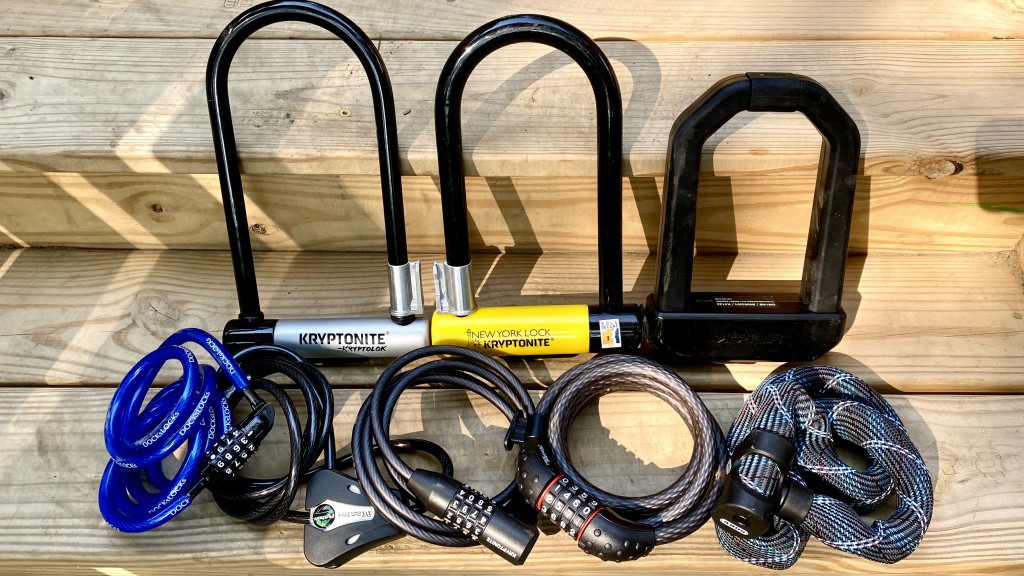
Bike locks come in different types. Each type costs differently. Knowing the price helps you choose the right lock for your needs and budget.
Cable Locks
Cable locks are flexible and light. They cost between $10 and $30. Simple models use thin cables. Thicker cables add to the price. They offer basic security for low-risk areas.
U-locks
U-locks are strong and hard to cut. Their price ranges from $20 to $70. The size and material affect the cost. Heavy-duty U-locks are usually more expensive. They suit places with higher theft risk.
Chain Locks
Chain locks are tough and heavy. Prices start around $25 and can reach $100. Longer and thicker chains cost more. Some have protective covers to prevent scratches. Ideal for securing bikes in busy areas.
Folding Locks
Folding locks fold into a compact shape. They cost between $30 and $80. Made with linked metal bars, they balance weight and security. Popular for riders who want easy carrying and solid protection.
Credit: www.outdoorgearlab.com
Tips To Lower Production Costs
Lowering production costs helps make bike locks more affordable. It also improves profit margins for manufacturers. Small changes can lead to big savings. Focus on smart buying, efficient processes, and smart partnerships.
Bulk Material Purchasing
Buying materials in large amounts reduces price per unit. Suppliers often give discounts for bulk orders. This saves money on metals, plastics, and packaging. Plan purchases carefully to avoid excess stock. Bulk buying also cuts shipping costs over time.
Streamlining Assembly
Designing simple assembly steps cuts labor time. Use fewer parts to make the lock easier to build. Automated tools and machines speed up production. Train workers to follow clear instructions. Faster assembly lowers costs and reduces errors.
Outsourcing Options
Outsourcing some tasks can save money. Find factories with lower wages but good quality. Use specialists for parts like electronics or coatings. This reduces investment in equipment and staff. Choose reliable partners to keep production smooth.
Frequently Asked Questions
How Much Does It Cost To Make A Basic Bike Lock?
A basic bike lock typically costs between $10 to $30 to make. Materials like steel and plastic dominate the cost. Labor and manufacturing also influence the price. Simpler designs require less investment and lower production costs overall.
What Factors Affect The Cost Of A Bike Lock?
Material quality, lock complexity, and brand reputation affect bike lock costs. Advanced features like alarms or GPS increase expenses. Production scale and location also impact pricing. Custom designs or patented technology usually raise the final cost.
Can Diy Bike Locks Be Cheaper To Make?
Yes, DIY bike locks can be cheaper if using affordable materials. However, safety and durability might be compromised. Proper tools and skills are essential for effective DIY locks. DIY options suit budget-conscious users but may lack professional security.
Why Do High-security Bike Locks Cost More?
High-security bike locks use stronger materials and advanced locking mechanisms. They undergo rigorous testing to resist cutting and picking. Additional features like anti-drill and anti-pick add value. These factors increase manufacturing complexity and overall cost.
Conclusion
Making a bike lock involves many costs. Materials, design, and manufacturing all add to the price. Simple locks cost less, while strong, high-tech ones cost more. Knowing these factors helps you understand the value behind the price. Choosing the right lock means balancing cost and security.
This way, you protect your bike without spending too much. Keep these points in mind when buying or making a bike lock. Safety and budget can go hand in hand.