
You’ve invested time and money in your bike, so protecting it should be a top priority. Knowing how to lock up a bike rack properly can save you from the frustration and loss of a stolen bike.
But it’s not just about throwing your lock on and walking away—there’s a smart way to secure your ride that makes thieves think twice. You’ll discover simple, effective tips that keep your bike safe every time you park. Ready to learn how to lock up your bike rack like a pro?
Let’s get started.
Choosing The Right Lock
Choosing the right lock is key to keeping your bike safe. A good lock stops thieves and gives peace of mind. Not all locks are the same. Picking one that fits your needs helps protect your bike better. Focus on lock types, strength, and price. These factors guide you to the best choice.
Types Of Bike Locks
U-locks are strong and hard to cut. They fit around the frame and rack well. Cable locks are flexible and light. They wrap around many parts but are easier to cut. Chain locks offer heavy protection. They use thick links but can be heavy to carry. Folding locks fold into small sizes. They balance security and portability. Choose a type that matches your riding style and storage needs.
Lock Strength And Materials
Strong locks use hardened steel. This metal resists cutting and breaking. Cheaper locks often use soft metals. These break fast under tools. Look for locks with double-bolted shackles. They are harder to pry open. The lock mechanism should be pick-resistant too. A strong lock delays thieves and makes stealing harder.
Budget Considerations
Set a budget before buying a lock. High-quality locks cost more but protect better. Cheap locks might save money now. They risk your bike later. Spend about 10-15% of your bike’s value on a lock. This balance helps keep your bike secure without overspending. Good locks last longer and save money in the end.
Credit: ecoparkcampogrande.com.br
Best Locking Techniques
Locking your bike rack correctly is important to keep your bike safe. Using the right techniques makes theft harder. Focus on securing key parts of your bike. Use strong locks and smart methods. Avoid easy mistakes that thieves expect. These tips help protect your bike better every time.
Securing The Frame And Wheels
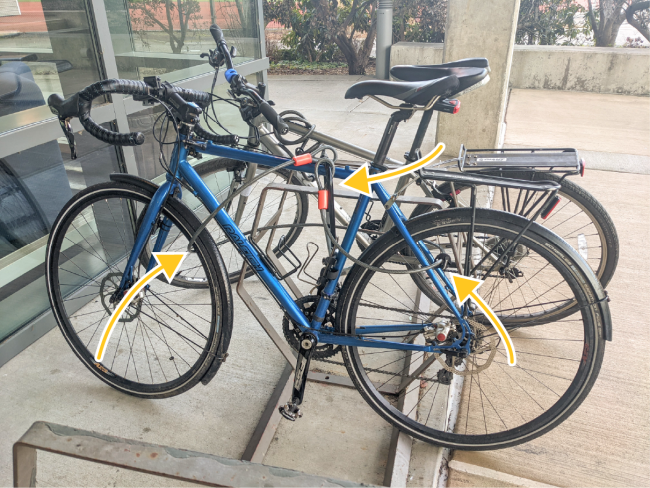
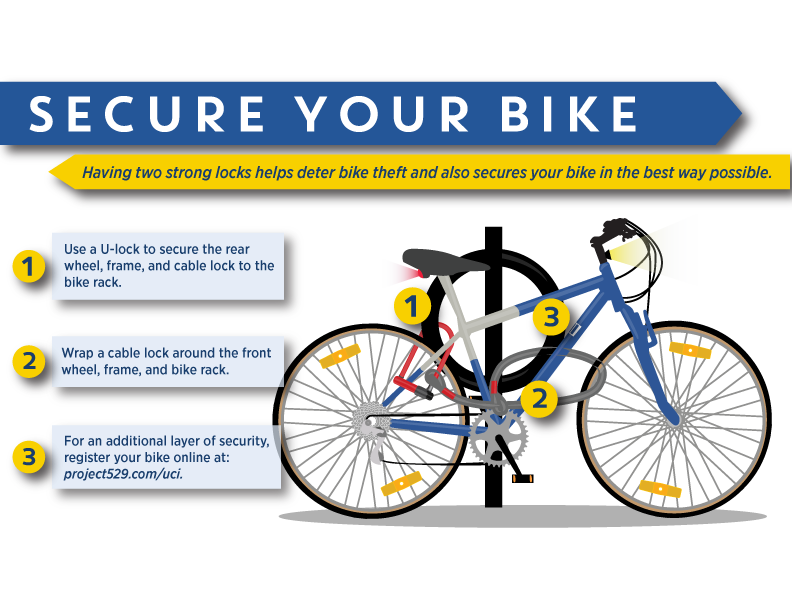
Always lock the bike frame to the rack. The frame is the strongest part. Attach the lock through the main triangle of the frame. Secure at least one wheel, usually the rear wheel. Use a U-lock or heavy chain for strong security. Locking only the wheels leaves the frame at risk.
Using Multiple Locks
Use two locks if possible. One lock for the frame and another for the wheels. This method slows down thieves. Different types of locks confuse thieves. Combine a U-lock with a cable lock for better safety. Two locks make stealing your bike much harder.
Avoiding Common Mistakes
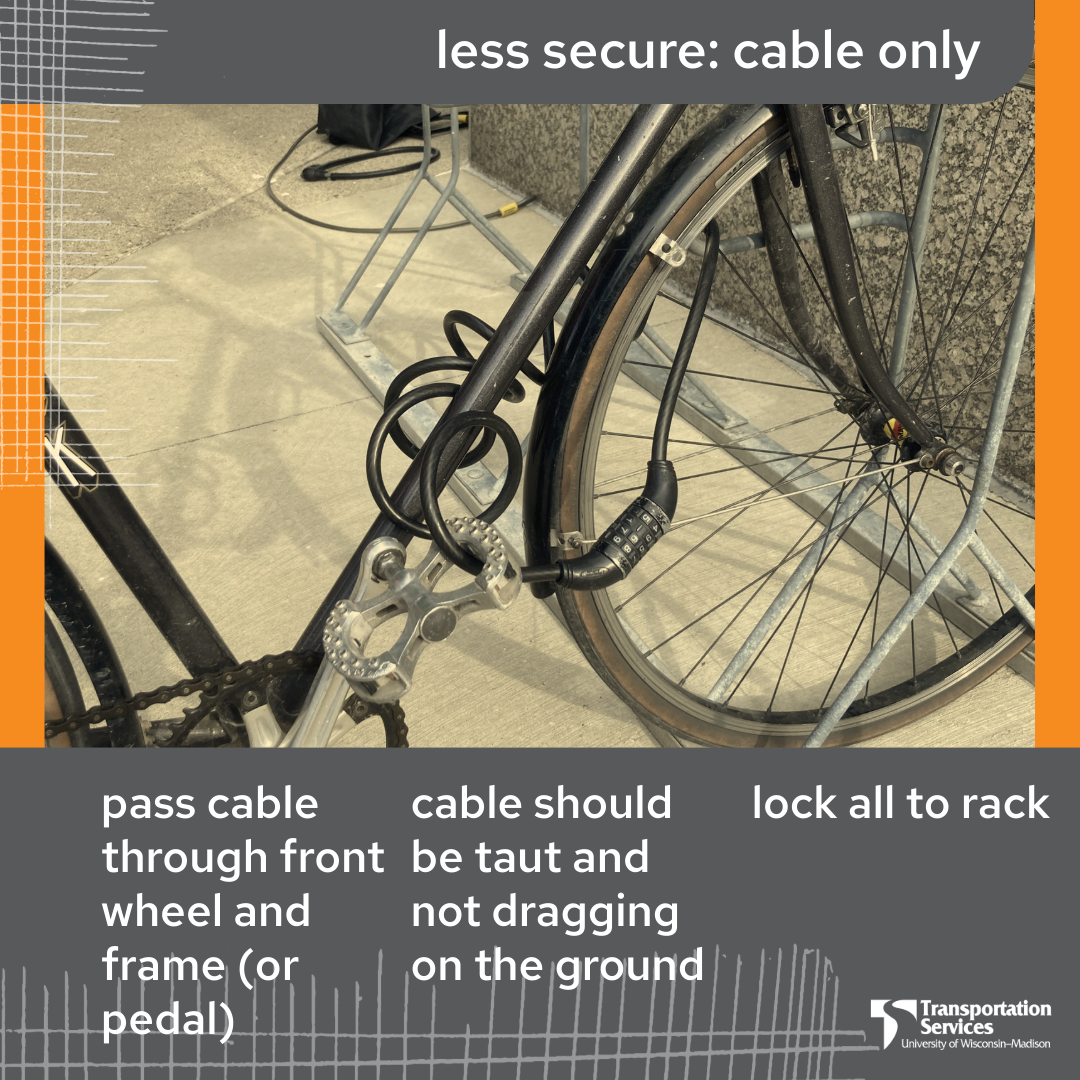
Do not lock your bike in a secluded area. Choose well-lit and busy spots. Avoid thin cable locks alone; they break easily. Do not leave quick-release wheels unlocked. Avoid locking just the front wheel. Keep the lock off the ground to prevent leverage attacks. These errors make theft easier.
Selecting A Safe Location
Selecting a safe location to lock up a bike rack is very important. A good spot can protect your bike from theft and damage. Choose places that make it hard for thieves to work unnoticed. Think about where people pass by and where the area is easy to watch. The right location adds extra security without extra cost.
High-traffic Areas
Lock your bike rack in places where many people walk by. Crowds can scare away thieves. Busy spots also mean more eyes on your bike. Near shops, offices, or schools are good examples. The more people around, the safer your bike stays.
Well-lit Spots
Pick a spot with strong lighting at night. Bright lights make it hard for thieves to hide. Well-lit areas also help you see your bike clearly. Street lamps or lights from buildings work well. Avoid dark corners or shadowy places.
Avoiding Isolated Places
Do not lock your bike in quiet, empty areas. Thieves like places with little activity. Isolated spots give them time to work without being caught. Stay away from hidden paths or back alleys. Choose open areas where people can see you and your bike.
Credit: www.sinfoniagulfcoast.org
Additional Security Measures
Securing your bike rack goes beyond just locking it up. Extra steps can greatly reduce theft risk. Simple tools and smart habits help protect your bike better. These additional security measures make thieves think twice before trying anything.
Bike Alarms And Gps Trackers
Bike alarms act like loud warnings. They scare thieves away quickly. Some alarms trigger if the bike moves. GPS trackers help find your bike if it gets stolen. They use satellites to show your bike’s location. Combining alarms and GPS adds strong protection.
Marking And Registering Your Bike
Mark your bike with a unique ID or sticker. It makes your bike easy to identify. Register your bike with local or national databases. This helps police return your bike if found. Marking and registering also stop thieves from selling your bike easily.
Using Security Cameras
Security cameras watch over your bike rack area. They record any suspicious activity day and night. Visible cameras can prevent theft before it starts. Choose cameras with good video quality and night vision. Cameras give you proof to help catch thieves.
Maintenance And Regular Checks
Keeping your bike rack secure is not a one-time task. Regular care and checks help maintain strong protection. Small issues can lead to bigger problems if ignored. Routine maintenance ensures your lock works well and lasts longer.
Inspecting Your Lock
Check your lock often for rust, dirt, or damage. Clean it with a soft cloth and mild oil. Look for any signs of wear or broken parts. Replace the lock if it shows serious damage or weakness. A strong lock keeps your bike safe.
Updating Security Tools
Technology changes fast. New locks offer better security features. Consider upgrading your lock every few years. Choose locks with strong materials and good reviews. Use extra tools like cables or alarms for more safety.
Storing Your Bike Safely
Park your bike in well-lit, busy places. Avoid dark or isolated spots. Use a sturdy rack attached to the ground or wall. Always lock your bike through the frame and wheels. Safe storage lowers the risk of theft.
Credit: transportation.wisc.edu
Frequently Asked Questions
How Do I Secure A Bike Rack Properly?
To secure a bike rack, use a sturdy lock and attach it to a fixed object. Ensure the lock goes through the frame and wheel for maximum security. Choose a visible location to deter thieves and double-check all connections before leaving.
What Type Of Lock Is Best For Bike Racks?
U-locks and heavy-duty chain locks are best for bike racks. They resist cutting and tampering effectively. Avoid cable locks as they are easier to break. Always pick a lock that matches your rack and bike size for better security.
Can I Lock Multiple Bikes On One Rack?
Yes, you can lock multiple bikes on one rack. Use separate locks for each bike to prevent theft. Position bikes carefully to avoid blocking access. Secure both frames and wheels to the rack for added protection.
Where Should I Place My Bike Rack For Safety?
Place your bike rack in well-lit, visible areas with high foot traffic. Avoid isolated or dark spots that attract thieves. Near security cameras or entrances is ideal. This visibility discourages theft and helps you monitor your bike easily.
Conclusion
Securing your bike rack protects your bike from theft. Always choose a strong lock and lock both the frame and wheels. Find a sturdy, immovable object to attach your bike rack. Double-check the lock before leaving your bike unattended. Taking these simple steps helps keep your bike safe.
Stay aware of your surroundings when parking. Small efforts make a big difference in bike security. Keep your bike locked every time, no exceptions. Safety first, always.


