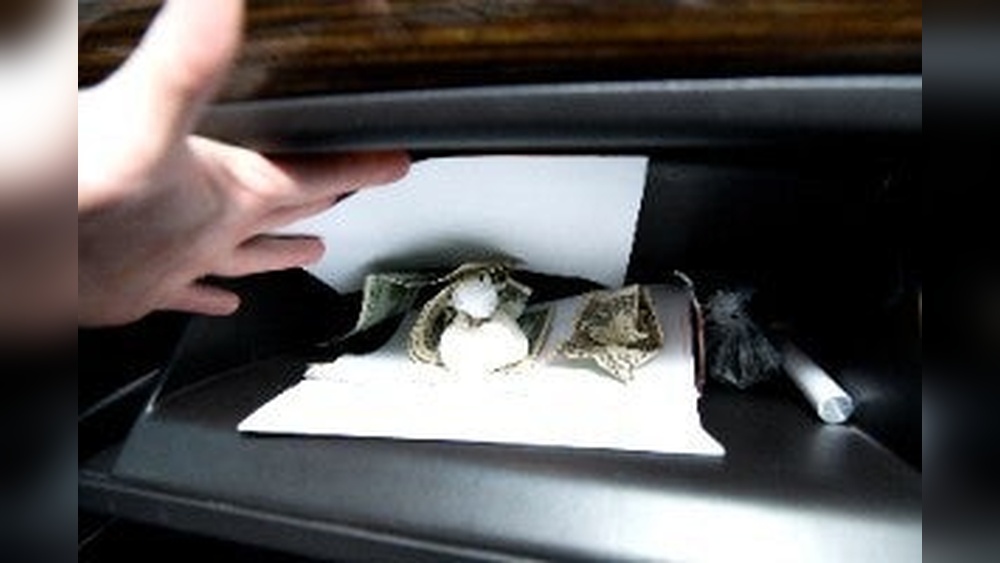
Have you ever wondered what happens if the police want to search your locked glove box? If you think a lock means your privacy is fully protected, think again.
When police have probable cause, can they legally open that locked compartment without your permission? Understanding your rights in this situation is crucial. This article will clear up the confusion and help you know exactly what to expect if you find yourself in this scenario.
Keep reading to learn how the law really works when it comes to searching your locked glove box.

Credit: www.youtube.com
Probable Cause And Vehicle Searches
Police searches of vehicles often raise questions about legal rights and limits. One key concept is probable cause. This idea guides when police can search parts of a car, like a locked glove box. Understanding probable cause helps explain what police can and cannot do during vehicle searches.
Defining Probable Cause
Probable cause means a reasonable belief that a crime has occurred or evidence is present. It is more than a guess but less than proof beyond doubt. Police need facts or evidence that make their suspicion logical and fair. This standard protects people from unfair searches and respects their privacy.
How Probable Cause Applies To Vehicles
Vehicles have less privacy than homes under the law. Police can search a car if they have probable cause. This includes locked compartments like a glove box. If police think the glove box holds evidence, they may unlock and search it. This rule helps officers find illegal items quickly and safely.
Credit: www.riddelllaw.com
Glove Box And Privacy Expectations
The glove box in a car is a small, private storage space. Many people store important documents, personal items, or valuables inside it. This raises questions about privacy. Do people expect the glove box to be private? How does the law view this space? Understanding privacy expectations helps clarify when police can search a locked glove box.
Privacy expectations in a car are different from those in a home. A glove box is part of a vehicle, which is subject to specific legal rules. Police must follow these rules when deciding to search it. Let’s explore what makes a glove box private and what the law says about searching it.
Is A Glove Box Considered Private?
The glove box is usually seen as private by car owners. People put personal items there. They often lock it to keep belongings safe. This shows a clear intent to keep things private.
Still, the law treats vehicles differently. Courts recognize less privacy in cars than in homes. This means the glove box has some privacy but not full protection. The level of privacy depends on the situation and legal context.
Legal Precedents On Glove Box Searches
Courts have ruled on glove box searches many times. A key factor is “probable cause.” If police have probable cause, they can search the glove box without a warrant.
In past cases, courts allowed searches of locked glove boxes if officers had good reason. Probable cause means police believe there is evidence of a crime inside. This protects public safety while balancing privacy.
Some rulings emphasize that locking a glove box shows an expectation of privacy. But this does not stop a lawful search. The police must prove probable cause first. Without it, searching a locked glove box may violate rights.
Locked Glove Box Specifics
The glove box in a car is a small, often locked compartment. It holds important items like documents or personal belongings. The lock adds a layer of privacy and security.
Police searches of locked glove boxes raise questions about privacy rights. Does locking the glove box change the rules for police? The answer depends on legal definitions and court decisions.
Impact Of Locking On Search Rights
Locking a glove box shows an expectation of privacy. It signals that the owner wants to keep contents private. Police need probable cause to search it.
Probable cause means police have a reasonable reason to believe evidence is inside. Without probable cause or a warrant, searching a locked glove box is often illegal.
Locking the glove box does not give police automatic permission to open it. The lock raises the standard for legal search.
Court Rulings On Locked Compartments
Courts often rule on cases involving locked glove boxes and police searches. Many decisions say police must have probable cause or a warrant.
Some rulings emphasize the privacy interest in locked compartments. Courts recognize the lock as a sign of higher privacy.
When police find a locked glove box during a lawful stop, they cannot open it without cause. Courts protect this privacy right strongly.

Credit: newjerseymonitor.com
Exceptions To Search Warrant Requirements
Police usually need a search warrant to look inside a locked glove box. But some exceptions allow them to search without a warrant. These exceptions exist to help officers act quickly in certain situations. Understanding these exceptions is important for knowing your rights and the limits of police power.
Search Incident To Arrest
Police can search a locked glove box if they arrest someone nearby. The search must relate to the arrest. Officers look for weapons or evidence that might be destroyed. This rule helps keep police and others safe during an arrest. The search must happen right after the arrest and stay within its scope.
Exigent Circumstances
Exigent circumstances allow police to search without a warrant in emergencies. For example, if officers believe evidence is about to disappear, they can act fast. This includes situations like chasing a suspect or hearing sounds inside the car. The locked glove box can be opened to prevent loss of evidence. The need for quick action must be clear and urgent.
Your Rights During A Glove Box Search
Your rights during a glove box search are important to know. Police can search a locked glove box if they have probable cause. This means they believe there is evidence of a crime inside. Knowing what to do and when to ask for a warrant can protect your rights.
What You Can Do If Your Glove Box Is Searched
Stay calm and polite. Do not resist or argue with the police. You can ask if you are free to leave. If police search without your permission or a warrant, tell them you do not consent. Do not touch or move anything in the glove box. Remember, you have the right to remain silent. Speak only when necessary and ask for a lawyer if you feel unsure.
When To Ask For A Warrant
If police want to search your glove box but do not have probable cause, you can ask for a warrant. A warrant is a legal paper that allows police to search your property. It must be signed by a judge. You can politely say you do not consent to a search without a warrant. This protects your rights and can stop an illegal search. Always know that a warrant is required unless police see something clearly illegal in plain sight.
Protecting Yourself Legally
Understanding your rights during a police search can protect you legally. Knowing what to do helps avoid trouble. Stay calm and respectful. Your actions can affect the outcome of the situation. Protect yourself by being aware of the correct steps to take.
Documenting The Encounter
Keep a clear record of what happens. Note the officer’s name and badge number. Write down the time and place of the search. Describe what the officer said and did. Use your phone to record if you can safely do so. This information can support your case later.
Seeking Legal Counsel
Contact a lawyer as soon as possible. A lawyer knows how to protect your rights. They can explain the law in simple terms. Do not talk too much without a lawyer present. Legal advice can guide you through the next steps. It helps build a strong defense if needed.
Frequently Asked Questions
Can Police Search A Locked Glove Box With Probable Cause?
Yes, police can search a locked glove box if they have probable cause. This means they have a valid reason to believe it contains evidence of a crime. Courts generally allow such searches without a warrant under these circumstances.
What Qualifies As Probable Cause For Glove Box Searches?
Probable cause means reasonable grounds to suspect the glove box holds illegal items or evidence. This can arise from visible contraband, tips, or suspicious behavior. It must be more than a mere hunch but doesn’t require absolute proof.
Do Police Need A Warrant To Open A Locked Glove Box?
Usually, police do not need a warrant if they have probable cause. The search is considered lawful under the automobile exception to the Fourth Amendment. However, without probable cause or consent, a warrant is generally required.
Can A Locked Glove Box Be Searched Without Driver’s Consent?
Yes, with probable cause, police can search a locked glove box without consent. Consent is not necessary when officers have legal grounds to believe evidence is inside. Refusing consent doesn’t prevent a lawful search under probable cause.
Conclusion
Police can search a locked glove box with probable cause. This means they must have a good reason to believe it holds evidence. The law protects your rights but allows searches to keep everyone safe. Knowing these rules helps you understand your rights better.
Always stay calm and polite during any police encounter. Being aware keeps you prepared and informed. This helps you handle situations smartly and legally.