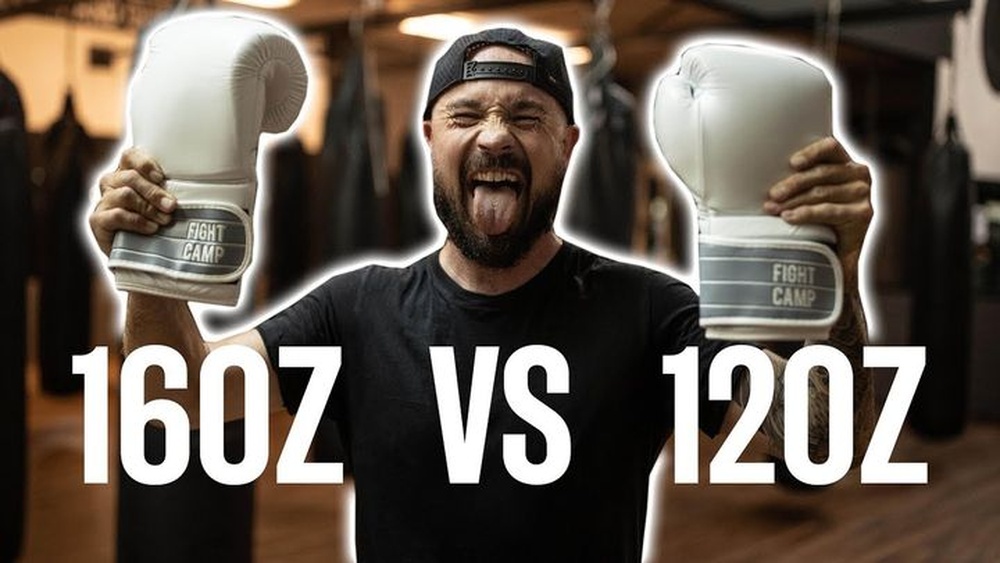
When it comes to boxing, knowing the right glove size can make a huge difference in your performance and safety. You might be wondering, “How many ounces are in a boxing glove?”
This isn’t just a number—it affects your speed, power, and protection during training or a fight. Whether you’re gearing up for your first session or looking to upgrade your equipment, understanding glove ounces helps you choose the perfect fit for your needs.
Keep reading, and you’ll discover exactly what those ounces mean and how to pick gloves that match your style and goals. Your hands will thank you!

Credit: www.proboxingequipment.com
Boxing Glove Weights
Boxing glove weights play a key role in training and competition. Choosing the right glove weight affects comfort, protection, and performance. Boxers use different weights for various purposes. Understanding these weights helps you pick gloves that suit your needs.
Common Ounce Sizes
Boxing gloves usually range from 6 to 18 ounces. The most common sizes include 8 oz, 10 oz, 12 oz, 14 oz, and 16 oz. Lighter gloves, like 8 or 10 ounces, are often used in competitions. Heavier gloves, such as 14 or 16 ounces, are preferred for training and sparring. The weight you select depends on your weight, skill level, and training goals.
Weight And Protection
Heavier gloves provide more padding and better protection. They reduce the risk of injury to your hands and your opponent. Lighter gloves offer less padding but allow quicker movements. For sparring, heavier gloves help protect both fighters from hard impacts. Training with heavier gloves also builds strength and endurance in your arms.
Impact On Performance
Glove weight influences your speed and stamina during boxing. Lighter gloves help you punch faster and improve hand speed. Heavier gloves slow down your punches but improve power and control. Switching between glove weights in training prepares you for different fight conditions. Choosing the right weight balances protection with performance needs.
Choosing Glove Size
Choosing the right boxing glove size matters a lot. It affects comfort, protection, and performance. Gloves come in different ounces, and each size fits specific needs. Knowing how to pick the best glove helps avoid injuries and improves training quality.
Several factors influence glove size choice. These include the fighter’s weight, training goals, and hand dimensions. Understanding these can guide you to the perfect glove size.
Based On Fighter’s Weight
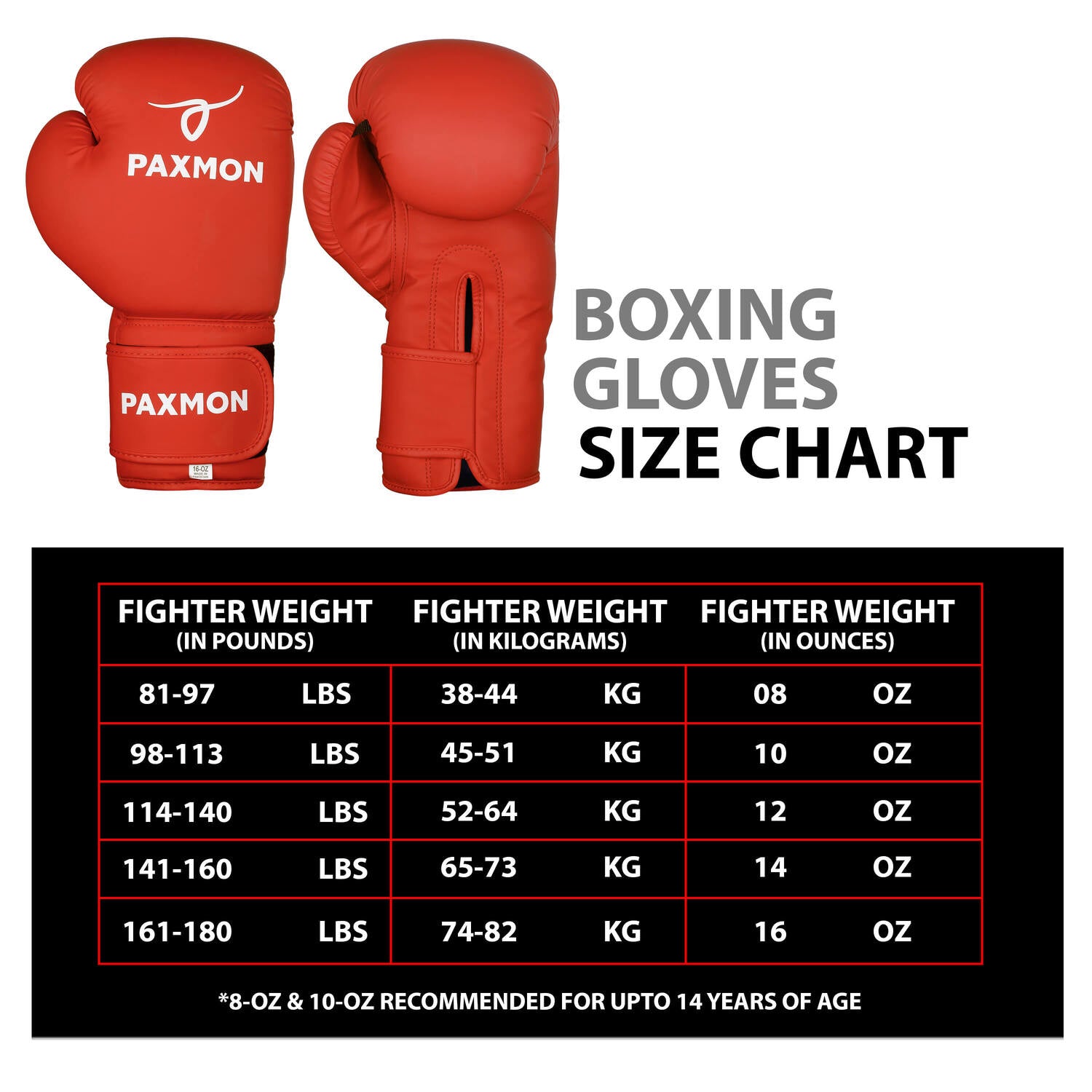
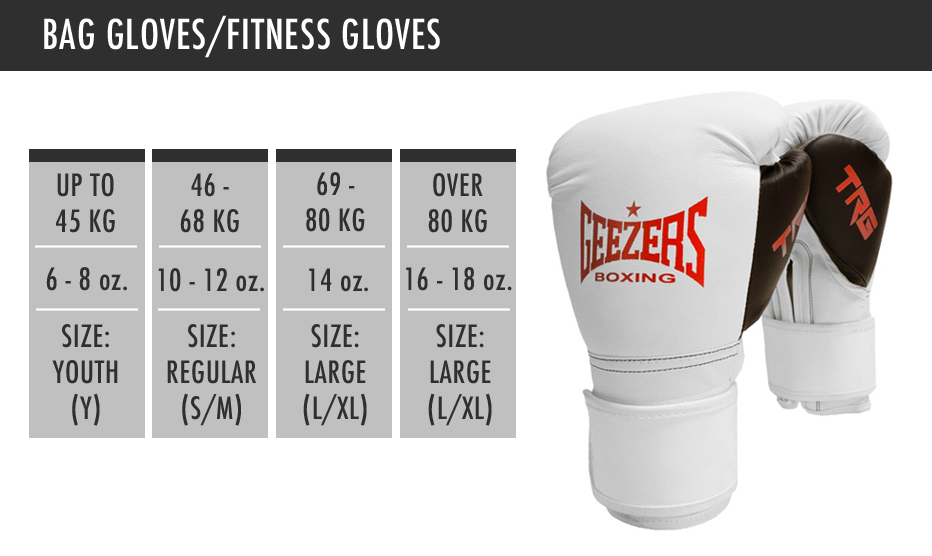
Glove size often depends on a fighter’s body weight. Lighter fighters usually wear gloves between 8 to 12 ounces. Heavier fighters need larger gloves, typically 14 to 16 ounces. This helps balance protection and power during training or fights.
For example, a 120-pound boxer might choose 10-ounce gloves. A 180-pound boxer would benefit from 16-ounce gloves. This sizing ensures safety and comfort for all body types.
Training Purpose Considerations
The type of training also guides glove size choice. Smaller gloves, around 8 to 12 ounces, suit speed and bag work. They allow quicker punches and better hand movement. Larger gloves, 14 to 18 ounces, offer more padding for sparring.
Using heavier gloves during sparring protects both fighters from injury. Training with the right glove weight can build endurance. It also prepares the hands for real fight conditions.
Hand Size And Fit
Hand size affects glove comfort and fit. Gloves that are too tight restrict movement and cause discomfort. Gloves that are too loose reduce control and protection. Measure your hand circumference to find the right fit.
Try gloves on before buying to check snugness. Good gloves should fit like a firm handshake. This ensures better control, safety, and comfort during training or matches.
Glove Types By Ounces
Boxing gloves come in various weights measured in ounces. Different glove weights suit different training purposes and fighter needs. Understanding glove types by ounces helps select the right pair. This knowledge improves training efficiency and safety.
Light Gloves For Speed
Light gloves usually weigh between 6 and 10 ounces. They allow faster punches and better hand movement. These gloves suit bag work and pad drills well. Their reduced weight helps build speed and endurance. Fighters use light gloves to improve quickness and technique.
Medium Gloves For Versatility
Medium gloves weigh around 10 to 14 ounces. They offer a balance between protection and speed. These gloves work well for general training and light sparring. Many boxers prefer medium gloves for their versatility. They protect hands while still allowing decent speed.
Heavy Gloves For Sparring
Heavy gloves typically range from 14 to 18 ounces. They provide extra padding to protect both fighters during sparring. These gloves reduce injury risk and soften impact. Heavy gloves also help build arm and shoulder strength. They are ideal for controlled practice and tough sparring sessions.
Credit: www.carep.cl
Benefits Of Different Weights
Choosing boxing gloves of different weights offers many benefits. Each weight suits specific training goals and fighting needs. Understanding these benefits helps fighters improve their skills safely and effectively.
Endurance And Strength Building
Heavier gloves increase resistance during training. This resistance helps build shoulder and arm strength. Using heavier gloves also improves endurance by requiring more effort. Fighters develop stronger muscles and better stamina for longer rounds.
Lighter gloves allow faster punching speed. This speed training improves hand-eye coordination and reflexes. Switching between weights balances strength and speed development.
Protection For Fighters
Heavier gloves have more padding to absorb impact. This padding protects the wearer’s hands and knuckles from injury. It also reduces harm to the opponent during sparring. Using the right weight ensures safe training sessions.
Lighter gloves offer less padding but allow better control. They are good for bag work and pad drills. Fighters must use caution with lighter gloves to avoid injury.
Training Adaptability
Different glove weights suit various training activities. Heavy gloves are ideal for conditioning and power training. They help simulate fight fatigue and build muscle endurance.
Lighter gloves work well for speed drills and technical practice. They let fighters focus on accuracy and quick combinations. Using multiple glove weights creates a balanced training routine.
Drawbacks Of Various Sizes
Choosing the right boxing glove size affects your training and performance. Different glove weights bring specific challenges. Understanding the drawbacks of various sizes helps in making a better choice. Let’s explore some common issues linked to glove sizes.
Bulkiness And Mobility Issues
Heavier gloves tend to be bulkier. This extra bulk limits hand movement and speed. Fighters may feel slower and less agile. It can hinder quick defensive moves. Lighter gloves offer more flexibility but less protection. Finding balance between bulk and mobility is key.
Suitability For Hand Size
Gloves too large for your hands reduce control. Small hands in big gloves feel loose and unstable. This can lead to poor technique and injury. Gloves that fit well improve comfort and precision. Proper fit prevents slipping during punches. Always match glove size to hand size.
Effect On Punching Speed
Heavier gloves decrease punching speed. The extra weight requires more effort for each punch. This can tire your arms faster. Lighter gloves allow faster punches and quicker combinations. Speed is essential for effective offense and defense. Choose a glove weight that supports your training goals.
Popular Brands And Their Sizes
Popular boxing glove brands offer various sizes measured in ounces. The size affects protection, weight, and comfort. Choosing the right glove size depends on your training type and hand size. Different brands have unique size options to fit diverse needs. Understanding these options helps find the perfect glove.
Hayabusa Glove Options
Hayabusa gloves come in sizes from 8 oz to 16 oz. The 16 oz gloves are best for sparring. They offer extra padding for safety during hard hits. Lighter gloves, like 8 oz or 10 oz, suit bag work and speed training. Hayabusa designs gloves for durability and wrist support. They fit snugly for better control.
Everlast Sizing Guide
Everlast gloves range from 10 oz to 16 oz. Heavy bag training uses 12 oz to 14 oz gloves. For sparring, 16 oz gloves provide more protection. Everlast gloves fit most hand sizes comfortably. The brand offers options for beginners and advanced boxers. Their gloves balance padding and mobility well.
Sanabul And Others
Sanabul gloves vary from 8 oz to 16 oz. Lightweight gloves help improve speed and endurance. Heavier gloves are safer for sparring sessions. Sanabul also focuses on comfort and breathability. Other brands like Ringside and Title offer similar sizes. Most brands provide sizing charts to guide buyers.
Tips For Buying Boxing Gloves
Choosing the right boxing gloves improves your training and safety. Gloves come in different ounces and styles. Knowing what to pick helps you get the best fit and protection.
This guide shares key tips to consider before buying boxing gloves. Follow these steps to find gloves that suit your needs and budget.
Assessing Your Training Needs
Think about how you will use the gloves. For heavy bag workouts, choose gloves with less padding, around 10 to 12 ounces. Sparring requires more padding, usually 14 to 16 ounces, to protect both you and your partner.
Consider your weight and hand size too. Lighter gloves help with speed, while heavier ones build endurance. Match glove weight to your training type for the best experience.
Trying Gloves On
Always try gloves before buying. Check how they fit around your hands and wrists. Gloves should feel snug but not tight. Make sure you can close your fist comfortably.
Wear hand wraps if you usually use them. This gives a better idea of actual fit during training. Move your hands inside the gloves to test flexibility and comfort.
Budget Considerations
Set a budget before shopping. Boxing gloves come in many price ranges. Higher price often means better material and durability, but not always.
Look for gloves that offer good protection and comfort within your budget. Avoid very cheap gloves, as they may wear out quickly or lack proper padding. Invest in quality gloves for longer use.
Credit: www.villaggiolepalme.com
Frequently Asked Questions
How Many Ounces Should My Boxing Glove Be?
Choose glove ounces based on your weight and training: 6-10 oz for bag work, 12-14 oz for general training, 14-16 oz for sparring. Heavier gloves offer more protection and build endurance, while lighter gloves improve speed and agility. Select the size that fits your hands comfortably.
Are Boxing Gloves 16 Oz Or 14 Oz?
Boxing gloves commonly come in 14 oz and 16 oz sizes. Use 14 oz for training and 16 oz for sparring to ensure better protection. Choose based on weight, hand size, and training needs for optimal performance and safety.
Are 12 Oz Boxing Gloves Better Than 14 Oz?
12 oz boxing gloves offer faster punches and agility, ideal for bag work. 14 oz gloves provide more padding, better for sparring and protection. Choose based on training needs, hand size, and weight for best performance and safety.
Do Pro Boxers Use 12 Oz Gloves?
Professional boxers rarely use 12 oz gloves in matches. They prefer 8 to 10 oz gloves for competition and 12 oz for training or sparring.
Conclusion
Choosing the right boxing glove weight matters for safety and performance. Gloves come in various ounces, from 6 to 18. Lighter gloves suit speed and bag work, while heavier ones offer more protection for sparring. Always match glove size to your body weight and training type.
Knowing how many ounces in a boxing glove helps you train smarter and avoid injuries. Keep these points in mind to find gloves that fit your needs well. Stay consistent and enjoy your boxing journey with the right gear.


