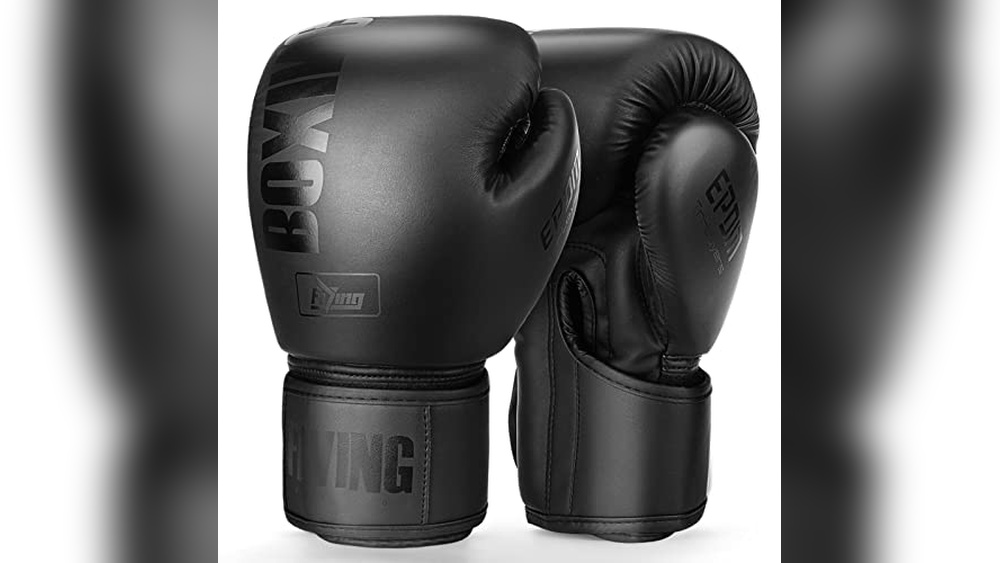
Are you ready to step into the ring but not sure what size boxing gloves you need? Choosing the right glove size isn’t just about comfort—it’s about safety, performance, and protecting your hands during training or a fight.
If your gloves are too small, they’ll squeeze your hands and limit your movement. If they’re too big, you risk losing control and getting injured. This guide will show you exactly how to find out what size boxing glove fits you best, using simple steps anyone can follow.
Keep reading to discover how a perfect fit can boost your confidence and power every punch you throw.
Boxing Glove Basics
Choosing the right boxing glove size is key for comfort and safety. Gloves protect your hands and your opponent. Different gloves suit different needs. Knowing the basics helps you pick the best pair. This section explains types, weight versus size, and common uses.
Types Of Gloves
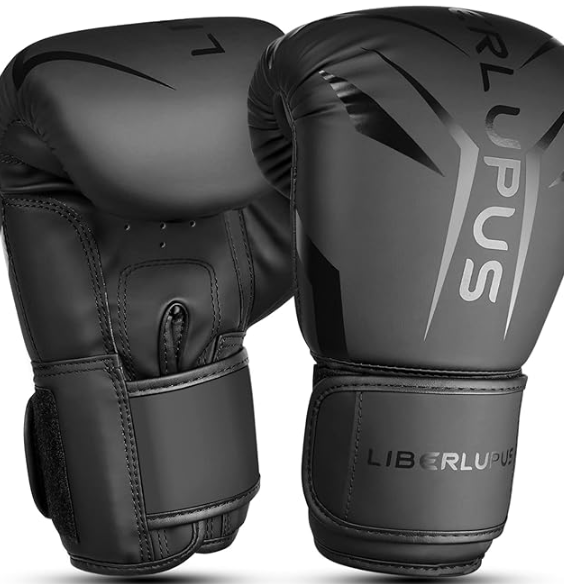
There are several types of boxing gloves. Training gloves are versatile for many activities. Sparring gloves offer extra padding to protect you and your partner. Bag gloves are designed for heavy bag work and are lighter. Competition gloves are lighter and used in official matches. Each type serves a specific purpose.
Weight Vs Size
Glove weight is measured in ounces. It shows the amount of padding inside. Size refers to the glove’s fit on your hand. Heavier gloves have more padding and protection. Lighter gloves allow faster hand movement. Your weight and hand size affect the glove you should pick.
Common Uses
Training gloves work well for general workouts. Sparring gloves protect both fighters during practice. Bag gloves help absorb impact on punching bags. Competition gloves meet official rules for fights. Selecting gloves based on use improves performance and safety.
Credit: absolutemma.com
Measuring Your Hand
Measuring your hand is the first step to finding the perfect boxing glove size. Proper measurement ensures comfort and protection during training or fights. This process is simple and requires just a few basic tools. Focus on your palm and fingers, as these areas determine the right glove size. Follow the steps carefully to get accurate results.
Tools Needed
You need a flexible measuring tape or a piece of string. If you use string, have a ruler nearby to measure it. Prepare a pen and paper to write down your measurements. Make sure your hand is clean and dry before measuring.
How To Measure Palm Circumference
Wrap the measuring tape around the widest part of your palm. This area is just below your knuckles, excluding your thumb. Keep the tape snug but not too tight. Note the number where the tape meets. If using string, mark the point and measure it with a ruler.
Measuring Finger Length
Measure the length of your middle finger from base to tip. Place the measuring tape at the finger base, near the palm. Stretch it straight along the finger to the tip. Write down this length. Finger length helps confirm the glove size for a better fit.
Converting Measurements To Glove Size
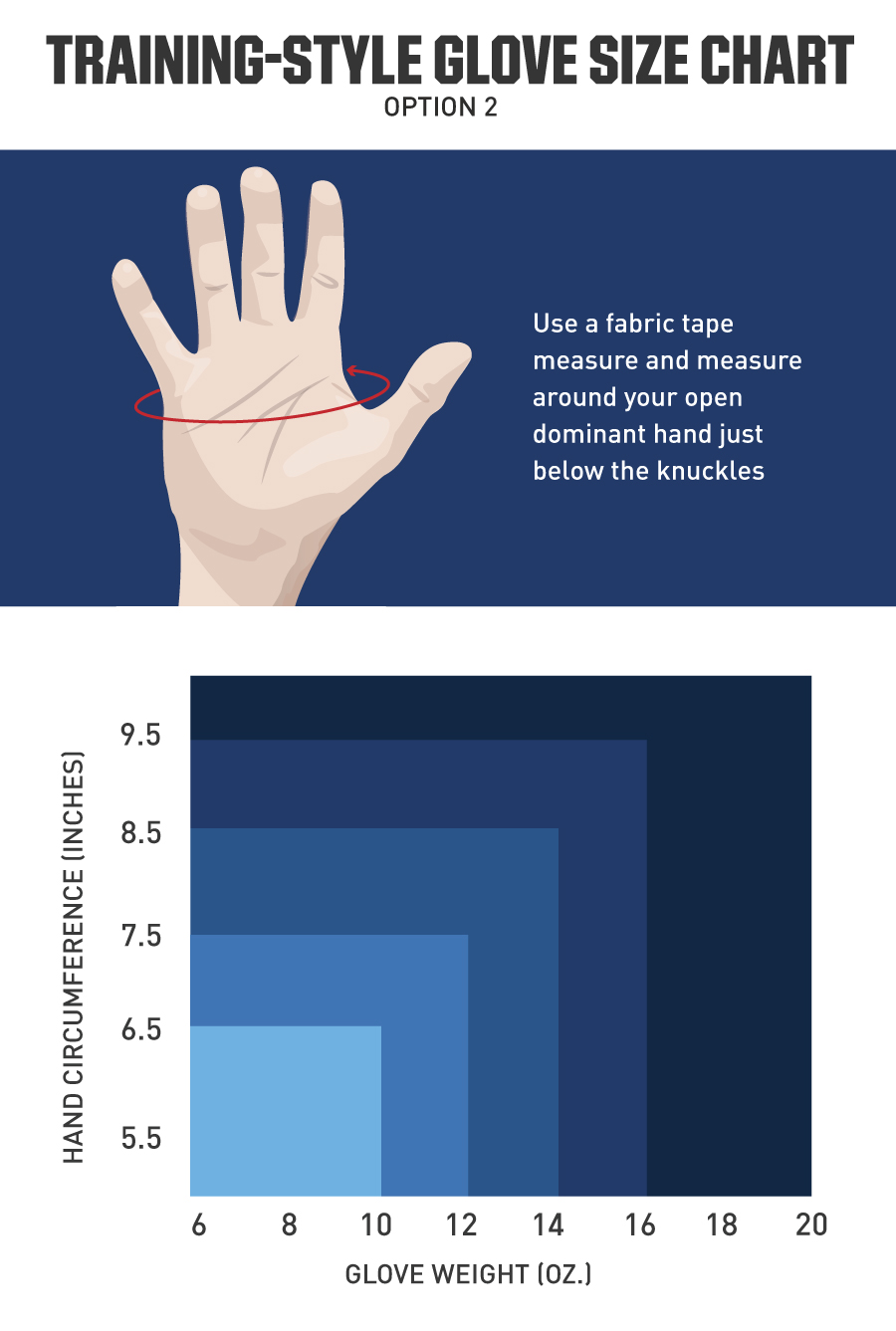
Converting your hand measurements into the right boxing glove size is key to comfort and performance. Knowing the exact size helps avoid injuries and improves training. It starts with measuring the circumference of your dominant hand just below the knuckles. This number then matches a glove size through standard charts. Understanding these charts and your preferences leads to the perfect fit.
Standard Sizing Charts
Most boxing gloves use weight in ounces to define size. Common sizes range from 8 oz to 16 oz. Smaller gloves suit lighter fighters or competition. Larger gloves offer more padding and protect during sparring. Use your hand circumference to find your size on a chart. For example, 7-8 inches usually means 8-10 oz gloves. 9-10 inches often fits 12-14 oz gloves. These charts vary by brand but give a solid starting point.
Choosing Between Sizes
Select a size that matches your training style. Smaller gloves allow faster hand movement and more impact. Larger gloves provide extra cushioning for safety. Consider your hand weight and wrist strength too. If your hands fall between sizes, choosing the bigger size is safer. Try gloves on if possible to check comfort and flexibility. Proper size prevents slipping and hand fatigue during use.
Adjusting For Fit Preferences
Some boxers prefer a snug fit while others want room for hand wraps. If you wrap your hands heavily, pick a slightly larger glove. For a tighter feel, go for the exact size from the chart. Pay attention to wrist support. Gloves with strong closures help keep your hand stable. Comfort matters as much as size. Adjust fit by using different glove brands or models until you find your best match.
Credit: www.dickssportinggoods.com
Glove Sizes For Different Training
Choosing the right boxing glove size depends on the type of training you do. Different gloves serve different purposes. Using the correct glove size helps protect your hands and your training partner. It also improves your performance and comfort during training sessions.
Sparring Gloves
Sparring gloves are heavier and have extra padding. They protect both you and your partner from hard impacts. Typically, sparring gloves weigh between 14 to 16 ounces. Larger gloves reduce the risk of injury during practice fights. They feel bulkier but provide better safety for hands and knuckles.
Bag Gloves
Bag gloves are lighter and designed for hitting heavy bags or pads. They usually weigh 12 to 14 ounces. These gloves offer less padding than sparring gloves but more wrist support. Bag gloves help improve speed and technique while protecting your hands. They are less bulky, allowing faster punches and better control.
Competition Gloves
Competition gloves are the lightest and often weigh between 8 to 10 ounces. They have minimal padding to maximize speed and power. These gloves must meet specific rules set by boxing organizations. Using the right size ensures fair competition and reduces hand injuries. Competition gloves fit tighter and feel more precise on your hands.
Factors Affecting Glove Choice
Choosing the right boxing glove size depends on several key factors. These factors influence comfort, protection, and performance during training or fights. Understanding them helps find gloves that fit well and feel right on your hands.
Hand Wrap Thickness
Hand wraps add extra padding and support to your hands. Thicker wraps increase the overall size of your hand. Gloves must be large enough to fit over wrapped hands comfortably. Consider the thickness of your wraps before selecting glove size.
Weight Class And Hand Size
Your weight class affects glove size recommendations. Heavier fighters often use bigger gloves for better protection. Hand size also matters. Measure your hand circumference to find a matching glove size. Gloves that are too small or large can reduce effectiveness and increase injury risk.
Personal Comfort
Comfort is crucial for glove choice. Gloves should feel snug but not tight. They must allow good movement and wrist support. Try different sizes and brands if possible. Choose gloves that feel comfortable for long training sessions.

Credit: www.smai.com
Testing Glove Fit
Testing glove fit is an important step to find your correct boxing glove size. Gloves that fit well offer comfort and better performance. Poor fit may cause discomfort or injury. It is best to try gloves on and check how they feel. This helps you avoid buying the wrong size. Follow simple steps to test your gloves before making a choice.
Try-on Tips
Wear your hand wraps before trying gloves. Wraps add extra padding and affect fit. Put on the gloves slowly and fully. Make sure your fingers reach the glove tips. Close the wrist strap tightly but not too tight. Move your fingers and make a fist inside the glove. Gloves should feel snug but not tight. Try both gloves, as hands may differ slightly.
Signs Of Good Fit
Gloves fit well if fingers do not touch the glove end. Your hand should not slide around inside. Wrists feel supported and secure with straps fastened. Gloves should feel comfortable when making a fist. No pinching or pressure points should be present. You can open and close your hand easily. Gloves stay in place without causing pain.
Common Fit Issues
Gloves too tight cause numbness or tingling in fingers. Too loose gloves move around and reduce control. Wrist straps that are too loose fail to support wrists. Gloves that are too small pinch fingers and cause pain. Gloves too big reduce punching power and control. Padding that feels uneven may mean the wrong size. Test fit carefully to avoid these problems.
Maintaining Your Gloves
Maintaining your boxing gloves keeps them in good shape for a long time. Proper care prevents bad odors and material damage. Clean gloves feel fresh and protect your hands better. Following simple steps helps your gloves last through many training sessions.
Cleaning Tips
After each use, wipe the gloves with a clean, damp cloth. Avoid soaking them in water. Use a mild soap solution for stains or sweat marks. Dry the gloves thoroughly by air drying. Do not put them in direct sunlight or a dryer. Use glove deodorizers or baking soda inside to reduce odor.
Storage Advice
Store gloves in a cool, dry place. Avoid leaving them in your gym bag for days. Let air circulate inside the gloves by opening them or using a glove rack. Keep them away from heat sources or damp areas. Proper storage prevents mold and keeps padding firm.
When To Replace Gloves
Replace gloves if padding feels hard or uneven. Tears or holes in the material reduce protection. If gloves smell bad even after cleaning, it is time for new ones. Worn gloves can cause injury and reduce performance. Check gloves regularly to ensure safety and comfort.
Frequently Asked Questions
How Do I Know My Boxing Glove Size?
Measure the circumference of your dominant hand around the widest part of the palm, excluding the thumb. Use a flexible tape for accuracy. The measurement in inches corresponds to your boxing glove size. Choose gloves matching this size for proper fit and comfort.
Are Boxing Gloves 16 Oz Or 14 Oz?
Boxing gloves commonly come in 14 oz and 16 oz sizes. Choose 16 oz for sparring and more padding. Use 14 oz for versatile training and lighter fighters.
Are 14oz Gloves Bigger Than 12oz?
Yes, 14oz gloves are bigger and heavier than 12oz gloves. They offer more padding and protection for training and sparring.
How Do I Check My Glove Size?
Measure your dominant hand’s palm circumference just below the knuckles, excluding the thumb. Use a flexible tape or string, then check inches. The inches equal your glove size. Keep the tape snug but not tight for an accurate fit.
Conclusion
Finding the right boxing glove size protects your hands and improves performance. Measure your dominant hand’s circumference carefully for accuracy. Remember, gloves that fit well offer better comfort and safety. Choose gloves based on your training needs and hand size.
Taking time to find the right size helps you train effectively and avoid injuries. Now, you are ready to select gloves that suit you best. Keep practicing and enjoy your boxing journey!