Are you wondering how many reps of dumbbell curls you should be doing to see real results? Whether you want bigger arms, more strength, or better muscle tone, the number of reps you choose can make all the difference.
Getting this right helps you avoid wasting time and prevents injury. You’ll discover exactly how to find the perfect rep range for your goals—so you can start making progress faster and feel confident in your workouts. Keep reading to unlock the secret to curling smarter, not harder.
Choosing The Right Rep Range
Choosing the right rep range for dumbbell curls is key to reaching your fitness goals. Different rep ranges target different muscle benefits. Picking the right one helps you train smarter and see better results. Below are common rep ranges and their specific effects on your muscles.
Low Reps For Strength
Performing dumbbell curls with low reps means lifting heavier weights. Aim for 4 to 6 reps per set. This rep range builds more muscle strength and power. Use this when your goal is to increase the force your muscles can produce. Rest longer between sets to recover fully.
Moderate Reps For Hypertrophy
Moderate reps range from 8 to 12 per set. This range helps increase muscle size or hypertrophy. It causes muscle fibers to grow thicker and stronger. Use moderate weight that challenges you but allows good form. Shorter rest periods keep muscles under tension longer.
High Reps For Endurance
High reps mean doing 15 or more curls in one set. This builds muscle endurance and stamina. It trains your muscles to work longer without getting tired. Use lighter weights and focus on controlled, smooth movements. Rest less to keep your heart rate up.
Finding Your Max Reps
Finding your max reps for dumbbell curls helps you understand your current strength level. It shows how many times you can lift a dumbbell until your muscles feel tired. This number guides your workout plan and helps you set clear goals. Knowing your max reps allows you to train smarter and avoid injury.
Testing Your Strength
Choose a weight that challenges your muscles but is not too heavy. Start curling the dumbbell slowly and count each complete repetition. Stop when you cannot lift with good form anymore. This count is your max reps for that weight. Test each arm separately to track strength differences. Rest well before testing to get accurate results.
Tracking Progress
Write down your max reps after each test session. Compare the numbers every few weeks to see improvements. Increase the dumbbell weight when reps become easy. Tracking progress helps you stay motivated and focused on your goals. Regular tests show how your strength is building over time.
Balancing Volume And Intensity
Balancing volume and intensity is key to effective dumbbell curls. Volume means the total work done, like how many reps and sets you do. Intensity refers to the weight or effort level. Finding the right mix helps build muscle without causing injury. It also keeps workouts fresh and challenging.
Sets And Reps Combinations
Choosing the right sets and reps depends on your goal. For muscle growth, try 3 to 4 sets of 8 to 12 reps. For strength, do 4 to 6 sets of 4 to 6 reps with heavier weights. Beginners should start with lighter weights and 2 to 3 sets of 12 to 15 reps. Adjust as you progress to avoid plateaus.
Rest Periods
Rest between sets affects recovery and performance. Short rests of 30 to 60 seconds boost muscle endurance. Longer rests of 1 to 2 minutes help with strength gains. Rest enough to keep good form in each set. Listen to your body and rest more if needed.
Form Tips For Dumbbell Curls
Good form is key for effective dumbbell curls. It helps build muscle and prevents injury. Focus on the right techniques before adding more weight or reps. Proper form improves workout results and keeps your arms safe.
Proper Grip And Posture
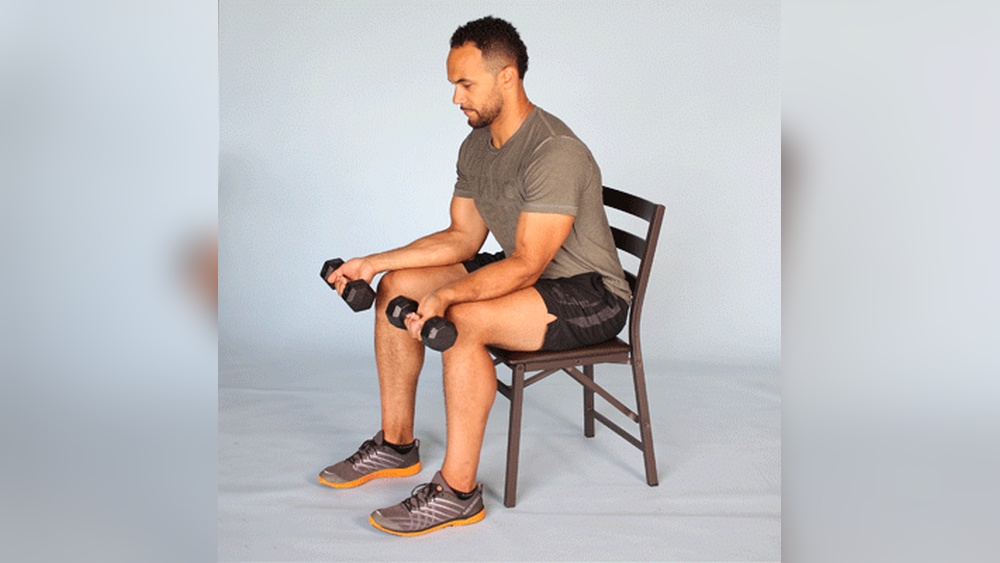
Hold the dumbbells with a firm, but relaxed grip. Keep your wrists straight to avoid strain. Stand tall with your feet shoulder-width apart. Keep your back straight and chest up. Let your elbows stay close to your body during the curl.
Avoiding Common Mistakes
Do not swing your body or use momentum to lift weights. Avoid lifting your elbows away from your sides. Do not bend your wrists during the curl. Keep the movement slow and controlled. Stop if you feel pain in your joints or back.
Advanced Techniques To Boost Growth
Advanced techniques help push your dumbbell curls beyond basic workouts. These methods increase muscle stress, which supports growth. They also prevent boredom and plateaus during training. Using these approaches can make your workouts more intense and effective.
Drop Sets
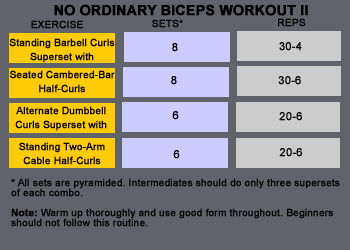
Drop sets involve starting with a heavy weight. Perform curls until muscles feel tired. Then reduce the weight and continue without resting. Repeat this process several times. It forces your muscles to work longer and harder. Drop sets help increase muscle size and endurance.
Supersets
Supersets pair two exercises done back-to-back. For dumbbell curls, combine with a tricep exercise. Do one set of curls, then immediately do tricep moves. This method saves time and boosts workout intensity. Supersets increase blood flow, helping muscles grow faster.
Tempo Variations
Changing the speed of curls affects muscle tension. Slow down the lifting phase to three seconds. Pause briefly at the top, then lower the weight slowly. This keeps muscles under tension longer. Tempo variations improve muscle control and stimulate growth.

Credit: www.vbafitness.com
Nutrition And Recovery For Muscle Growth
Nutrition and recovery play a key role in building muscle after dumbbell curls. Proper food and rest help your muscles grow stronger and bigger. Without good nutrition and enough rest, gains will be slow or even stop. Focus on what you eat and how you recover to get the best results from your workout.
Protein Intake
Protein is the building block of muscles. Eating enough protein helps repair muscle fibers after curls. Aim for lean meats, eggs, dairy, or plant-based proteins. Spread protein intake evenly throughout the day. About 1.2 to 2 grams per kilogram of body weight supports muscle growth. Avoid low protein diets during training periods.
Rest And Sleep
Muscles grow when you rest, not during exercise. Sleep helps your body repair and build new muscle tissue. Aim for 7 to 9 hours of quality sleep each night. Avoid stress and distractions before bedtime. Rest days between workouts help prevent injury and overtraining. Listen to your body and take breaks when needed.
Signs Of Overtraining And How To Adjust
Overtraining can slow down progress and cause injuries. It happens when muscles do not get enough time to recover. Knowing the signs helps you avoid harm and stay strong.
Recognizing Fatigue
Feeling tired for many days is a key sign of overtraining. Sore muscles that last too long also warn of too much exercise. Weakness during curls or other moves means your body needs rest. Sleep troubles and low energy can show your muscles are stressed. Watch for mood changes like feeling irritable or less motivated.
Modifying Your Routine
Reduce the weight or lower the number of reps to ease strain. Include more rest days between dumbbell curl sessions. Try lighter exercises or different muscle groups to balance effort. Drink water and eat well to help muscles recover faster. Listen to your body and adjust your workouts as needed.
Credit: www.muscleandfitness.com

Credit: strengthlevel.com
Frequently Asked Questions
How Many Dumbbell Curl Reps Build Muscle Fast?
Perform 8-12 reps per set with moderate to heavy weight. This range promotes muscle growth effectively. Focus on proper form and controlled movement for best results.
What Rep Range Is Best For Dumbbell Curls?
The ideal rep range for dumbbell curls is 8-15 reps. Lower reps (6-8) build strength, while higher reps (12-15) improve endurance. Adjust based on your fitness goal.
How Many Sets And Reps For Dumbbell Curls Daily?
Aim for 3-4 sets of 8-12 reps daily or every other day. Allow rest for muscle recovery to avoid overtraining and injury.
Should Reps Vary For Dumbbell Curl Beginners?
Yes, beginners should start with 10-15 reps using light weights. This builds endurance and proper form before increasing weight and lowering reps.
Conclusion
Finding the right number of reps for dumbbell curls depends on your goal. For strength, aim for fewer reps with heavier weights. For muscle tone, choose moderate reps with medium weights. If endurance is your focus, try higher reps with lighter weights.
Always listen to your body and rest when needed. Consistency and good form matter most. Keep your workouts simple and steady to see progress.