Are you wondering if the dumbbell bench press really works for building your chest and upper body strength? You’re not alone.
Many people ask if this exercise delivers the results they want or if it’s just another move that wastes time. The truth is, understanding how the dumbbell bench press targets your muscles can change the way you train—and the way your body responds.
Keep reading to find out how this simple exercise can unlock your strength and help you achieve the gains you’ve been aiming for.
Benefits Of Dumbbell Bench Press
The dumbbell bench press offers many benefits for strength training. It targets the chest, shoulders, and triceps effectively. This exercise helps improve muscle control and coordination.
Using dumbbells allows for natural movement and better muscle engagement. It suits beginners and experienced lifters alike. Let’s explore the key benefits of the dumbbell bench press.
Improved Muscle Activation
Dumbbells require each side of the body to work independently. This leads to better muscle activation on both sides. The muscles must stabilize more, increasing overall strength. This activation helps build muscle evenly and reduces imbalances.
Enhanced Range Of Motion
Dumbbells allow a deeper stretch than a barbell. This increases the range of motion during the press. A fuller range helps develop muscles more completely. It also reduces joint stress by allowing natural arm movement.
Balanced Strength Development
Each arm works separately with dumbbells. This prevents one side from dominating the other. Balanced strength reduces injury risk and improves posture. It also makes other exercises easier and safer to perform.
Credit: outlift.com
Muscles Targeted By Dumbbell Bench Press
The dumbbell bench press is a popular exercise for building upper body strength. It works several key muscles. Understanding these muscles helps improve your form and results. This section explores the main muscles targeted by the dumbbell bench press.
Chest Muscles
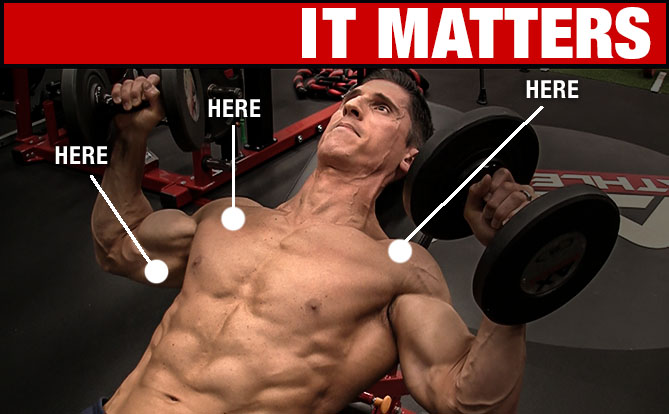
The primary muscles worked are in the chest. The pectoralis major is the largest chest muscle. It helps push the dumbbells upward. The pectoralis minor lies underneath. It supports chest movement and stability. Together, they create the pressing force.
Shoulders And Triceps
The shoulders assist in lifting the dumbbells. The anterior deltoids, at the front of the shoulder, play a big role. They help control the weight during the press. The triceps, at the back of the upper arm, extend the elbows. This action straightens the arms and finishes the lift.
Supporting Stabilizer Muscles
Small muscles work to keep balance and control. The rotator cuff muscles stabilize the shoulder joint. They prevent injury during movement. Core muscles engage to keep your body steady. These stabilizers improve strength and safety throughout the exercise.
Proper Form And Technique
Proper form and technique are key to getting the most from the dumbbell bench press. Using correct form helps prevent injuries and ensures your muscles work effectively. It makes your workout safe and productive.
Focus on how to position your body and move the weights. Small changes can make a big difference in results. Learn the right steps to perform the exercise well.
Setting Up Correctly
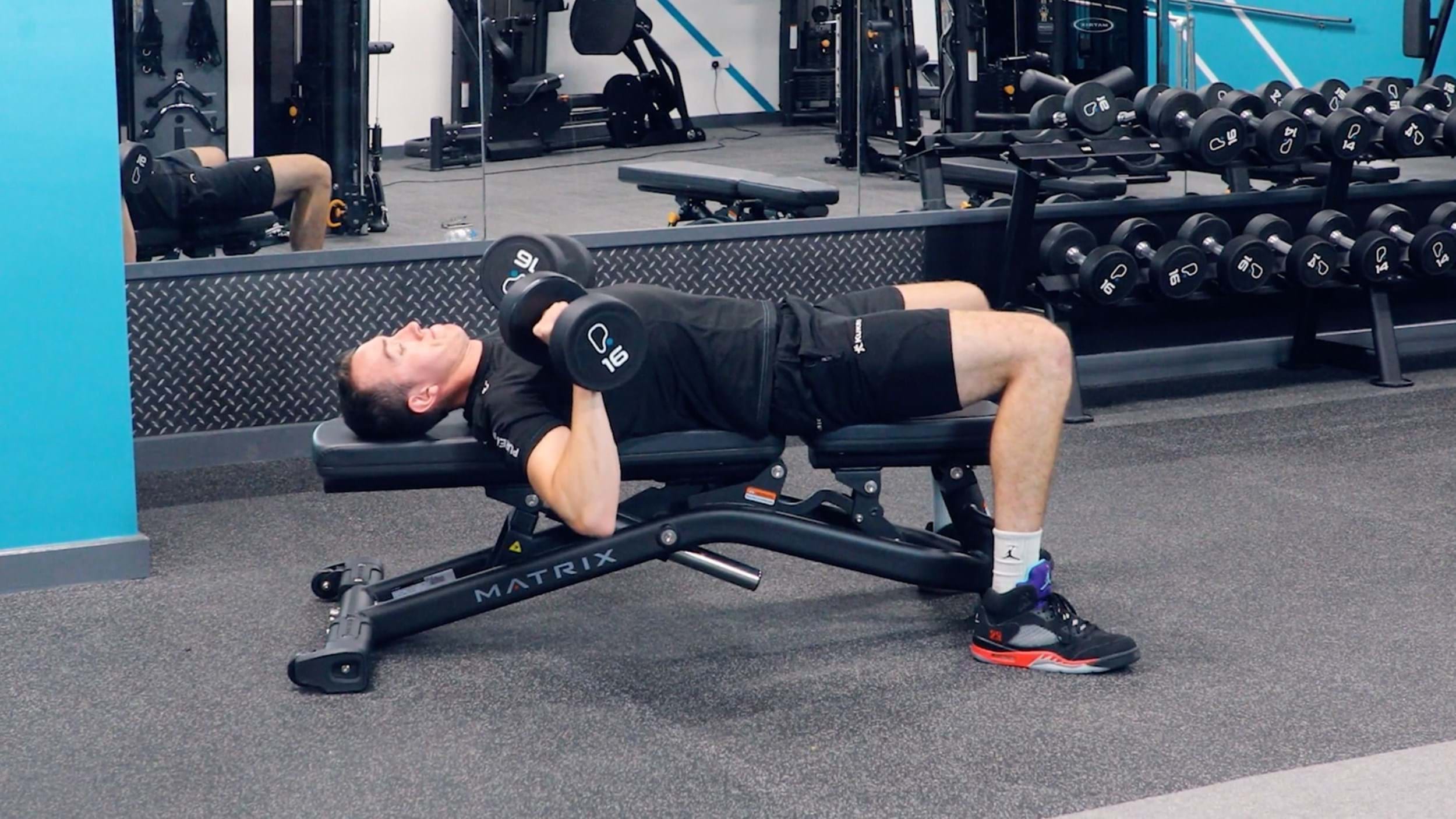
Start by sitting on the bench with a dumbbell in each hand. Lie back slowly, keeping the dumbbells close to your chest. Plant your feet flat on the floor for stability. Keep your back pressed lightly against the bench. Hold the dumbbells at chest level with elbows bent.
Executing The Press
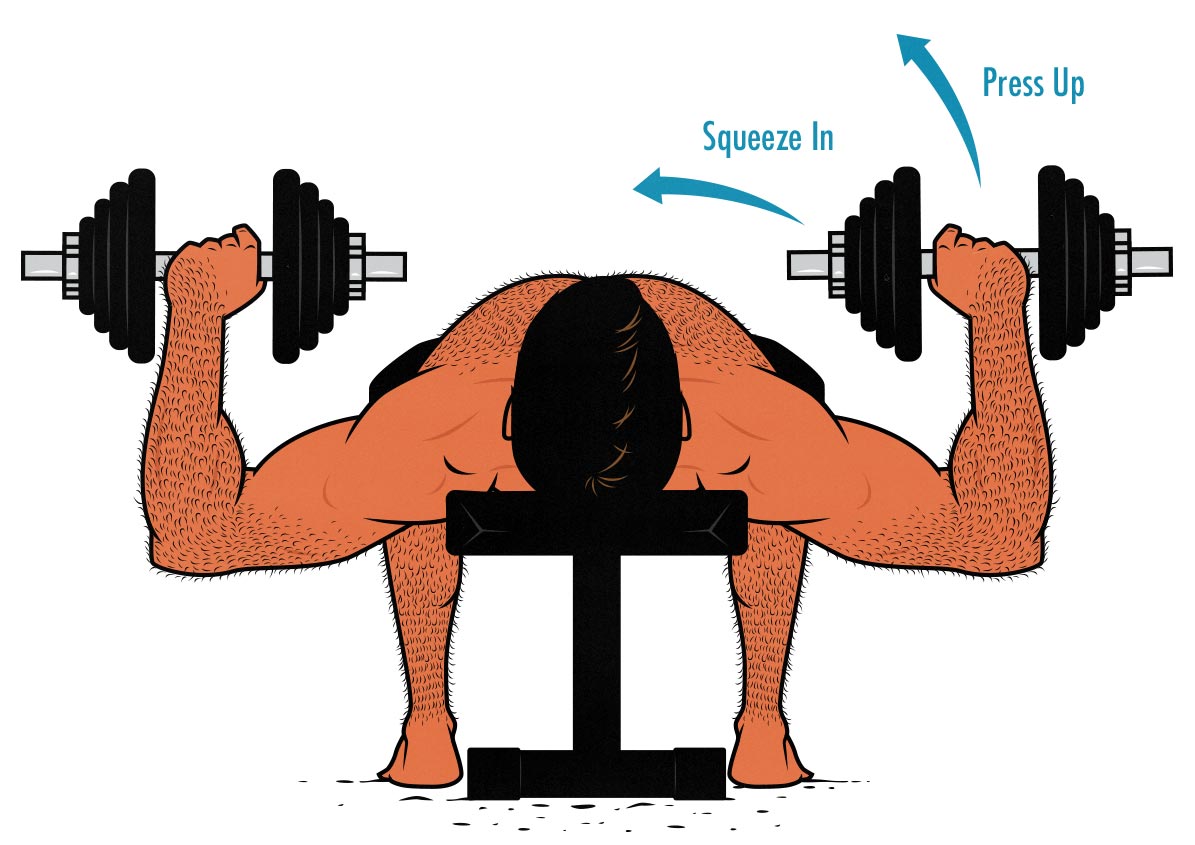
Push the dumbbells upward until your arms are straight but not locked. Keep your wrists straight and in line with your forearms. Lower the weights slowly back to the starting position. Control the motion to avoid dropping the dumbbells. Breathe out as you push up and breathe in as you lower.
Common Mistakes To Avoid
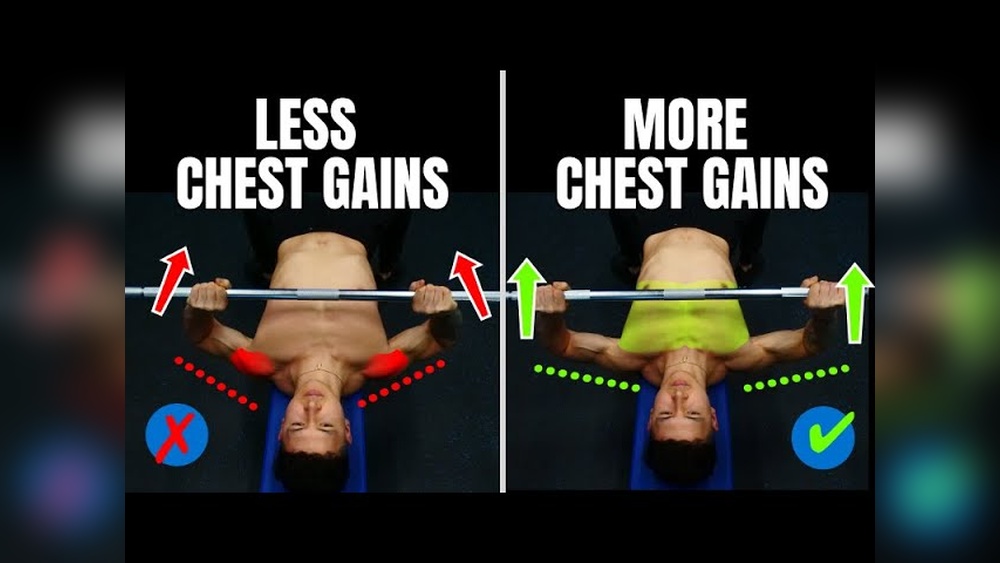
Do not let your elbows flare out too wide; keep them at about a 45-degree angle. Avoid arching your back too much; keep it flat on the bench. Do not bounce the dumbbells off your chest; move with control. Avoid lifting dumbbells that are too heavy and sacrifice form. Keep your wrists steady and do not let them bend backward.
Dumbbell Bench Press Variations
The dumbbell bench press is a versatile exercise. It targets your chest, shoulders, and triceps. Changing the angle and grip can shift the focus to different muscles. These variations keep your workouts fresh and effective.
Each variation offers unique benefits. They help develop strength and muscle evenly. Using dumbbells also improves balance and coordination. Let’s explore some popular dumbbell bench press variations.
Incline Dumbbell Press
The incline dumbbell press targets the upper chest and shoulders. Set the bench at a 30 to 45-degree angle. Press the dumbbells up and together. This variation builds a fuller chest and stronger shoulders.
Decline Dumbbell Press
The decline dumbbell press focuses on the lower chest. Adjust the bench to a decline angle. Press the dumbbells upward with control. This move helps create a well-rounded chest shape.
Neutral Grip Press
The neutral grip press uses a palms-facing-each-other grip. It reduces shoulder strain and improves stability. Press the dumbbells straight up with elbows close to the body. This variation is great for shoulder health and strength.
Training Tips For Faster Gains
Training for faster gains with the dumbbell bench press needs smart planning. Small changes can bring big results. Focus on how you increase weight, choose reps and sets, and allow time to recover. These steps help your muscles grow stronger and prevent injury.
Follow these tips to get the most out of each workout. Consistency and care lead to steady progress.
Progressive Overload Strategies
Gradually increase the weight you lift. Add small amounts each week. This challenges your muscles to grow. You can also increase reps or sets over time. Keep track of your progress. Avoid lifting too heavy too fast. This can cause injury and slow gains.
Optimal Rep And Set Ranges
For muscle growth, aim for 8 to 12 reps per set. Do 3 to 4 sets in each workout. Use a weight that makes the last reps hard but possible. If you can easily do more, increase the weight. This helps build muscle without overdoing it.
Rest And Recovery Importance
Muscles need time to repair after workouts. Rest for 48 hours before training the same muscle again. Sleep well to support muscle growth. Avoid working out the same muscle every day. Rest days improve strength and reduce injury risk.
Combining Dumbbell Press With Other Exercises
Combining dumbbell bench press with other exercises makes your workout more balanced. It targets different muscles and improves strength faster. Focusing on just one movement limits your progress. Mixing exercises helps build a stronger, well-shaped chest.
Adding variety keeps your routine interesting. It also reduces the risk of injury by working muscles evenly. Choose exercises that support your main goal. This way, your chest grows and your upper body gets stronger.
Complementary Chest Workouts
Pair dumbbell bench press with push-ups for better chest activation. Push-ups use your body weight to engage muscles differently. Cable flys isolate the chest muscles for a focused workout. Incline dumbbell press targets the upper chest area. These exercises combine well to shape the chest evenly.
Use lighter weights with flys to avoid strain. Change angles with incline or decline presses. It challenges the muscles from new directions. These moves enhance muscle growth and definition. Variety in chest exercises brings better results.
Incorporating Full Upper Body Routines
Include rows to strengthen your back and improve posture. Strong back muscles support your chest and reduce injury risk. Overhead presses build shoulder strength for better lifts. Tricep dips or extensions help your arms push harder. Combining these exercises forms a complete upper body workout.
Balance pushing and pulling exercises for muscle harmony. This balance prevents muscle imbalances and improves performance. Work all major muscles for strength and endurance. A full routine makes your workout efficient and effective.
Safety And Injury Prevention
Safety plays a key role in any workout, especially with dumbbell bench presses. This exercise targets the chest, shoulders, and arms. Using dumbbells can improve muscle balance and strength. But poor technique or lack of preparation can cause injury. Follow smart safety steps to protect your body and gain the most from your workout.
Warm-up And Mobility Drills
Start with a warm-up to increase blood flow to your muscles. Simple arm circles and shoulder rolls prepare your joints. Light dumbbell presses with low weight help your muscles adjust. Mobility drills improve your range of motion. This reduces the risk of muscle strains. Never skip this step before lifting heavy weights.
Spotting And Equipment Use
Use a spotter for added safety during dumbbell bench presses. They help lift the weights if you struggle. Spotters keep you from dropping dumbbells on your chest. Choose a sturdy bench with good padding. Ensure dumbbells have secure grips to prevent slipping. Use collars or clips to hold weight plates firmly. Proper equipment reduces accidents and boosts confidence.
Listening To Your Body
Pay close attention to how your body feels. Stop immediately if you feel sharp pain or discomfort. Muscle soreness is normal, but sharp pain is a warning. Adjust weights if you feel too much strain. Rest between sets to avoid overuse injuries. Gradually increase weights to build strength safely. Your body knows best; respect its limits.
Credit: learn.athleanx.com
Credit: www.puregym.com
Frequently Asked Questions
Does Dumbbell Bench Press Build Chest Muscles Effectively?
Yes, dumbbell bench press targets the chest muscles well. It activates the pectorals, promoting muscle growth and strength. It also engages stabilizer muscles, improving overall muscle balance. This exercise is excellent for developing a well-defined chest.
Are Dumbbell Bench Presses Better Than Barbell Presses?
Dumbbell presses offer a greater range of motion and muscle activation. They improve muscle symmetry and reduce injury risk by allowing natural arm movement. However, barbells allow heavier loads, which can aid strength gains. Both are effective, depending on your goals.
How Often Should I Do Dumbbell Bench Press Weekly?
Perform dumbbell bench presses 2 to 3 times a week. Allow 48 hours of rest between sessions for muscle recovery. Adjust frequency based on your fitness level and workout routine. Consistency is key for optimal strength and muscle growth.
Can Dumbbell Bench Press Improve Shoulder Stability?
Yes, dumbbell bench press enhances shoulder stability by engaging smaller stabilizer muscles. It promotes balanced muscle development around the shoulder joint. This reduces the risk of injuries and improves overall shoulder function during various movements.
Conclusion
Dumbbell bench press helps build chest and arm strength. It allows better range of motion than barbell press. You can work each side of your body evenly. This exercise improves muscle balance and coordination. Using dumbbells also engages your stabilizer muscles.
It fits well into many workout routines. Start with light weights to learn proper form. Gradually increase weight to avoid injuries. Consistency is key for seeing real results. Try including dumbbell bench press in your next workout. Small steps lead to steady progress.
Give it a try and feel the difference.