Have you ever done a dumbbell press and felt like your chest wasn’t really working? You’re not alone.
Many people struggle to feel the burn where it counts, and it can be frustrating when your effort doesn’t show results. But what if the problem isn’t you—it’s how you’re doing the exercise? You’ll discover simple tweaks to your form and technique that can help you finally feel that powerful chest activation.
Keep reading, because once you get this right, your workouts will never be the same.
Credit: builtwithscience.com
Common Reasons For Missing Chest Activation
Missing chest activation during the dumbbell press is a common issue. Many people feel the work in their shoulders or triceps instead of the chest. This problem limits muscle growth and strength gains. Understanding the common reasons helps fix the issue and improve results.
Incorrect Elbow Position
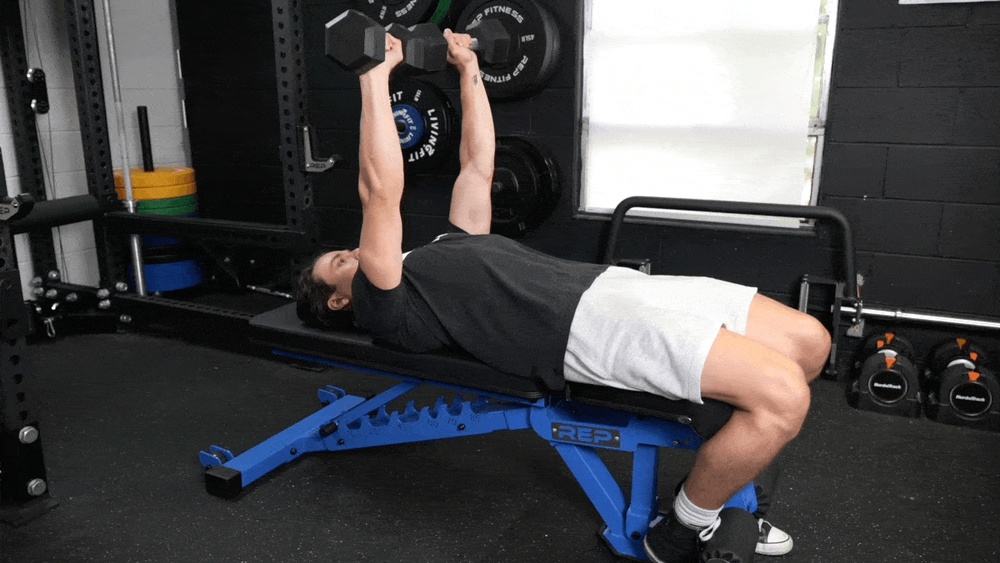
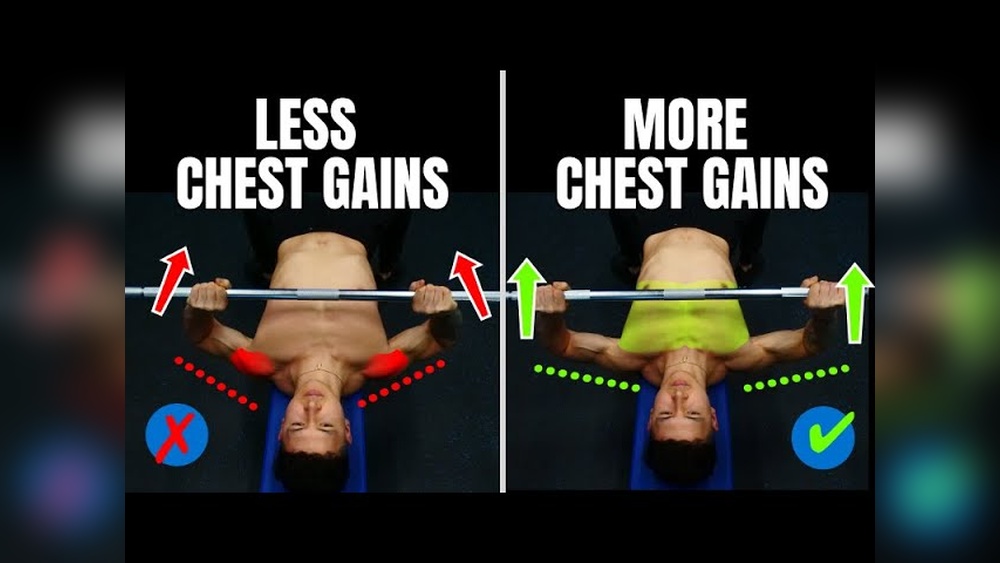
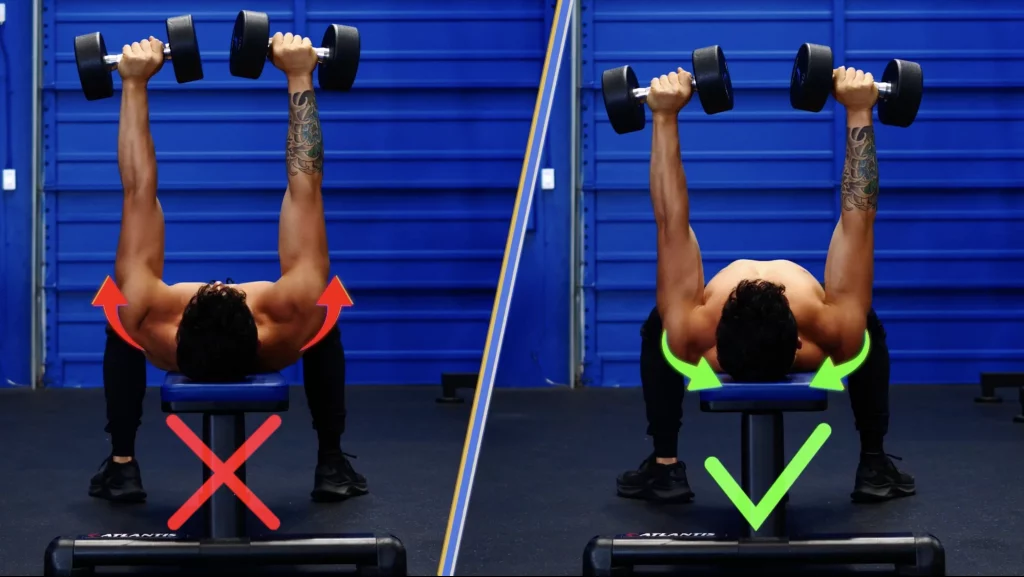
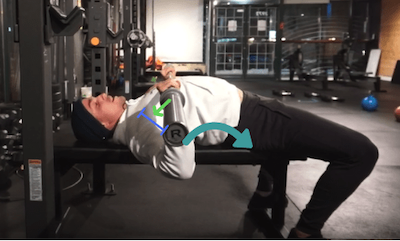
Elbow placement affects which muscles work during the press. Elbows too far out shift the load to the shoulders. Elbows too close to the body engage the triceps more. Aim for a 45-degree angle between your body and elbows. This angle targets the chest muscles better.
Grip Width Issues
Grip width changes muscle focus during the exercise. A grip too wide reduces the range of motion. This weakens chest muscle activation. A grip too narrow focuses on the triceps instead. Hold dumbbells so your hands are just outside shoulder width. This position helps the chest muscles work harder.
Lack Of Mind-muscle Connection
Focusing on the chest during each rep improves activation. Many lift heavy but forget to think about the chest muscles. Slow down the movement and feel the chest stretch and squeeze. This awareness increases muscle engagement and effectiveness. Practice this connection to train smarter, not just harder.
Adjusting Your Setup
Adjusting your setup for the dumbbell press is key to a safe and effective workout. Small changes can make a big difference in how your chest feels and works. Pay attention to the details in your positioning. This helps avoid injury and improves your strength gains.
Choosing The Right Bench Angle
The bench angle affects which part of your chest gets worked. Flat bench targets the middle chest. An incline bench hits the upper chest more. A decline bench focuses on the lower chest. Pick an angle that fits your workout goal. Avoid too steep angles to reduce shoulder strain.
Foot Placement For Stability
Feet should stay flat on the floor. This keeps your body stable during the press. Spread your feet about shoulder-width apart. Press your feet down to create a strong base. Do not let your feet lift or move. Stable feet help you press heavier weights safely.
Proper Shoulder Positioning
Keep your shoulders back and down. Avoid letting them roll forward. This protects your shoulder joints from stress. Retract your shoulder blades slightly. This creates a solid base for pressing. Proper shoulder position improves chest activation and reduces pain risk.
Optimizing Dumbbell Press Technique
Optimizing your dumbbell press technique can make a big difference in your chest workout. Proper form helps you lift safely and get better results. Small changes in how you move and breathe improve your strength and muscle growth.
Focus on control, timing, and breathing. These three parts work together to build power and prevent injury. Here are key tips to improve your dumbbell press.
Controlling The Dumbbell Path
Keep the dumbbells steady and move them in a smooth line. Avoid letting them drift too far forward or backward. Lower the weights slowly to your chest. Press up in a straight path. This control helps your muscles work evenly and reduces strain on your shoulders.
Timing And Tempo Tips
Use a steady tempo during each press. Lower the dumbbells in about two to three seconds. Pause briefly at the bottom. Push the weights up with strong, steady speed. This timing builds muscle tension and improves strength. Avoid rushing through the reps to keep good form.
Breathing Patterns For Power
Breathing affects your strength during the dumbbell press. Inhale as you lower the dumbbells. Exhale as you push them up. This breathing pattern supports your core and gives you more power. Hold your breath only briefly if needed during the hardest part of the lift.
Exercises To Enhance Chest Engagement
Enhancing chest engagement during the dumbbell press improves muscle growth and strength. Targeting the chest properly helps avoid relying too much on shoulders or triceps. Focused exercises prepare the chest muscles to work harder and more efficiently.
Try simple drills and stretches to activate your chest. Use accessory movements to support the main exercise. This approach builds a stronger, more defined chest over time.
Chest Activation Drills
Start with light chest activation drills before pressing. Perform scapular push-ups to warm up the chest area. These increase blood flow and improve muscle connection. Another option is isometric chest squeezes. Press your palms together and hold to feel the chest tighten. These drills prepare muscles for better engagement during dumbbell presses.
Accessory Movements For Support
Use accessory exercises to strengthen muscles around the chest. Cable flys or pec deck machines target the chest from different angles. Dumbbell pullovers stretch and engage the chest deeply. Strengthening supporting muscles reduces stress on joints. This helps maintain good form and better chest activation.
Stretching For Range Of Motion
Stretching the chest improves flexibility and range of motion. Doorway stretches open the chest muscles gently. Hold each stretch for 20 to 30 seconds without bouncing. Good range of motion allows deeper presses and better muscle work. Stretching prevents tightness that limits chest activation.
Common Mistakes To Avoid
Don’t Feel Dumbbell Press is a great exercise for chest strength. Many people make mistakes that slow progress or cause injury. Knowing what to avoid helps you get better results safely. Here are common errors to watch for.
Overloading Too Soon
Choosing weights that are too heavy is a big mistake. It strains muscles and joints. Start with lighter weights to learn the right form. Increase weight gradually as you get stronger. This way, you build strength without risk.
Using Momentum Instead Of Muscle
Some use body swinging to lift dumbbells. This takes effort away from chest muscles. Focus on slow, controlled movements. Use your chest to push, not your arms or back. This improves muscle growth and avoids injury.
Neglecting Warm-up
Skipping warm-up puts your muscles at risk. It can cause strains or tears during the press. Spend a few minutes doing light cardio or stretches. Warm muscles work better and reduce injury chance. Always warm up before dumbbell pressing.
Credit: www.youtube.com
Tracking Progress And Adjustments
Tracking progress and making adjustments are key to improving your dumbbell chest press. You can see what works and what needs change. This helps avoid plateaus and injuries. It also keeps your workouts fresh and effective. Small steps lead to big gains over time.
Using Video Feedback
Record your dumbbell press from different angles. Watch your form closely. Look for any uneven movements or shaky parts. Video helps spot errors you might miss during workouts. Compare your videos weekly. Notice improvements or new issues. Adjust your technique based on what you see.
Journaling Strength And Form Changes
Write down the weights you use for each session. Note how many reps and sets you complete. Record any changes in how your chest feels during the press. Track your form notes from video feedback too. This journal shows your progress clearly. It helps plan your next workout better.
When To Seek Professional Guidance
Ask a coach or trainer if you hit a wall. They can check your form in person. Professionals spot subtle mistakes and suggest fixes. Seek help if you feel pain during the press. Early advice prevents serious injuries. A trainer can tailor your program for steady growth.
Credit: krakentraining.com
Frequently Asked Questions
Why Don’t I Feel Dumbbell Press In Chest?
You might be using incorrect form or engaging other muscles. Focus on proper technique and controlled movements. Adjust your grip and elbow position to better target the chest.
How Can I Activate My Chest During Dumbbell Press?
Squeeze your chest muscles at the top of the press. Keep your shoulder blades retracted and avoid flaring elbows too wide. Slow down the motion for better muscle engagement.
Is Dumbbell Press Better Than Barbell For Chest Activation?
Dumbbells allow a greater range of motion and muscle activation. They help correct imbalances and improve stability. Both are effective but dumbbells offer more chest engagement.
What Common Mistakes Reduce Chest Feeling In Dumbbell Press?
Using too much weight, poor form, and flared elbows reduce chest activation. Avoid arching your back excessively. Focus on slow, controlled reps with proper alignment.
Conclusion
Feeling the dumbbell press in your chest takes practice and focus. Keep your form tight and controlled. Try different angles to find what works best. Don’t rush through the movement; slow and steady wins. Listen to your body and adjust as needed.
Chest engagement grows with time and patience. Stay consistent and enjoy the process. You’ll feel the difference soon enough. Keep pushing, but always stay safe.