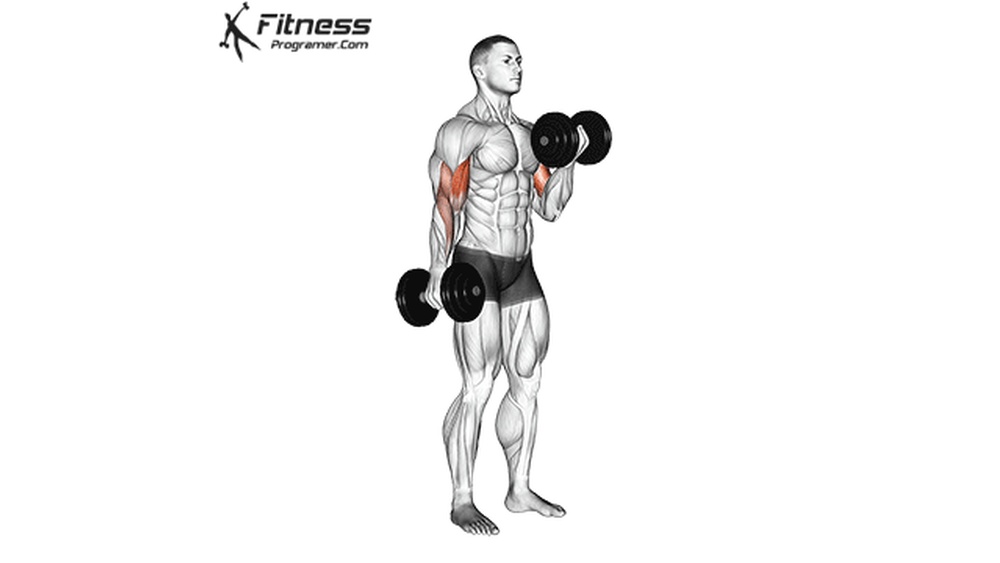
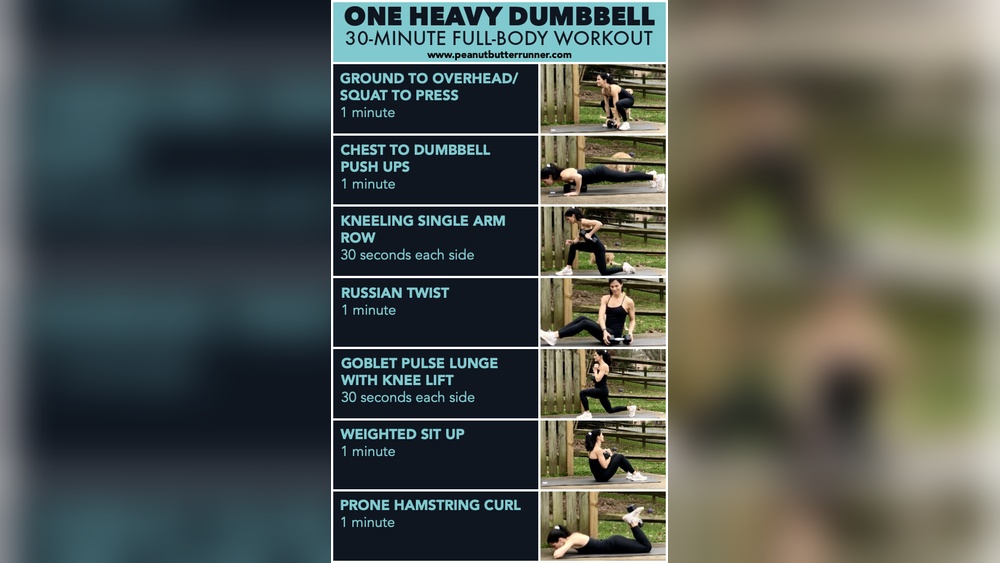
How heavy are the dumbbells you lift? This simple question can reveal a lot about your strength, progress, and workout goals.
Whether you’re just starting out or pushing to break your personal best, knowing the right weight matters more than you think. You’ll discover why the weight you choose impacts your results, how to find the perfect dumbbell for your fitness level, and tips to lift smarter—not just heavier.
Keep reading to unlock the secret to making every rep count.
Choosing The Right Dumbbell Weight
Choosing the right dumbbell weight is key for safe and effective workouts. The correct weight helps build strength without causing injury. Picking dumbbells too heavy or too light slows progress. Finding the right balance makes exercise enjoyable and rewarding.
Factors Influencing Dumbbell Weight
Your age, fitness level, and workout goals affect dumbbell weight. Larger muscles can lift heavier weights. Different exercises need different weights. For example, bicep curls use lighter weights than squats. Fatigue and form also matter when picking weights.
Assessing Your Current Strength Level
Test your strength by trying different dumbbell weights. Choose a weight you can lift 8 to 12 times with good form. The last few reps should feel challenging but doable. Avoid weights that cause pain or poor posture. Keep track of your progress over time.
Common Weight Ranges For Beginners And Pros
Beginners usually start with 3 to 10 pounds dumbbells. This range helps learn movements safely. Intermediate lifters use 10 to 25 pounds weights. Experienced lifters often lift 25 pounds or more. Always increase weight gradually to avoid injury.
Signs You’re Lifting Too Heavy Or Too Light
Choosing the right dumbbell weight is key for better workouts. Picking weights too heavy or too light can slow progress. Knowing the signs helps you adjust your training. This keeps you safe and improves your strength.
Indicators Of Overexertion
Struggling to finish your reps? That might mean the weight is too heavy. Feeling sharp pain or joint discomfort is a warning sign. Your form may break down under too much load. Excessive shaking during lifts shows muscle strain. Overexertion can cause injury and slow recovery.
Signs Of Insufficient Challenge
Finishing sets easily with no muscle fatigue means too light. No sweat or breathlessness suggests low intensity. Your muscles don’t feel tired after workouts. Progress stalls when weights don’t challenge you enough. Consistent ease means it’s time to increase weight.
Balancing Safety And Progress
Pick weights that challenge but don’t harm you. Aim for muscle fatigue near the last reps. Keep good form throughout all movements. Adjust weights gradually to avoid injury. Listen to your body and respect its limits. This balance helps build strength safely and steadily.
Techniques To Measure Your True Strength
Measuring your true strength requires more than just lifting heavy dumbbells. It involves understanding your limits and tracking your improvements. Using the right techniques helps you see real progress and avoid injury. Here are some key methods to measure your strength effectively.
Testing One-rep Max Safely
The one-rep max (1RM) shows the heaviest weight you can lift once with good form. Testing this helps you know your maximum strength. Start with a warm-up using lighter weights. Increase the weight gradually until you reach the heaviest dumbbell you can lift once. Rest well between attempts. Stop if you feel pain or lose form. Never rush the process. Safety is the top priority.
Tracking Progress Over Time
Keep a workout journal to record weights, reps, and how you feel. Check your numbers weekly or monthly. Small increases in weight or reps mean you are getting stronger. Take note of any plateaus. Changes in strength can come from better technique or muscle growth. Tracking helps you stay motivated and adjust your workouts.
Using Repetitions And Sets Effectively
Reps and sets show strength and endurance levels. Lower reps with heavier weights build strength. Higher reps with lighter weights improve muscle endurance. Use 3-5 sets per exercise for best results. Rest between sets to recover. Adjust reps and sets based on your goals. This method gives a clear picture of your current strength.
Credit: m.soundcloud.com
Adjusting Dumbbell Weight For Different Goals
Adjusting dumbbell weight depends on your fitness goals. Different goals require different weights and approaches. Choosing the right weight helps maximize results. It also prevents injury and promotes steady progress.
Strength Building Strategies
Use heavy dumbbells with fewer repetitions. Aim for 4 to 8 reps per set. This builds muscle size and power. Rest longer between sets for full recovery. Focus on slow, controlled movements for best results.
Endurance And Toning Approaches
Select lighter dumbbells with more repetitions. Perform 12 to 20 reps per set. This improves muscle endurance and tone. Shorten rest times between sets to keep muscles active. Use steady pace and maintain good form throughout.
Incorporating Progressive Overload
Gradually increase dumbbell weight over time. This forces muscles to adapt and grow. Add small increments to avoid strain. Track your progress to stay motivated. Progressive overload is key for continuous improvement.
Common Mistakes When Selecting Dumbbell Weight
Selecting the right dumbbell weight matters a lot. Many people make mistakes that slow down progress or cause injuries. Choosing weights without care can harm your body and stop gains. Understanding common errors helps you pick the right dumbbells. This keeps workouts safe and effective.
Ignoring Form And Technique
Using dumbbells that are too heavy often breaks good form. Poor technique can cause pain and injury. Focus on smooth, controlled moves. Start with lighter weights to learn proper form. Good technique builds strength safely.
Skipping Warm-ups And Cool-downs
Warm-ups prepare muscles for lifting dumbbells. They increase blood flow and reduce injury risks. Cool-downs help muscles relax and recover. Skipping these steps can cause stiffness and soreness. Always warm up before and cool down after lifting.
Overlooking Recovery Needs
Muscles need time to rest after lifting dumbbells. Overtraining can lead to fatigue and injury. Pay attention to how your body feels. Rest days and good sleep help muscles grow stronger. Recovery is part of building strength.

Credit: www.youtube.com
Tools And Apps To Track Dumbbell Workouts
Tracking your dumbbell workouts helps you see real progress. Using tools and apps makes this easy and clear. These digital aids record your sets, reps, and weights. They help you plan and adjust your routine over time.
Many tools also offer extra features like reminders and tips. They turn your workout data into useful insights. This keeps you motivated and focused on your goals.
Popular Fitness Trackers
Fitness trackers like Fitbit and Garmin track your movement and heart rate. Some models also track strength training exercises. They sync with apps that log your dumbbell workouts automatically. This saves time and keeps data accurate. Users can see workout trends and improvements easily.
Benefits Of Digital Logging
Logging workouts digitally helps you stay organized. You can note the weight, reps, and sets for each exercise. Apps save this data and show your progress over weeks. Digital logs reduce guesswork and prevent overtraining. They also help set clear, measurable goals for strength gains.
Community And Coaching Support
Many apps include social features for community support. You can join groups or challenges with others who lift dumbbells. This encourages accountability and motivation. Some apps offer coaching tips or virtual trainers. Coaches provide feedback and adjust workouts for better results.
Credit: www.ebay.com
Frequently Asked Questions
How Heavy Should Beginner Dumbbells Be?
Beginners should start with light weights, typically 5 to 15 pounds. This helps build strength and proper form safely.
What Dumbbell Weight Is Best For Muscle Gain?
For muscle gain, choose weights that challenge you in 8-12 reps. Usually, 15 to 30 pounds work well.
How Do I Know If Dumbbells Are Too Heavy?
If you can’t complete 8-12 reps with good form, dumbbells are too heavy. Choose lighter weights to avoid injury.
Can Dumbbell Weight Affect Workout Effectiveness?
Yes, using appropriate dumbbell weight maximizes muscle engagement and growth. Too light or too heavy weights reduce workout benefits.
Conclusion
Choosing the right dumbbell weight matters for progress and safety. Start with a weight that feels challenging but doable. Gradually increase as your strength improves. Listen to your body to avoid injury. Consistency helps build muscle and endurance over time.
Keep your goals in mind during every workout session. Enjoy the process and celebrate small victories. Your fitness journey depends on smart, steady steps. Stay patient and keep lifting with care.