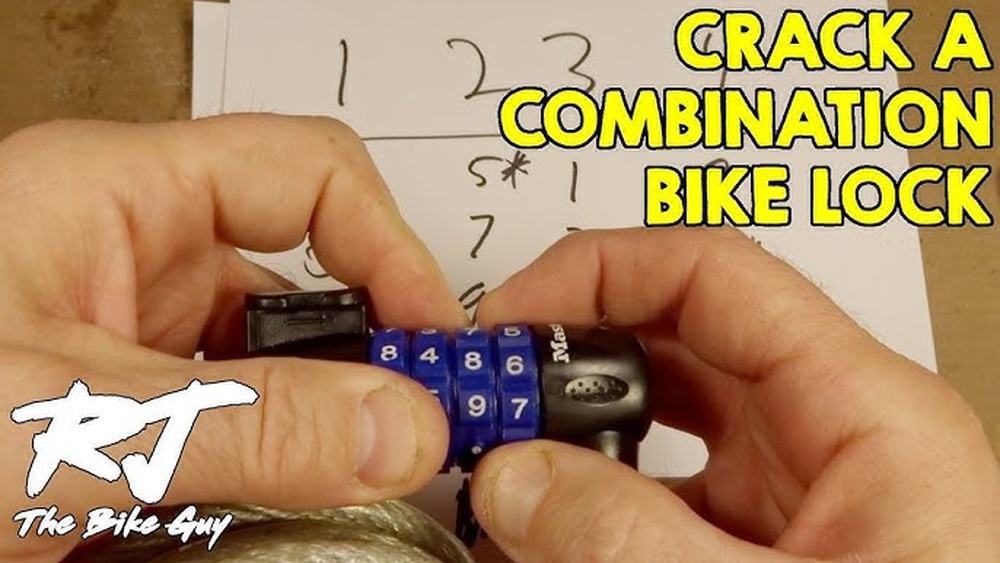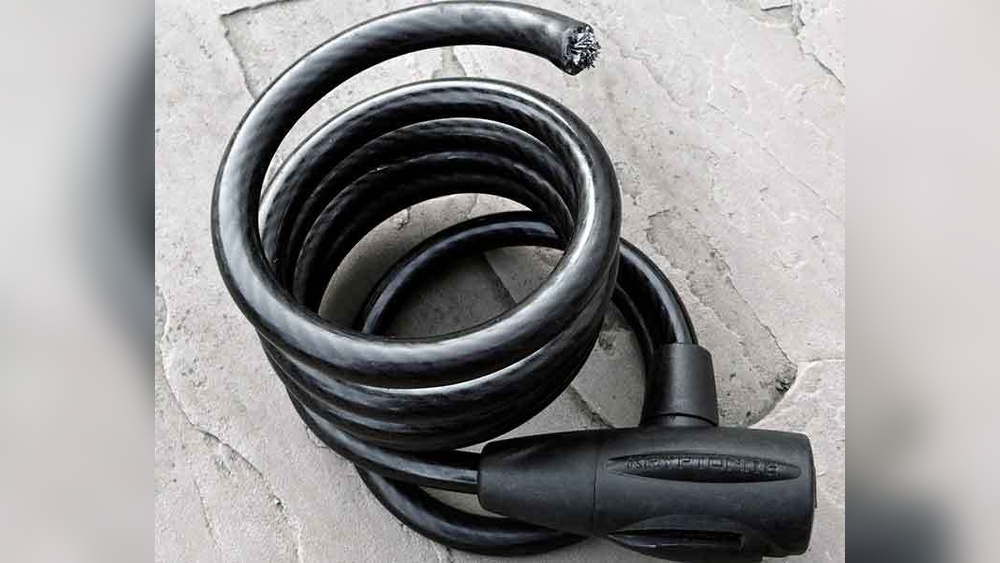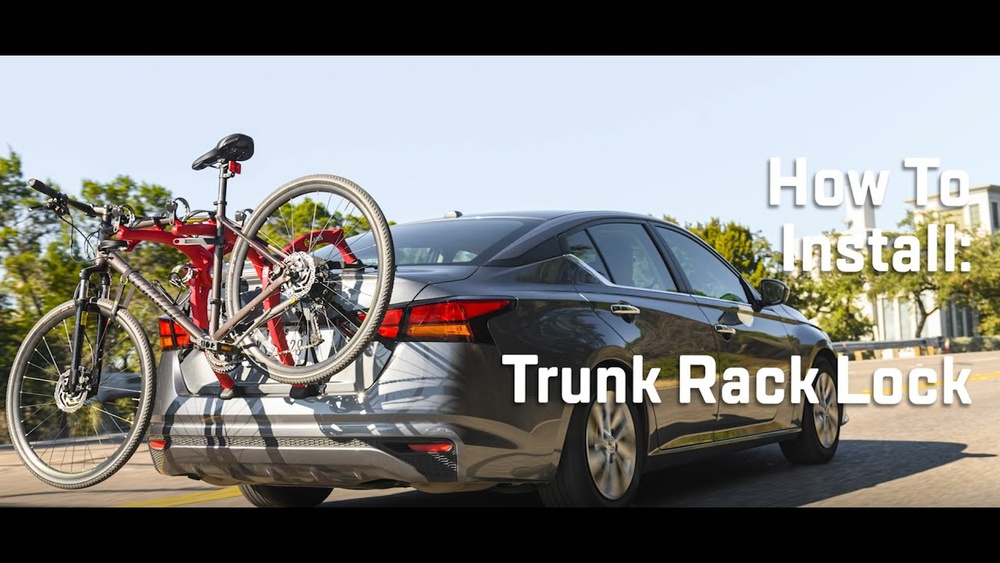
You’ve invested time and money into your bike, so protecting it when you’re on the road is crucial. If you use a trunk rack to transport your bike, knowing how to lock it properly can save you from the frustration and expense of theft.
But locking a bike to a trunk rack isn’t always straightforward—without the right technique, your bike could still be vulnerable. In this guide, you’ll learn simple, effective steps to secure your bike to your trunk rack with confidence. Whether you’re heading out for a quick errand or a long trip, these tips will keep your bike safe and give you peace of mind.
Keep reading to discover how easy it is to lock your bike the right way every time.
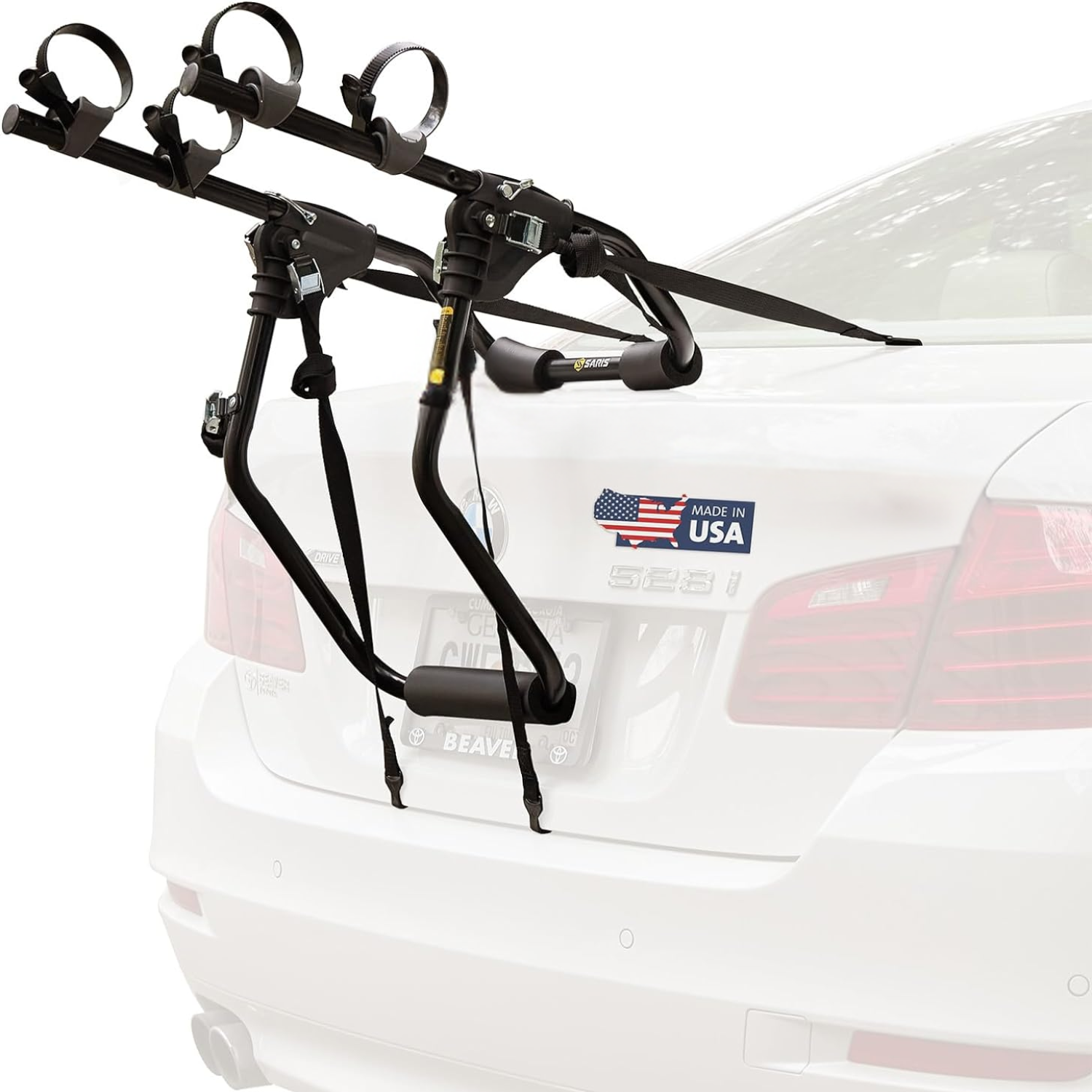
Credit: tuboplastperu.com
Choosing The Right Rack
Choosing the right trunk rack is key to safely carrying your bike. The right rack fits your vehicle well and holds your bike firmly. It also needs to be strong and last long. This section helps you understand how to pick the best rack.
Types Of Trunk Racks
There are several types of trunk racks. Some hold one bike, while others can carry two or three. Some racks use straps to secure the bike, others have cradles or hooks. Choose a style that fits your bike size and how often you travel.
Compatibility With Your Vehicle
Not all racks fit every car. Some are made for sedans, others for SUVs or hatchbacks. Check the rack’s fit guide before buying. A good fit keeps the rack stable and your bike safe while driving.
Material And Durability
Racks come in different materials like steel and aluminum. Steel racks are strong but heavy. Aluminum racks are lighter and resist rust. Choose a material that matches your needs and weather conditions.

Credit: www.youtube.com
Selecting The Best Lock
Choosing the right lock is key to keeping your bike safe on a trunk rack. A good lock stops thieves and gives you peace of mind. Consider the type of lock, its size, and extra security tools. This helps you pick the best option for your bike and rack setup.
U-locks Vs Cable Locks
U-locks are tough and hard to break. They fit around the bike frame and rack tightly. This makes it difficult for thieves to cut them. Cable locks are lighter and flexible. They wrap easily around wheels and parts. But cables can be cut more easily than U-locks. Use a U-lock for main security and a cable lock for extra parts like wheels.
Lock Size And Strength
Pick a lock that fits your bike frame and rack. Too big leaves space for tools to break in. Too small may not fit the frame and rack together. Look for locks made of hardened steel for strength. Check for locks with good reviews on durability. A strong lock resists cutting, pulling, and twisting attacks.
Additional Security Accessories
Consider extra items like locking skewers for wheels and seat posts. They replace quick-release parts with locked ones. Use a bike alarm for noise if someone tampers with your bike. Reflective lock covers protect the lock and make it visible at night. These add layers of security to protect your bike better.
Proper Locking Techniques
Proper locking techniques help protect your bike from theft. Using the right method ensures your bike stays safe on a trunk rack. Focus on securing key parts of the bike. Use strong locks and place them correctly. This section explains how to lock the frame, wheels, and use multiple locks for better security.
Securing The Frame
Always lock the bike frame to the trunk rack first. The frame is the strongest part of the bike. Use a U-lock or heavy-duty lock. Pass the lock through the main triangle of the frame. Attach the lock to a solid part of the trunk rack. This stops thieves from removing the whole bike easily.
Locking The Wheels
Wheels are easy targets for thieves. Lock at least one wheel to the frame or rack. Use a cable or chain lock for this. Loop the lock through the wheel spokes and the frame. Secure the lock tightly to prevent wheel removal. Locking both wheels adds extra protection.
Using Multiple Locks
Use more than one lock for better security. Combine a U-lock with a cable lock if possible. Lock the frame with a U-lock. Use a cable lock for the wheels or seat. Multiple locks make theft harder and take more time. This can discourage thieves and keep your bike safe.
Preventing Common Mistakes
Securing your bike to a trunk rack needs care and attention. Many people make simple errors that reduce security. Avoiding these common mistakes helps keep your bike safe and stable. Here are key points to focus on.
Avoiding Flimsy Anchors
Use strong, solid anchors on your trunk rack. Weak hooks or straps can fail and cause your bike to fall. Check the condition of all straps before each trip. Replace worn or damaged parts immediately. Secure the hooks firmly inside the trunk or hatch. This prevents slipping and keeps the rack steady.
Positioning The Bike Correctly
Place your bike so it sits balanced on the rack. The frame should rest securely without leaning too much to one side. Avoid placing the bike too high or too low on the rack. This helps reduce movement during travel. Tighten all straps and fasteners after positioning. Proper alignment protects your bike and vehicle from scratches.
Locking Quick-release Components
Quick-release wheels and seat posts are easy targets for theft. Always lock these parts separately if possible. Use a cable lock or additional U-lock around quick-release levers. This adds an extra layer of security. If your rack has built-in locks, ensure they engage properly with these components. Double-check all locks before driving off.
Enhancing Security Measures
Securing your bike to a trunk rack is essential to prevent theft and damage. Enhancing security measures helps protect your bike during travel or parking. Simple steps can improve the safety of your bike significantly. Use multiple locking methods and choose safe locations to park.
Using Saddle Locks
Saddle locks secure the bike seat to the frame or rack. This prevents thieves from stealing the seat or quick-release parts. Attach the saddle lock around the seat post and a solid part of the trunk rack. Choose a sturdy, weather-resistant lock for better protection. Saddle locks add an extra layer of security, especially for expensive seats.
Adding Cable Locks For Extra Protection
Cable locks provide flexible and strong security options. Use a cable lock to secure the wheels to the frame or rack. Loop the cable through both wheels and the bike frame. Connect the cable lock to the main lock securing the bike to the trunk rack. This method blocks thieves from removing wheels or parts easily. Cable locks are lightweight and easy to carry.
Parking In Safe Locations
Choose safe, well-lit areas to park your bike with the trunk rack. Avoid isolated or dark spots where thieves can work unnoticed. Park near security cameras or busy places to deter theft. When possible, use designated bike parking zones or guarded areas. Safe parking spots reduce the risk of theft and damage to your bike.

Credit: www.amazon.co.jp
Maintenance And Inspection
Maintaining and inspecting your bike lock and trunk rack ensures safety and longevity. Regular checks help spot problems early. This avoids unexpected issues while on the road. Keep your bike and rack in top shape with simple steps. These steps protect your investment and provide peace of mind.
Checking Lock Integrity
Examine your lock for signs of wear or damage. Look for rust, cracks, or bent parts. Test the locking mechanism to make sure it works smoothly. Replace the lock if it shows weakness or fails to secure properly. A strong lock is key to preventing theft.
Inspecting Rack Stability
Check all rack connections to your vehicle. Tighten loose bolts and straps firmly. Make sure hooks and clamps hold the rack securely. The rack should not move or wobble when shaken. A stable rack keeps your bike safe during travel.
Regular Cleaning And Upkeep
Clean your lock and rack regularly to remove dirt and grime. Use mild soap and water, then dry thoroughly. Lubricate moving parts of the lock with graphite or silicone spray. Avoid oil-based lubricants that attract dirt. Clean gear lasts longer and works better every time.
Frequently Asked Questions
How To Secure A Bike To A Trunk Rack?
Open your trunk slightly and hook the bottom straps inside. Close the trunk on straps, then tighten them securely. Use a U-lock through the bike frame and rack for extra security. Secure wheels with cables if possible. Choose a sturdy rack in a visible, busy area.
How Do You Lock Your Bike To A Bike Rack?
Use a U-lock through the bike frame, rear wheel, and solid rack part. Secure the front wheel with a cable lock. Choose a busy, well-lit location for parking. Avoid flimsy or removable objects for locking.
How Do I Keep My Bike From Being Stolen On My Car Rack?
Use a sturdy U-lock through your bike frame, rear wheel, and car rack. Secure the front wheel with a cable lock. Park in well-lit, busy areas and avoid flimsy objects. Lock your saddle if it has quick-release features for extra security.
How To Secure Your Bike On A Car Bike Rack?
Secure your bike by locking the frame and rear wheel to the rack with a U-lock. Use a cable lock for the front wheel. Choose a sturdy rack in a well-lit, busy area. Avoid flimsy objects and consider locking the saddle if it has quick-release parts.
Conclusion
Securing your bike to a trunk rack keeps it safe during travel. Use a sturdy U-lock through the frame and wheel. Add a cable lock for extra protection on the other wheel. Always attach locks to solid parts of the rack.
Check that straps hold the rack tightly to your trunk. Simple steps help prevent theft and damage. Remember, careful locking means peace of mind on every trip. Keep practicing these tips for secure bike transport every time.