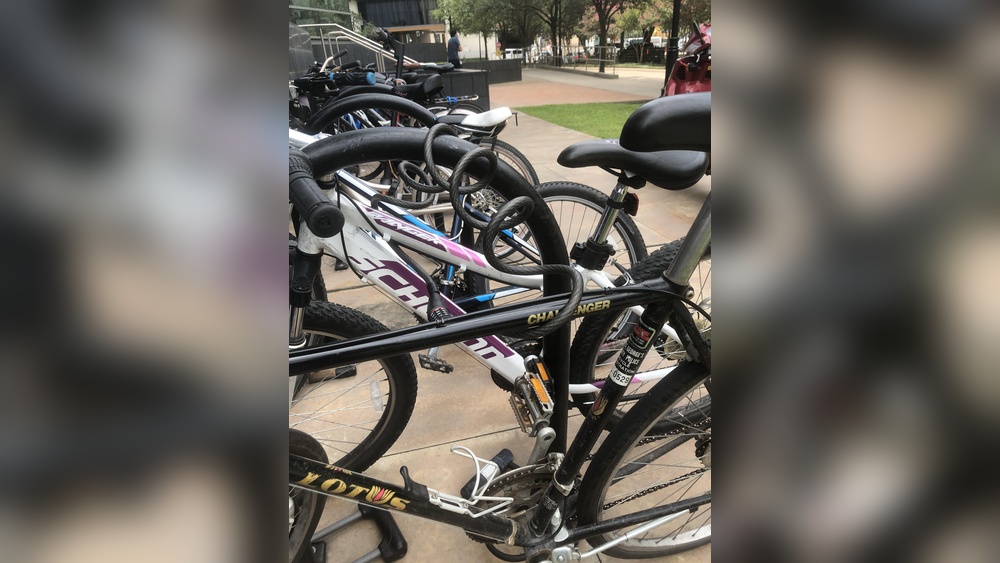
You’ve just found your bike locked up tight, but now you need to remove the steel cable lock quickly and safely. Whether you’ve lost your keys, inherited a stubborn lock, or need to free your bike in an emergency, knowing how to cut a steel cable bike lock can save you time and frustration.
In this guide, you’ll discover the best tools and simple techniques to make the job easier, even if you’re not an expert. Keep reading, because by the end, you’ll have the confidence to handle any stubborn cable lock with ease.
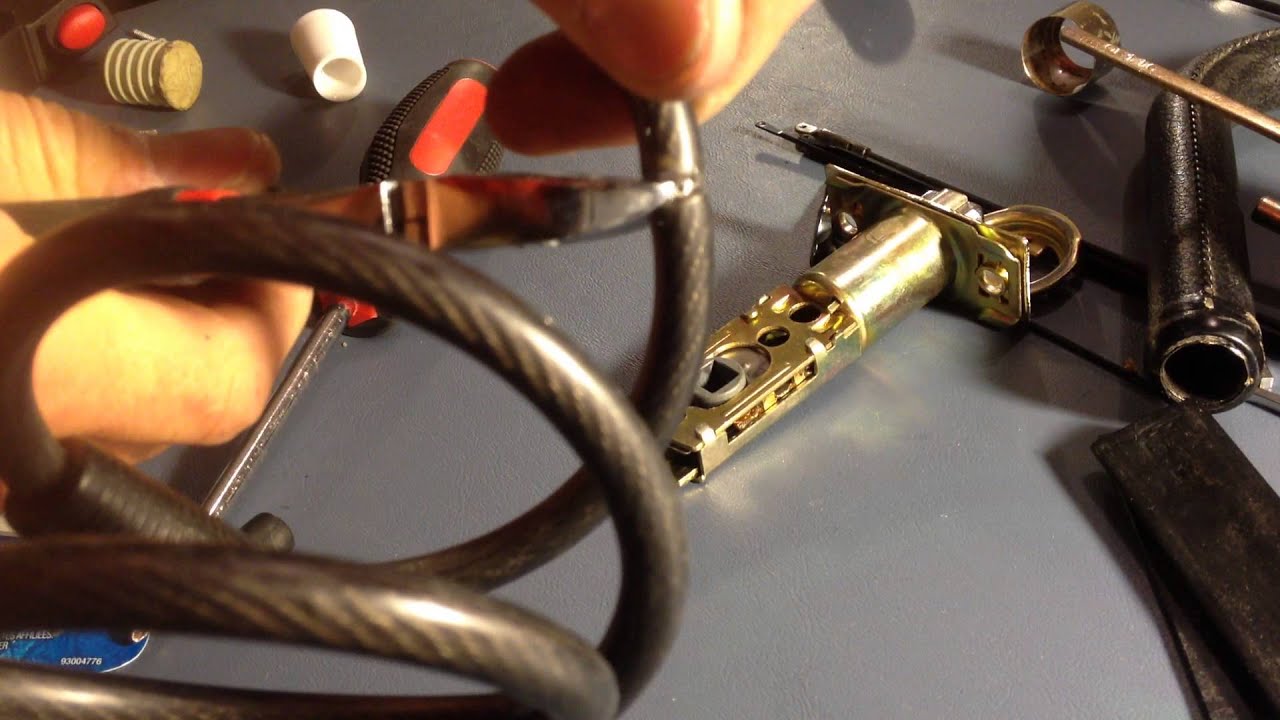
Credit: www.youtube.com
Tools For Cutting Cable Locks
Cutting a steel cable bike lock requires the right tools for the job. Different tools offer different levels of ease and effectiveness. Knowing which tools work best can save time and effort. Some tools are simple and common, while others need more strength or power. Below are the main tools you might use to cut cable locks.
Bolt Cutters
Bolt cutters are the most common tool for cutting steel cable locks. They have long handles and sharp jaws. The long handles give strong leverage to cut through thick cables. Bolt cutters come in various sizes. Larger models offer more cutting power but may be heavier to handle. For most cable locks, a medium-sized bolt cutter works well. They are easy to use and require minimal effort.
Wire Cutters And Pliers
Wire cutters and pliers can cut thinner cable locks. They are smaller and more portable than bolt cutters. Wire cutters have sharp edges designed to slice wire cleanly. Pliers with cutting edges can work but may need more force. These tools suit lighter cables or coated wires. They are not ideal for thick steel cables but can handle weaker locks.
Using A Grinder
A grinder is a power tool that can cut through almost any cable lock. It uses a spinning disc to grind and slice metal quickly. Grinders work fast and require less physical strength. They produce sparks and noise, so safety gear is important. Wear gloves and goggles to protect yourself. Grinders are useful if the lock is very strong or thick.
Alternative Household Tools
Some household tools can help cut cable locks in a pinch. Hacksaws can slowly cut through cables with steady effort. Heavy-duty scissors or garden shears might work on very thin wires. Even a strong knife can sometimes cut the plastic coating to expose the metal inside. These tools are less effective and take more time. Use them only if better tools are not available.

Credit: www.amazon.com
Preparing The Lock
Preparing a steel cable bike lock for cutting requires careful steps. These steps make the cutting process easier and safer. Before using any tools, you must prepare the lock properly. This section covers key preparation tasks. Follow these to get ready for cutting.
Removing Plastic Coating
Most steel cable locks have a plastic coating. This coating protects the cable and prevents rust. Removing it helps you see the steel strands clearly. Use a sharp knife or scissors carefully. Cut along the cable without damaging the metal inside. Peel off the plastic slowly. This exposes the steel wire for easier cutting.
Identifying Weak Points
Look closely at the exposed steel cable. Notice any areas that look thinner or worn out. These spots are easier to cut. Twists or bends in the cable can also be weak points. Mark these areas with a marker or tape. Targeting weak points reduces effort and tool damage. Avoid cutting near the lock mechanism, which is harder to break.
Safety Gear Essentials
Cutting steel cables can cause sharp metal shards to fly. Protect your eyes with safety goggles. Wear thick gloves to shield your hands from cuts. Long sleeves and pants add extra protection. Use ear protection if you use loud power tools. Proper safety gear keeps you safe and injury-free. Never skip this step before cutting.
Cutting Techniques
Cutting a steel cable bike lock needs the right technique to be effective. Using correct cutting methods reduces effort and speeds up the process. Focus on how you handle the tool and the lock. This section explains key cutting techniques for better results.
Wobble Back And Forth Motion
Start by moving the cutting tool in a wobble motion. Shift the blade gently from side to side. This action helps weaken the cable strands evenly. Avoid strong or sudden moves that may damage your tool. Keep the motion slow and controlled for best effect.
Applying Steady Pressure
Push the cutting tool firmly but steadily into the cable. Do not rush or force the tool too hard. Steady pressure wears down the steel wires step by step. Take breaks if needed to avoid overheating the tool. Consistent force keeps the cut clean and smooth.
Using Twisting Motions
Once the cable starts to give, use a twisting motion with your hands. Turn the tool slightly while pressing down. This helps break the cable strands apart more quickly. Twisting also reduces the risk of the blade slipping off. Combine twisting with steady pressure for faster cuts.
Finishing Cuts With Smaller Tools
After the main cut, use smaller cutting tools for fine work. Needle-nose pliers or wire cutters work well here. These tools can slice through remaining thin wires cleanly. Smaller tools help avoid rough, sharp edges on the cable ends. Finish carefully to make the lock easy to remove.
Dealing With Tough Locks
Dealing with tough steel cable bike locks requires patience and the right tools. These locks are made to resist cutting, which can make the process challenging. Understanding how to handle thick cables, use power tools safely, and recognize when to call a locksmith is essential. This knowledge helps you save time and avoid injury.
Handling Thick Steel Cables
Thick steel cables are harder to cut because they have multiple strands twisted tightly. Standard wire cutters often fail on these cables. Use heavy-duty bolt cutters with long handles for better leverage. Position the cutters as close to the lock as possible. Apply steady pressure and avoid jerky movements to prevent slipping.
Always wear protective gloves and goggles. The steel strands can snap and cause injury. Work in a well-lit area to see the cable clearly. Keep your fingers away from the cutting edge for safety.
Using Power Tools Safely
Power tools like angle grinders or rotary tools cut through steel cables quickly. Choose a tool with a cutting disc designed for metal. Secure the bike lock on a stable surface before cutting. This reduces movement and improves accuracy.
Wear safety gear: gloves, goggles, and ear protection. Sparks and metal shards fly during cutting. Work in an open space to avoid fire hazards. Turn off the tool and unplug it when changing discs or adjusting the setup.
When To Call A Locksmith
Some locks resist all cutting attempts. If your tools can’t make a dent, it’s time to call a locksmith. Professionals have specialized tools and skills. They can remove locks quickly without damaging your bike.
Trying to cut a very tough lock can waste time and cause injury. Locksmiths can help in emergencies or when the lock is part of a security system. Always choose a licensed locksmith for reliable service.
Safety Tips
Cutting a steel cable bike lock requires caution and respect for safety. Taking the right precautions protects your body and others nearby. Safety measures reduce injury risk and make the task easier.
Focus on personal protection, controlling sparks, and handling tools correctly. These steps ensure a safer cutting process.
Protective Eyewear And Gloves
Always wear protective eyewear to shield your eyes from flying debris. Steel fragments can cause serious eye injuries. Use sturdy gloves to protect your hands from sharp edges and hot surfaces. Gloves also improve grip and control over cutting tools.
Avoiding Sparks And Heat
Cutting steel cable generates sparks and heat. Sparks can ignite nearby flammable materials. Clear the area of any such items before starting. Work in a well-ventilated place to avoid inhaling smoke or fumes. Keep a fire extinguisher or water source nearby as a precaution.
Proper Handling Of Tools
Use the right tools, such as bolt cutters or wire cutters, designed for steel cables. Check tools for damage before use. Hold tools firmly and cut slowly to maintain control. Avoid forcing the tools; let the blades do the work. Store tools safely after use to prevent accidents.
Preventing Future Lock Issues
Preventing issues with your bike lock saves time and stress. Good habits and smart choices keep your lock strong and reliable. Focus on durability, care, and smart lock use. These steps help protect your bike better.
Choosing Durable Locks
Pick locks made from tough materials like hardened steel. Avoid cheap cable locks that cut easily. U-locks and chain locks offer better security. Check lock reviews before buying. A strong lock lasts longer and resists cutting tools.
Regular Maintenance
Clean your lock often to stop dirt buildup. Lubricate the keyhole with graphite or oil yearly. Check for rust or damage regularly. Fix small problems before they worsen. Well-maintained locks work smoothly and last longer.
Lock Placement Strategies
Lock your bike to fixed, sturdy objects. Avoid thin poles or trees that can be cut. Position the lock away from the ground to prevent leverage attacks. Keep the lock tight around the bike and object. Smart placement makes cutting the lock harder.

Credit: www.amazon.com
Frequently Asked Questions
How To Cut A Steel Cable Lock?
Use bolt cutters or heavy-duty wire cutters to cut through the steel cable lock. Wear safety gear and apply steady pressure. Twist the cable while cutting to ease the process. Avoid using pliers alone, as they may not cut thick steel cables efficiently.
What Can I Use To Cut A Bike Cable Lock?
Use bolt cutters, wire cutters, or strong pliers with a sharp edge to cut a bike cable lock quickly and effectively.
How To Cut Steel Cable Without Wire Cutters?
Use strong pliers or bolt cutters to twist and slice the steel cable. A cordless grinder works well too. Always wear safety gear.
Will A Grinder Cut A Cable Lock?
Yes, a grinder can cut a cable lock quickly and effectively. Always wear safety gear to protect from sparks and heat.
Conclusion
Cutting a steel cable bike lock takes the right tools and patience. Bolt cutters or strong wire cutters work best. Always protect your hands and eyes during the process. Remember, steel cables resist cutting due to their tough design. Practice caution and stay safe while working.
Knowing how to cut these locks can help in emergencies or when keys are lost. Use this knowledge responsibly and respect others’ property. Keep your bike secure with the right lock to avoid cutting it in the future. Stay prepared, stay safe, and protect your ride well.