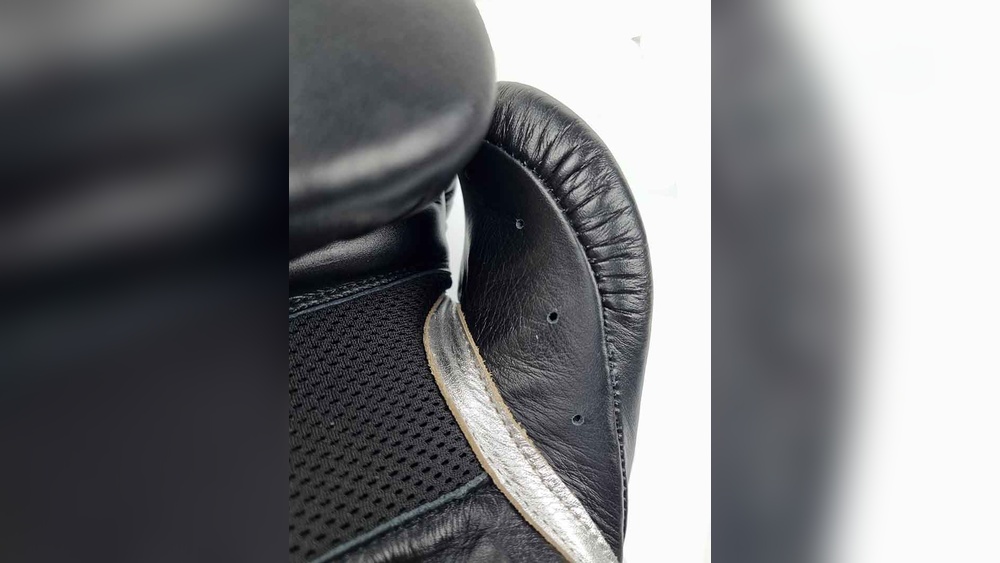
Finding the perfect fit for your boxing gloves is more important than you might think. If your gloves are too tight, they’ll restrict your movement and cause discomfort.
Too loose, and you risk injury or reduced performance. You want gloves that feel like a natural extension of your hands—secure, comfortable, and protective. But how do you make sure you get that ideal fit every time? You’ll learn simple, practical steps to measure your hands, understand glove sizes, and pick the right gloves for your body weight and training style.
Read on to discover how to fit boxing gloves perfectly and boost your confidence and safety in the ring.
Measuring Your Hand
Measuring your hand is the first step to finding boxing gloves that fit well. Proper measurement ensures comfort and protection during training or fights. A good fit helps prevent injuries and improves performance. Use simple tools and follow clear steps for accurate results.
Using A Tape Measure
Start with a flexible tape measure designed for sewing. Wrap it around your dominant hand. Place it just below your knuckles, excluding the thumb. Keep the tape snug but not tight. Read the measurement in inches or centimeters. This number is your hand circumference. It helps determine the right glove size. If you do not have a tape measure, use a string and measure it against a ruler.
Measuring Knuckle Circumference
Focus on the widest part of your hand, across your knuckles. Make a loose fist to identify this spot. Wrap the tape measure around your knuckles, avoiding the thumb. This measurement shows how much space your glove needs to cover your hand. Write down the number and compare it to glove size charts. Accurate knuckle circumference measurement helps you pick gloves that fit well and feel comfortable.
Consulting Size Charts
Consulting size charts is a key step in fitting boxing gloves properly. Size charts help match your hand measurements to the glove size that fits best. Each brand uses different sizing methods, so checking their charts is essential. This ensures comfort and safety during training or sparring.
Brand Variations
Boxing glove sizes are not standard across brands. A medium in one brand may feel tight or loose in another. Some brands use numbers like 10 oz or 12 oz, while others use letters like S, M, L. Always check the brand’s size chart to see what their sizes mean. This avoids buying gloves that do not fit well or protect adequately.
Matching Measurements
Start by measuring the circumference of your dominant hand around the knuckles. Use a flexible tape or a string to do this. Compare your measurement to the size chart of the glove brand. Choose the size that matches your hand size closely. Also, consider the glove weight in ounces, which affects padding and fit. Properly matched gloves improve your performance and reduce injury risk.
Considering Body Weight
Choosing the right boxing gloves involves more than just hand size. Body weight plays a key role in finding gloves that fit well and protect your hands. Gloves that match your weight help balance comfort, protection, and performance during training or fights.
General Weight Guidelines
Boxing gloves come in different weights measured in ounces (oz). The weight usually ranges from 8 oz to 16 oz. Lighter gloves, like 8 oz or 10 oz, suit lighter body weights and speed training. Heavier gloves, such as 14 oz or 16 oz, are better for heavier people or sparring sessions.
Here is a simple guideline based on body weight:
- Under 120 lbs: 8 oz to 10 oz gloves
- 120 to 150 lbs: 10 oz to 12 oz gloves
- 150 to 180 lbs: 12 oz to 14 oz gloves
- Over 180 lbs: 14 oz to 16 oz gloves
Impact On Glove Size
Body weight affects the glove’s padding and size. Heavier people need more padding to protect their hands and their sparring partners. Larger gloves provide extra cushioning and reduce injury risk. Smaller gloves suit lighter individuals by allowing more speed and flexibility.
Using gloves too light for your weight may cause hand injuries. Too heavy gloves can slow down your punches and tire your arms faster. Choosing gloves by body weight ensures the right balance for your training needs.
Choosing Glove Weight
Choosing the right glove weight is key for comfort and performance. Gloves come in various weights, measured in ounces. The weight affects protection, speed, and stamina. Picking the correct glove weight depends on your training type. Here is a simple guide to help you understand which glove weight suits different activities.
Weights For Bag Work
Bag work gloves are usually lighter. They range from 8 to 12 ounces. Lighter gloves allow faster punches and better hand speed. They provide less padding since the focus is on impact. Choose gloves that feel snug but not tight. This helps improve your punching technique and endurance.
Weights For Sparring
Sparring gloves are heavier, often 14 to 16 ounces. They have extra padding to protect you and your partner. Heavier gloves reduce the risk of injury during practice fights. They slow your punches slightly but increase safety. Use gloves that fit well and cushion your knuckles properly.
All-purpose Gloves
All-purpose gloves balance weight and protection. They usually weigh 12 to 14 ounces. These gloves work for both bag work and light sparring. They offer good padding and decent speed. If you want one glove for different training types, this is the best choice. Make sure they fit comfortably and feel secure on your hands.
Trying On Gloves
Trying on boxing gloves is an essential step to ensure they fit properly. A good fit protects your hands and improves your performance. You need to check how the gloves feel before buying or training. This process includes wearing hand wraps, checking fit and comfort, and adjusting wrist straps.
Wearing Hand Wraps
Always wear hand wraps before trying on gloves. Wraps add padding and support to your hands. They protect your knuckles and wrists from injury. Gloves should fit snugly over the wraps without feeling too tight. Trying gloves without wraps can give a false fit. Put on wraps carefully and then slide your hand into the glove.
Checking Fit And Comfort
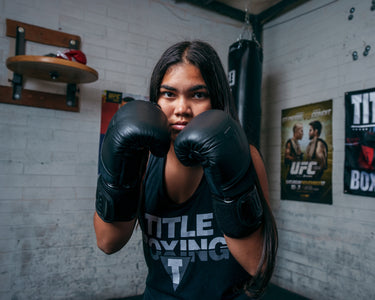
The gloves should feel snug but not too tight. Your fingers should reach the glove’s end without extra space. Make a fist inside the glove to test comfort. There should be no pinching or pressure points. Move your hand around to ensure flexibility. Gloves that are too loose can cause injury. Too tight gloves restrict blood flow and cause discomfort.
Adjusting Wrist Straps
Secure the wrist straps firmly for support. The straps stabilize your wrist during punches. Tighten the strap so your wrist feels locked but not painful. Loose straps reduce protection and increase injury risk. Check that the glove does not slide on your hand. Adjust the straps as needed for a secure fit before each training session.
Credit: www.titleboxing.com
Checking Glove Fit
Checking the fit of your boxing gloves is a key step before every training session or match. Proper fit ensures comfort, protects your hands, and improves performance. Gloves that fit well feel secure but allow natural movement. Pay close attention to how snug the gloves are, where your fingers rest, and the position of your thumb inside the glove. These factors help you avoid injury and maintain control.
Snugness Without Tightness
Your gloves should fit snugly around your hand without feeling tight. Too tight can cut off circulation and cause discomfort. Gloves that are too loose can slip during punches and reduce protection. Aim for a firm fit that holds your hand in place but still allows slight movement. You should feel support without any pinching or pressure points.
Finger Placement
Check that your fingers fit comfortably inside the glove. They should lie flat and close together without being cramped. Avoid excess space around your fingers, which can cause your hand to slide. Your fingers should be able to curl naturally to form a proper fist. Proper finger placement helps you punch with power and reduces the risk of injury.
Thumb Position
The thumb should rest in its own padded compartment inside the glove. It should not feel squished or forced against your hand. A correct thumb position supports your wrist and prevents thumb injuries. Your thumb should stay in a natural, slightly curved position. Avoid gloves that push your thumb too far forward or sideways.
Glove Types And Styles
Choosing the right boxing gloves means understanding the types and styles available. Gloves vary by purpose and material. Knowing these differences helps you find a glove that fits well and feels comfortable. Proper fit protects your hands and improves your performance.
Training Vs Competition Gloves
Training gloves have more padding to protect your hands during long sessions. They usually weigh between 12 to 16 ounces. These gloves cushion your knuckles and wrists, reducing injury risk.
Competition gloves are lighter, often 8 to 10 ounces. They allow faster punches and better control. The padding is thinner, so you must have good technique and hand strength. Competition gloves fit tighter to reduce movement inside the glove.
Material Differences
Boxing gloves come in leather or synthetic materials. Leather gloves are durable and last longer. They also offer better comfort and breathability. Leather gloves tend to be more expensive but are worth the investment.
Synthetic gloves are cheaper and lighter. They require less care but wear out faster. Good synthetic gloves can still provide solid protection for beginners and casual boxers. Choose material based on budget and frequency of use.

Credit: www.maxxproboxing.com
Common Fitting Mistakes
Choosing the right boxing gloves is not always easy. Many people make mistakes while fitting gloves. These errors can affect comfort, protection, and performance. Understanding common fitting mistakes helps avoid problems during training or fights.
Oversized Gloves
Wearing gloves that are too big causes poor control. Your hand moves inside the glove, increasing injury risk. Oversized gloves also reduce punching power. They feel loose and uncomfortable, making training less effective. Choose gloves that fit snugly but allow finger movement.
Ignoring Weight Purpose
Boxing gloves come in different weights, usually measured in ounces. Each weight suits a different activity. Heavy gloves provide more padding for sparring. Lighter gloves help with speed and bag work. Using the wrong weight can cause hand fatigue or injury. Pick gloves that match your training needs.
Skipping Hand Wraps
Some boxers skip hand wraps when fitting gloves. Hand wraps add extra support and protection. They help secure your wrist and knuckles. Without wraps, gloves may feel too tight or loose. Always wear hand wraps before trying on gloves. This ensures a better fit and safer training.
Maintaining Glove Comfort
Maintaining the comfort of your boxing gloves is essential for a better training experience. Well-maintained gloves fit better and protect your hands more effectively. Comfort inside the gloves helps prevent injuries and keeps your focus on training. Follow simple steps to keep your gloves feeling fresh and soft.
Breaking In New Gloves
New boxing gloves can feel stiff and tight at first. Break them in by wearing them during light training sessions. Punch bags or shadow boxing works well for this. This softens the padding and shapes the gloves to your hands. Avoid heavy sparring until the gloves feel more flexible. This process improves comfort and glove fit over time.
Proper Storage
Store your boxing gloves in a cool, dry place after each use. Avoid leaving them in your gym bag for long periods. This causes moisture buildup and bad smells. Use a glove dryer or place them near a fan to air out. Proper storage prevents damage to the padding and lining. It also keeps the gloves fresh and comfortable for your next workout.
Regular Cleaning
Cleaning your gloves regularly helps maintain hygiene and comfort. Wipe the inside with a clean cloth after each use. Use a mild disinfectant spray to kill bacteria and reduce odor. Remove any hand wraps and wash them frequently. Occasionally, use glove deodorizers or baking soda inside the gloves. Clean gloves last longer and feel better during training sessions.

Credit: www.smai.com
Frequently Asked Questions
How Do You Know What Size Boxing Gloves To Get?
Measure your dominant hand’s circumference below the knuckles. Match it to the brand’s size chart. Consider your body weight and training type. Choose heavier gloves for sparring and lighter ones for bag work. Always try gloves on with hand wraps for a snug, comfortable fit.
Are 14oz Gloves Bigger Than 12oz?
Yes, 14oz gloves are bigger and offer more padding than 12oz gloves. They provide better protection for sparring.
Should I Get 12 Oz Or 16 Oz Boxing Gloves?
Choose 12 oz gloves for speed and bag work; select 16 oz gloves for more padding and sparring protection. Match glove weight to training needs.
Why Is Mike Tyson Using 14 Oz Gloves?
Mike Tyson uses 14 oz gloves mainly for added hand protection during sparring. They reduce injury risk while maintaining comfort and control.
Conclusion
Choosing the right boxing gloves takes a bit of care and attention. Measure your hand and use the brand’s size chart to find a good fit. Remember, gloves should feel snug but not tight, allowing comfortable finger movement. Consider your body weight and the type of training you plan to do when picking glove weight.
Properly fitted gloves protect your hands and improve your performance. Take your time, and you will find gloves that feel just right for you. This simple step helps you enjoy boxing safely and confidently.