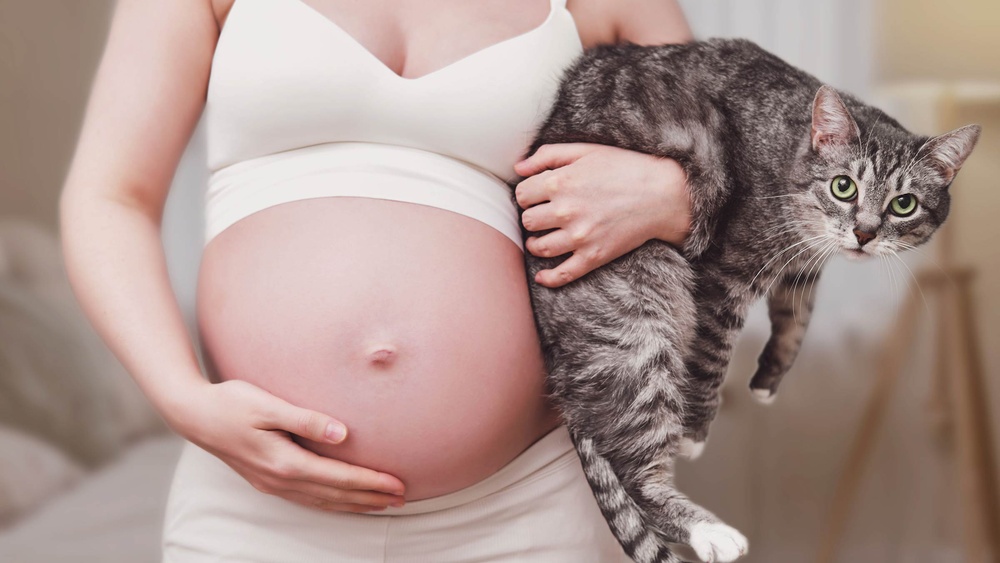
If you’re pregnant and have a cat, you might be wondering if it’s safe to clean the litter box—even with gloves on. You want to protect your baby and yourself, but you also don’t want to ignore your furry friend’s needs.
This question is more important than you might think because certain risks can affect your pregnancy. Keep reading to find out what you need to know to stay safe while taking care of your cat. Your health and your baby’s health come first, and the right information can help you make the best choice.
:quality(75))
Credit: manypets.com
Risks Of Cleaning Litter Boxes During Pregnancy
Cleaning a litter box during pregnancy carries health risks. Pregnant women must be careful because some infections can harm both mother and baby. Understanding these risks helps in making safe choices. Gloves can reduce some dangers but not all.
Germs and parasites in cat feces cause infections. Some infections are mild, but others can cause serious problems. Knowing these risks is important for every pregnant woman around cats.
Toxoplasmosis And Its Impact
Toxoplasmosis is a common infection from cat feces. It can cause flu-like symptoms or no symptoms at all. For unborn babies, it can lead to severe health issues. Problems include brain damage, vision loss, or miscarriage. Pregnant women must avoid exposure to this parasite.
Other Potential Infections
Besides toxoplasmosis, other infections can come from litter boxes. Bacterial infections like Salmonella and Campylobacter are possible. These cause stomach pain, diarrhea, and fever. Pregnant women with weakened immune systems are more at risk. Keeping clean hands and gloves helps lower chances.
How Parasites Are Transmitted
Parasites spread through contact with contaminated cat feces. Parasite eggs enter the body by touching the litter and then touching the mouth. Cleaning with bare hands increases this risk. Gloves act as a barrier but must be removed carefully. Washing hands thoroughly after cleaning is essential.
Role Of Gloves In Safety
Gloves play a key role in keeping pregnant women safe when cleaning a litter box. They act as a barrier that stops harmful germs and parasites from touching the skin. Using gloves lowers the risk of infections that can be dangerous during pregnancy. This simple step helps protect both the mother and the baby.
Effectiveness Of Gloves Against Parasites
Parasites like Toxoplasma gondii can hide in cat litter. This parasite causes toxoplasmosis, a serious infection for pregnant women. Gloves block direct contact with infected litter. They reduce the chance of the parasite entering the body through small cuts or breaks on the skin. Gloves cannot fully guarantee safety but greatly lower infection risks.
Proper Glove Usage Tips
Wear gloves before touching the litter box. Make sure gloves cover the entire hand and wrists. Avoid touching your face or other surfaces while wearing gloves. After cleaning, carefully remove gloves by turning them inside out. Dispose of gloves immediately in a sealed bag. Wash hands thoroughly with soap and water after removing gloves.
Choosing The Right Gloves
Use disposable gloves made from latex, nitrile, or vinyl. These materials offer good protection against parasites and germs. Avoid cloth gloves as they can absorb contaminants. Pick gloves that fit well, not too loose or tight. Proper fit helps prevent tears and keeps hands safe. Choose gloves labeled for medical or cleaning use for best results.
Safe Cleaning Practices
Cleaning a litter box during pregnancy needs careful attention. Safe cleaning practices help protect both mother and baby. Following simple steps can reduce health risks linked to cat waste. Wearing gloves is a good start, but more care is required.
Frequency And Timing Recommendations
Clean the litter box daily to avoid bacteria buildup. Do not wait for days between cleanings. Choose a time when you feel well and rested. Avoid cleaning if you feel tired or sick. Daily cleaning keeps odors down and reduces infection chances.
Cleaning And Disinfecting The Litter Box
Use gloves every time you handle the litter box. Scoop out waste carefully and dispose of it in a sealed bag. Wash the box with warm water and mild soap at least once a week. Avoid harsh chemicals that may harm you or your cat. Let the box dry fully before adding fresh litter.
Hand Hygiene After Cleaning
Remove gloves carefully to avoid touching the outside. Wash your hands with soap and warm water right after cleaning. Clean under nails and between fingers well. Use a hand sanitizer if soap is unavailable. Proper hand hygiene stops germs from spreading in your home.

Credit: caryobgyn.com
Alternative Solutions For Pregnant Women
Pregnancy requires extra care, especially around cat litter. Cleaning a litter box can expose women to harmful bacteria. Finding safe alternatives helps protect both mother and baby. Several easy options reduce risk and keep homes clean.
Assigning Litter Box Duties
Ask a family member or friend to clean the litter box. Sharing this task lowers health risks for pregnant women. Clear instructions help others keep the box clean. Regular cleaning prevents buildup of harmful germs.
Self-cleaning Litter Boxes
Self-cleaning litter boxes automate waste removal. These devices use sensors to clean after the cat uses it. They reduce contact with waste and make cleaning easier. Investing in one can save time and protect health.
Using Disposable Litter Liners
Disposable liners fit inside the litter box. They catch waste and make cleanup simpler. After use, just remove and throw away the liner. This method limits direct contact with litter and waste. It keeps the box cleaner longer.
When To Consult A Doctor
Pregnant women often wonder about the safety of cleaning a litter box, even while using gloves. Knowing when to seek medical advice is important. Certain signs may indicate an infection, which needs prompt attention. Understanding the symptoms and available tests helps protect both mother and baby.
Symptoms Of Toxoplasmosis
Toxoplasmosis is an infection caused by a parasite found in cat feces. Symptoms can be mild or unnoticed. Some pregnant women may experience flu-like symptoms. These include fever, muscle aches, and swollen glands. Severe cases can harm the unborn baby. Contact a doctor if you notice these signs.
Preventive Testing During Pregnancy
Doctors may recommend testing for toxoplasmosis early in pregnancy. This helps detect infections before symptoms start. Testing involves a simple blood test. It checks for antibodies to the parasite. Early detection allows for timely treatment. Always follow your healthcare provider’s advice about testing.

Credit: caryobgyn.com
Frequently Asked Questions
Can A Pregnant Woman Safely Clean A Litter Box?
Yes, a pregnant woman can clean a litter box if she wears gloves and washes hands thoroughly afterward. This helps prevent toxoplasmosis, a harmful infection for pregnancy.
Why Is Cleaning Litter Boxes Risky During Pregnancy?
Cleaning litter boxes is risky due to toxoplasmosis, a parasite found in cat feces. It can harm the unborn baby if transmitted.
Are Gloves Enough Protection When Cleaning Litter Boxes?
Gloves reduce risk but don’t eliminate it. Pregnant women should also wash hands well and avoid touching their face during cleaning.
What Precautions Should Pregnant Women Take With Litter Boxes?
Pregnant women should wear disposable gloves, clean litter daily, wash hands immediately, and avoid stirring dust while scooping cat waste.
Conclusion
Pregnant women can clean a litter box safely by wearing gloves. Gloves help reduce the risk of germs and parasites. It is best to wash hands well after cleaning. Avoid touching your face during the task. If possible, ask someone else to help with the litter box.
Taking these small steps keeps both mother and baby safe. Staying cautious and clean matters a lot during pregnancy. It’s a simple way to protect health without giving up pet care. Safety first, always.