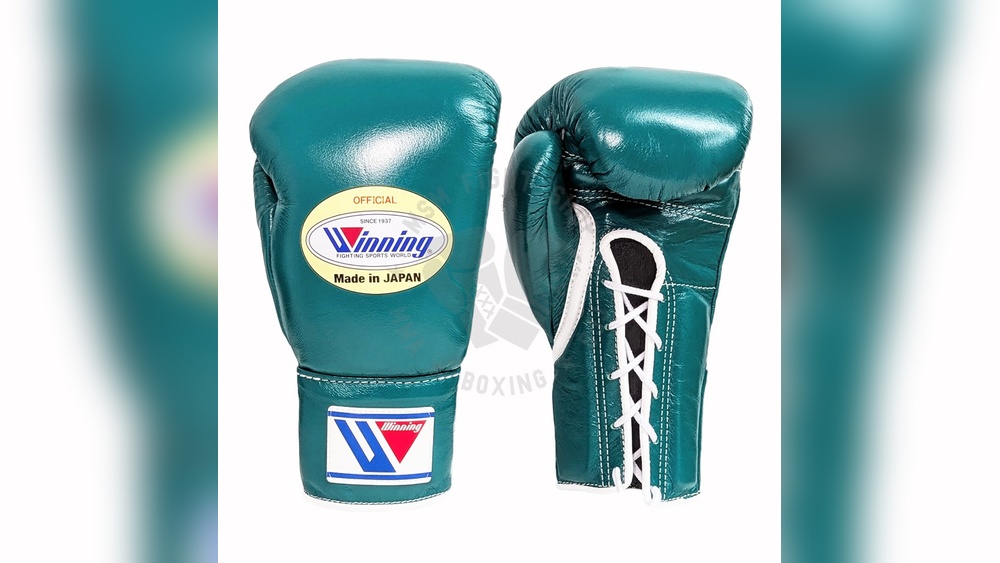
Have you ever wondered just how big competition boxing gloves really are? Whether you’re stepping into the ring for the first time or just curious about the gear pros use, knowing the size of these gloves can make a big difference.
Your comfort, speed, and even safety depend on choosing the right glove size. Keep reading, and you’ll discover everything you need to know about competition boxing glove sizes—so you can make the best choice for your boxing journey.
Boxing Glove Sizes
Boxing glove sizes vary based on purpose and user needs. Choosing the right glove size affects safety, comfort, and performance. Sizes help protect hands and opponents during training and matches. Understanding glove sizes can help boxers perform better and avoid injuries.
Common Weight Categories
Boxing gloves come in different weight categories. The most common sizes are 8 oz, 10 oz, 12 oz, 14 oz, and 16 oz. Professional fighters often use 8 oz or 10 oz gloves. Beginners and trainers usually prefer 12 oz or heavier gloves. Heavier gloves add more padding and protection.
Sizing By Ounces
Glove size is measured in ounces, showing the glove’s weight. The number of ounces affects the glove’s thickness and padding. Bigger gloves have more padding and weigh more. Smaller gloves are lighter and less padded. Choosing the correct ounce depends on the boxer’s weight and training type.
Impact Of Glove Size On Performance
Glove size influences punching speed and power. Lighter gloves allow faster punches but less protection. Heavier gloves slow down punches but protect hands better. Using the right glove size helps improve technique and avoid injuries. Proper gloves also increase comfort during long training sessions.
Measuring Glove Fit
Measuring glove fit is key to choosing the right competition boxing gloves. Gloves that fit well protect your hands and improve your performance. Too tight or too loose gloves can cause discomfort and injury. Measuring your hand size carefully ensures a better fit and better protection.
Hand Circumference Guide
Start by measuring the circumference of your hand. Wrap a tape measure around your knuckles, excluding the thumb. Use the number in inches or centimeters to find your glove size. For example, a hand circumference of 7 inches usually fits a 12-ounce glove. Larger hands need bigger gloves for comfort and safety.
Width And Length Considerations
Glove width affects how your hand feels inside the glove. A narrow glove fits snugly but may feel tight. A wider glove offers more room but can reduce control. Length matters too. Gloves that are too long can limit wrist movement. Choose gloves that match your hand length for proper support.
Differences In Competition Gloves
Competition boxing gloves come in various sizes and styles. These differences affect comfort and performance in the ring. Understanding these variations helps boxers choose the right gloves for their needs.
The gloves used by pros and amateurs often differ in weight and padding. Also, boxing organizations set specific rules about glove size and type. These rules ensure fairness and safety during fights.
Pro Vs Amateur Gloves
Pro gloves usually weigh 8 to 10 ounces. They have less padding to allow harder punches. Amateur gloves are often heavier, around 10 to 12 ounces. More padding protects fighters during matches. The difference helps keep amateurs safer as they learn.
Pros choose lighter gloves for speed and power. Amateurs use heavier gloves to reduce injury risk. The shape and fit can also vary. Professionals often prefer a snugger fit for better control.
Variations By Boxing Organizations
Different boxing groups have unique glove rules. The International Boxing Association (AIBA) requires 10-ounce gloves for men. Women must use 8-ounce gloves. Other groups may allow 12-ounce gloves for amateurs.
Some organizations approve only certain glove brands. They check gloves for quality and safety before matches. These rules keep fights fair and protect boxers. Understanding these regulations helps fighters comply and compete confidently.

Credit: miketyson.com
Material And Padding Effects
The size of competition boxing gloves depends a lot on their material and padding. These two factors decide how big and heavy the gloves feel. They also affect comfort and protection during fights. Understanding these can help choose the right glove size and type for better performance.
Padding Thickness And Protection
Thicker padding makes gloves bigger and heavier. It also gives more protection for hands and opponents. Thicker padding can reduce impact and prevent injuries. Thin padding makes gloves lighter but offers less protection. Different sports and competitions need different padding thickness. This changes glove size and feel a lot.
Material Types And Durability
Leather gloves last longer and feel soft but are usually bigger. Synthetic gloves weigh less and cost less. They can be stiffer at first but get softer with use. Materials affect glove shape and size over time. Durable materials keep gloves from stretching or shrinking. This keeps the glove size stable during matches and training.
Choosing The Right Glove Size
Choosing the right glove size is very important for competition boxing. The correct size protects your hands and helps your performance. Gloves that are too big or too small can cause discomfort and injury. Understanding glove sizes helps you find the best fit for your training and matches.
Factors To Consider
Hand size is the main factor. Measure the circumference of your hand around the knuckles. Weight also matters. Heavier boxers usually need bigger gloves for more padding. The type of boxing matters too. Amateur and professional gloves may have different size rules. Consider how much padding you want. More padding means bigger gloves but better protection.
Common Sizing Mistakes
Choosing gloves that are too large is a common mistake. Large gloves reduce control and speed. Small gloves can cause hand injuries. Another mistake is ignoring hand wrap thickness. Wraps add bulk and need extra space. Not trying gloves on before buying can lead to wrong size. Always test fit to ensure comfort and safety.

Credit: stingsports.com
Glove Size And Safety
Glove size plays a vital role in boxing safety. The right size protects both fighters during competition. Gloves that are too small offer less padding and raise injury risks. Gloves that are too big can reduce control and cause accidents. Choosing the proper glove size helps keep the sport safe and fair.
Injury Prevention
Proper glove size cushions the impact of punches. It reduces the chance of cuts and bruises. Larger gloves offer more padding for safety. Smaller gloves give less protection and can hurt hands. Wearing the correct size stops serious injuries to the face and hands. Safety improves with well-fitted gloves that absorb shock well.
Rules And Regulations
Boxing organizations set specific glove size rules. These rules depend on weight class and competition type. Fighters must use gloves that meet these size standards. Officials check gloves before each match. Using the wrong size can lead to disqualification. Following glove size rules keeps matches fair and safe for all.
Tips For Trying On Gloves
Trying on boxing gloves is an important step before buying. It helps find the right size and fit. Gloves that feel good improve performance and protect hands.
Spend time testing different gloves. Pay close attention to how they feel on your hands. This guide shares tips to help you try on gloves properly.
What To Look For
Check the glove size label first. Sizes vary by brand and type. Make sure the gloves cover your knuckles fully. Look for padding that feels soft but firm.
Notice the wrist support. It should feel snug but not tight. The gloves should allow easy hand movement. Avoid gloves that feel loose or too tight.
Testing Fit And Comfort
Put on the gloves and close your fist. See if your fingers fit without pressure. Move your wrist to test flexibility. Gloves should not pinch or squeeze.
Wear hand wraps under the gloves if you use them. This adds bulk, so test with wraps on. Punch lightly on a bag or pad. Check if the gloves feel stable and secure.

Credit: www.paffen-sport.com
Frequently Asked Questions
How Big Are Standard Competition Boxing Gloves?
Standard competition boxing gloves typically weigh between 8 to 10 ounces. Their size varies slightly but generally fits snugly for protection and mobility during matches.
What Glove Sizes Do Pros Use In Competitions?
Professional boxers often use 8 or 10-ounce gloves. The size depends on weight class and sanctioning body rules.
Do Competition Gloves Differ From Training Gloves In Size?
Yes, competition gloves are smaller and lighter than training gloves. This enhances speed and impact in matches.
How Does Glove Size Affect Boxing Performance?
Smaller gloves increase hand speed and punching power. Larger gloves offer more padding but may reduce speed.
Conclusion
Competition boxing gloves come in various sizes to fit different needs. Smaller gloves offer speed and control, while larger ones provide more protection. Choosing the right size depends on your weight and boxing style. Proper glove size helps improve performance and reduces injury risk.
Understanding glove sizes makes training safer and more effective. Keep these points in mind when selecting your gloves. Stay comfortable and confident in the ring.