Are you wondering how many dumbbell push ups you should do to get the best results? You’re not alone.
Finding the right number can make a big difference in building strength, boosting muscle, and avoiding injury. Whether you’re a beginner or looking to step up your workout, knowing the perfect reps for your body is key. Keep reading, and you’ll discover simple tips to help you find your ideal routine and see real progress faster than you thought possible.
Credit: www.tomsguide.com
Benefits Of Dumbbell Push Ups
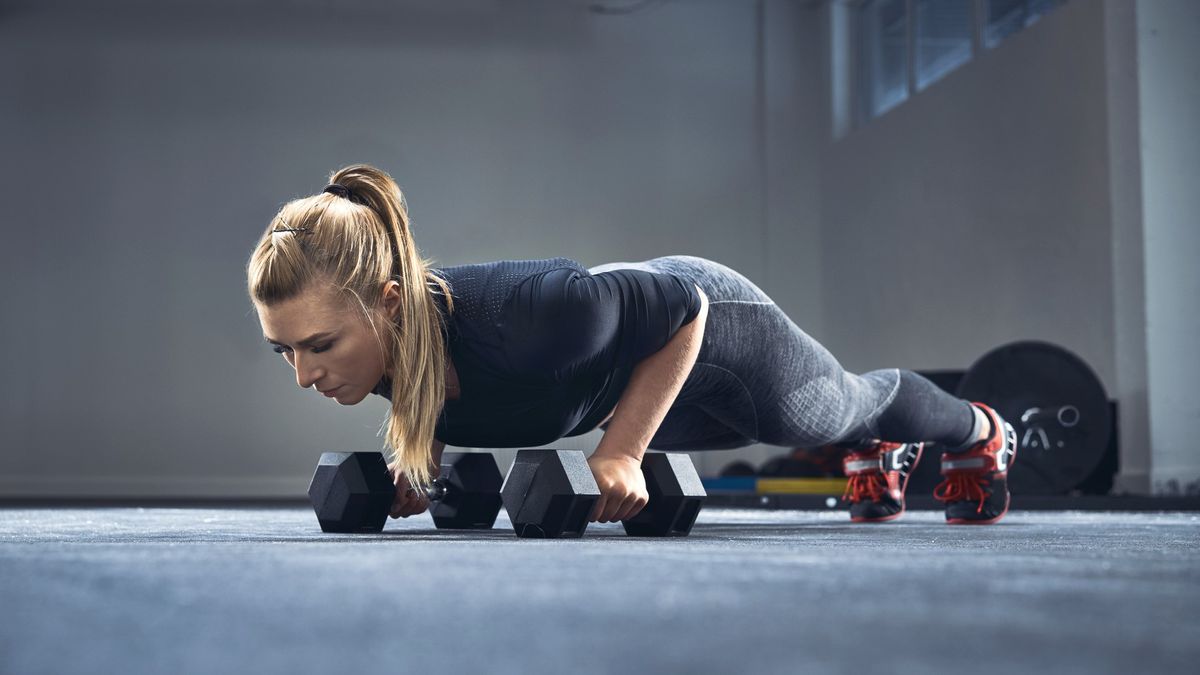
Dumbbell push ups offer many benefits for your body and fitness. They are simple but effective exercises. You can build strength and improve your muscles with them. The move also helps your body work better as a whole. Here are some key benefits of dumbbell push ups.
Muscle Groups Targeted
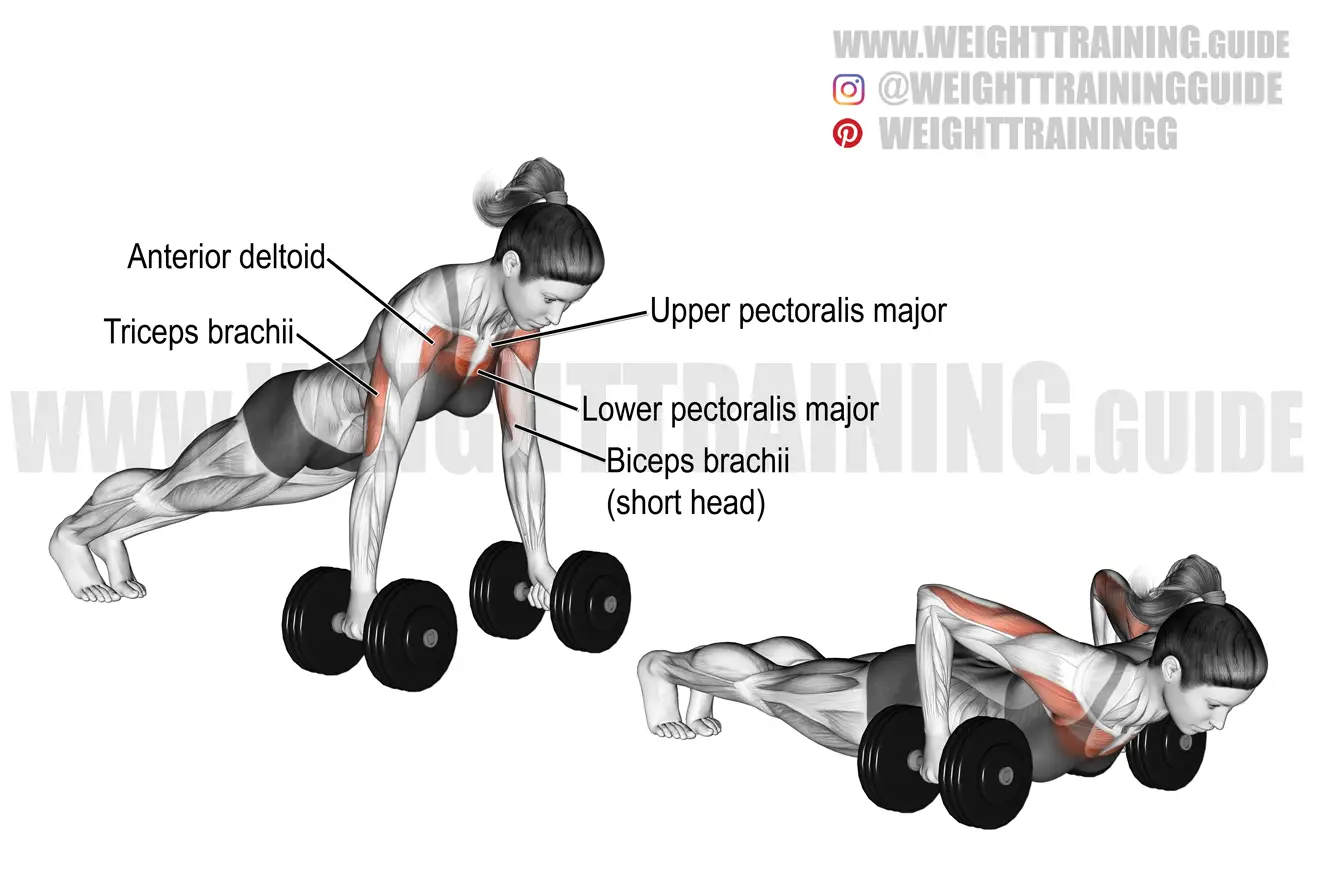
Dumbbell push ups work several muscles at the same time. Your chest muscles get stronger with each push. Your shoulders also get a good workout. The triceps on the back of your arms build strength too. Core muscles tighten and support your body. Even your back muscles get involved. This makes dumbbell push ups a full upper-body exercise.
Improved Stability And Balance
Using dumbbells adds an element of balance to the move. Your body must stabilize on the weights. This improves your overall balance and control. Small stabilizer muscles grow stronger. Your joints become more stable and less prone to injury. Better balance helps in daily activities and other workouts. It trains your body to be steady and strong.
Enhanced Range Of Motion
Dumbbells allow your chest to go lower during the push up. This increase in range helps stretch the muscles more. You get a deeper workout and better muscle activation. Your joints also move through a fuller motion. This can improve flexibility and reduce stiffness. It makes the exercise safer and more effective.
Factors Influencing Reps
Knowing how many dumbbell push ups to do depends on several factors. These factors help you choose the right number of repetitions. They also make sure you train safely and effectively.
Understanding these factors will guide your workout. It helps to set the right pace and avoid injury.
Fitness Level
Your current fitness level greatly affects your reps. Beginners should start with fewer repetitions to build strength. Advanced exercisers can handle more reps with good form. Adjust reps as your strength improves over time.
Training Goals
Your goals determine the number of reps to do. For muscle building, aim for moderate reps with more weight. For endurance, focus on higher reps with lighter weights. Clear goals help in planning your sets and reps.
Form And Technique
Good form is essential for effective push ups. Poor technique can cause injury and reduce benefits. Focus on slow, controlled movements. Stop if your form breaks down, even if reps are incomplete.
Rep Ranges For Different Goals
Choosing the right number of dumbbell push up reps depends on your fitness goals. Different goals need different rep ranges. This helps you train effectively and see better results. Below are common goals and the rep ranges to follow.
Strength Building
For building strength, focus on fewer reps with more effort. Aim for 4 to 6 reps per set. Use heavier dumbbells to challenge your muscles. Rest longer between sets, about 2 to 3 minutes. This approach helps increase your power and muscle force.
Muscle Endurance
Muscle endurance means doing more reps with less rest. Try 15 to 20 reps per set using lighter dumbbells. Keep your rest time short, around 30 to 60 seconds. This trains your muscles to work longer without getting tired.
Hypertrophy
Hypertrophy is muscle growth. Aim for 8 to 12 reps per set. Use moderate weight dumbbells that tire your muscles by the last rep. Rest 60 to 90 seconds between sets. This rep range helps muscles grow bigger and stronger.
Credit: weighttraining.guide
How To Determine Your Max Reps
Knowing your max reps for dumbbell push ups helps set clear fitness goals. It shows your current strength and helps plan your workouts. Testing your limit safely is key to avoid injury and track real progress. Follow simple steps to find your max reps accurately.
Warm-up Strategies
Start with light exercises to prepare your muscles. Do arm circles, shoulder shrugs, or a few slow push ups. Warm muscles reduce injury risk and improve performance. Spend at least 5 minutes warming up before testing max reps.
Testing Your Limit Safely
Choose a safe place with a soft surface or mat. Use dumbbells that feel challenging but manageable. Perform push ups until you cannot do another with good form. Stop immediately if you feel pain or excessive strain. Record the number of reps completed clearly.
Tracking Progress
Write down your max reps after each test. Test your max every two to three weeks to see improvement. Notice changes in strength and endurance over time. Adjust your workout plan based on your tracked results. Consistent tracking helps keep motivation high and goals clear.
Sample Dumbbell Push Up Workouts
Dumbbell push ups build strength and improve muscle tone. Different routines suit different fitness levels. Choose a routine that fits your current ability. Follow the sets and reps to get the best results.
Beginner Routine
Start with 3 sets of 8 reps. Rest 60 seconds between sets. Keep your body straight and core tight. Use light dumbbells or no weights at all. Focus on form over speed. Increase reps gradually each week.
Intermediate Routine
Do 4 sets of 12 reps. Rest 45 seconds between sets. Use moderate weight dumbbells. Add a slight pause at the bottom of each push up. This increases muscle engagement. Try to keep a steady pace. Push harder but stay controlled.
Advanced Routine
Perform 5 sets of 15 reps. Rest 30 seconds between sets. Use heavy dumbbells for more challenge. Add a push up with shoulder tap between reps. This works your balance and stability. Keep your core tight to avoid injury. This routine builds power and endurance fast.
Common Mistakes To Avoid
Doing dumbbell push ups correctly is key to building strength and avoiding injury. Many people make simple mistakes that reduce the exercise’s benefits. Knowing these errors helps you get better results and stay safe.
Poor Wrist Alignment
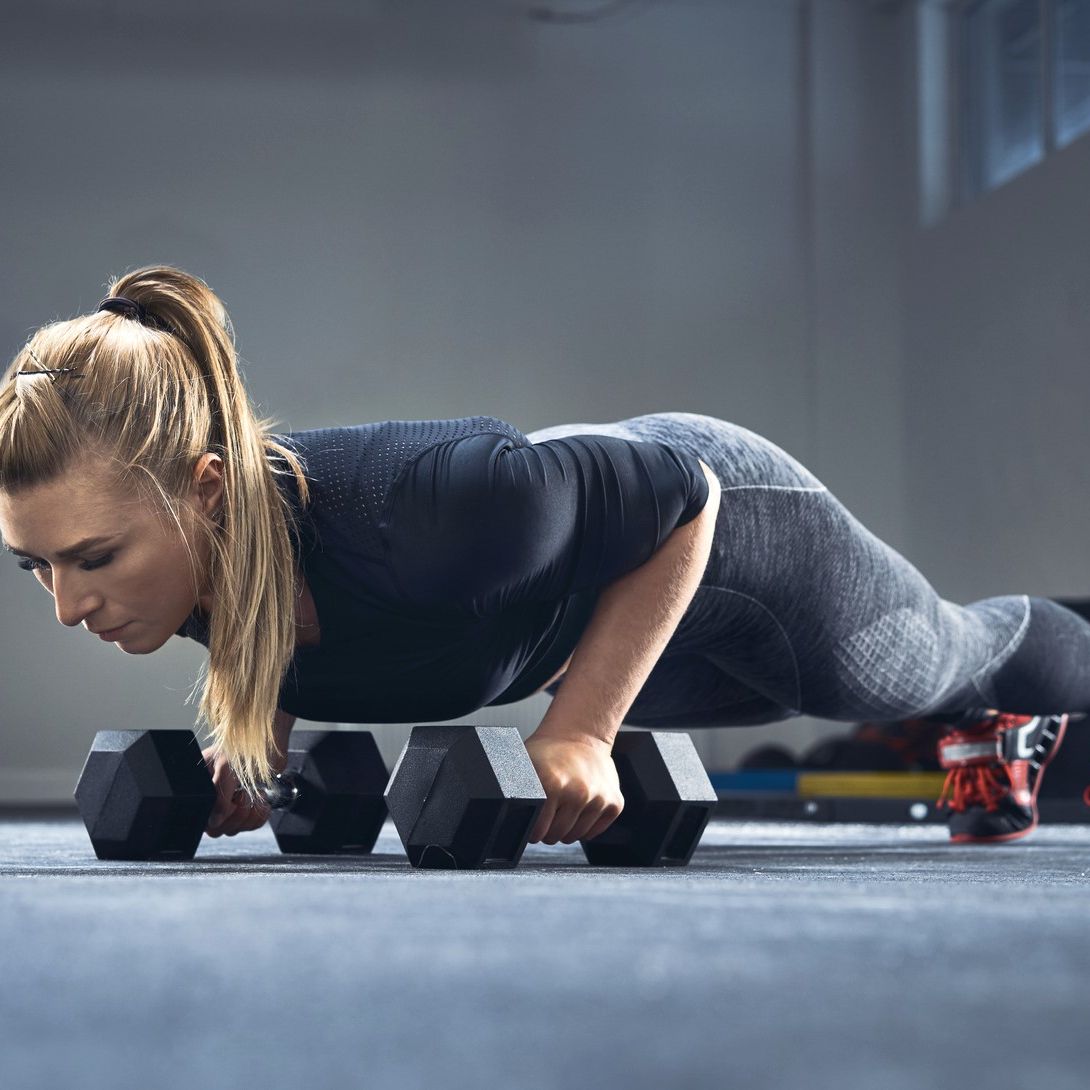
Wrist position is very important during dumbbell push ups. Keep your wrists straight, not bent or twisted. Bent wrists can cause pain and injury. Hold the dumbbells firmly and align your wrists with your forearms. This helps protect your joints and improve your push up form.
Inadequate Core Engagement
Your core supports your whole body in a push up. If your core is weak or relaxed, your hips may sag. This reduces the exercise’s effectiveness and strains your lower back. Tighten your abs and keep your body in a straight line. Strong core muscles make each rep count.
Rushing Through Reps
Fast push ups may seem easier but often cause poor form. Moving too quickly reduces muscle work and increases injury risk. Slow, controlled movements build strength better. Focus on steady pace, full range of motion, and proper technique. Quality over speed always wins here.
Tips For Maximizing Results
Maximizing results from dumbbell push ups requires more than just doing many reps. Small changes in your routine can boost strength and muscle growth. Focus on smart techniques and good habits. These tips will help you get the best from every workout session.
Proper Breathing Techniques
Breathe deeply and steadily throughout the exercise. Inhale as you lower your body down. Exhale as you push back up. This helps supply oxygen to your muscles. Proper breathing reduces fatigue and improves endurance.
Incorporating Rest Periods
Rest between sets allows your muscles to recover. Take 30 to 60 seconds breaks after each set. This keeps your strength high for the next round. Avoid rushing through exercises. Rest helps prevent injury and improves overall performance.
Progressive Overload
Gradually increase the difficulty of your push ups. Add more repetitions or use heavier dumbbells over time. This challenges your muscles to grow stronger. Track your progress and adjust your routine regularly. Consistent overload drives steady improvements.
Credit: www.tomsguide.com
When To Increase Reps Or Weight
Knowing when to increase reps or weight in dumbbell push ups is key to steady progress. Staying at the same level for too long can slow gains. Pushing your limits carefully helps build strength and endurance. Timing this step right avoids injury and burnout. The body needs a clear signal to adapt and grow.
Signs You’re Ready
You can do your current reps with good form and ease. The last few reps feel challenging but not impossible. Your muscles recover quickly after the workout. You don’t feel excessive soreness or pain during or after exercise. Your breathing is controlled and steady throughout the set. These signs show your body can handle more stress.
Balancing Volume And Intensity
Increasing reps raises workout volume, adding endurance benefits. Adding weight increases intensity, building more muscle strength. Both methods work but serve different goals. Avoid increasing both at once to prevent overtraining. Gradual changes help the body adjust safely. Track progress and listen to your body’s feedback. Rest days remain important for recovery and growth.
Frequently Asked Questions
How Many Dumbbell Push Ups Should Beginners Do?
Beginners should start with 3 sets of 8-10 dumbbell push ups. Focus on form and gradually increase reps.
Can Dumbbell Push Ups Build Chest Muscles Fast?
Yes, dumbbell push ups effectively target chest muscles. Consistent training with progressive overload improves muscle growth quickly.
How Often Should I Do Dumbbell Push Ups Weekly?
Perform dumbbell push ups 2-3 times a week. Allow rest days for muscle recovery and growth.
Do Dumbbell Push Ups Improve Arm Strength?
Yes, dumbbell push ups engage arms, shoulders, and chest. They help increase arm strength and endurance over time.
Conclusion
Dumbbell push ups help build strength and improve fitness. Start with a number you can do with good form. Gradually increase reps as your muscles get stronger. Rest between sets to avoid injury. Listen to your body and avoid overdoing it.
Consistency matters more than doing many reps at once. Keep your movements slow and controlled for best results. Track your progress to stay motivated. Regular practice will improve your push up count over time. Stay patient and enjoy the process of getting stronger.