Choosing the right boxing glove weight is more important than you might think. If your gloves are too light, you risk injuring your hands or your sparring partner.
Too heavy, and you could slow down your punches or tire out too quickly. But how do you know which glove weight fits your needs perfectly? Whether you’re training on the heavy bag, sparring with a partner, or preparing for a competition, understanding glove weights can make a huge difference in your performance and safety.
Keep reading, and you’ll learn simple, practical tips to pick the ideal glove weight that matches your body, skill level, and training goals. Your hands—and your progress—will thank you.
Credit: www.dickssportinggoods.com
Boxing Glove Weight Basics
Choosing the right boxing glove weight is important for comfort and safety. Gloves come in different weights to suit various training needs. Understanding glove weight helps you train effectively and avoid injuries.
Weight affects the amount of padding and the glove’s overall feel. Heavier gloves offer more protection but can tire your hands faster. Lighter gloves allow faster punches but less cushioning.
What Glove Weight Means
Glove weight is measured in ounces (oz). This number shows the glove’s total weight, including padding and shell. A higher ounce means more padding and protection.
Heavier gloves are common in sparring to protect you and your partner. Lighter gloves are used for speed and competition. Knowing the weight helps match gloves to your training goals.
Common Weight Measurements
Most boxing gloves range from 8 oz to 18 oz. Each weight fits a different purpose:
- 8-10 oz: Used for competition and speed training.
- 12-14 oz: Ideal for bag work and general training.
- 14-18 oz: Best for sparring to reduce injury risk.
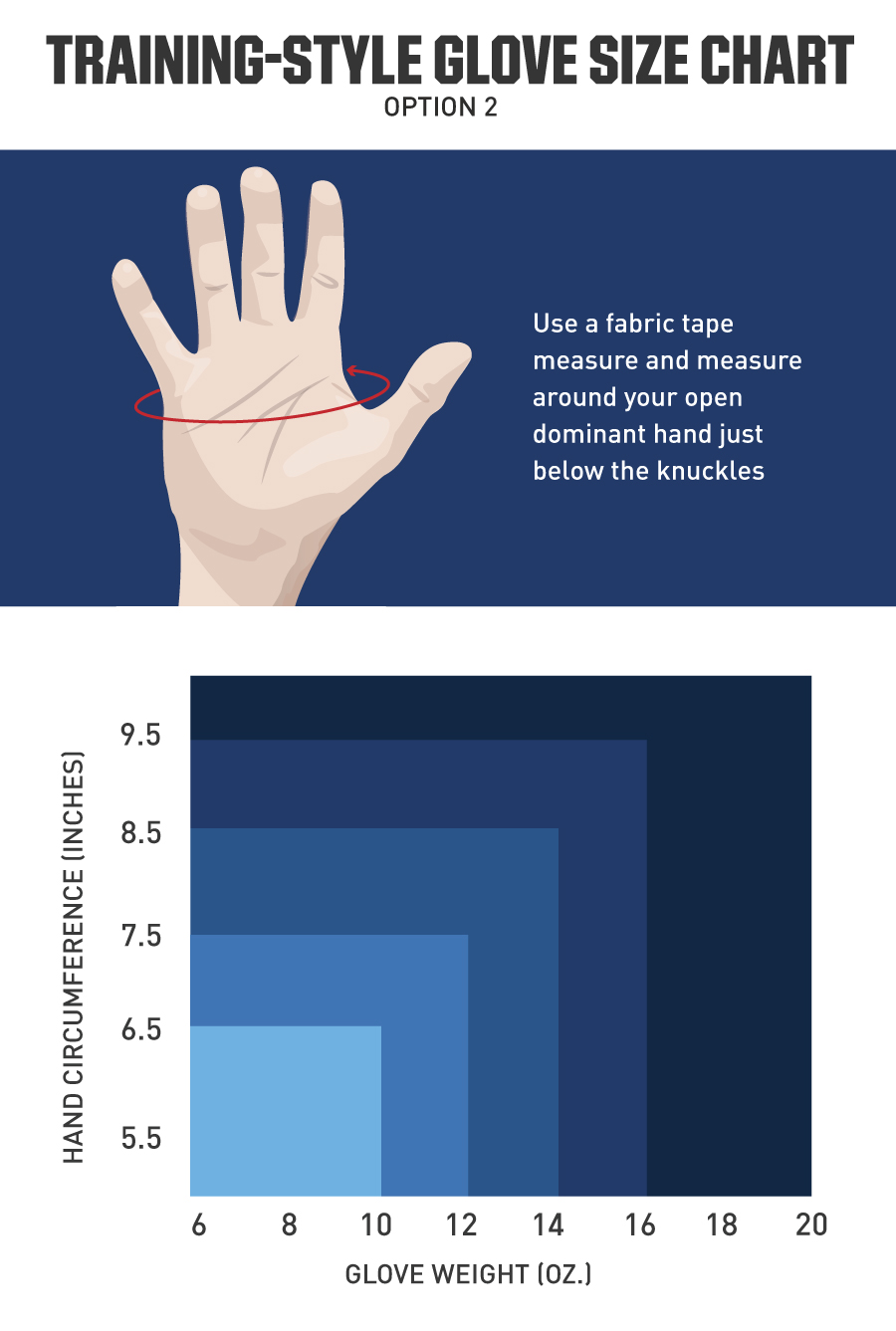
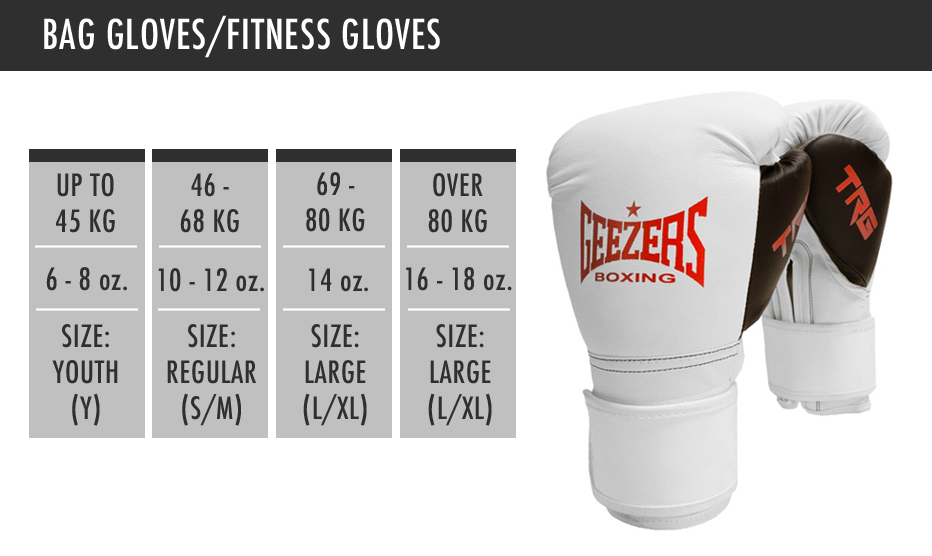
Your body weight can guide your glove choice. For example, lighter people may use 10-12 oz gloves, while heavier boxers choose 14-16 oz or more. Always check your glove fits well to protect your hands.
Choosing Gloves By Use
Choosing the right boxing glove weight depends on how you plan to use them. Different activities require different glove weights for safety and performance. Gloves vary in padding, size, and weight based on their intended purpose. Picking the correct gloves improves training and protects your hands and your partner.
Sparring Gloves
Sparring gloves usually weigh between 14 and 18 ounces. The extra padding helps protect both you and your sparring partner from hard impacts. Heavier gloves reduce the risk of injury during practice fights. Choose gloves that feel comfortable and secure on your hands. Good fit prevents slipping and reduces hand strain.
Training And Bag Work Gloves
Training gloves for bag work are often 12 to 14 ounces. These gloves offer enough padding to protect your knuckles while hitting the bag. They are lighter than sparring gloves to allow faster punches. Using slightly heavier gloves during bag work can build strength and endurance. Make sure the gloves fit well to avoid blisters or soreness.
Competition Gloves
Competition gloves are lighter, usually 8 to 10 ounces. Less padding means faster, more powerful punches in the ring. Rules often specify glove weight based on your weight class and the fight type. Competition gloves fit tighter for better control and precision. Always check event regulations before choosing your competition gloves.
Body Weight And Glove Size
Choosing the right boxing glove weight depends largely on your body weight and glove size. Gloves must protect your hands and your training partner. The right weight helps improve comfort and safety. Matching glove weight to your body mass ensures better control and less fatigue. Hand size also influences how gloves fit and perform during workouts or fights.
Recommended Weights By Body Mass
Boxers should select glove weight based on their body weight. Lighter boxers usually use gloves weighing 10 to 12 ounces. Those weighing 150 to 180 pounds often choose 14-ounce gloves. Heavier boxers over 180 pounds prefer gloves weighing 16 to 18 ounces. These weights offer the right balance between protection and mobility. Using gloves too heavy or too light can cause discomfort or injury. Proper glove weight protects joints and knuckles during punches.
Adjusting For Hand Size
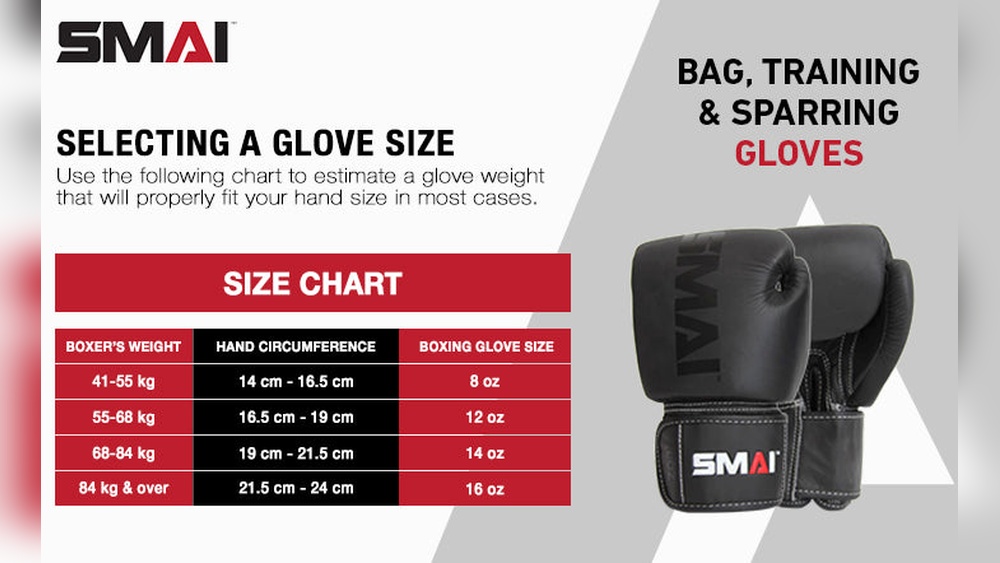
Hand size also affects glove fit and comfort. Larger hands need wider gloves for better movement. Smaller hands require narrower gloves to avoid slipping inside. Measure hand circumference around knuckles to find your fit. Gloves that fit well reduce the risk of hand injuries. Some brands offer different glove sizes for the same weight. Always try gloves on or check sizing charts before buying. Well-fitted gloves improve your punching power and speed.
Credit: www.geezersboxing.co.uk
Impact Of Glove Weight On Performance
The weight of boxing gloves affects how you perform during training and fights. Gloves that are too heavy or too light can change your punching style, speed, and safety. Understanding this impact helps you pick the right gloves for your needs. Below are key ways glove weight influences your boxing performance.
Protection And Padding
Heavier gloves have more padding to protect your hands and your opponent. They reduce the force of punches during sparring. This padding helps prevent injuries like bruises and fractures. Lighter gloves have less padding, which means less protection but better movement. Choose heavier gloves to keep both fighters safe in practice.
Speed And Technique
Lighter gloves allow faster punches and quicker hand movement. They help improve your timing and precision. Using light gloves often boosts your reaction time and technique. Heavier gloves slow your hands down, which can affect your speed. For speed training and competition, lighter gloves are usually best.
Strength And Endurance
Heavy gloves increase resistance, making your muscles work harder. Training with heavier gloves builds hand and arm strength over time. They also improve endurance by requiring more effort in every punch. Using heavy gloves in bag work or conditioning helps develop power for fights. This type of training prepares you for longer, tougher matches.
Additional Factors To Consider
Choosing the right boxing glove weight involves more than just your body weight or training type. Several other factors affect your glove choice. These factors ensure safety, compliance, and comfort during your boxing sessions. Understanding these can help you pick gloves that suit your specific needs and keep you protected.
Partner Safety In Sparring
Sparring partners need protection from hard impacts. Heavier gloves offer extra padding to reduce injury risks. Using gloves that are too light can cause unnecessary harm. Choose gloves weighing 14-18 oz for most sparring sessions. This weight range cushions blows and protects both fighters.
Competition Rules And Regulations
Different competitions have strict glove weight rules. Amateur and professional fights often require specific glove sizes. Check your event’s guidelines before buying gloves. Using the wrong glove weight can disqualify you. Always select gloves that meet the official standards for your weight class.
Glove Fit And Comfort
A glove must fit snugly but not too tight. Proper fit prevents hand injuries and improves performance. Measure your hand circumference and compare it with the brand’s sizing chart. Comfortable gloves allow better movement and longer training sessions. Avoid gloves that cause pressure points or restrict blood flow.

Credit: www.smai.com
Materials And Construction
The materials and construction of boxing gloves play a crucial role in determining their weight. Each glove consists of various components, including padding, outer shell, and inner lining. These parts affect the glove’s overall mass and feel. Understanding these elements helps you select the right glove weight for your needs.
Glove weight is not just about size but also about the materials used. Different materials add different amounts of weight. The way a glove is built impacts its protection, comfort, and performance during training or competition.
Padding Types And Density
Padding is the core factor in glove weight. Gloves use foam, gel, or layered padding. Foam padding is light but firm, offering good shock absorption. Gel padding adds extra cushioning but increases the glove’s weight. The density of padding varies. Denser padding means heavier gloves but better protection. Softer padding reduces weight but may wear out faster. The choice of padding affects how heavy the glove feels on your hand.
Glove Composition Effects
The outer material of gloves also influences weight. Leather gloves tend to be heavier than synthetic ones. Leather lasts longer but adds more weight. Synthetic gloves are lighter and more affordable. The inner lining and stitching add small amounts of weight too. Some gloves have extra reinforcements around the wrist or knuckles, increasing weight for durability and safety. The overall construction quality can make gloves feel heavier or lighter, even if the listed weight is the same.
Popular Brands And Weight Options
Choosing the right boxing glove weight often depends on the brand and its available options. Popular brands offer various weight ranges to suit different training needs. Each brand may have unique features affecting glove weight and fit. Understanding these variations helps in selecting gloves that enhance performance and comfort.
Brand Variations
Brands like Everlast, Cleto Reyes, and Hayabusa provide gloves in weights from 8 oz to 18 oz. Everlast often focuses on beginner-friendly gloves with extra padding. Cleto Reyes offers lighter gloves preferred by professionals for competitions. Hayabusa blends durability with comfort and offers mid-range weights for training.
Some brands include additional padding or use different materials, which affect glove weight. For example, gloves with more foam padding feel heavier but protect better. Leather gloves tend to be heavier than synthetic ones. Weight options vary to match sparring, bag work, or competition needs.
Selecting Based On Brand Specs
Check each brand’s sizing and weight charts before buying gloves. Brands provide guidelines based on user weight and training type. For sparring, heavier gloves like 16-18 oz are common to protect hands and partners. Bag work usually requires lighter gloves, around 12-14 oz, for speed and control.
Competition gloves are often 8-10 oz, as rules specify weight limits. Always compare your body weight and training goals with brand recommendations. Some brands design gloves with specific hand sizes or wrist support features. Choosing gloves that fit well reduces injury risk and improves technique.
Tips For Trying Gloves
Choosing the right boxing glove weight is important for comfort and performance. Trying gloves before buying helps you find the best fit and feel. Use these tips to test gloves properly and understand what weight suits your needs.
How To Test Fit
Put the gloves on and make a fist. Check if your fingers move freely without tightness. The gloves should feel snug but not too tight. Wrist support must feel firm and secure. Wear your hand wraps during testing for accuracy. Move your hands as if punching to check comfort. Avoid gloves that pinch or feel loose.
What To Look For In Weight
Heavier gloves offer more padding and protection. Lighter gloves allow faster punches but less cushioning. Choose a weight that matches your training type. For sparring, heavier gloves reduce injury risk. For bag work, medium weight builds strength without slowing you down. Gloves should not feel tiring after short use. Balance protection and speed based on your goals.
Adjusting For Multiuse
Multiuse gloves fit different training styles. Pick gloves that handle bag work and sparring comfortably. Slightly heavier gloves work well for both protection and speed. Consider gloves with extra padding if you switch between partners. Make sure gloves fit well with wraps for all uses. Test gloves in various conditions before deciding. This ensures comfort and durability for all training.
Frequently Asked Questions
How Do I Know What Weight Boxing Gloves To Get?
Choose boxing glove weight based on your body weight, training type, and protection needs. Use 14-18 oz for sparring, 12-14 oz for bag work, and 8-10 oz for competition. Ensure proper fit by checking hand size and manufacturer sizing charts to avoid injury and meet competition rules.
Should I Get 12 Oz Or 16 Oz Boxing Gloves?
Choose 12 oz gloves for bag work and training, and 16 oz gloves for sparring to ensure better hand and partner protection.
Do I Want 8oz Or 10oz Boxing Gloves?
Choose 8oz gloves for speed, competition, or lighter training. Opt for 10oz gloves for general bag work and better hand protection. Your choice depends on training type, hand size, and partner safety during sparring. Always check fit and comply with competition rules.
Why Is Tyson Using 14 Oz Gloves?
Tyson uses 14 oz gloves mainly for sparring to protect both his hands and his partner. They offer extra padding and aid conditioning.
Conclusion
Choosing the right boxing glove weight matters for safety and performance. Heavier gloves offer more protection during sparring. Lighter gloves improve speed and technique for competition. Consider your body weight, training type, and glove fit carefully. Always check glove size charts before buying.
Using proper gloves helps prevent injury and boosts your training results. Keep these points in mind for better boxing experiences.

