
Have you ever found yourself staring at your bike chain lock, desperately trying to unlock it but coming up empty? Whether you’ve forgotten your combination, lost your key, or your lock just won’t budge, it can be incredibly frustrating—and even stressful if you need to get moving quickly.
But don’t worry, you’re not alone, and there are smart, practical ways to unlock your bike chain lock without causing damage or breaking the bank. In this guide, you’ll discover simple, step-by-step methods to get your bike free, plus handy tips to avoid getting stuck in the future.
Ready to take control and save your ride? Let’s dive in.
Types Of Bike Chain Locks
Bike chain locks come in different types. Each type offers unique features and protection levels. Understanding these types helps choose the right lock for your bike.
Cable Locks
Cable locks are flexible and lightweight. They use braided steel cables covered with plastic. These locks are easy to carry and good for low-risk areas. They work well for quick stops but offer moderate security.
U-locks
U-locks are strong and durable. Their solid metal bar resists cutting and prying. These locks are rigid and shaped like the letter “U”. They provide excellent protection and suit urban environments.
Combination Locks
Combination locks use a code instead of a key. They are convenient and key-free. You set your own number sequence to open the lock. These locks vary in strength depending on design.
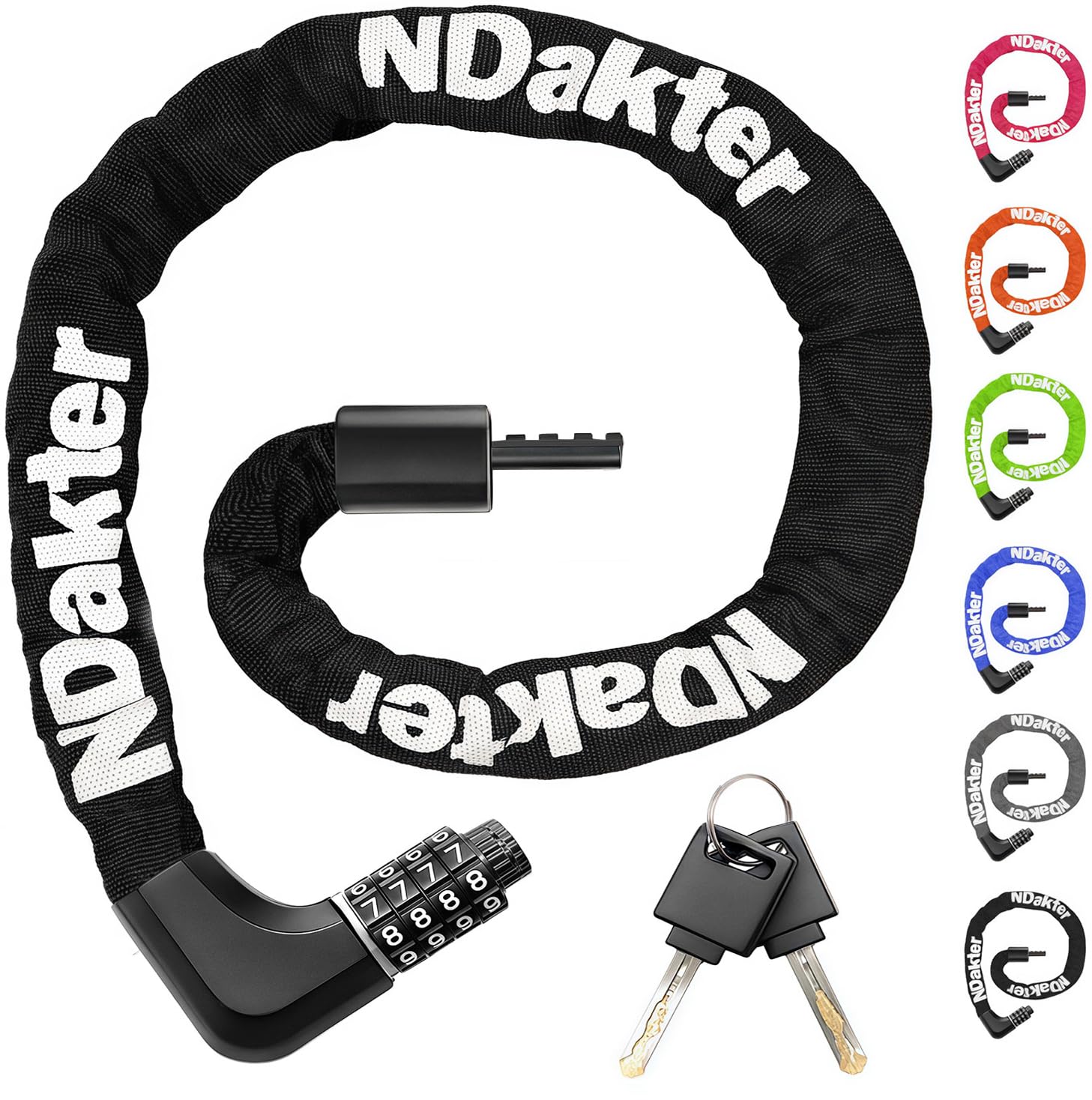
Steel Chain Locks
Steel chain locks use heavy-duty metal links. They offer high security due to thick, hardened steel. These locks are heavier and less flexible. Ideal for long-term parking in risky locations.
Credit: www.amazon.co.uk
Common Lock Issues
Bike chain locks can face several common problems that stop them from opening easily. Understanding these issues helps to fix them quickly. Some locks become stiff or frozen. Others have lost keys or forgotten combinations. Sometimes the lock’s mechanism gets damaged or jammed. Each problem needs a simple approach to solve it.
Stiff Or Frozen Locks
Locks often get stiff due to dirt and rust inside. Cold weather can also freeze the lock. Try applying a lubricant spray to the keyhole. Insert the key fully and turn it gently. Move the key back and forth to loosen the parts. Avoid forcing the key hard to prevent damage. Regular lubrication keeps the lock smooth.
Lost Keys Or Combinations
Losing the key or forgetting the combination is common. Check if you have a spare key stored safely. For combination locks, try to recall common numbers or patterns. Some locks have reset options or emergency codes. If nothing works, contact the lock manufacturer for help. Avoid cutting the chain unless as a last resort.
Damaged Or Jammed Mechanisms
Locks may get damaged by force or wear over time. Jammed parts inside can stop the lock from opening. Inspect the lock carefully for visible damage. Use a lubricant on the mechanism and try gentle movements. If it stays jammed, professional help may be needed. Avoid using too much force to protect your bike and lock.
Basic Techniques To Unlock
Basic techniques to unlock a bike chain lock focus on simple steps anyone can try. These methods help if the lock feels stuck or the key doesn’t turn easily. Patience and gentle handling often solve the problem without special tools.
Start by improving the lock’s condition. Clean and lubricate the lock to ease movement. Small movements with the key or dial can help free the mechanism. Removing dirt and debris from the keyhole allows the key to fit better. These steps increase your chance of opening the lock smoothly.
Lubricating The Lock
Apply a small amount of lubricant to the keyhole and shackle. Use a spray lubricant made for locks or a light oil. Avoid thick grease as it can attract dirt. Insert the key and gently turn it several times. This helps spread the lubricant inside the lock. Wait a few minutes for the lubricant to work before trying again.
Wiggling The Key Or Dial
Insert the key fully into the lock. Try wiggling the key gently up and down or side to side. Do not force it hard to avoid breaking the key. For combination locks, slowly turn the dial back and forth near the correct numbers. This can help release any stuck parts inside. Keep movements slow and controlled.
Clearing Debris From Keyhole
Check the keyhole for dirt, dust, or small debris. Use a thin object like a toothpick or compressed air to clear the hole. Avoid pushing debris further inside. Cleaning the keyhole allows the key to enter smoothly. Repeat this step if the lock still feels stuck or hard to turn.
Unlocking Without Key Or Combination
Unlocking a bike chain lock without the key or combination can be challenging. Many riders face this issue after losing keys or forgetting combinations. Knowing simple, practical methods helps avoid damage or delay. Here are effective ways to open different types of bike locks without original access tools.
Using Bypass Cutters For Cable Locks
Cable locks are flexible and easy to cut. Bypass cutters slice through thin cables quickly. Place the cutters around the cable near the lock. Apply steady pressure to cut through the metal wires. This tool works best on lightweight locks, not heavy chains. Always wear safety glasses to protect your eyes from flying metal bits.
Applying Bolt Cutters On Chain Locks
Chain locks are tougher and require stronger tools. Bolt cutters are designed to handle thick metal links. Position the bolt cutters on a single link of the chain. Use forceful, steady pressure to snap the link. Choose bolt cutters with long handles for more leverage. This method is noisy but effective for removing heavy chains fast.
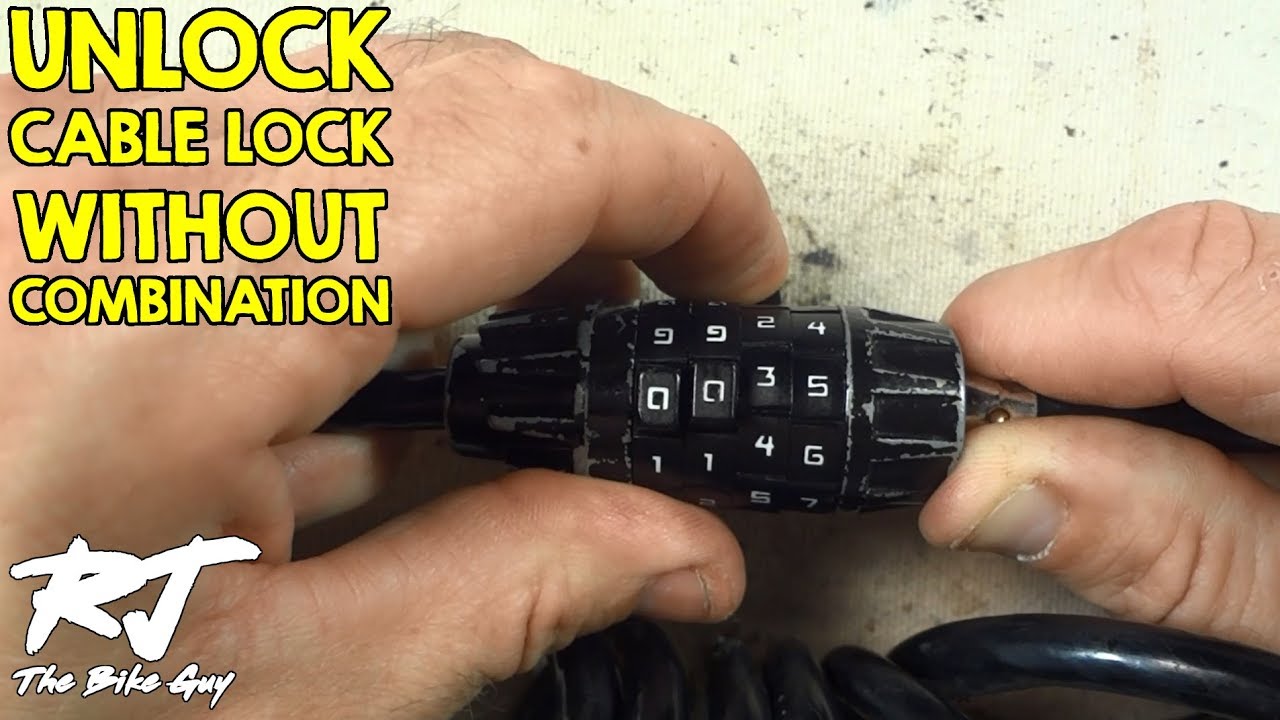
Manipulating Combination Dials
Combination locks rely on correct dial alignment. You can try to decode the combination by feel. Slowly turn each dial while applying slight pressure on the lock. Listen or feel for clicks or subtle changes in resistance. These hints indicate the correct number. It takes patience but avoids damaging the lock. Practice helps improve success with this technique.
Using Tools Safely
Using tools safely is vital when trying to cut a bike chain lock. Improper use can cause injury or damage. Focus on selecting the right tools, wearing safety gear, and applying correct cutting methods. These steps help protect you and make the task easier.
Selecting Proper Cutting Tools
Choose cutting tools designed for bike chains. Bolt cutters are common and effective. They have long handles for better leverage. Heavy-duty wire cutters or angle grinders also work. Avoid using dull or weak tools. Proper tools save time and reduce risk.
Safety Gear Recommendations
Wear safety goggles to protect your eyes from flying debris. Gloves help shield your hands from sharp edges. Long sleeves reduce skin exposure. Use ear protection if using noisy tools. Prepare your workspace by clearing clutter and ensuring good lighting.
Techniques For Efficient Cutting
Position the tool firmly around the chain link. Apply steady pressure without rushing. Keep your hands away from the cutting area. Cut near the lock’s weakest point for easier work. Take breaks if needed to maintain control. Always inspect the chain after cutting to avoid sharp ends.
Credit: www.youtube.com
When To Call A Professional
Knowing when to call a professional for your bike chain lock is key. Not all lock problems can be solved with simple tools or tricks. Some situations require expert help to avoid damage to your bike or lock. Recognizing these moments saves time and stress.
Locksmith Services
Locksmiths have the right tools and skills for tough locks. They can open your bike lock without harm. Professionals handle different lock types, including complex chains and combinations. Calling a locksmith is smart if your lock is stuck or broken.
Bike Shop Assistance
Bike shops often help with lock issues. They understand bike security and offer repair or replacement. Staff can advise on the best lock for your bike. Visit a bike shop when you need quick, reliable support near you.
Documenting Proof Of Ownership
Always keep proof of ownership ready. Photos, receipts, or registration papers help prove the bike is yours. Professionals may ask for this before helping with a locked chain. This step protects you and prevents theft confusion.
Preventing Future Lock Issues
Preventing future issues with your bike chain lock saves time and frustration. Proper care keeps the lock working smoothly. Small habits can stop many common problems. Follow these practical steps to extend your lock’s life and keep your bike secure.
Regular Maintenance Tips
Clean your lock regularly to remove dirt and grime. Use a soft brush or cloth for cleaning. Apply lubricant inside the keyhole and moving parts every few months. Avoid using too much oil; a small amount is enough. Check for rust or damage and address it early. Regular maintenance keeps the lock smooth and easy to open.
Choosing The Right Lock
Pick a lock that fits your needs and budget. Stronger locks resist cutting and picking better. Look for locks with weather-resistant features to prevent rust. Lightweight locks are easier to carry but may offer less security. Consider the lock size; it should fit your bike frame and secure well. A good lock reduces stress and future problems.
Storing And Handling Your Lock Properly
Store your lock in a dry place to avoid moisture buildup. Avoid leaving the lock exposed to rain or snow for long periods. Handle the lock gently when opening and closing. Do not force the key if it feels stuck; try lubricant first. Secure the lock properly on your bike to prevent damage. Proper storage and handling keep the lock functional and reliable.

Credit: www.amazon.com
Frequently Asked Questions
How To Unlock The Bike Chain?
To unlock a bike chain, locate the master link or quick-release link. Press or pry it open with your fingers or a tool. Reconnect the chain by aligning and pressing the links together. This allows easy removal and reattachment for quick fixes or maintenance.
What To Do If The Bike Lock Won’t Open?
Lubricate the lock with graphite or WD-40. Insert and wiggle the key gently. Clear debris from the keyhole carefully. Use rubbing alcohol if frozen. For cable locks, use heavy-duty cutters; for U-locks, try an angle grinder or hacksaw safely.
How To Open A 3 Combination Lock?
To open a 3 combination lock, turn the dial right three times to reset. Stop at the first number. Turn left past the first number once, then stop at the second number. Turn right directly to the third number and pull the shackle to open.
How To Reset A Bike Chain Lock?
To reset a bike chain lock, first unlock it using the current combination or key. Then, press and hold the reset button or lever. Set your new combination by turning the dials. Release the button or lever to save the new code.
Test the lock to confirm the reset.
Conclusion
Unlocking a bike chain lock can be simple with the right steps. Always stay calm and patient while working on the lock. Use basic tools and gentle movements to avoid damage. Keeping your lock clean and lubricated helps prevent problems later.
Practicing these tips makes bike security easier and less stressful. Remember, careful handling saves time and protects your bike.

